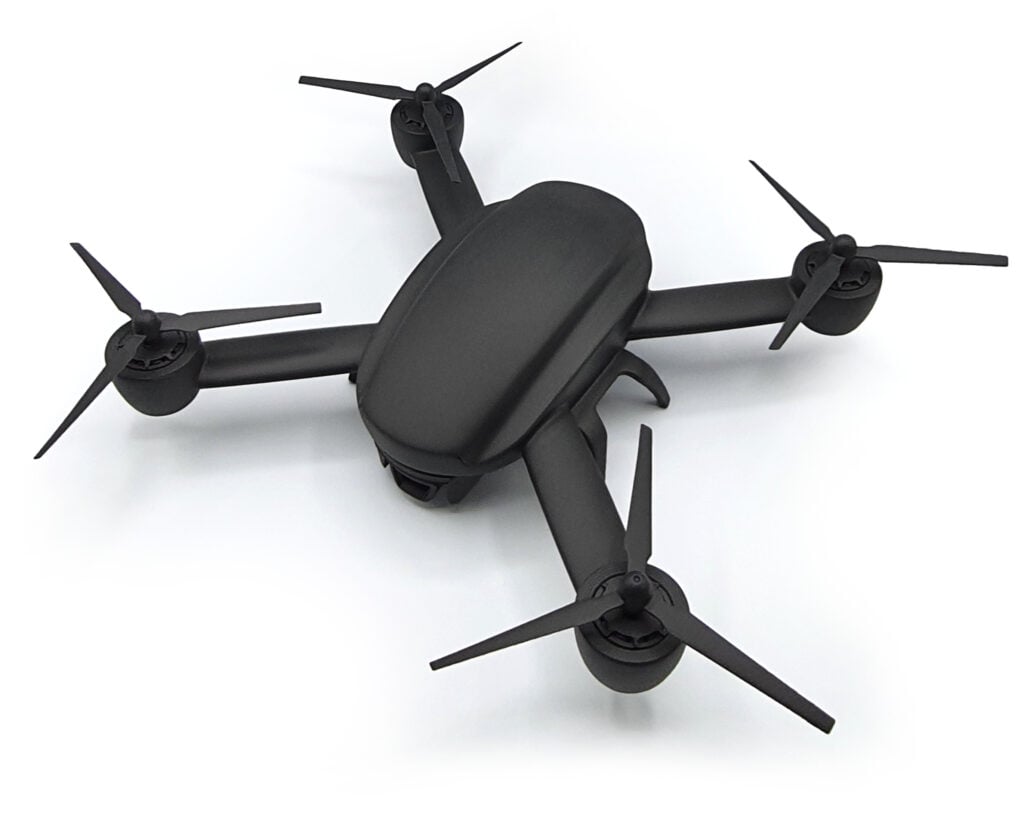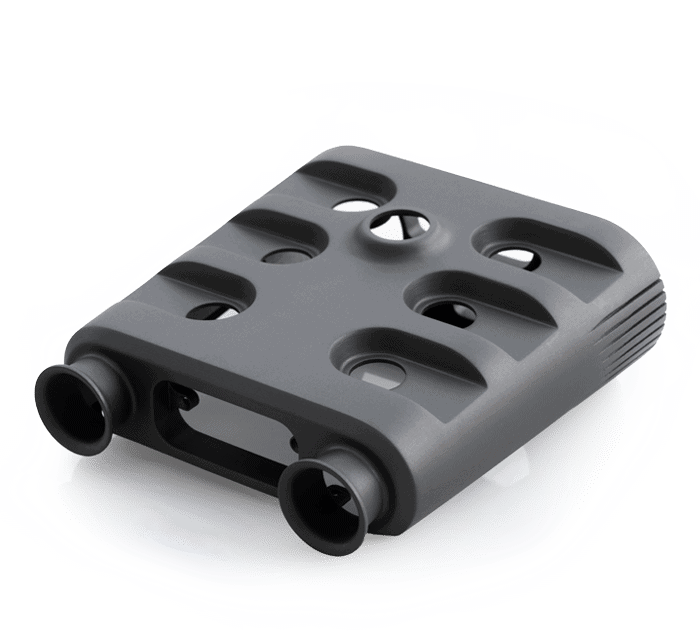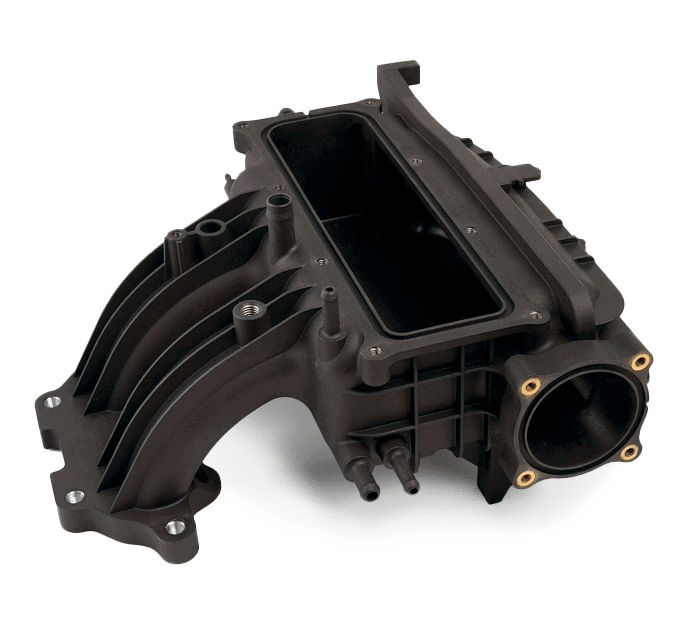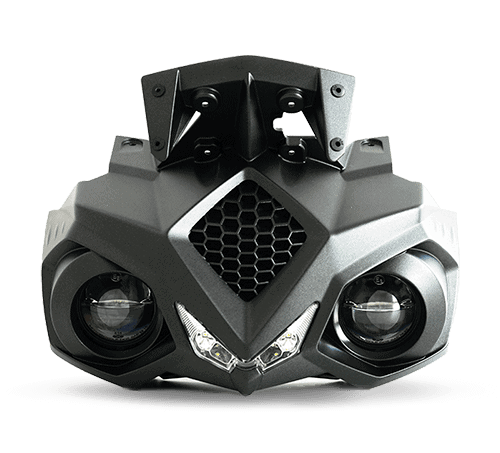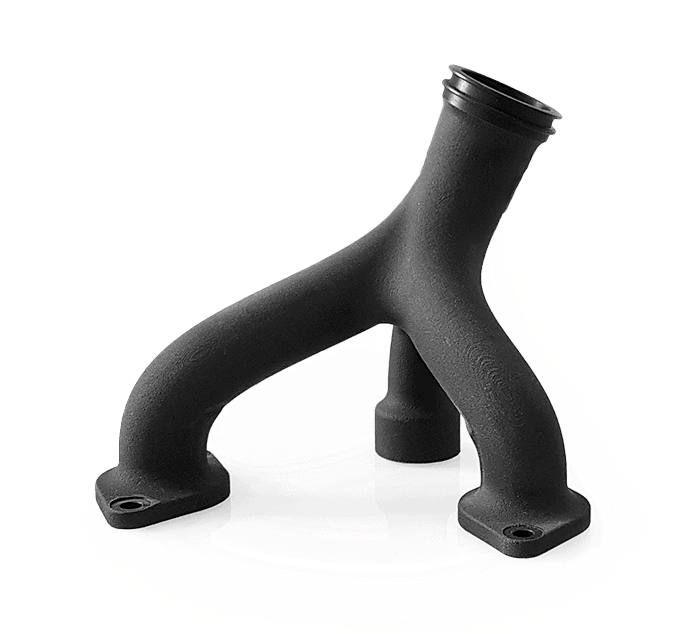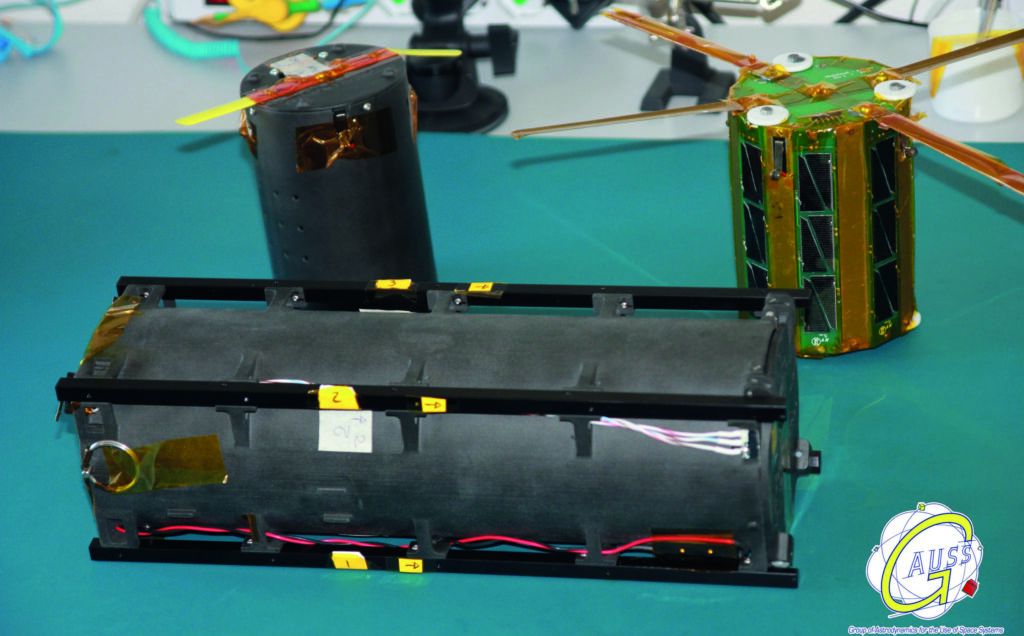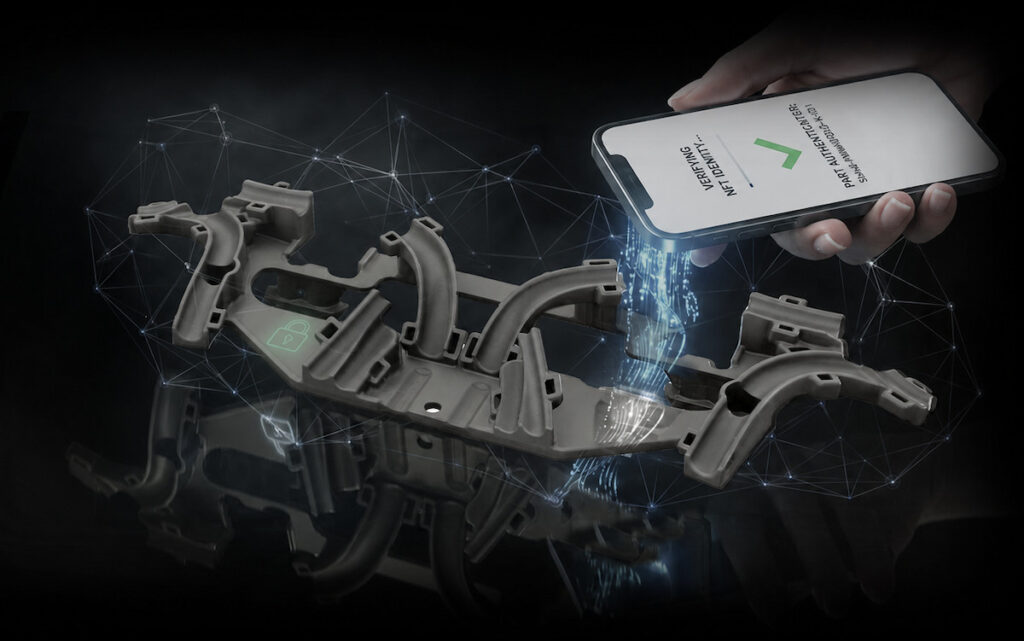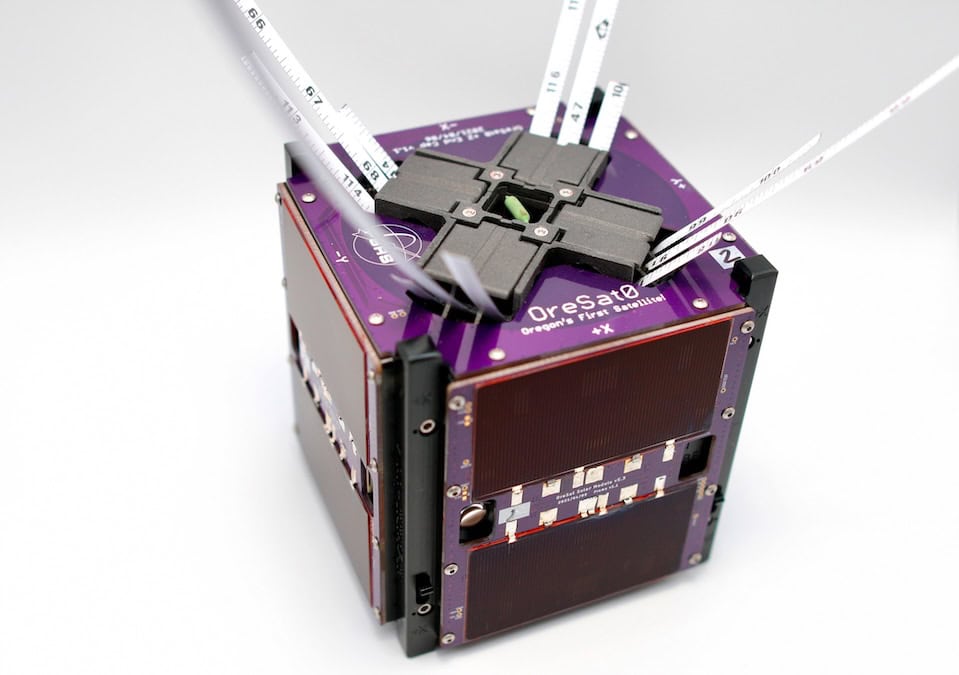

Hoverfly Technologies, in collaboration with CRP USA, leveraged advanced additive manufacturing to create mission-ready, 3D-printed fuselage components for its Spectre 2.0 and Sentry platforms.
CRP USA have released a Defense Whitepaper on Hybrid Manufacturing exploring how innovative design and material choices delivered high-performance, resilient UAS solutions for demanding tactical missions.
The Application
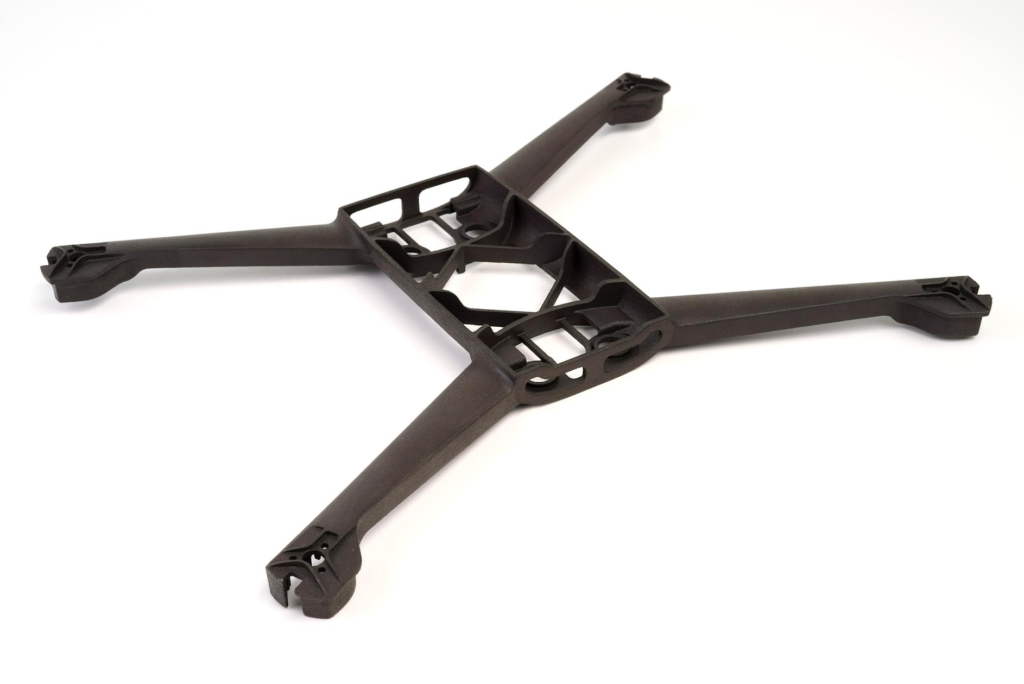
Hoverfly Technologies, leader in tethered drone solutions, partnered with CRP USA to manufacture the main fuselage for its Spectre 2.0 and Sentry platforms. The result was 3D-printed, end-use production parts, not prototyping or testing only, used on fielded systems. Designed by Hoverfly engineers and manufactured by CRP USA for long-term integration, not routine replacement.
The collaboration with CRP USA enabled Hoverfly to develop highly specialized TeUAS platforms capable of operating in demanding military, security, and tactical missions, with structural solutions fully supporting multi-payload configurations, persistent ISR, advanced electronic warfare, and network extension roles.
-
- Spectre.
-
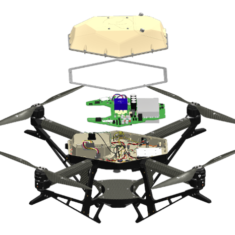
- Sentry.
The Challenge: Reducing Structural Complexity & Weight
Traditional manufacturing methods often require assembling multiple parts, which adds weight, increases points of failure, and limits payload flexibility. Hoverfly Technologies required an accelerated development solution to consolidate complex internal geometries, such as embedded cable routing and optimized load paths, into a single, high-performance structure capable of embedding critical electronics for their Spectre 2.0 and Sentry platforms.
The Monolithic Solution: 3D Printing the Integrated Airframe
By leveraging advanced Selective Laser Sintering (SLS) with proprietary Windform® GT materials, CRP USA manufactured a monolithic main body that connects the aircraft booms and housing critical electronic subsystems. This approach consolidated mounting points and internal channels into end-use production parts, not mere prototypes, fielded for long-term integration. The resulting ultra-lightweight fuselage just 360g (12.7 oz) allows for extreme payload flexibility without compromising flight endurance. CRP USA has supported the program from early engineering builds through low-rate initial production and into full-rate production, maintaining a single manufacturing process and material system across the platform’s lifecycle and avoiding supplier transition risk during scale-up.
The Durability Gap: Resilience in Harsh Environments
Tactical drones must survive mechanical shocks, vibrations, and extreme weather during persistent ISR missions. UAS designers often struggle to find materials that are lightweight yet rugged enough for these military-grade requirements.
The Solution: Advanced Reinforced Composites
The fuselages were printed using Windform® GT, a glass-fiber reinforced composite originally developed for the high-performance demands of Motorsports and Aerospace, providing:
- Weight Optimization: Ultra-low density allowing thin-wall tuning.
- Mechanical Strength: Superior load-bearing capacity with high impact resistance and optimal elasticity. An elongation at break of 14.82% provides the necessary flexibility to absorb energy and resist fatigue. The current fielded parts are manufactured in Windform® GT (glass-fiber reinforced) for its impact resistance and 14.82% elongation at break.
- MIL-STD CERTIFICATION. All parts successfully underwent rigorous MIL-STD-810H testing, including:
Drop testing MIL-STD-810H, Method 516.8
Temperature cycling (-20°C to +49°C) MIL-STD-810H, Methods 501.7 / 502.7
Blowing rain and wind MIL-STD-810H, Method 506.5
Blowing dust (6h exposure, 49°C) MIL-STD-810H, Method 510.7
Continuous flight 48-hour operational test
The Speed Barrier: Mission-Ready Parts in Days, Not Months
Traditional tooling cycles often delay deployments by weeks. In defense applications, rapid iteration is non-negotiable. Operating on AS9100D-certified processes, CRP USA’s advanced SLS workflow ensures seamless execution from initial validation to full-scale mission deployment within days of file submission.
The Integration Challenge: Simplified EMC Validation
Integrating communication boards often presents Electromagnetic Compatibility (EMC) hurdles. The Future: CRP USA and Hoverfly are exploring smart structures for embedded EMI shielding. This relates to future iterations or options using Windform® carbon-composite materials. By utilizing slightly conductive Windform® carbon-composite options, manufacturers can simplify EMC validation according to strict standards, ensuring secure data transmission during critical missions.
Visit CRP Group at XPONENTIAL Europe, Hall 1, Booth E71, to learn more about their products.