
Red Cat Holdings, a developer of aerial intelligence and situational awareness technologies, and Apium Swarm Robotics have signed a Memorandum of Agreement (MOA), partnering to advance autonomous swarming capabilities for tactical drones in defense operations.
Through this agreement, Apium joins the Red Cat Futures Initiative, an industry-wide robotics and autonomous systems (RAS) consortium focused on delivering advanced and interoperable uncrewed aircraft systems to warfighters.
The Futures Initiative is a strategic collaboration designed to accelerate the development and deployment of autonomous systems across air, land, and sea domains. It brings Red Cat together with leading innovators in AI, computer vision, 3D mapping, target acquisition, swarming, and other decision-support technologies for small Unmanned Aircraft Systems (sUAS). The program also aligns with the Department of Defense’s priority to rapidly field attritable autonomous platforms.
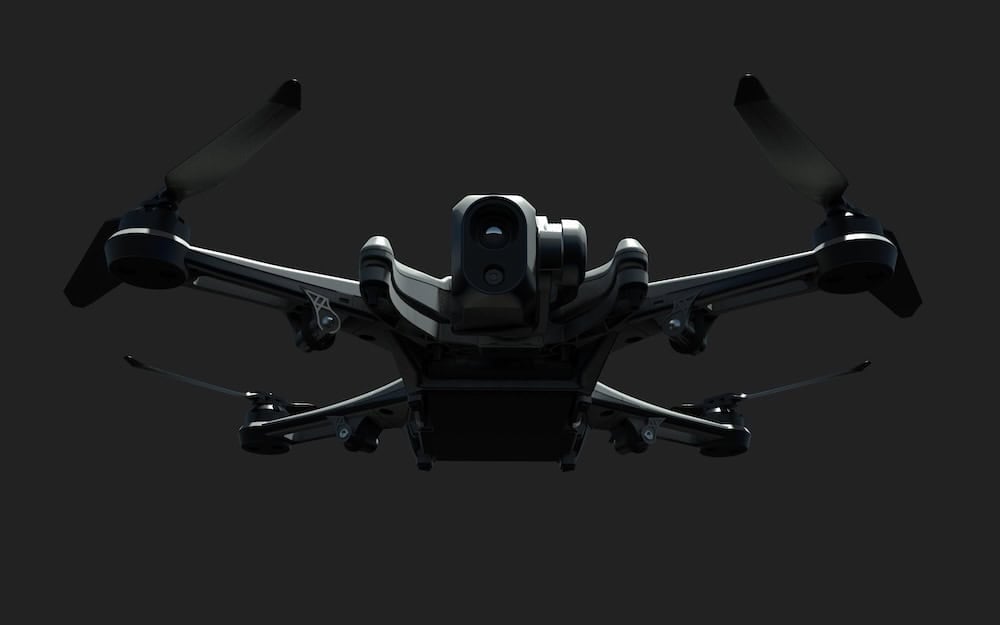
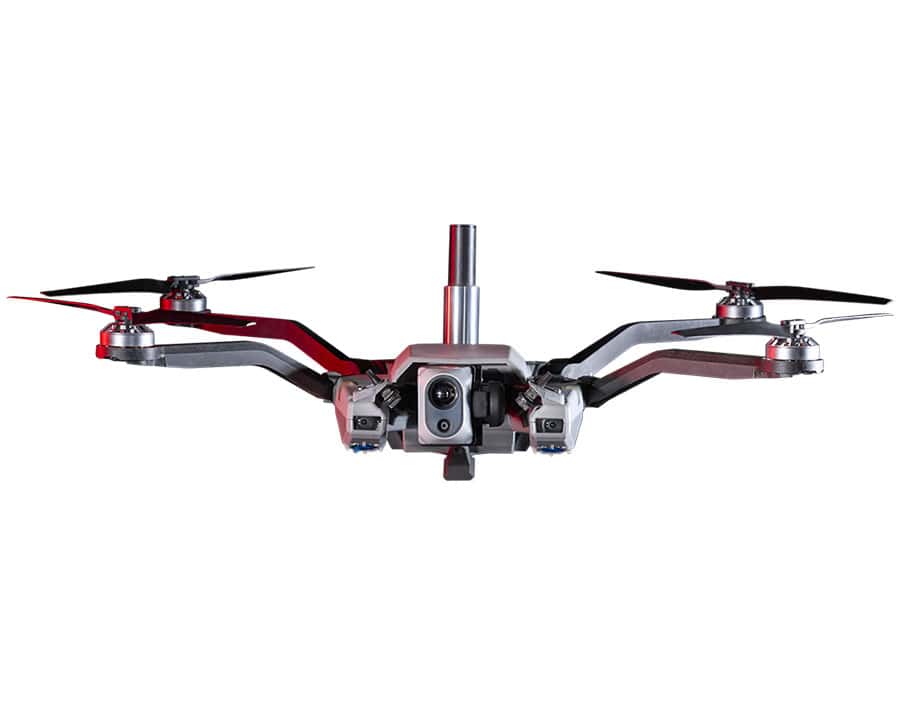
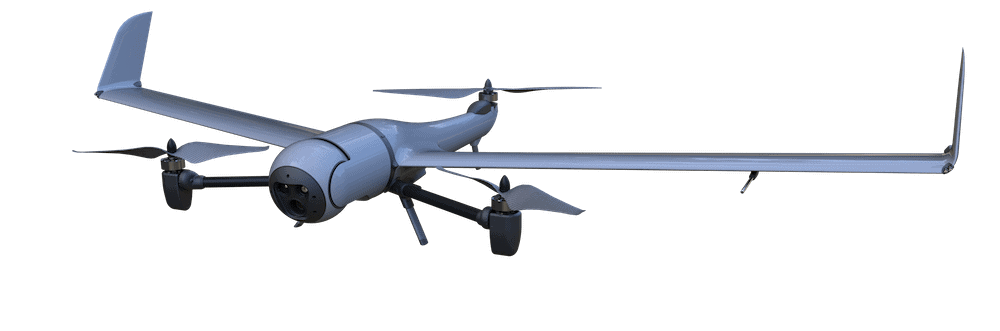
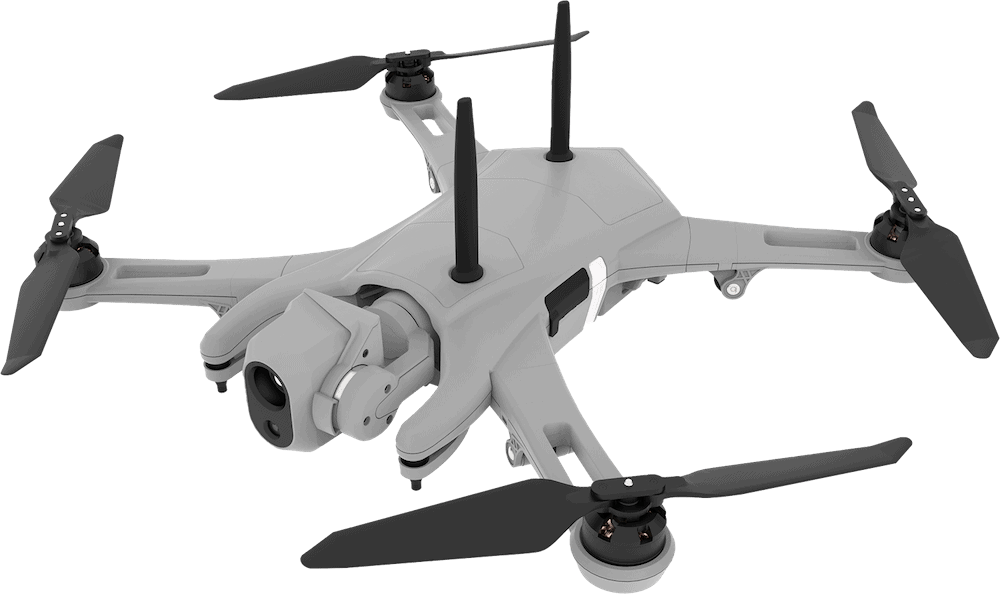
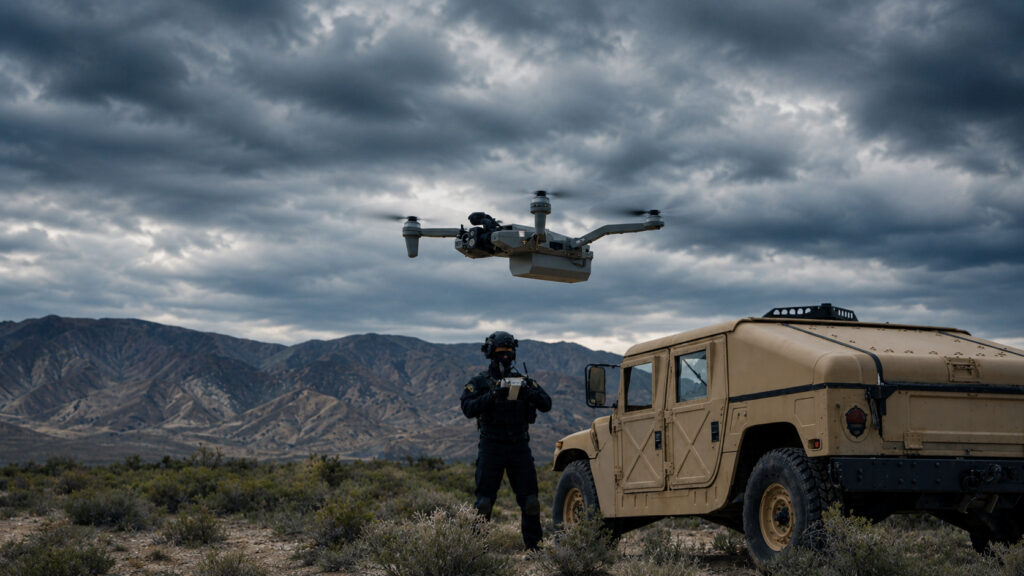
By joining the Futures Initiative, Apium will collaborate with Red Cat to integrate its swarm-enabled autonomy across Red Cat’s Family of Systems, led by the Black Widow™ platform. Apium’s technology is autopilot-agnostic, compatible with PX4, ArduPilot, and other widely used control systems, enabling rapid integration with both current and next-generation unmanned assets.
Tyler MacCready, Founder and Chief Scientist at Apium, stated, “One to Many swarming is the future of autonomous warfare. However, there needs to be a balance between autonomy and operator accessibility to ensure effectiveness. Our technology allows full swarm capability to be added to existing ‘off the shelf’ multi-domain UxS enabling a single operator to launch, command, and adapt swarms in real time without complex pre-mission planning or centralized control. Partnering with Red Cat and joining the Futures Initiative enables us to deliver that capability at the tactical edge.”
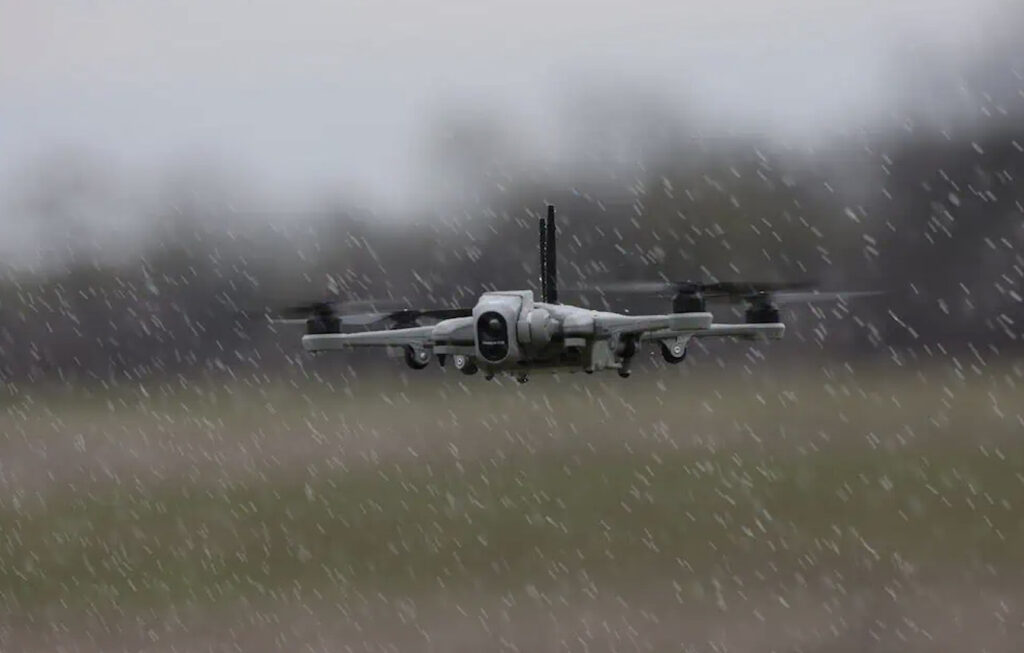
This new collaboration follows successful integration of Apium’s technology onto Red Cat’s Teal 2 drone, allowing the drones to autonomously perform multi-agent missions at the Army’s ACM-UAS Industry Day at Fort Rucker, Alabama. The demonstration highlighted the value of decentralized, scalable drone swarming for modern military operations.
Apium’s Scalable & Resilient Swarm Autonomy
The scalability of Apium’s system stems from transferring swarm intelligence from a centralized ground station to the drones. This distributed approach enables each drone to make independent decisions in coordination with nearby vehicles, eliminating the need for constant uplink or ground control.
By removing single points of failure, the swarm can continue operating even if individual drones are lost or ground station communication links are disrupted. The system has also proven resilient under conditions of jamming or signal interference.
Operators can access a wide range of behaviors from Apium’s Swarm Library through an intuitive control interface. These behaviors range from basic actions such as orbiting a target to fully autonomous, coordinated missions.
Behaviors can be modified at any stage, even after launch. Individual drones can also join or leave the swarm mid-mission, allowing temporary reassignment for direct control, sensor operations, or kinetic tasks before seamlessly reintegrating with the group.
Jason Gunter, Director of Special Programs at Red Cat and head of the Futures Initiative, commented, “Apium’s system brings distributed drone swarming out of the lab and onto the battlefield. They’ve proven that you can run adaptive, resilient swarming behaviors with minimal operator burden and without constant connectivity or centralized control. This is a major leap forward for tactical autonomy and the exact capability our warfighters need in complex, contested environments.”