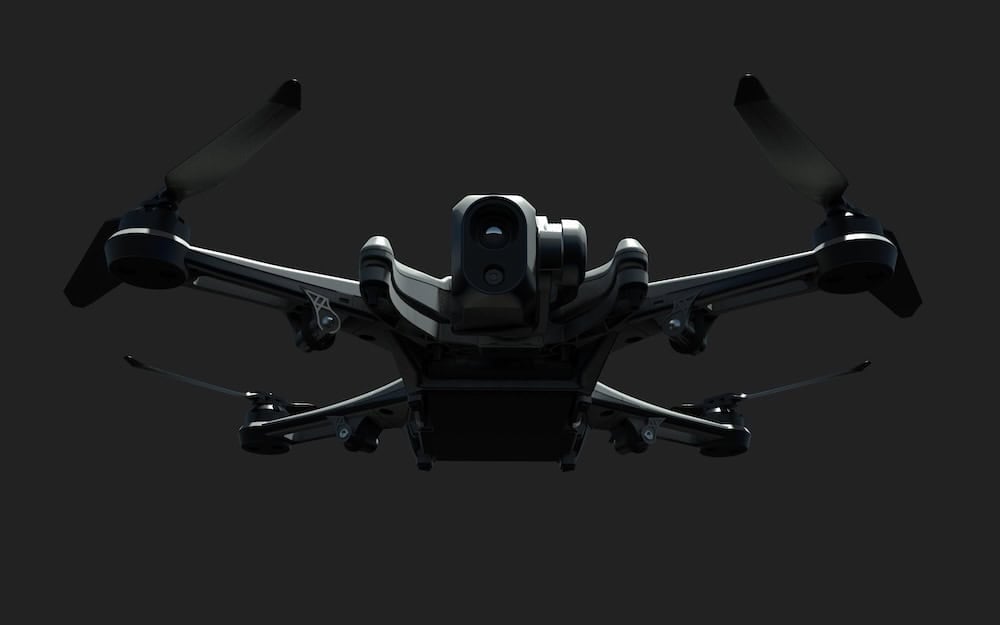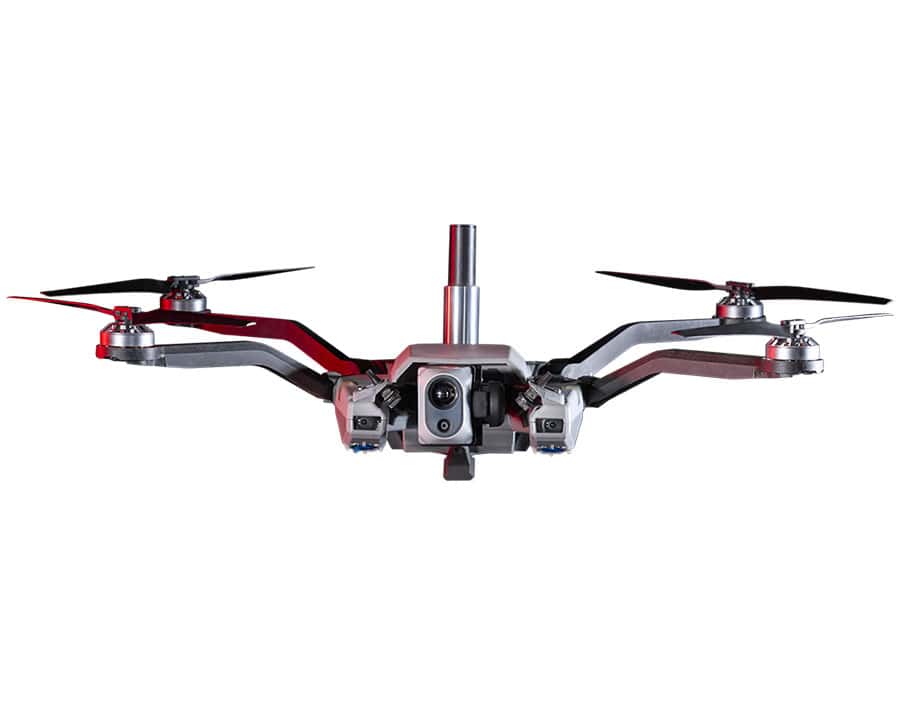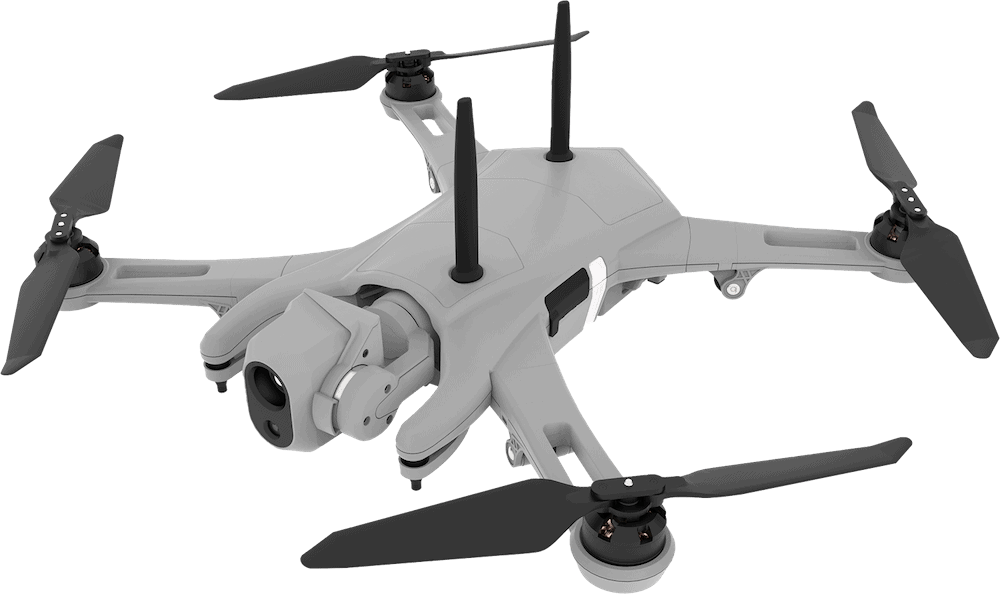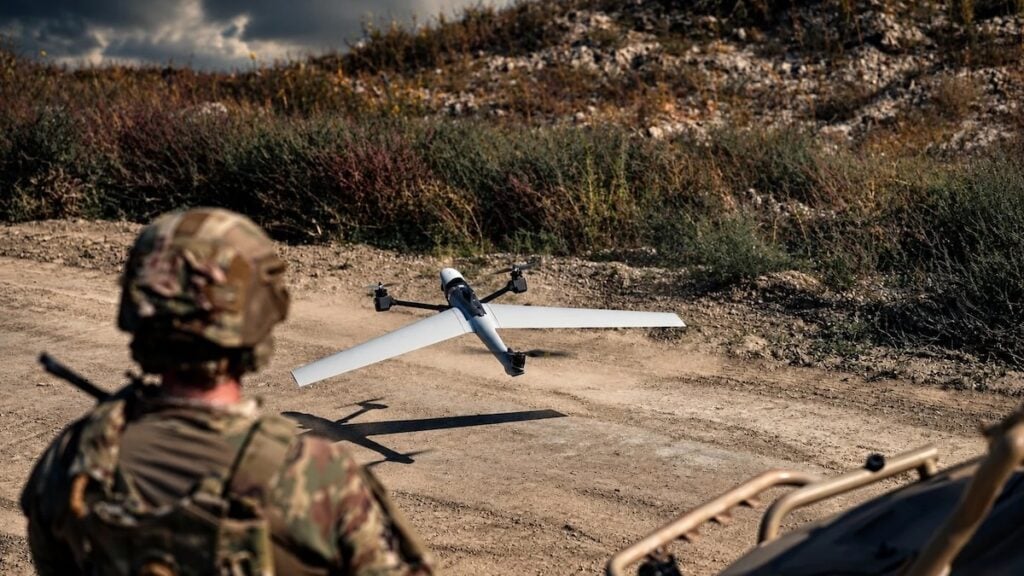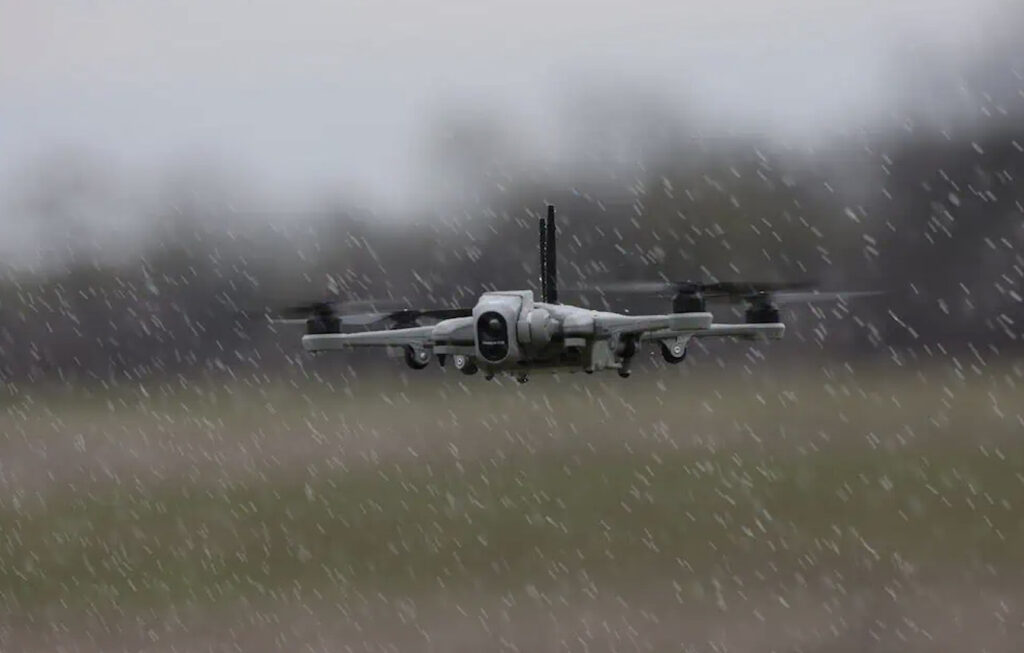



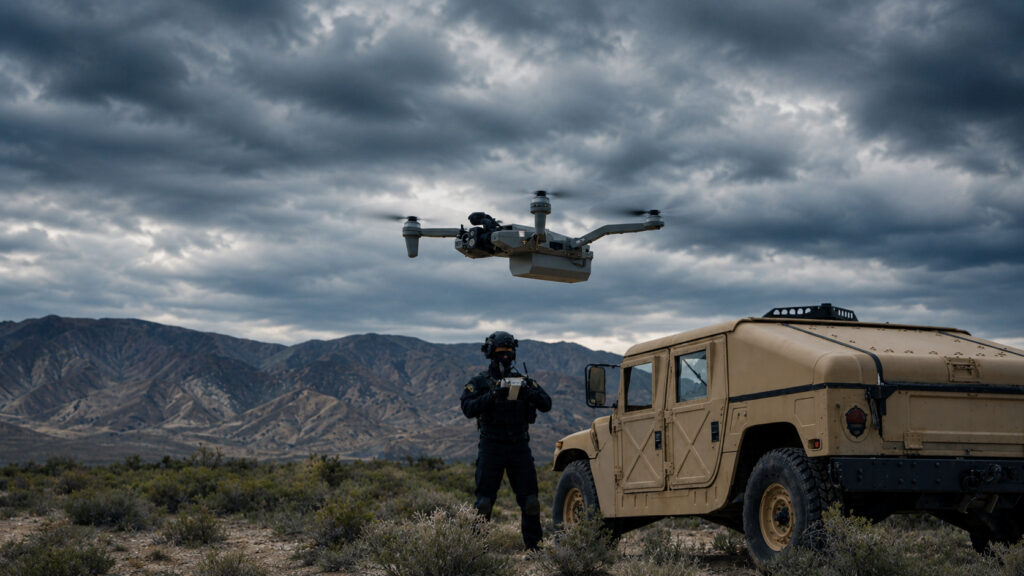
Red Cat Holdings has introduced Hellcat, a dual-use small Unmanned Aircraft System (sUAS) built on the company’s proven Black Widow platform for rapidly evolving operational environments.
The system was introduced in conjunction with Eurosatory 2026, where defense leaders, government buyers, and industry partners from Europe and allied nations are evaluating current and future capabilities, including s-UAS, contested-environment operations, and interoperable systems.
Hellcat has been developed to support customer-driven configurations, faster integration cycles, and software-defined updates as mission requirements change. The platform extends Red Cat’s s-UAS architecture to a broader global mission set, supporting coalition partners and customers with different command-and-control preferences, payload requirements, and integration pathways.
The aircraft is designed around Modular Open Systems Architecture principles, enabling customers to configure command-and-control, payload, software, and integration options according to operational needs. Red Cat said the platform is intended to support a wide range of customer requirements, including differing government procurement frameworks, coalition interoperability needs, and mission-specific software environments.
Hellcat incorporates extensive feedback gathered directly from warfighters in the field, as well as lessons learned through Red Cat’s ongoing partnership with Ukraine.
Jeff Thompson, Chief Executive Officer of Red Cat, commented, “Black Widow was purpose-built to meet the rigorous requirements of the U.S. Army’s Short Range Reconnaissance program, and it remains a cornerstone of our small UAS leadership. For the development of this new platform, it’s been an ongoing honor to work side by side with Ukrainian drone experts in theater, continuously transforming our ISR drones to meet the ever-evolving demands of the battlefield.”
Thompson, added, “Small UAS programs need to keep pace with how operators are using them in the field. Hellcat reflects Red Cat’s approach to working directly with warfighters, incorporating feedback from operational environments, and folding those lessons back into the platform so users can adapt as the mission changes.”
Hellcat’s baseline configuration includes GPS-denied operation from power-on, RTH Azimuth recovery without GPS, WEB Standoff Radio support, a low-visibility tactical finish, and a rucksack-portable, field-repairable design. The aircraft provides more than 50 minutes of flight time and up to 6.8 miles, or 11 kilometers, of range with maintained operator line-of-sight. It is also available with Red Cat’s Ocellus 3CP three-camera payload option.
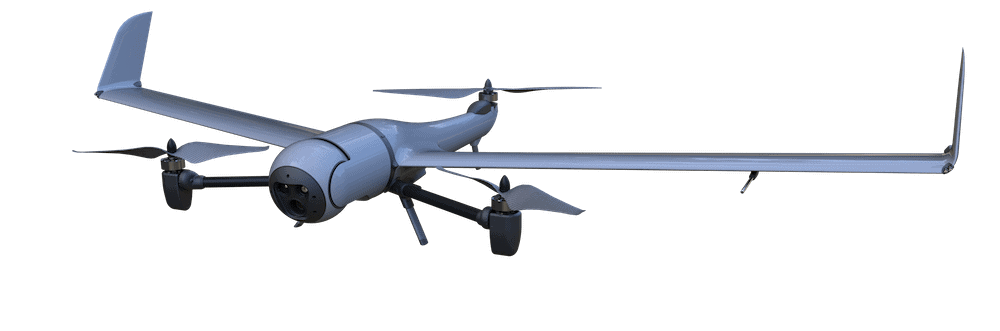
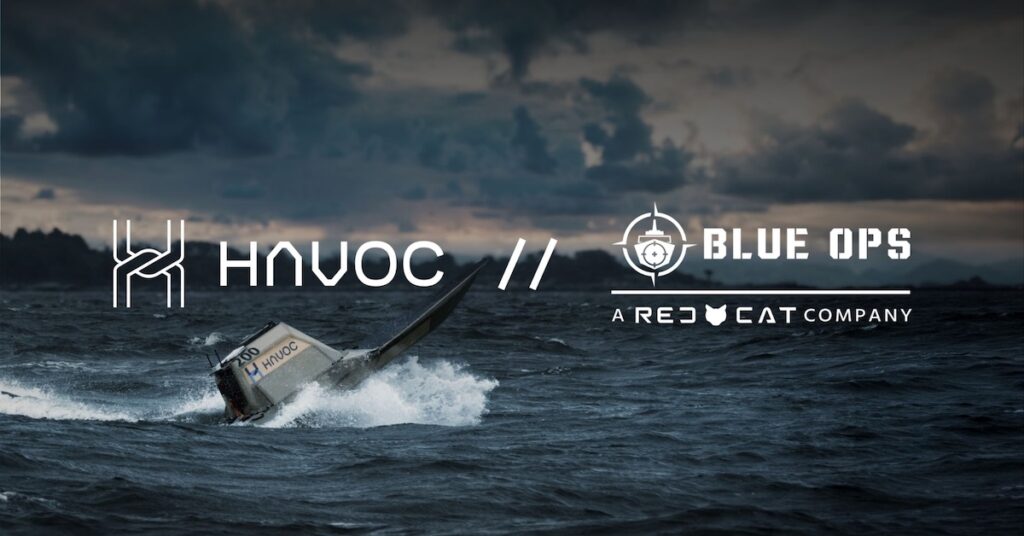
The system joins Red Cat’s wider Family of Systems, which includes Black Widow, FlightWave Edge 130, FANG, the Blue Ops Variant 7 Uncrewed Surface Vessel, and command-and-control and autonomy capabilities across air, land, and sea.
According to Red Cat, these systems support its strategy to deliver trusted U.S. and allied robotic solutions designed to improve situational awareness, operational effectiveness, and mission safety for defense and national security customers.