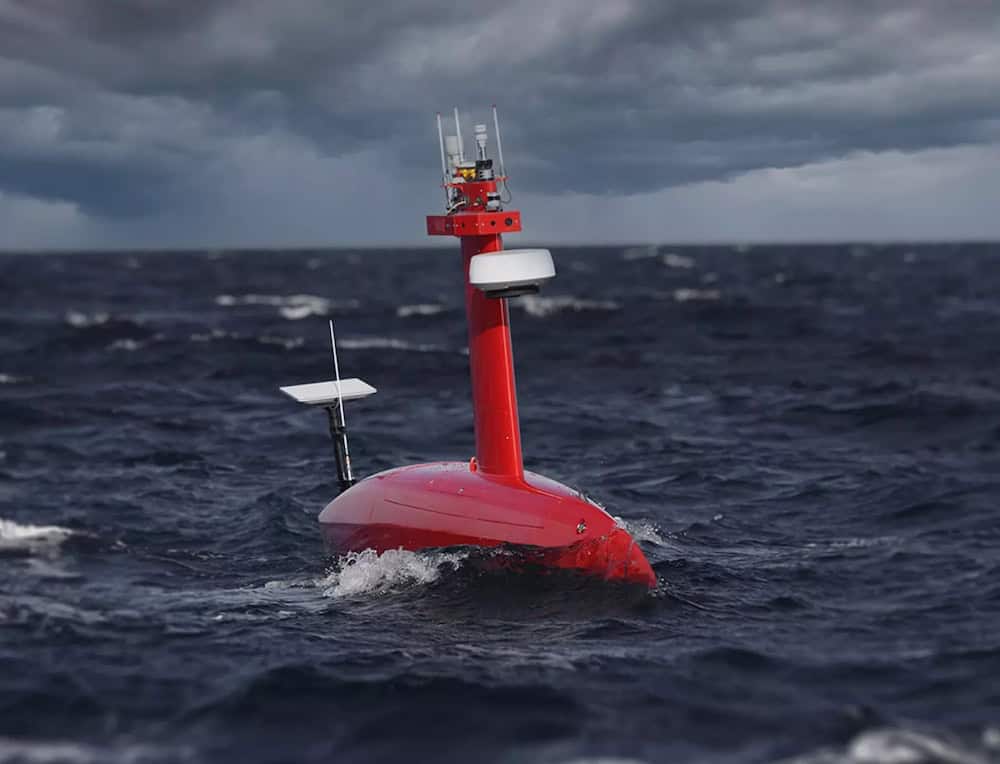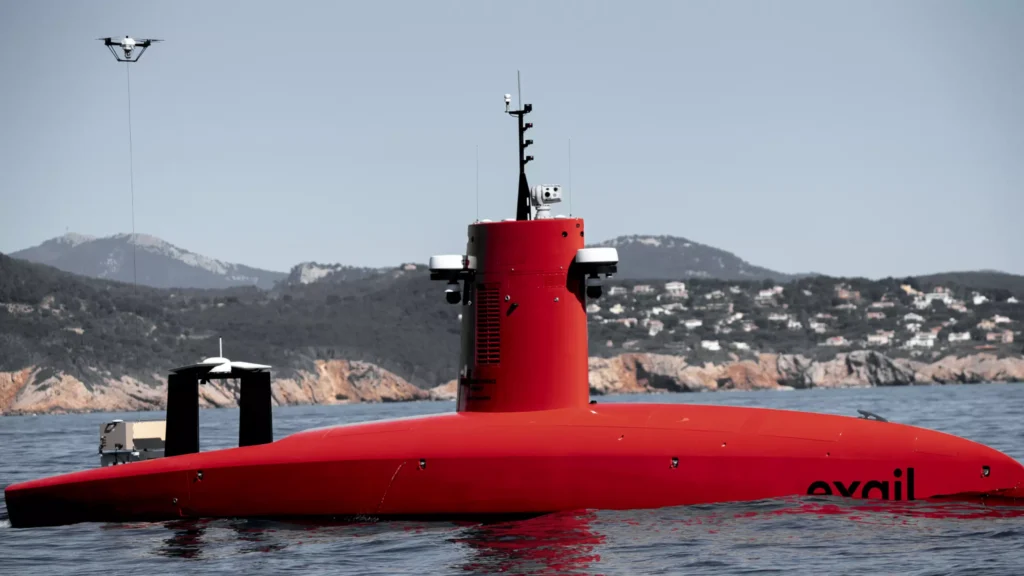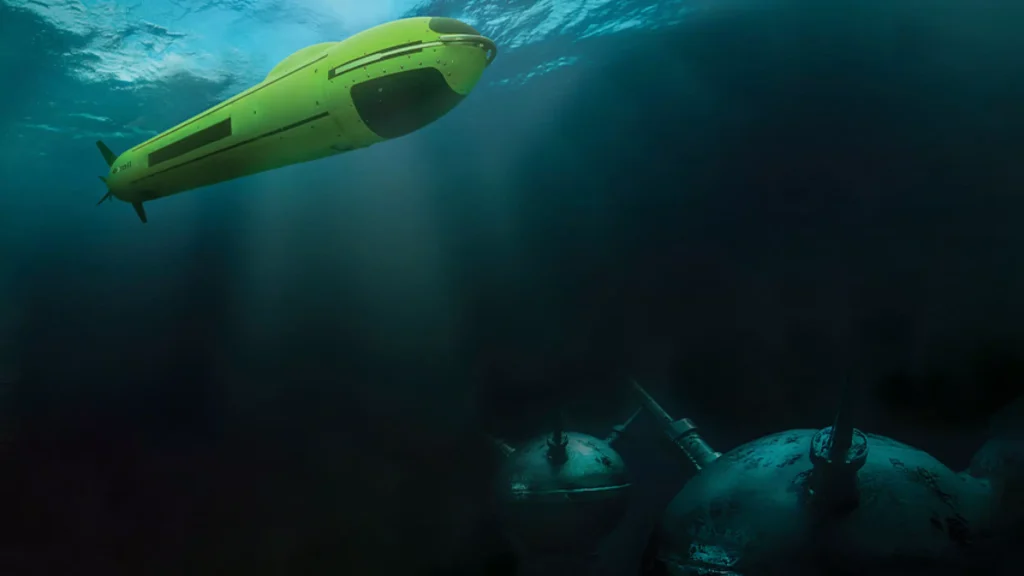

Exail’s DriX O-16 Uncrewed Surface Vehicle (USV) has completed an autonomous 1,100-nautical-mile transit, a journey described as a world first by the company.
The 16-meter platform traveled from La Ciotat in France to Troia in Portugal over six days, without making any port calls. The vessel was en route to join NATO’s REPMUS 2025 exercise.
The USV navigated through the Strait of Gibraltar, one of the world’s busiest maritime passages, while being operated in a supervised autonomous mode from Exail’s Remote Operation Center (ROC) in La Ciotat. The mission served as a demonstration of the vessel’s endurance, situational awareness, and capacity for decision-making in high-traffic areas.
Sébastien Grall, Head of Maritime Autonomy Solutions at Exail, stated, “With this unprecedented long-range transit, Exail’s DriX O-16 shows that large USVs are now an operational reality. As the first uncrewed platform to successfully execute such a mission, it sets a new benchmark in surface autonomy—safe, reliable, and mission-ready.”
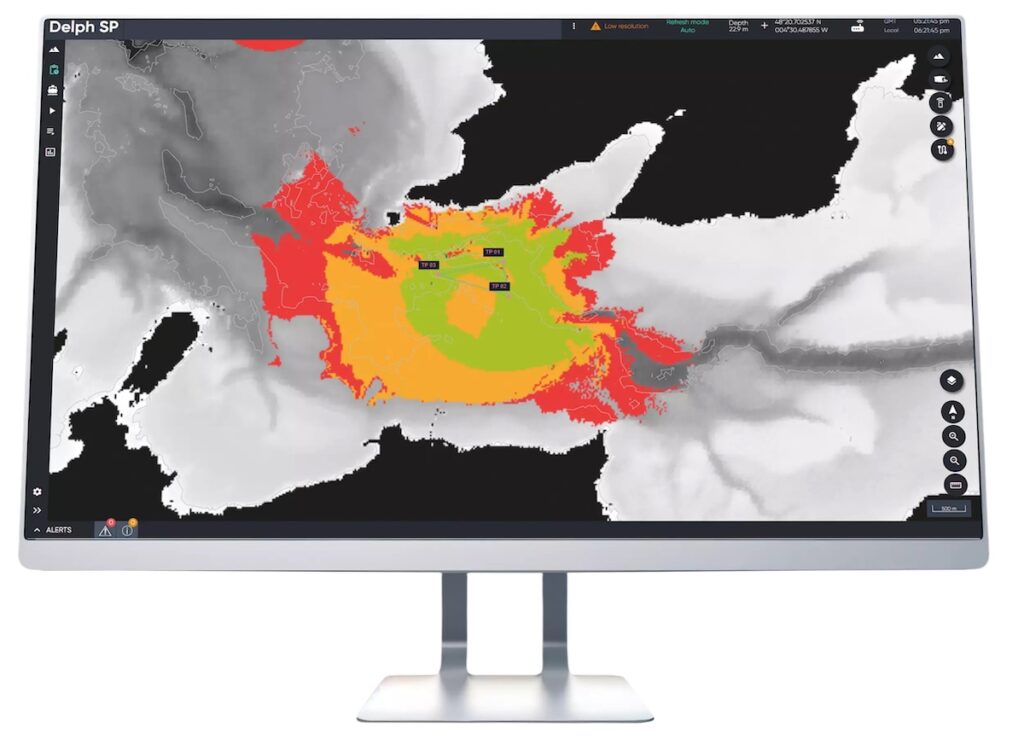
Beyond the transit itself, the mission also provided concrete proof that large USVs can be remotely supervised across open waters and constrained sea lanes and arrive ready for deployment without extensive logistical support. During the voyage, the DriX O-16 also conducted seabed mapping operations using a Kongsberg EM304 multibeam echosounder, further showcasing its ability to collect valuable data while underway.