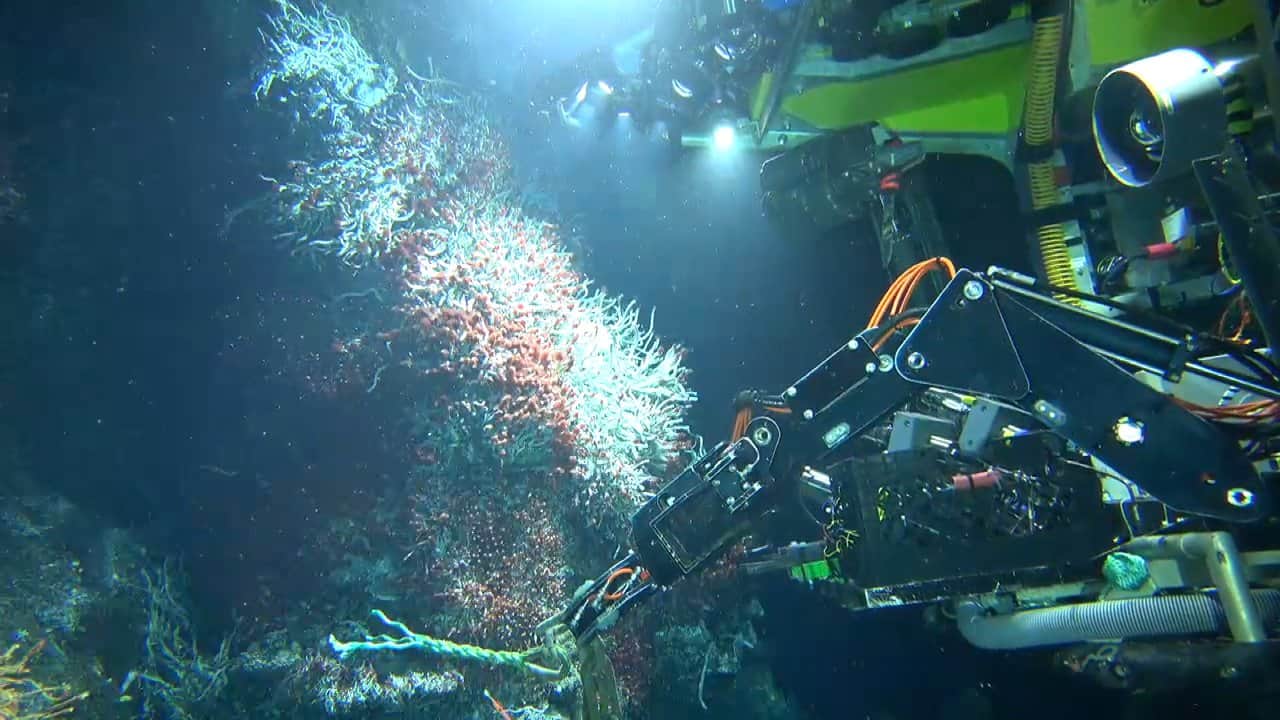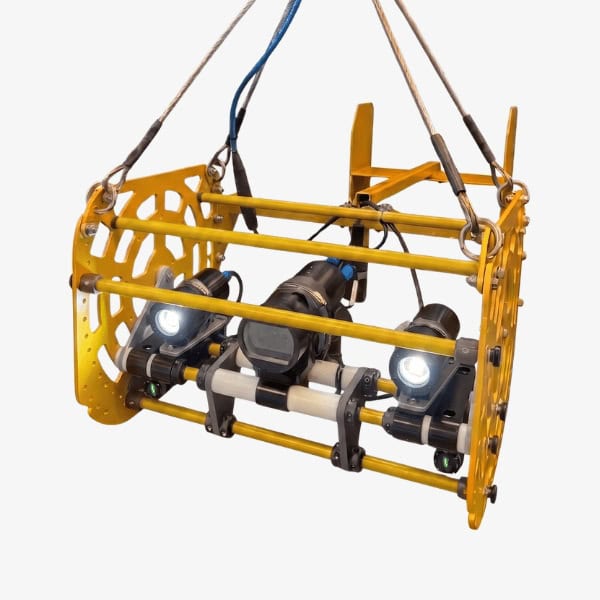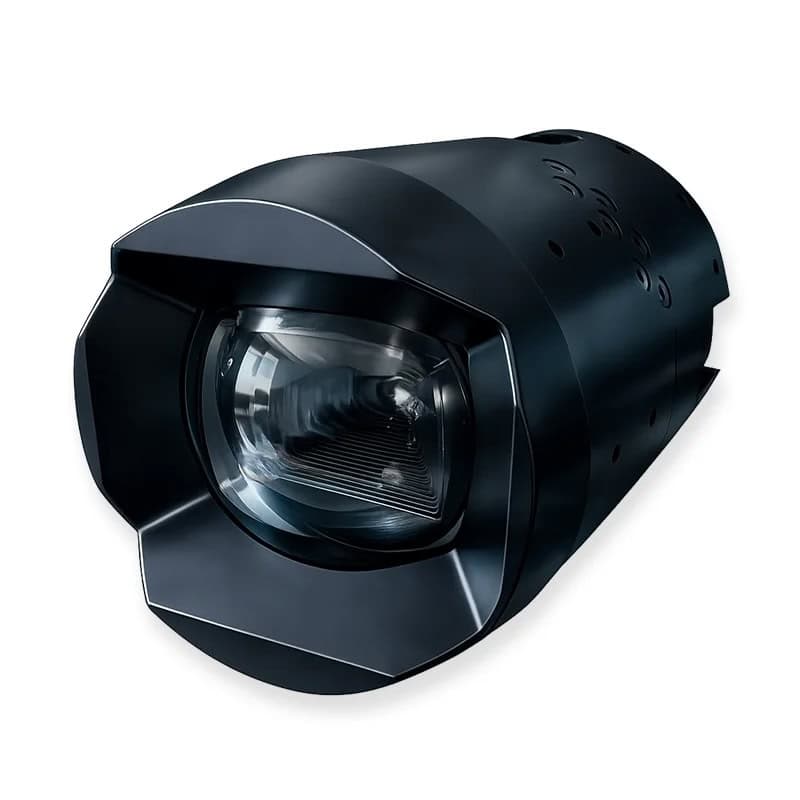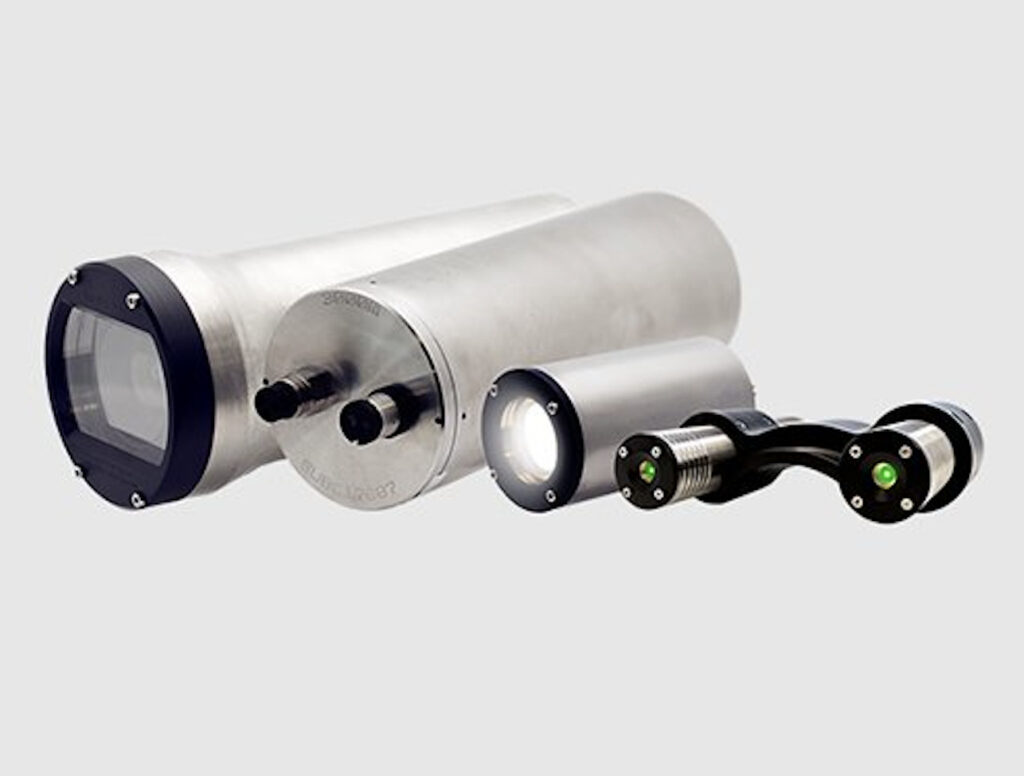
SubC Imaging’s underwater lasers are a vital tool for subsea imaging, and this guide answers frequently asked questions about their use in ROV surveys, 3D modeling, pipeline inspections, and marine research.
Lasers act like an “underwater ruler,” providing visual references to determine object scale, measure distances, and analyze structures or marine life.
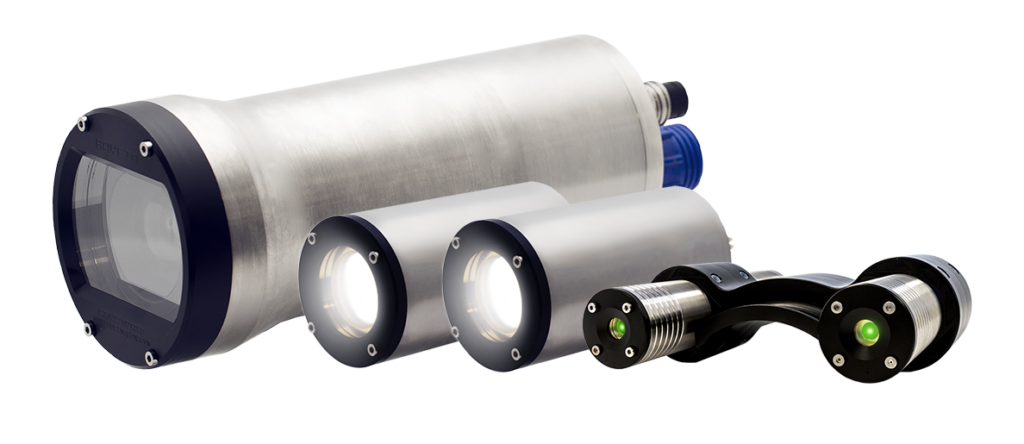
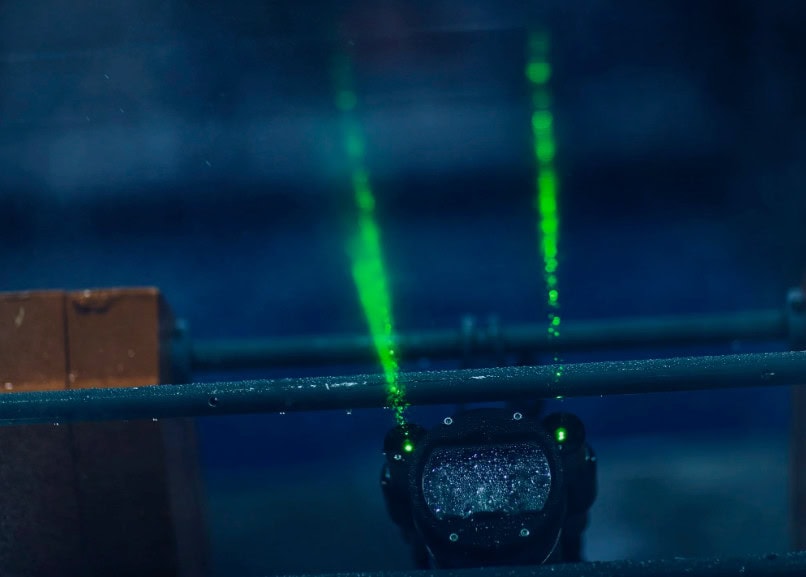
SubC Imaging covers the main types of lasers used underwater: parallel dot, line, and grid lasers. Parallel dot lasers, like SubC’s MantaRay, project two green dots to give scale and distance, ideal for vertical seafloor imaging. Line lasers, such as the Skate Mk2, create precise data for 3D modeling, metrology, and habitat mapping. Grid lasers project hundreds of points for complex geometry and detailed measurements.
The article also explains how lasers attach to cameras, optimal wavelengths for underwater visibility (typically 520nm green), and depth ratings, SubC lasers are rated to 6,000m in titanium and sapphire housings. Readers will also find information on lifespan, with the MantaRay laser rated for 40,000 hours, and shipping considerations for regulated international transport.
These FAQs provide a comprehensive overview of how underwater lasers support accurate, reliable subsea imaging across marine research and offshore inspection applications.