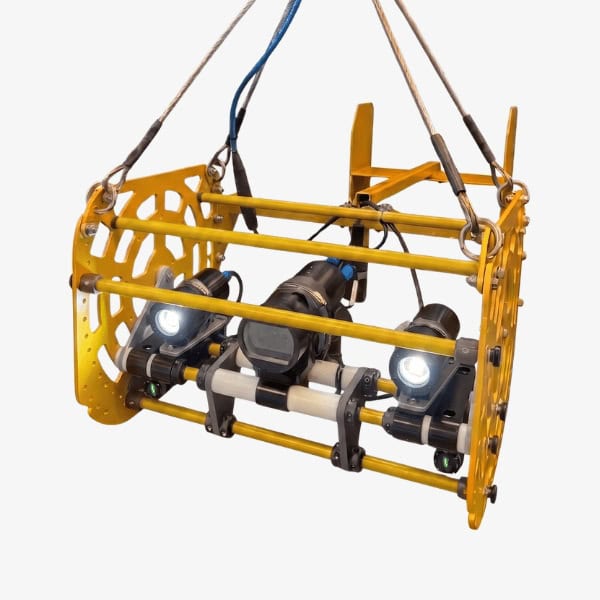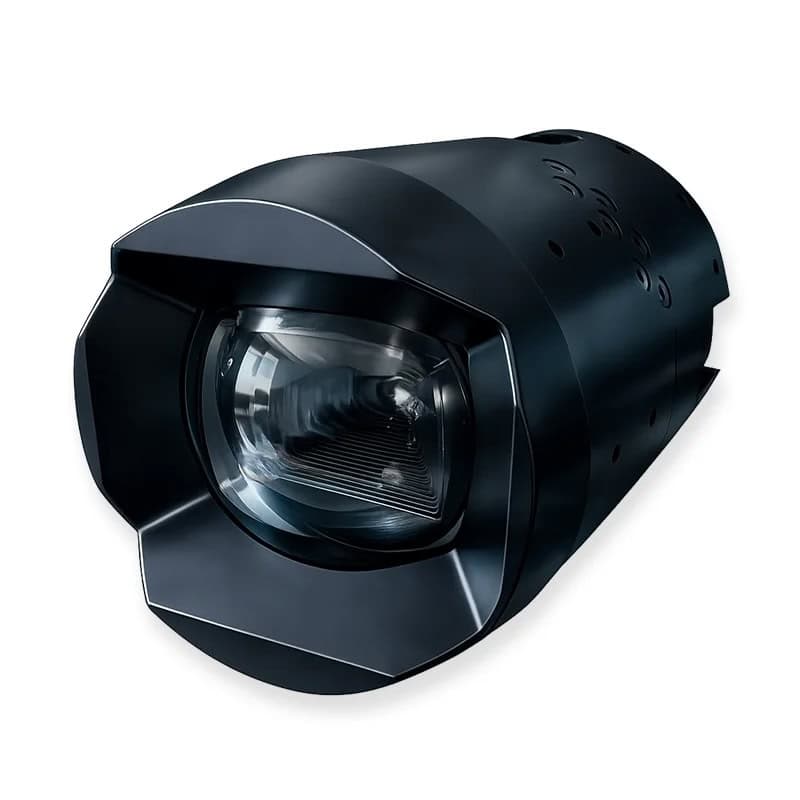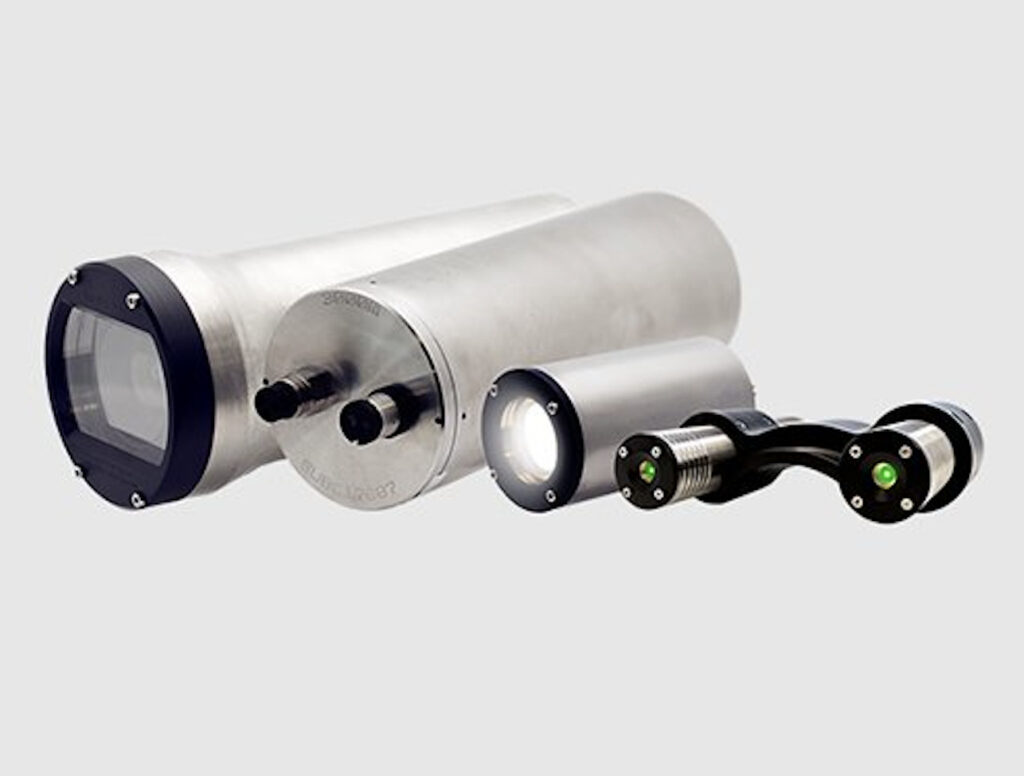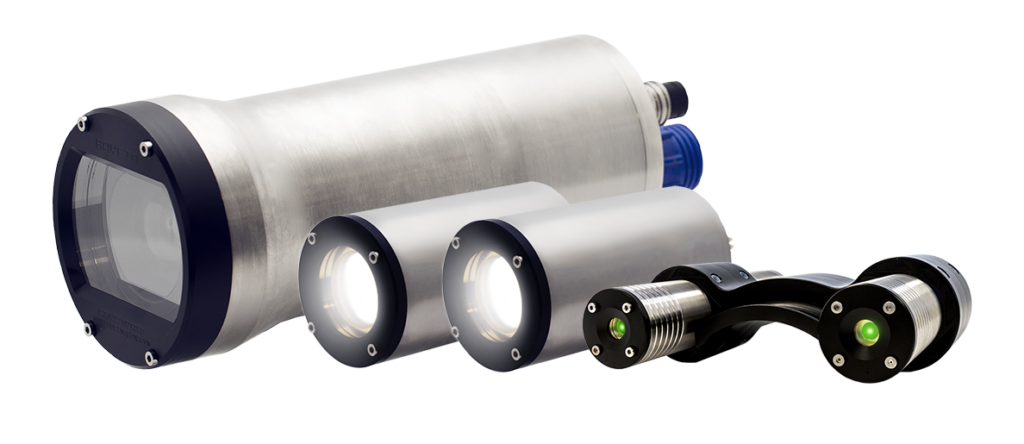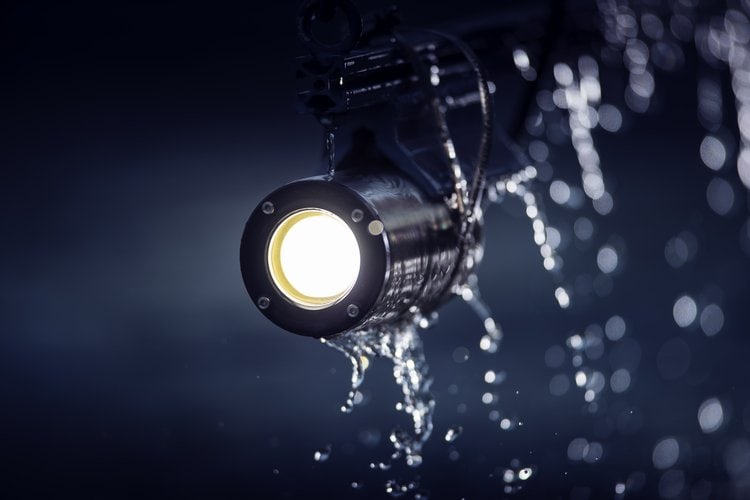
SubC Imaging examines the critical role of subsea lighting in underwater imaging, surveys, research, exploration, and inspections, alongside the importance of two key performance metrics: lumens and lux.
High-Output Subsea Lighting: SubC Imaging’s Role
SubC Imaging produces subsea LED lights that emit up to 32,000 lumens, far exceeding the approximately 800 lumens of a standard 60-watt household LED bulb. These high-lumen outputs are well suited for applications that demand strong illumination at significant depths.
Defining Brightness and Illumination: Lumens vs. Lux.
 Lumens
Lumens measure the total amount of visible light emitted from a source, regardless of direction. In subsea environments, higher lumens typically result in brighter, more vivid imagery and video.
Lux
Lux measures the amount of visible light that reaches a surface. Unlike lumens, lux is influenced by both the total light and the direction in which it is emitted. This makes light placement and beam orientation important for achieving effective illumination of specific areas or subjects underwater.
Key Factors That Influence Lux in Subsea Settings:
- Water Clarity: Murky or sediment-rich water reduces visible light transmission, requiring higher lux values for effective lighting compared to clear conditions.
- Depth: Lux levels decrease as depth increases due to light absorption by water. Understanding this relationship is essential for designing effective subsea lighting.
- Beam Angle: The beam angle of a light source affects how widely the light spreads. Selecting an appropriate beam angle helps ensure sufficient lux over the target area.
Measuring Lux in Practice
Lux is defined as one lumen per square meter (lux = lumens/m²). Measuring lux can be subjective, as it depends on factors like the surface the light is hitting. Manufacturer lux specifications can vary depending on the methods used. As a point of reference, ambient light from a full moon on a clear night typically ranges from 0.05 to 0.3 lux.
Comparing and Connecting the Metrics
Lux and lumens offer different but related insights into lighting performance. Lumens measure total light output, while lux focuses on how much of that light illuminates a specific surface. In subsea lighting, both are important, lumens provide an overall indication of brightness, while lux reflects how effectively the light is applied to a particular area.
Selecting Suitable Subsea LEDs and ROV Lights
Choosing subsea LED and ROV lights with appropriate lux and lumen specifications is essential for achieving high-quality results in underwater imaging. SubC Imaging’s high-lumen LEDs are a reliable option for professionals working in marine research, offshore industries, and underwater cinematography.
Conclusion
A clear understanding of lumens and lux is vital for anyone working with subsea LED or ROV lighting. These metrics help guide the selection of suitable lighting systems and ensure effective performance across a range of underwater applications.