Cerulean Sonar’s imaging sonar technology helped Banergy conduct underwater search and recovery operations in challenging Indian river environments where strong currents, suspended sediment, debris, and near-zero visibility often prevented conventional optical systems from operating effectively.
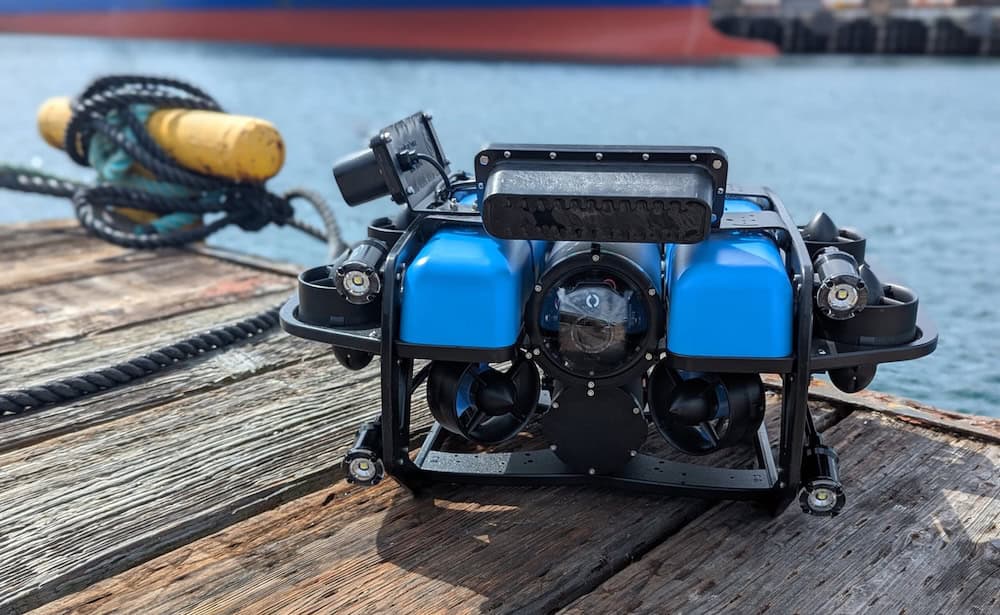
 Originally founded to improve access to marine robotics components and technical support in India, Banergy shifted toward disaster response applications following severe flooding and water-related incidents in 2024 that exposed the limitations of traditional diver-led search operations. The company integrated Cerulean sonar systems into its Remotely Operated Vehicle (ROV) platforms to support underwater detection and recovery in turbulent inland waterways.
“Cameras don’t work here. Optics will not work. Sonar was our bet,” commented Swarnab Banerjee.
Sonar Operations in Low-Visibility Rivers
Banergy’s deployments focused on rivers such as the Ganga, where optical visibility could fall to only a few centimeters due to heavy silt and suspended debris. Tidal turbulence, changing currents, and flood conditions created additional challenges for underwater operations, affecting both vehicle stability and sonar imaging performance.
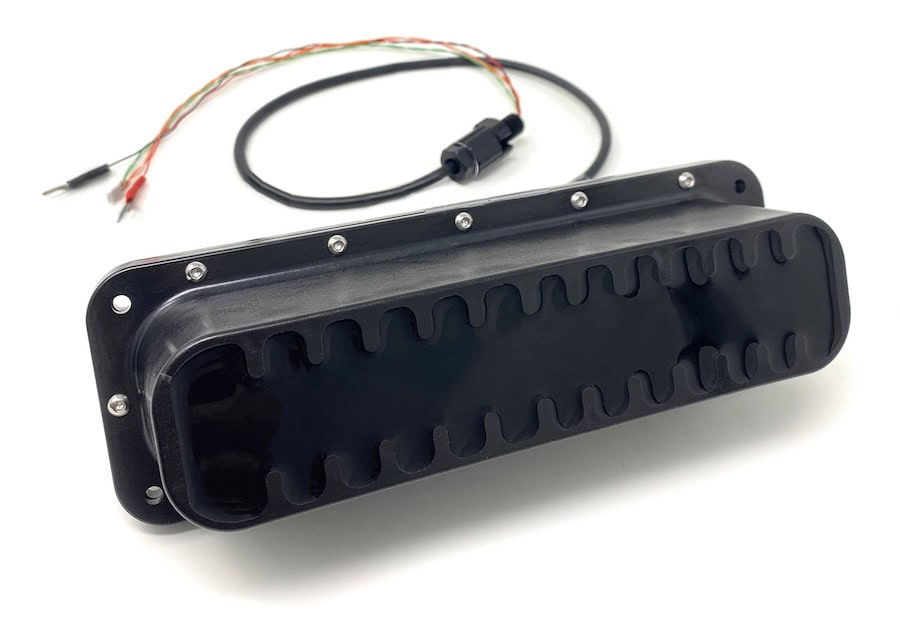
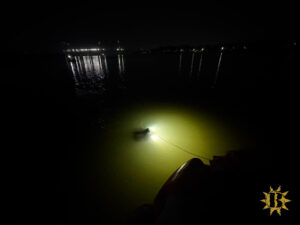 To improve operation in these conditions, Banergy modified its ROV platforms for greater stability in turbulent water before integrating Cerulean forward-looking sonar systems for acoustic imaging and target detection.
According to Banergy, affordability was also a major operational factor. Many disaster management organizations operated within constrained budgets, limiting the practicality of deploying high-end multibeam sonar systems at scale. Cerulean’s sonar technology provided a combination of imaging capability and deployment cost that aligned with the company’s operational requirements.
“We are not going to be able to control the environment, so we might as well take a bet on the technology,” added Swarnab Banerjee.
Integrated Search and Recovery Systems
To support field deployment during floods and severe weather conditions, Banergy developed a Surface Command System that combined sonar feeds, camera outputs, telemetry, and inertial measurement data into a unified operator interface. The system used joystick-based controls, while a Meta Quest VR headset recorded both operator activity and ROV feeds for mission review and training purposes.
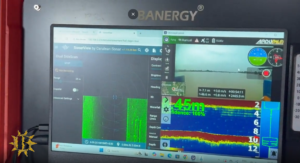
Banergy also developed Centurion, an AI-assisted software platform designed to work alongside Cerulean’s SonarView interface. Rather than replacing the sonar software, Centurion continuously monitored the sonar display and performed object detection in the background while operators focused on navigation and mission execution.
The integrated system reduced operational timelines significantly. Search-and-recovery missions that previously required several days using manual diver search methods were completed in hours while reducing diver exposure to hazardous zero-visibility conditions. Because robotic systems could operate at night and between tidal changes, operations were no longer restricted to limited tidal windows.
Supporting Diver Recovery Operations
Before robotic sonar deployment, recovery operations in tidal rivers often relied on divers conducting manual searches in near-zero visibility conditions during narrow tidal windows. Missions frequently extended across several days.
With Cerulean sonar integrated into Banergy’s systems, some operations that previously required days were completed in hours, while robotic systems continued operating at night and between tidal windows.
During Operation Basanti, Banergy used its Cerulean-equipped system to locate a capsized 30-foot trawler and provide GPS positioning, vessel orientation, and recovery planning data for dive teams.
“For a diver going into zero visibility, this changes everything. Instead of searching blindly, they’re executing a precise plan,” stated Rishav Banerjee.
In another operation, Banergy deployed an ROV fitted with Cerulean sonar to recover a lost sonar device during a thunderstorm in a flooded river environment. The system located the unit, identified its condition, and tracked its drifting 20-meter cable, allowing the recovery to be completed in approximately four and a half hours after initial estimates suggested the operation could require up to 72 hours.
Training and Operational Standardization
Following early deployments, Banergy identified sonar interpretation as a major operational challenge for teams unfamiliar with acoustic imaging in sediment-heavy rivers. To address this, the company developed the Made Under Pressure training program alongside the RoTOPS operational framework to standardize robotic search procedures, sonar interpretation, and deployment methods for disaster response teams.
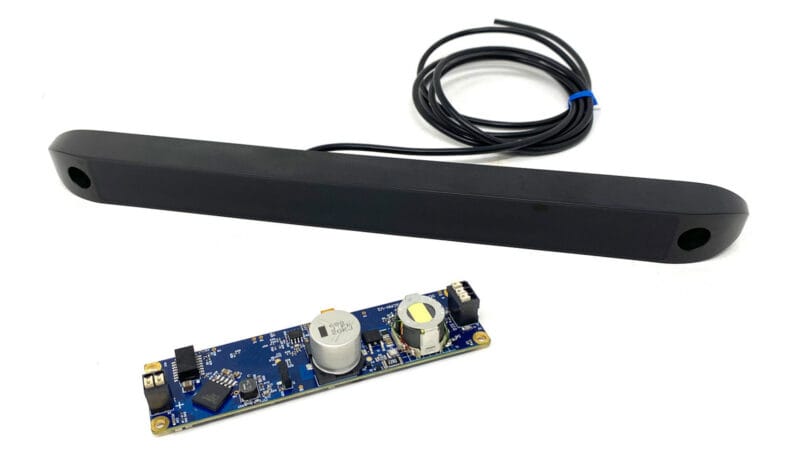
Banergy’s operational model combines unmanned surface vessels equipped with Cerulean side-scan sonar for rapid riverbed mapping, ROVs using Cerulean forward-looking sonar for target investigation, and diver deployment procedures supported by AI-assisted analysis. Each operational layer is designed to reduce uncertainty during missions while improving efficiency and diver safety.
As Banergy expands its disaster response operations, the company views Cerulean’s sonar technology as a central component in developing scalable robotic emergency response systems for deployment throughout India and neighboring regions.