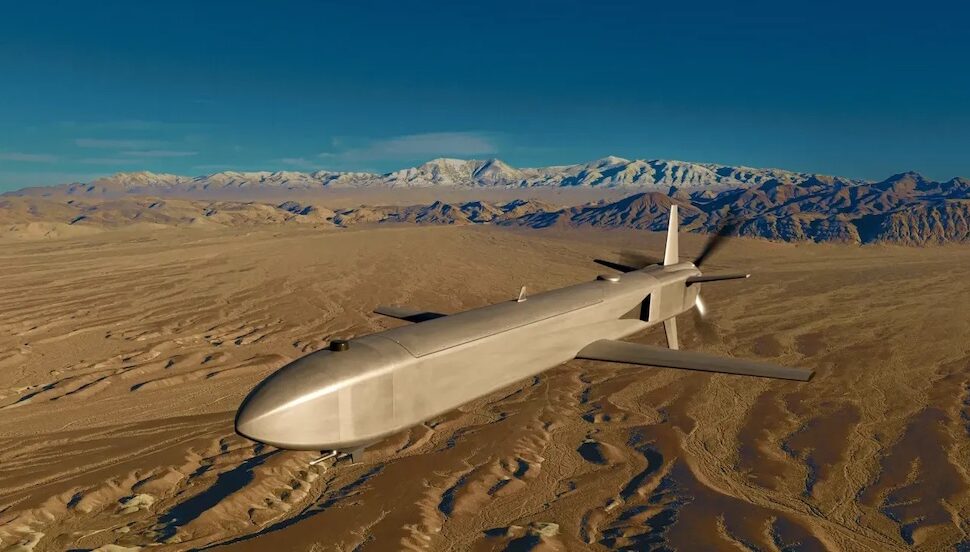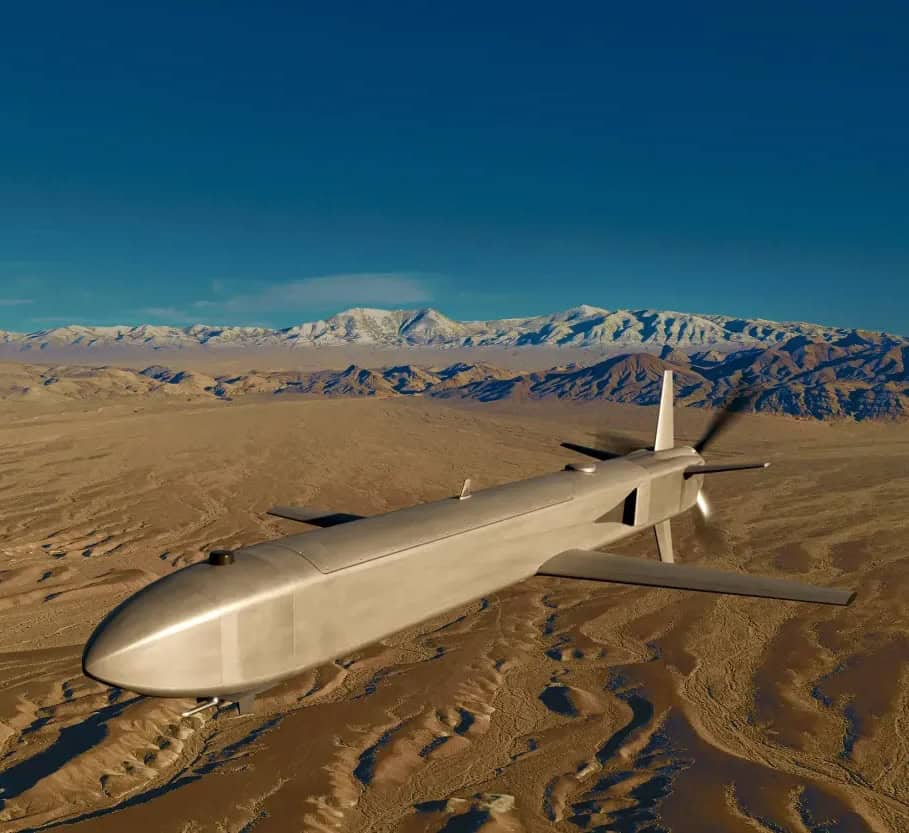

An exclusive interview with Rotron Aerospace highlights the company’s focus at DSEI 2025, emphasizing their advanced propulsion systems and high-performance aircraft platforms.
A Q&A with Founder/CTO Gilo Cardozo covers the showcase of their Defendor Unmanned Combat Aerial Vehicle (UCAV), and the DT-300 VTOL UAV.
Rotron also touches on the company’s broader goals for 2025, including major military trials, production goals, and partnerships.
What are Rotron Aerospace’s specific goals and focus areas at DSEI 2025?
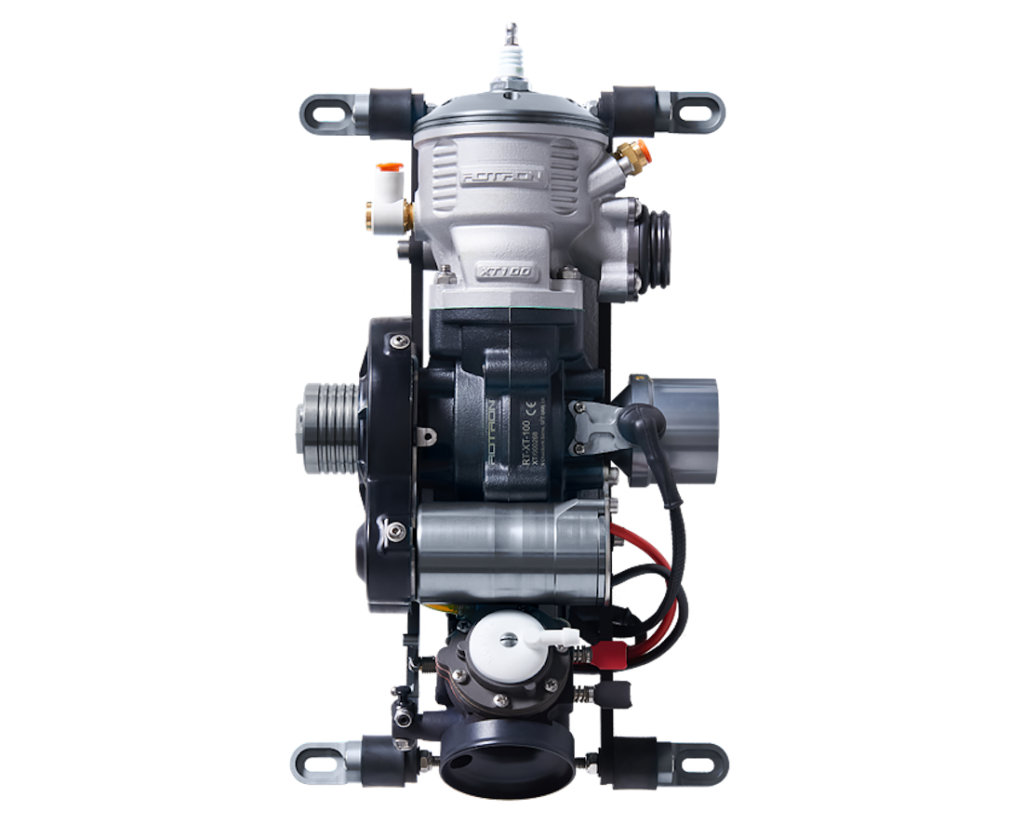
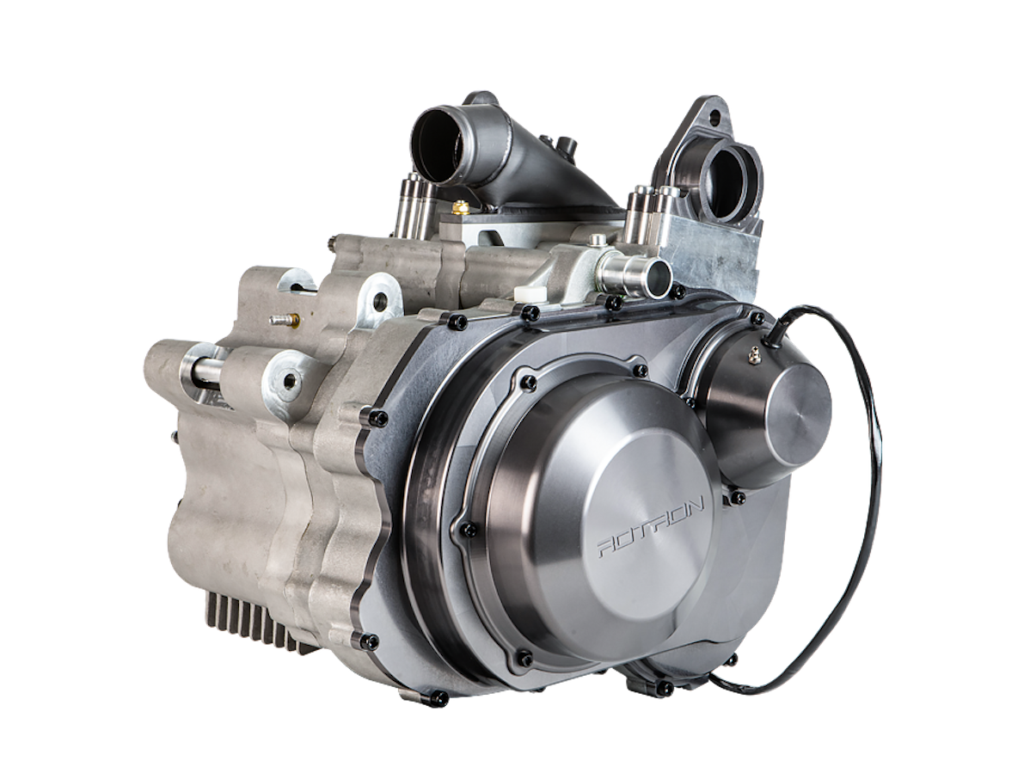
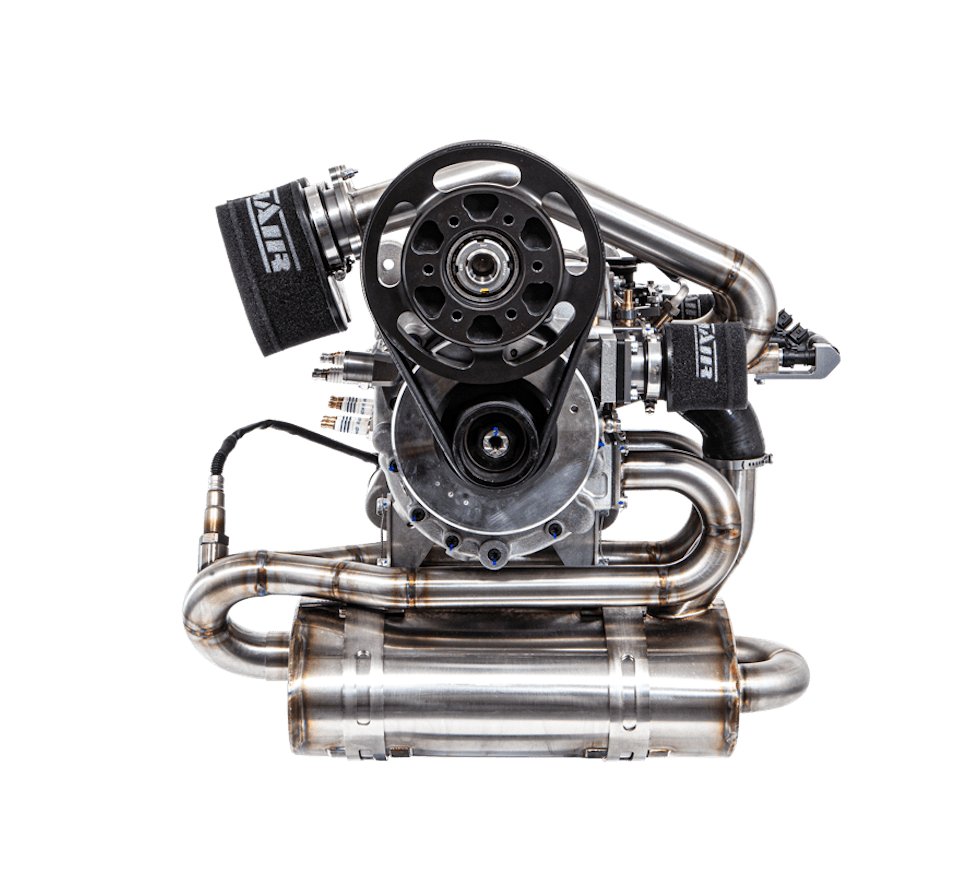
 We wanted to raise awareness of the technology we’ve developed, particularly our long-range propulsion systems. These systems have been at the core of our business for a long time and remain the foundation of our company. While we are propulsion system specialists, we also recognize the importance of building complete platforms to integrate with those systems. We’ve developed aircraft powered by our own engines that outperform competitors in both range and payload. Ultimately, our goal is to show the industry that we’re here and that our systems are highly capable.
I understand one of the systems you’re highlighting at the show is the Defendor? Can you tell me a bit more about that?
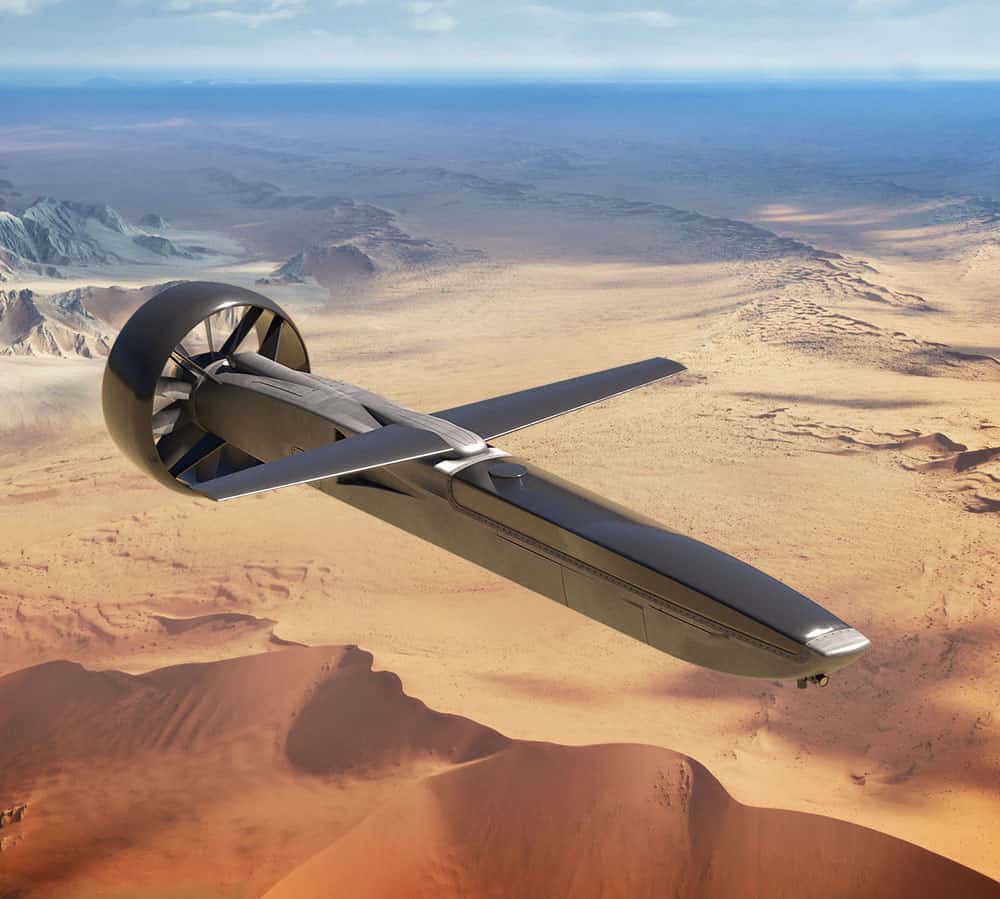
The idea behind this system is essentially a fixed-frame, swivel-wing aircraft capable of carrying up to a 100 kg payload. It’s designed to pack down compactly and launch rapidly with vertical takeoff.
It can operate as a one-way effector or as an unmanned combat vehicle (UCAV) that can return after its mission. Its principal advantage is ease of deployment, vertical take-off without rockets, long-range capability over 1,000 kilometres, and a substantial payload. The model we’re presenting, the Defendor, can carry up to 100 kg, a significant payload for our company. With vertical take-off and this level of capability, there’s virtually nothing comparable in the industry.
Principal development on this platform began earlier this year, but the engine system behind it represents around 16 years of work. We started developing fan drive systems to complement our engines in 2016, putting extensive effort into refining them. Essentially, it’s a turbofan powered by a Rotron engine, combining all the credentials of a conventional turbofan with a unique, proprietary engine design. This technology is Rotron’s proprietary technology and has been 16 years in the making.
How is the DT-300 being represented at DSEI?
Originally, two months ago, this was going to be our main focus. However, with new technology emerging, we now have an additional focus. The DT-300 remains central to our three stands, offering a range of payload capabilities that no one else currently matches.
We have vertical takeoff aircraft in the rotary-wing category, which we cover across three levels of demand, as well as fixed-wing platforms, which we chose to emphasize here to showcase engine performance aligned with fixed-wing capability. These three products represent the core of our portfolio.
We recognize that multirotors have made significant progress and gained traction in the industry. While we’ve worked with quadcopters and multirotors for many years, and even competed against them, we know that they have limitations in payload and range. No one in that category comes close to what the DT-300 can achieve. That’s precisely why we developed it, to outperform competitors in payload and range while remaining in a comparable price bracket. The DT-300 truly operates in a league of its own and is also exceptionally quiet.
Noise is a critical differentiator. Multirotors tend to be inefficient and loud, whereas our system produces a highly proficient acoustic signature, you can barely hear the DT-300 even at full payload from 50 meters away. This, along with other performance metrics, sets it apart from the competition. That’s what Rotron is all about, analyzing industry trends and figuring out how to do it better.
In every facet, the DT-300 excels. It can operate at altitudes up to 16,000 feet, which many competitors cannot match. Although the aircraft is relatively large, its rotor heads provide exceptional lift, power, and range, yet it compacts more efficiently than alternative quadcopters.
Looking beyond DSEI, what are your aims for the rest of the year? And what innovations is the company looking at?
We have some very important trials planned for this year. Towards the end of the year, we’ll be testing a new fixed-wing aircraft at a large military range. Additionally, we’ll be participating in the AUSA show in Washington, D.C., in October.
Our engine systems will also be integrated into an aircraft for a major Korean defense company. We have several significant deliveries lined up for this year.
Most likely, we’ll begin building the first production batch of DT-300 aircraft toward the end of the year, a run of 20 systems. For a small company of around 40 employees, our workload is extremely full, and we’re completely focused on meeting these commitments.