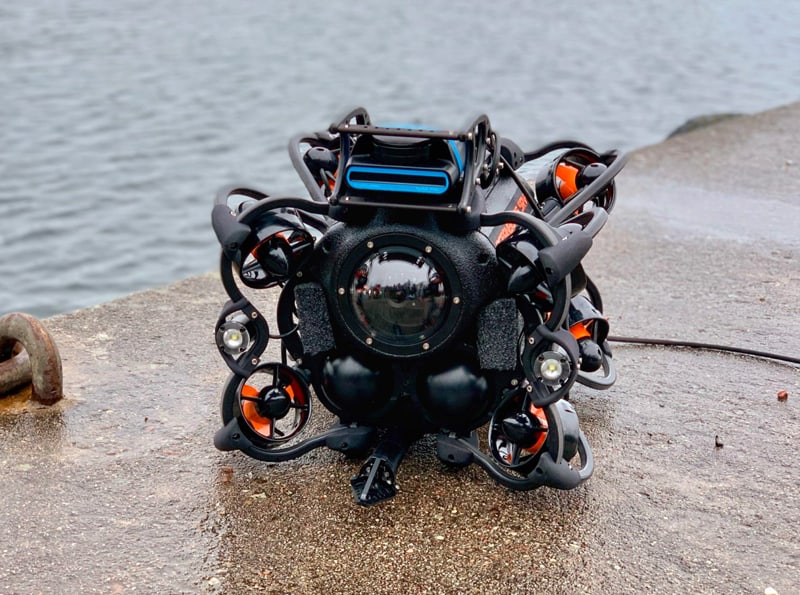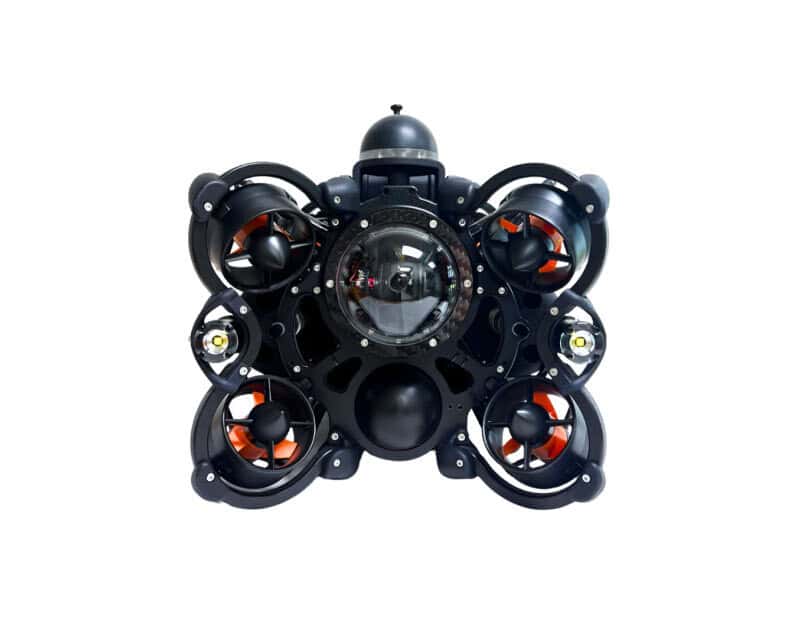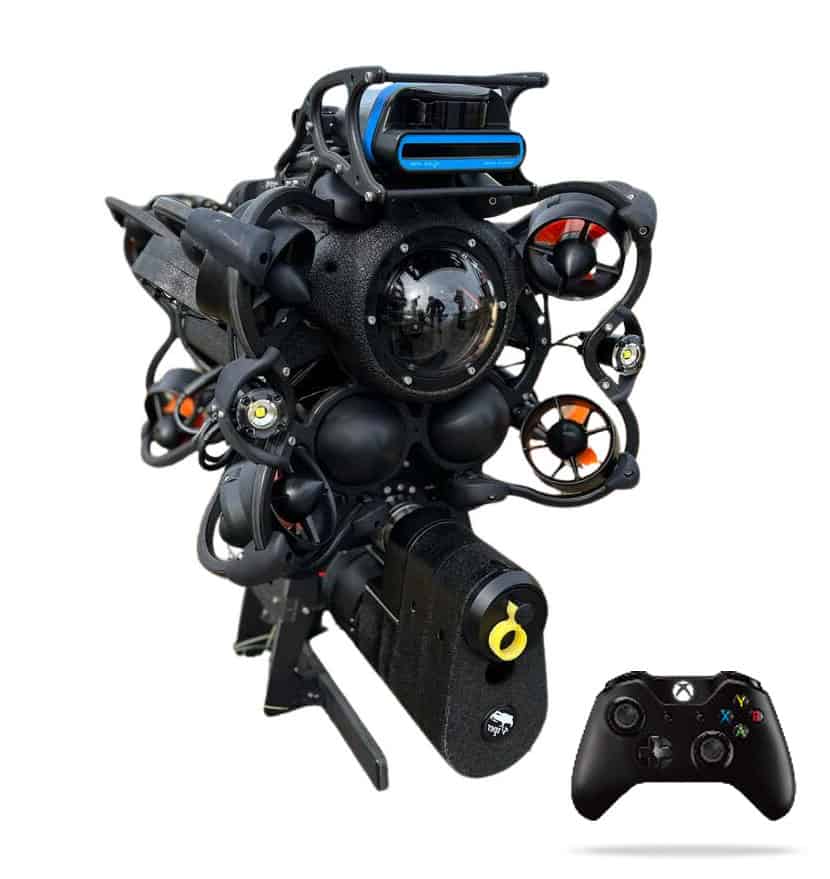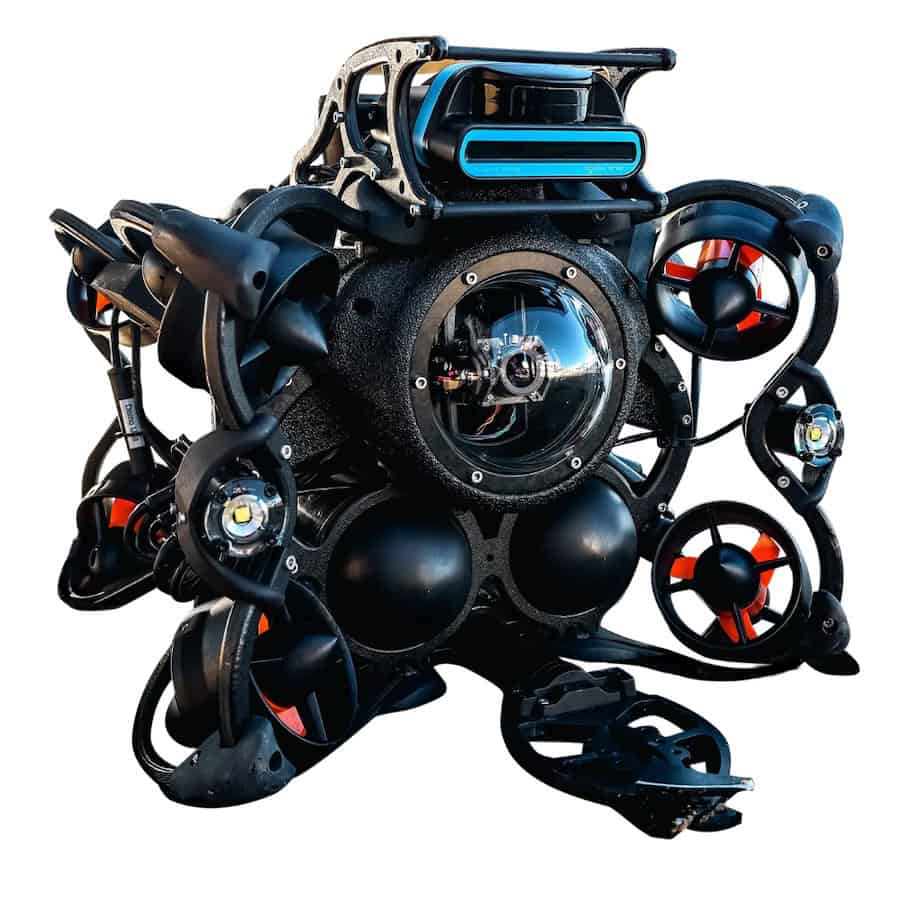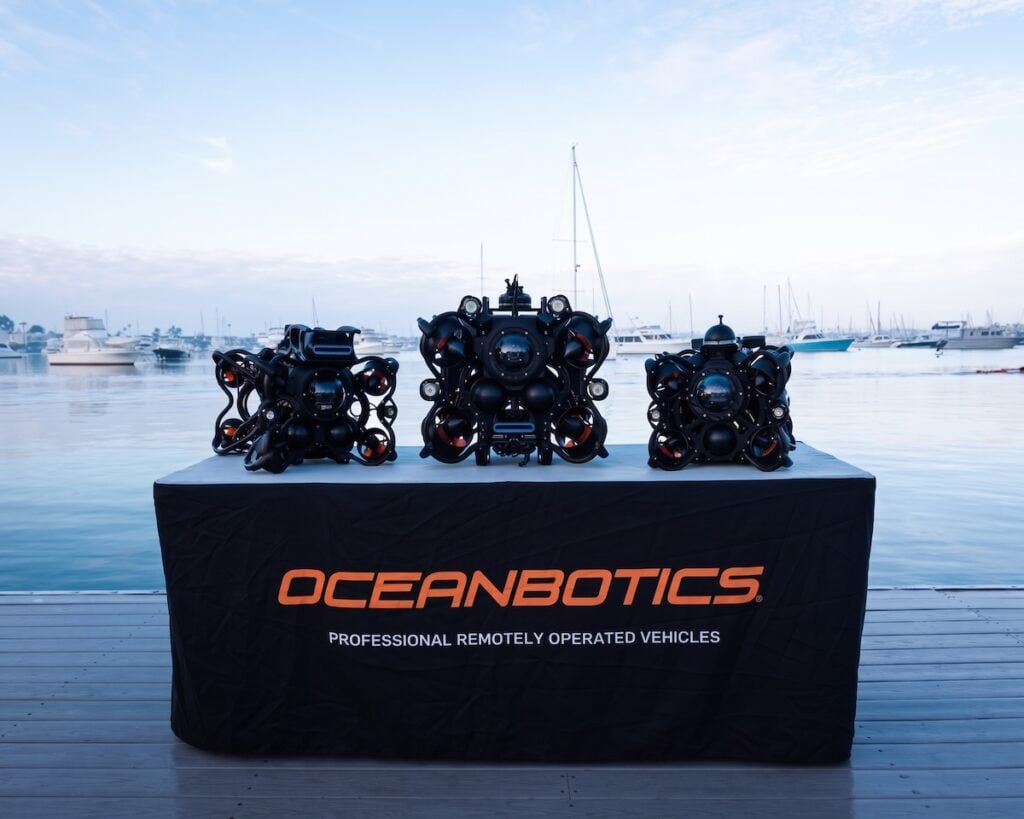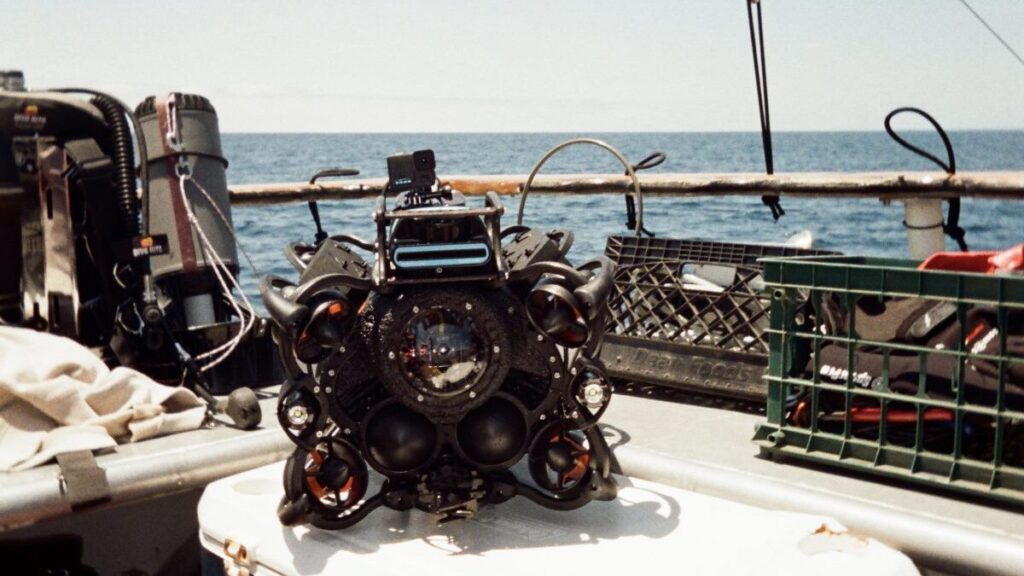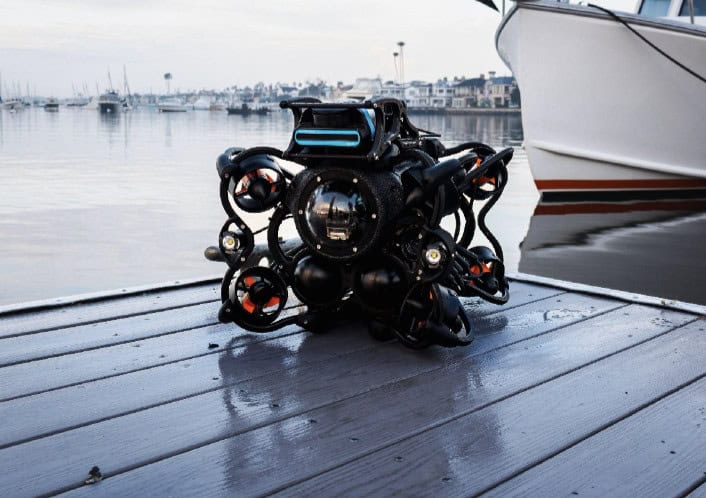
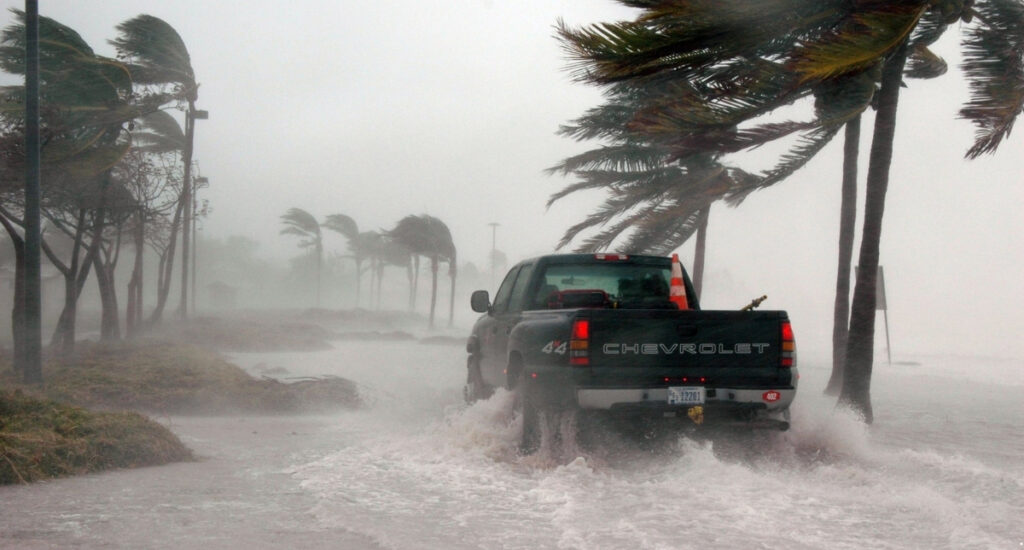
Oceanbotics remotely operated vehicles (ROVs) are increasingly being used by inspection teams in Florida to evaluate submerged infrastructure following hurricanes.
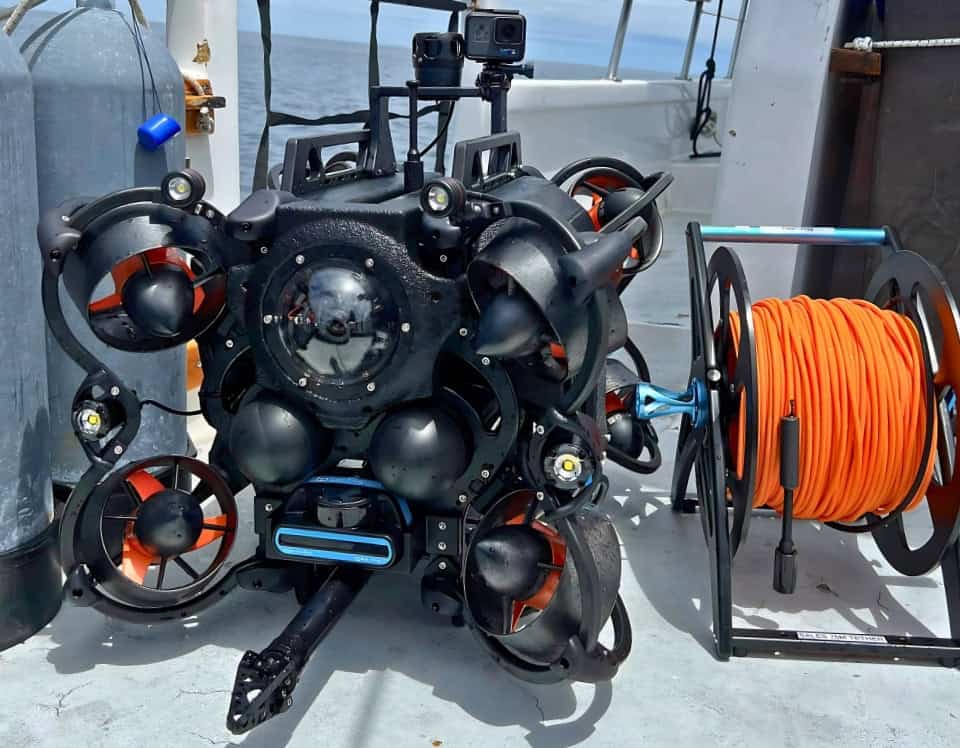
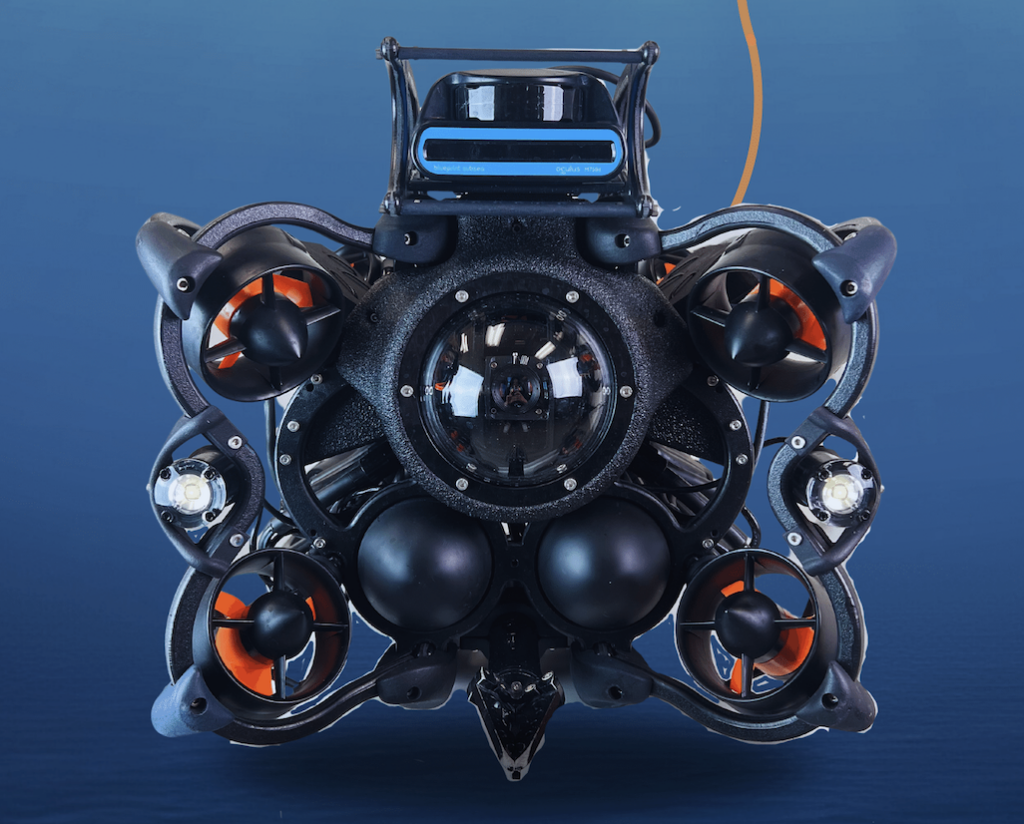
The company’s SRV-8 system provides detailed sonar and video imaging, enabling crews to conduct pre- and post-storm surveys of pipelines, culverts, canals, and stormwater systems with greater safety and efficiency.
Safer Alternatives to Diver-Based Inspections
Severe flooding often leaves underwater infrastructure inaccessible or unsafe for human divers, with conditions including low visibility, unstable currents, and wildlife hazards. The SRV-8 allows inspection crews to perform detailed assessments from the surface, eliminating risks to divers while collecting the same critical structural data.
Civil engineers now rely on ROV-based inspection methods to identify erosion, blockages, cracks, and joint failures that could compromise flood management systems. These evaluations help determine whether culverts and pipelines remain secure under storm pressure, or if immediate reinforcement is required.
Technical Capabilities for Submerged Surveys
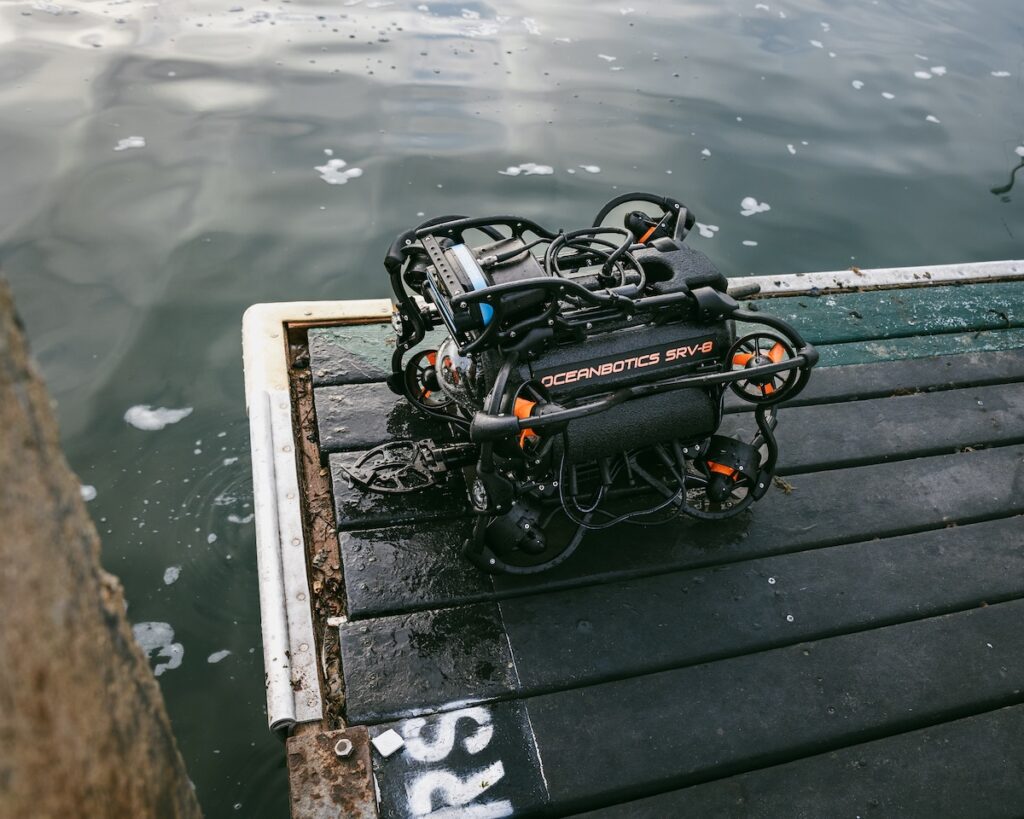
Oceanbotics’ SRV-8 is equipped with high-resolution cameras, 2D imaging sonar, and pipe-profiling sonar to provide comprehensive assessments of submerged assets. Its eight thrusters allow precise maneuverability in confined or obstructed environments.
Pipe profiling produces cross-sectional sonar images of internal pipe conditions, allowing engineers to measure sediment buildup, verify structural integrity, and detect cracks or partial blockages without draining water. These surveys provide actionable data to support infrastructure resilience planning and stormwater management strategies.
Field Use Highlighted on Smithsonian Channel
The SRV-8’s role in hurricane response was recently demonstrated on the Smithsonian Channel program How Did They Fix That? (Season 4, Episode 3, “Water Work”). In the episode, Florida-based Underwater Engineering Services Inc. (UESI) deployed the ROV to inspect roadside canals and storm culverts in Fort Pierce, an area heavily impacted by Hurricane Milton.
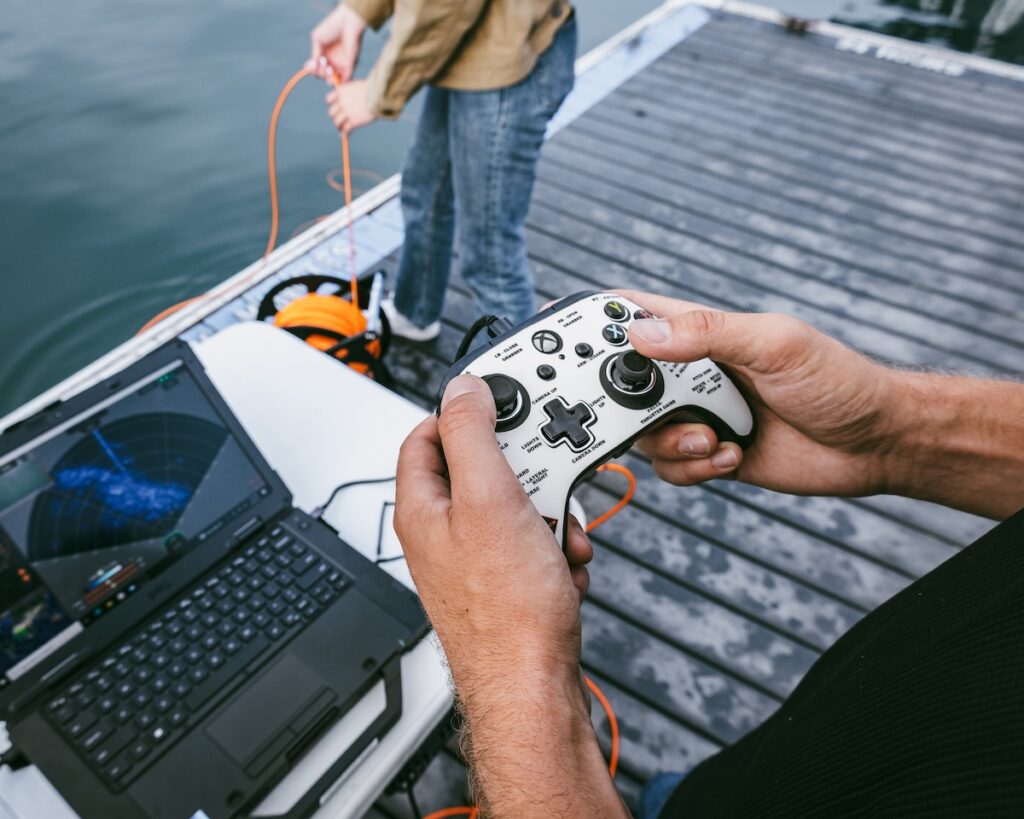
ROV operator Max Jackson explained, “You’re able to go around in the water with zero visibility and have a perfect picture of what you’re picking up through the sonar on the laptop. And when you have eight thrusters on the ROV, you’re able to maneuver around certain places a human diver wouldn’t be able to do.”
Using Oceanbotics’ SubNav OS software, Jackson guided the SRV-8 through a series of 50-foot culverts, confirming pipe joint integrity and scanning for signs of storm damage. The pipe-profiling attachment further allowed three-dimensional imaging of internal surfaces, providing a clear view of conditions within the structures.
Building Resilience in a Changing Climate
As hurricanes become more frequent and intense, underwater inspection tools that improve efficiency and safety are critical to disaster readiness. Oceanbotics’ SRV-8 ROV provides a reliable method for assessing vulnerable infrastructure quickly, reducing reliance on hazardous diver operations while delivering data that informs long-term resilience strategies.
With proven applications across civil engineering, emergency management, and marine operations, Oceanbotics’ ROVs are supporting more effective responses to extreme weather events and helping coastal communities prepare for future challenges.