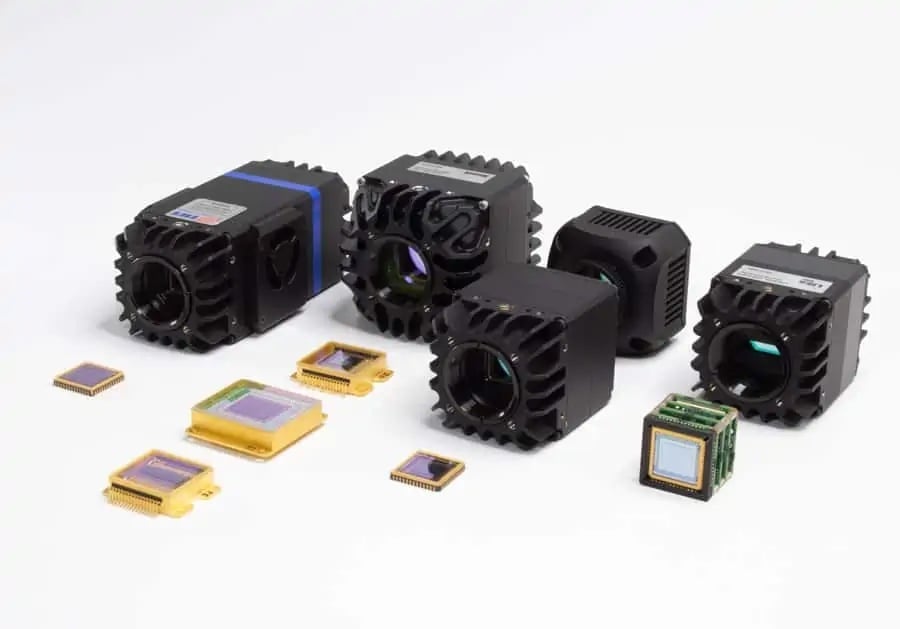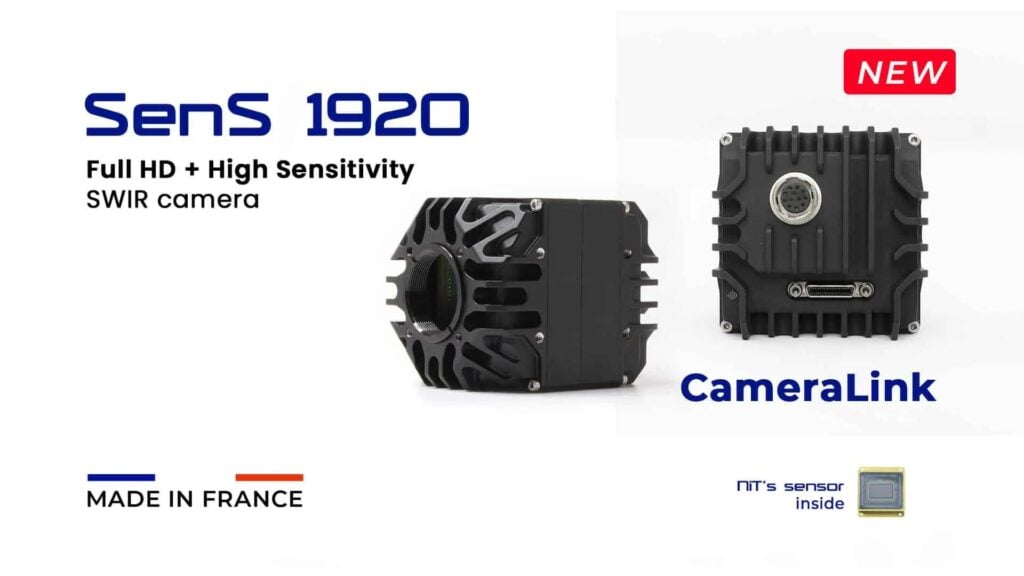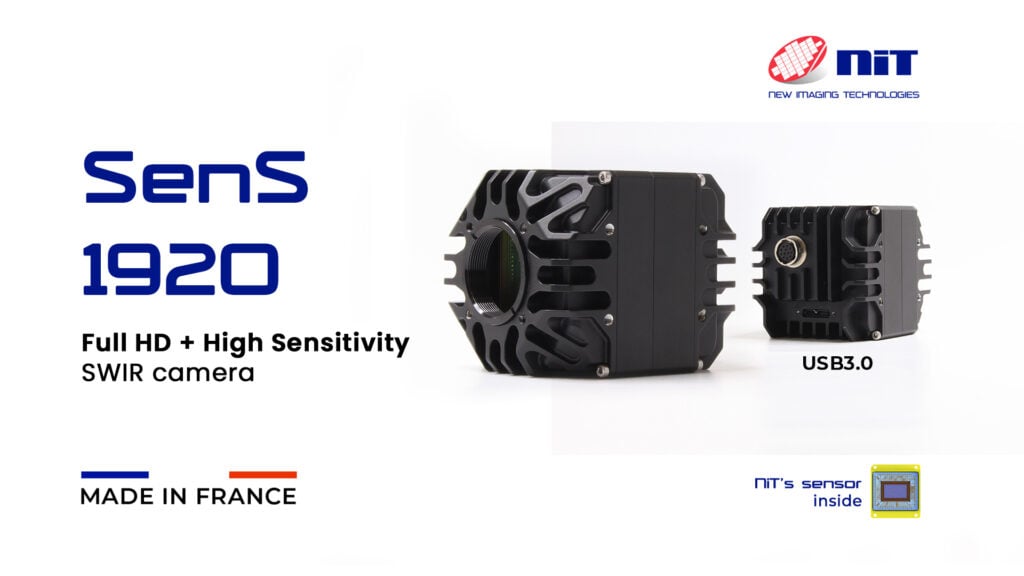
New Imaging Technologies (NIT) is a world leader in the design and manufacture of SWIR sensors and cameras.
In this exclusive Q&A, UST sat down with François Coursaget, General Manager of New Imaging Technologies, to discuss the company’s latest advancements in SWIR (Short-Wave Infrared) and HDR (High Dynamic Range) imaging sensors, the operational challenges addressed by NIT’s solutions for unmanned systems, as well as specific performance features of NIT’s sensors for UAVs, drones, and other autonomous platforms.
What advantages do your SWIR and HDR sensors offer for unmanned systems compared to traditional imaging solutions?
SWIR imaging offers valuable capabilities for unmanned vehicles. In challenging environments, SWIR sensors provide enhanced visibility through smoke, dust, rain, snow, or haze, helping drones better perceive their surroundings. Additionally, the SWIR waveband can be used to detect semiconductor defects on solar panels, monitor soil humidity levels in agriculture, or even identify different types of vegetation.
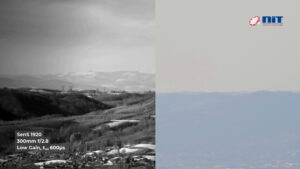
As for NIT’s HDR Logarithmic sensors, they offer a unique solution for operating in rapidly changing lighting conditions, which is common for many unmanned systems. During daytime operations, a single exposure in Log mode allows the system to remain effective without losing line of sight. Meanwhile, the high sensitivity of our sensors in linear mode delivers excellent performance with short exposure times, enabling fast operational speeds for unmanned vehicles.
Can you share examples of how your sensors have been integrated into real-world autonomous or robotic platforms?
Our sensors have been integrated into a wide range of systems, including rotary drones for inspecting solar-power plants or assessing soil humidity in agriculture, fixed-wing drones for laser alignment in optical communications or surveillance applications, and land-based firefighting solutions that require visibility through smoke.

How scalable are your sensor solutions for different unmanned platform sizes and power constraints?
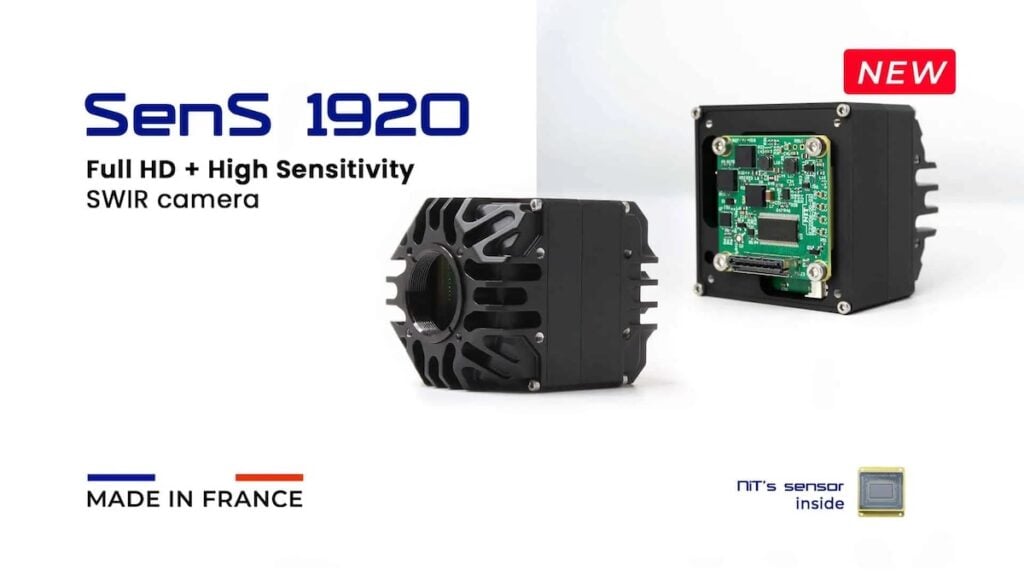
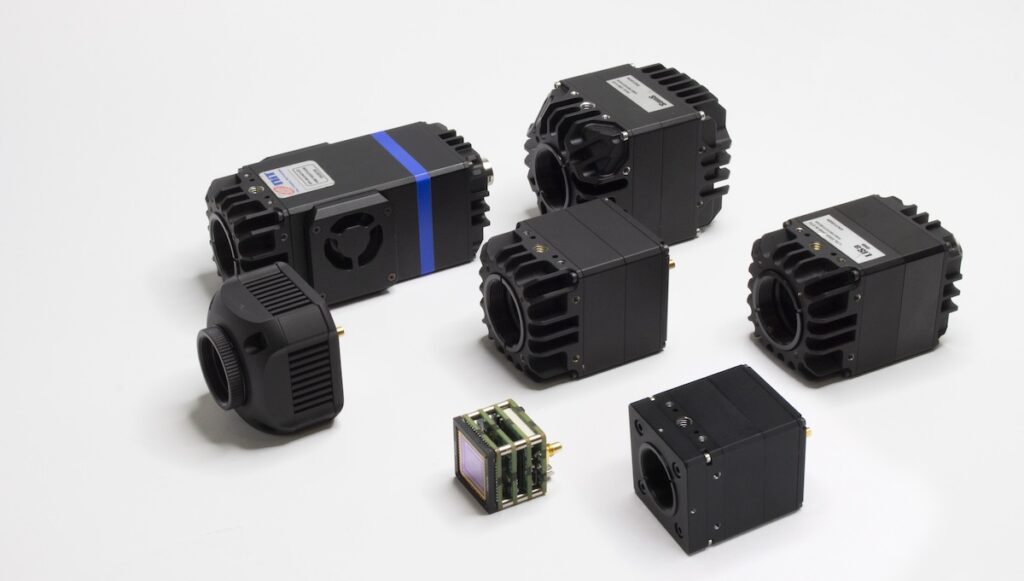
NIT offers a comprehensive portfolio of sensors, ranging from 2048-pixel pushbroom line-scan solutions and low-power QVGA formats to full HD array formats for high-performance, high-resolution applications.
What support do you offer to system integrators working to embed your sensors into custom unmanned solutions?
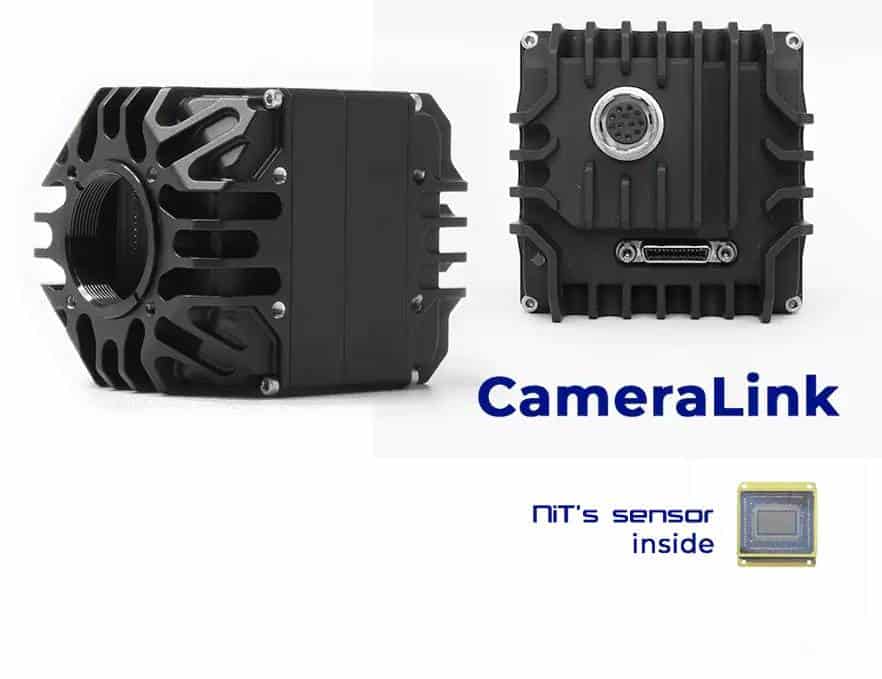
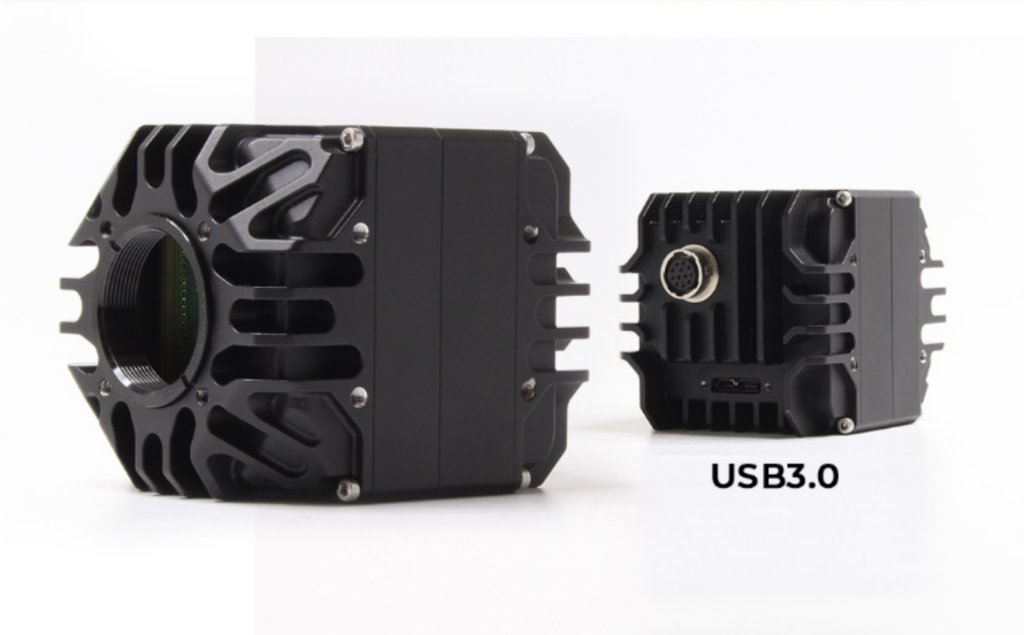
NIT provides sensor modules with a variety of interfaces, including CameraLink, USB3, GigE, CoaXpress, and HD-SDI, to meet integrators’ specific requirements. Additionally, we offer ready-to-use SDKs for Windows, Linux, and ARM systems to streamline integration.

How is NIT addressing the demand for compact, lightweight imaging systems in SWaP-constrained platforms?
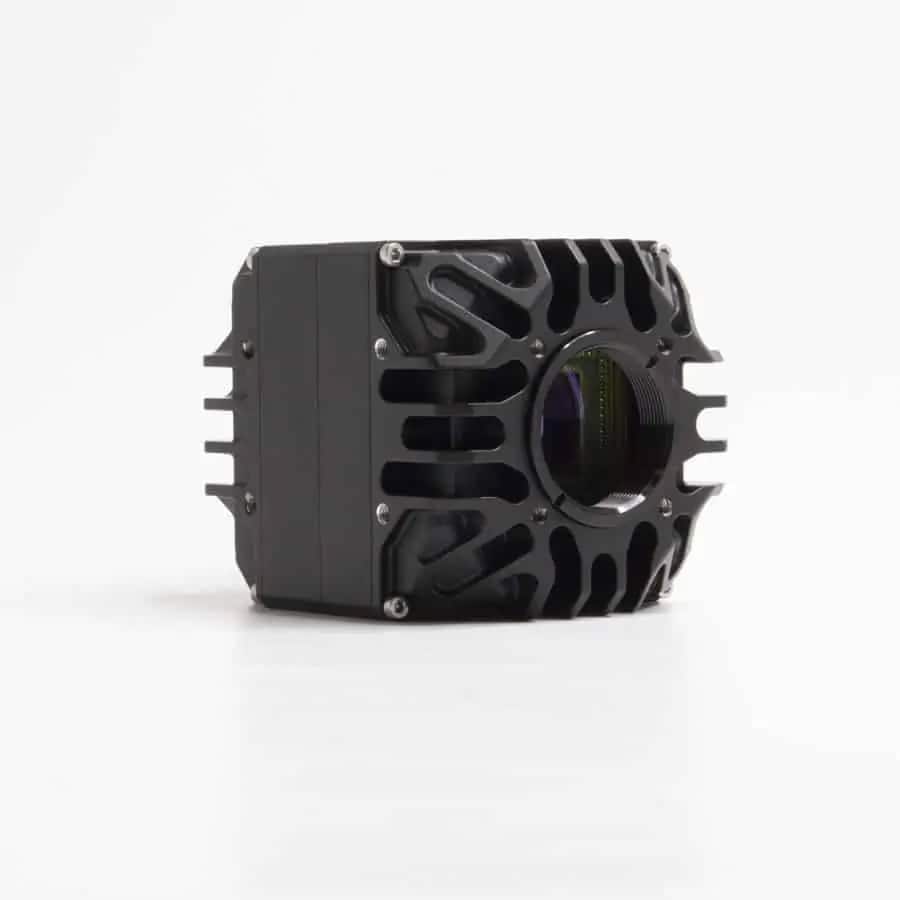
NIT addresses these demands through both mechanical and functional modular designs, allowing our solutions to fit within the space and power constraints of unmanned platforms while maintaining high performance.
Thank you for your time. It has been a pleasure speaking with New Imaging Technologies, and we look forward to following the continued advancements and adoption of SWIR and HDR imaging solutions in the unmanned systems industry.