Knight Optical has detailed the critical role of advanced optical components in the functioning of AI-driven multispectral imaging systems for modern agricultural monitoring.
The Mechanics of Spectral Detection
Agricultural multispectral systems have utilized specific spectral bands, primarily red-edge and near-infrared (NIR), to assess chlorophyll levels and water stress. These systems function because plants reflect and absorb light differently based on their physiological condition. By capturing reflected light data across multiple bands, a multispectral camera can identify infections or nutrient shortfalls with high accuracy up to three weeks before they are visible to the human eye.
Critical Optical Components
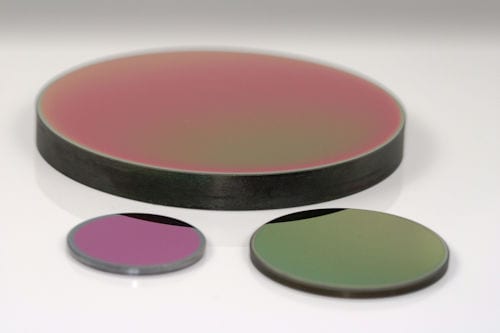
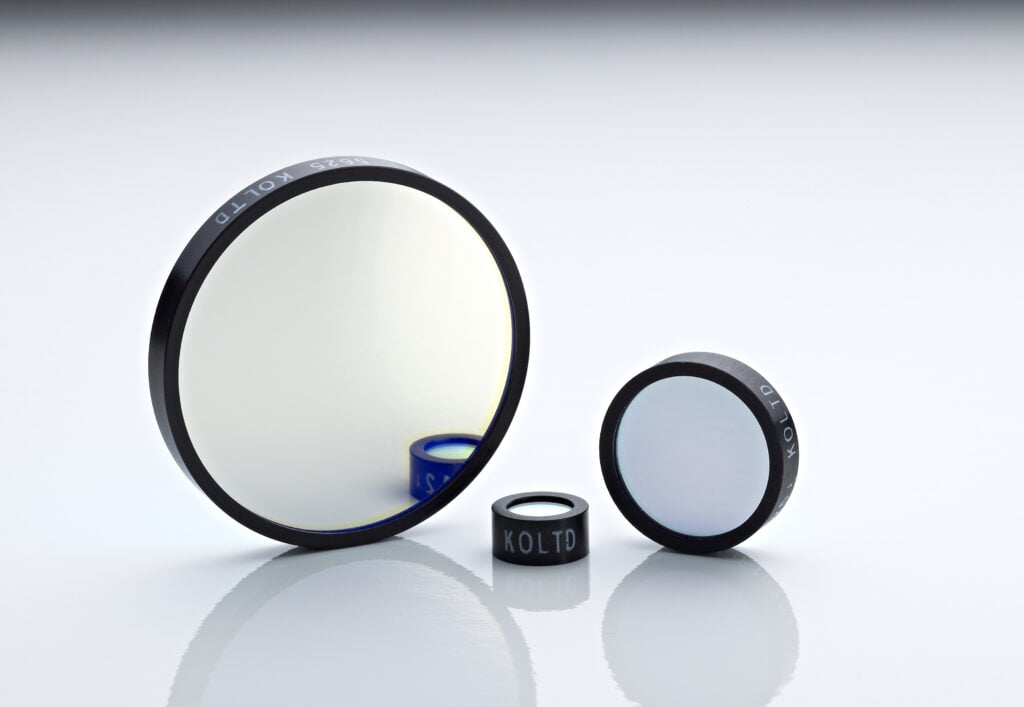
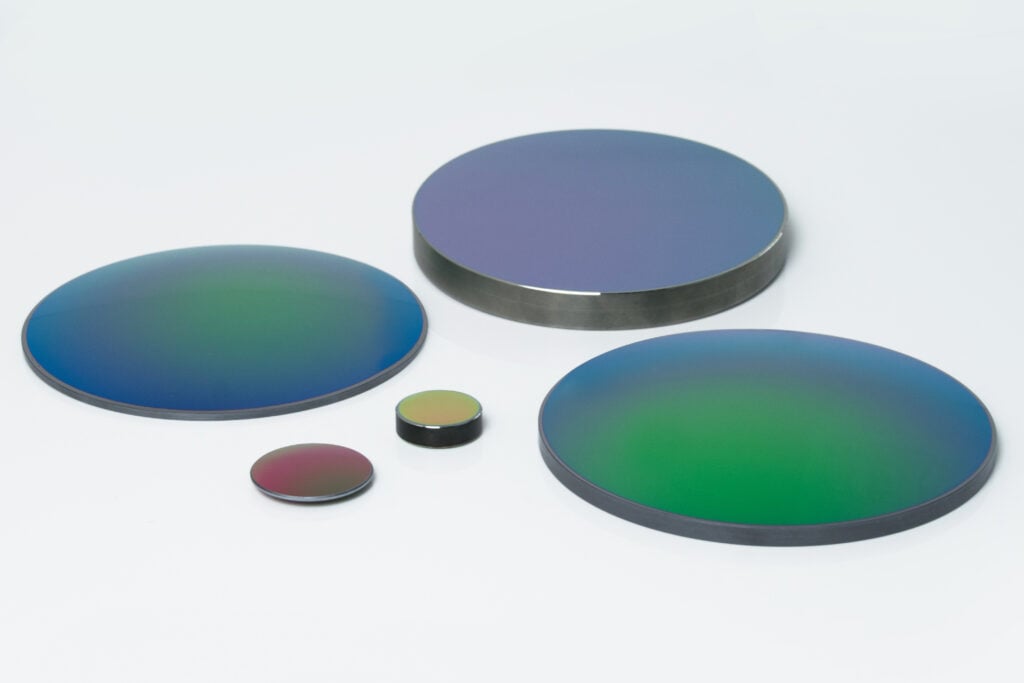
The reliability of multispectral data has remained heavily dependent on the quality of internal optics. Narrowband interference bandpass filters have served as the most vital components, isolating exact wavebands for analysis. Substandard filters can allow out-of-band leakage, which introduces noise and renders index maps unreliable for decision-making.
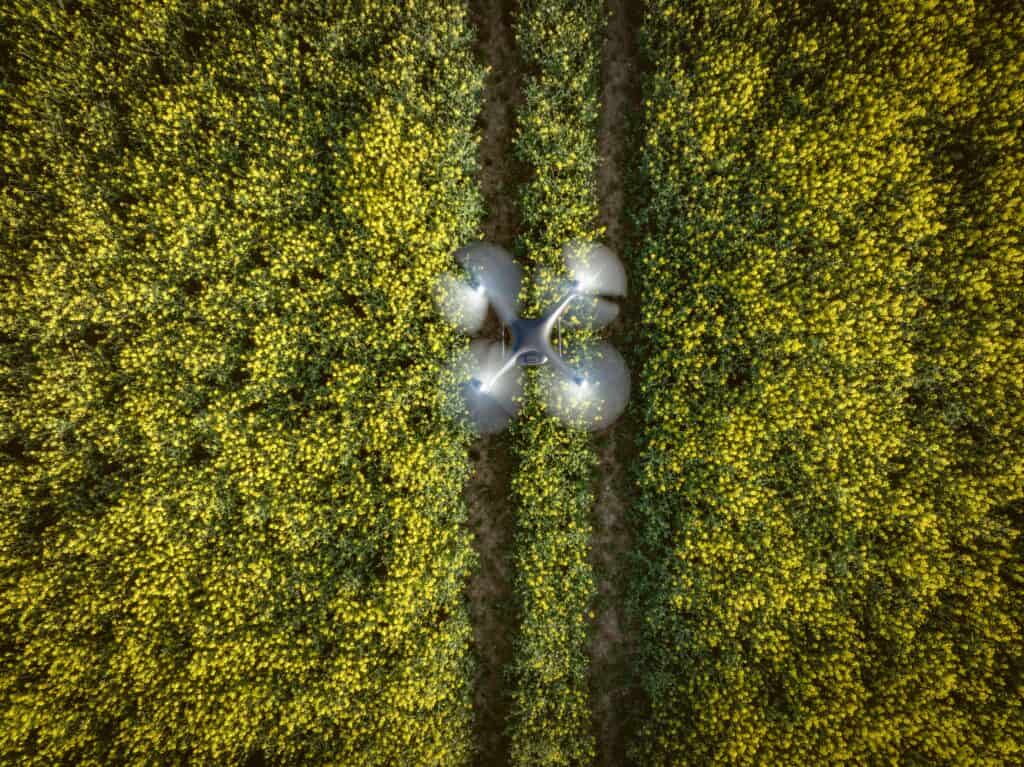
Alternative integration methods for these filters have included filter wheels or micropatterned filters. While filter wheels rotate discrete filters sequentially, micropatterned filters allow for simultaneous capture across all bands on a single substrate. This compact design has proven particularly effective for weight-sensitive platforms like drones. Furthermore, optical lenses must be corrected for both visible and NIR wavelengths to ensure consistent focus across all bands, even when operating in challenging environmental conditions such as heat haze or humidity.
Machine Vision and Sustainable Scaling
The data gathered through the optical assembly has typically been processed into a normalised difference vegetation index (NDVI). These findings feed into machine vision algorithms that generate variable-rate application maps. Automated equipment, including tractors and sprayers, has utilized these maps to adjust the output of fertilizers and pesticides in real-time. This precision approach has enabled season-long growth monitoring while minimizing waste and supporting sustainable farming practices at scale.