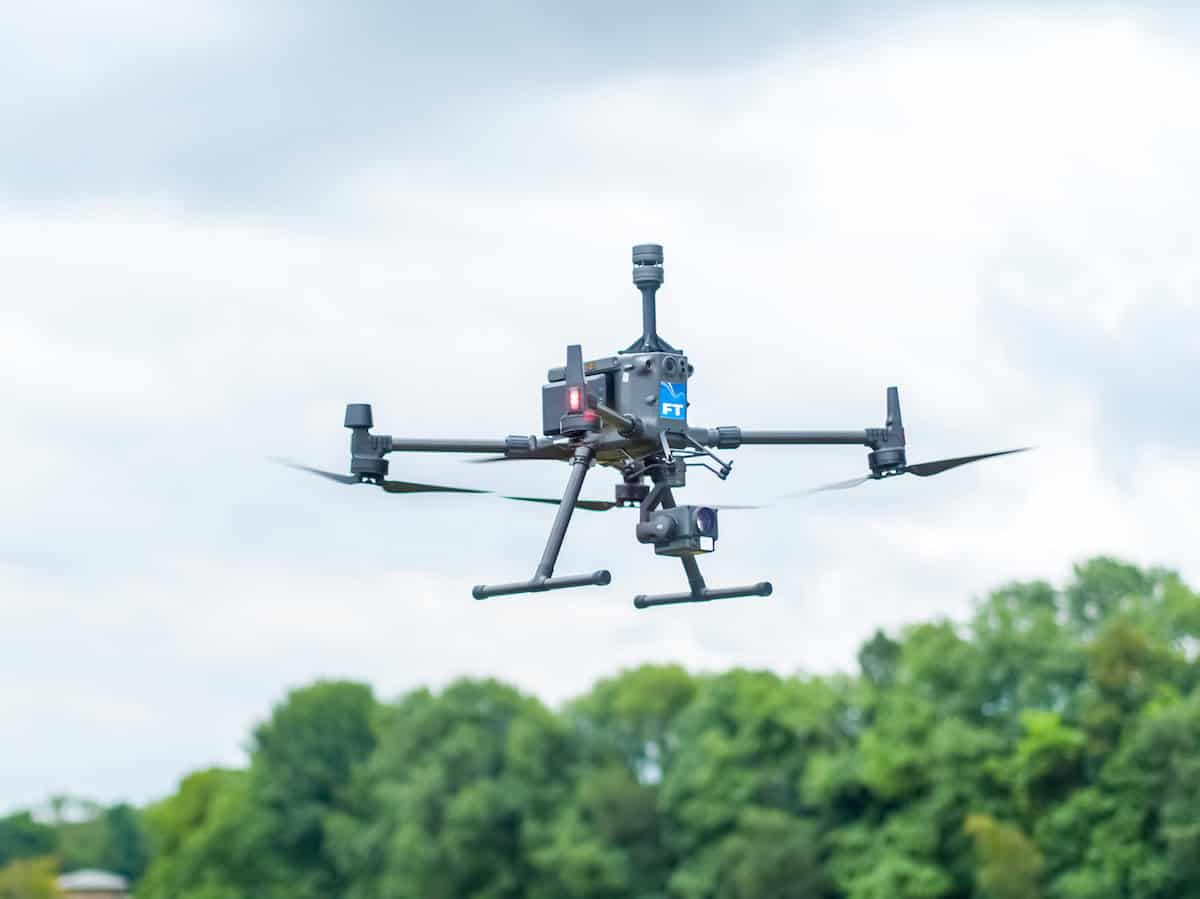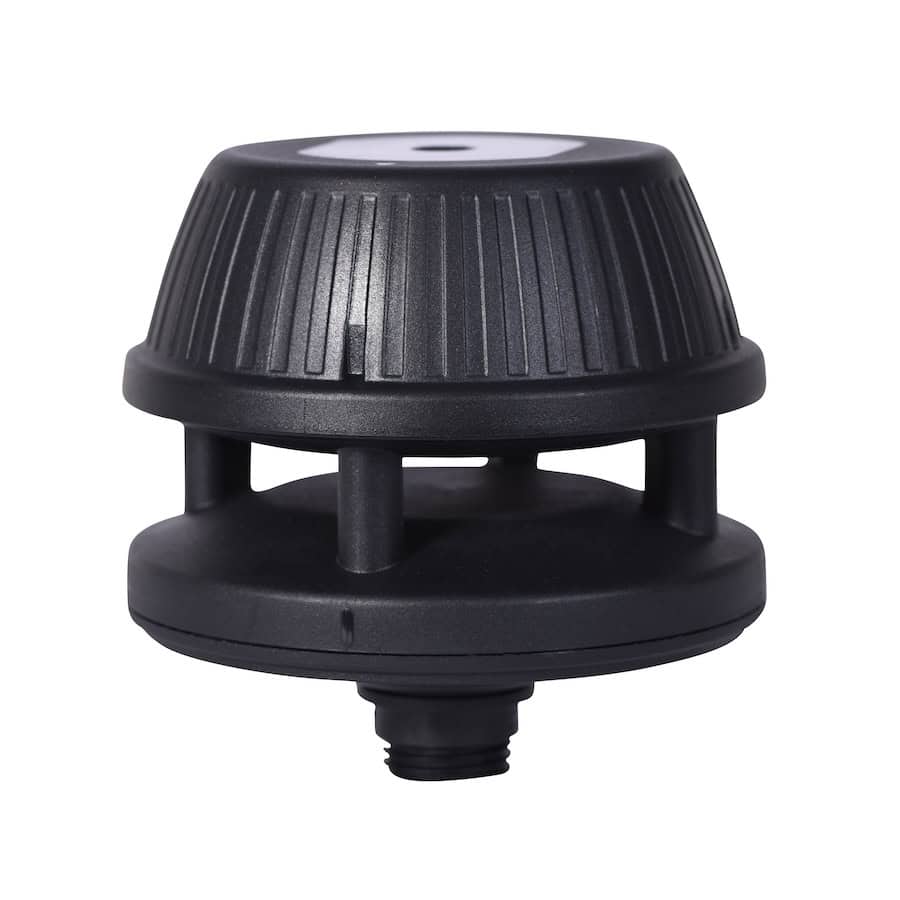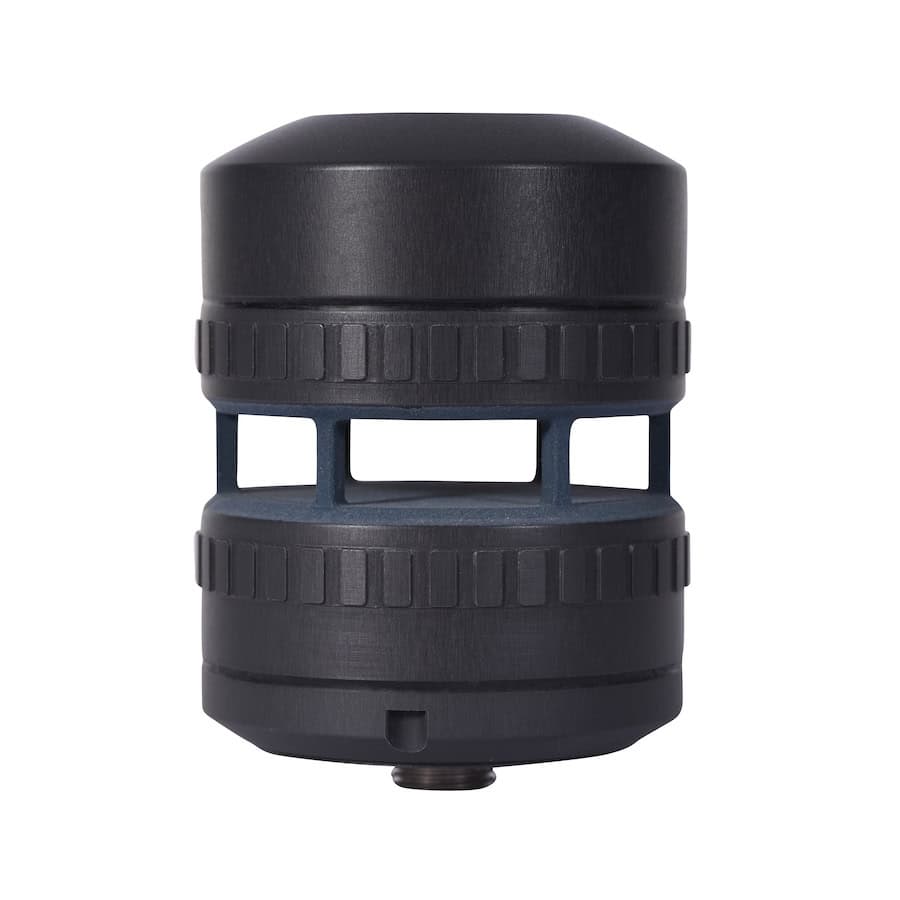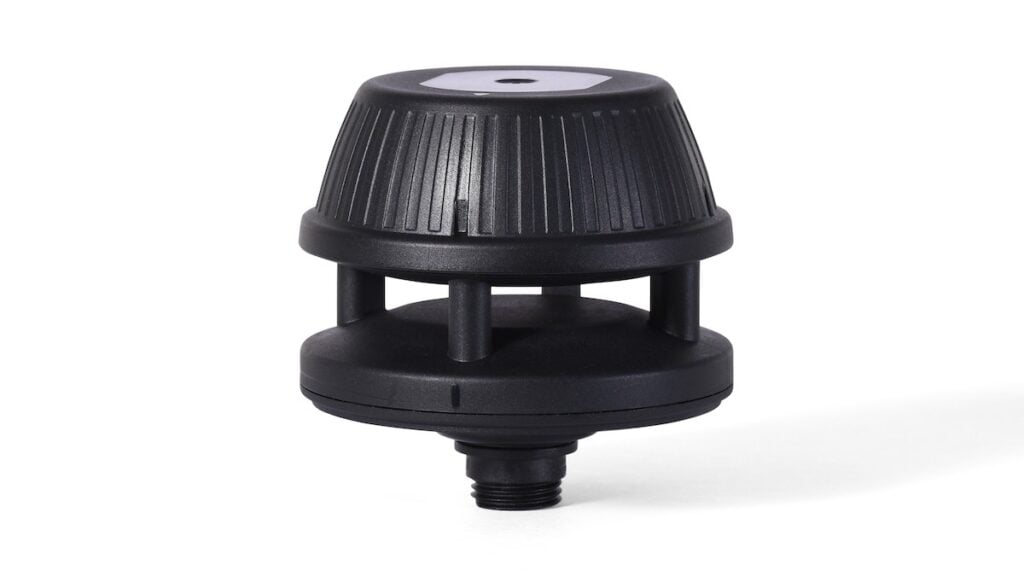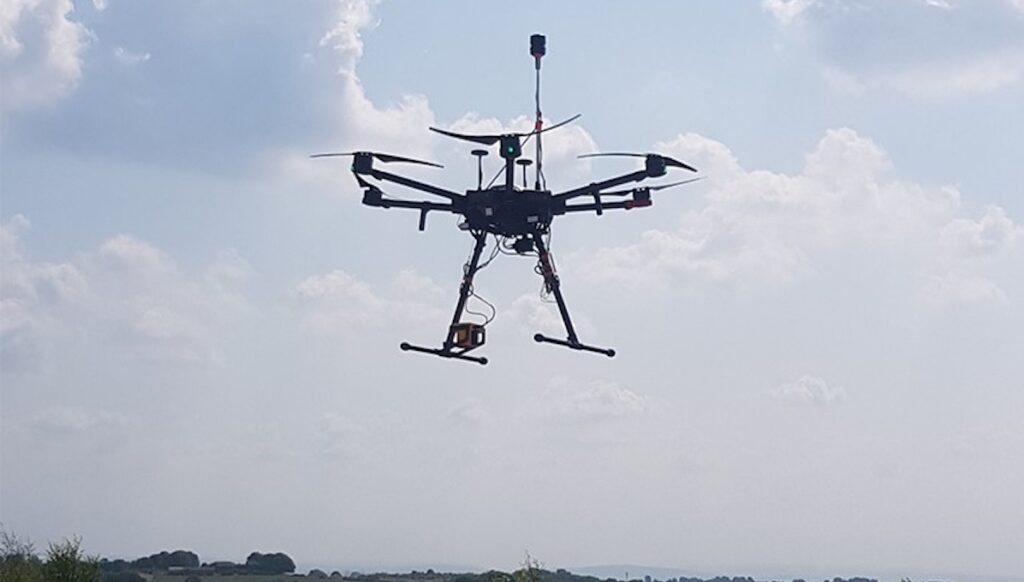
FT Technologies’ ultrasonic wind sensor successfully supported aerial monitoring of forest fires during night operations in Andalusia, Spain.
The project demonstrated how accurate, real-time wind data collected by unmanned aircraft can enhance emergency response strategies and improve fire prediction capabilities.
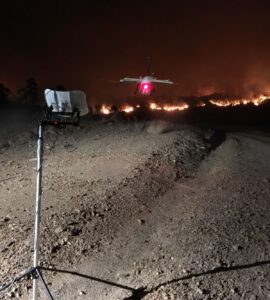 In wildfire management, wind speed and direction are key factors influencing fire behavior. Accurate, localized wind data enable emergency teams to plan tactical responses such as controlled burns. In Andalusia, Spain, summer wildfires are common, but traditional weather stations, often several kilometers from the fire front, cannot capture real-time conditions. While manned aircraft supply data during daylight, they are grounded at night, leaving crews without vital wind information after dark.
Project Overview
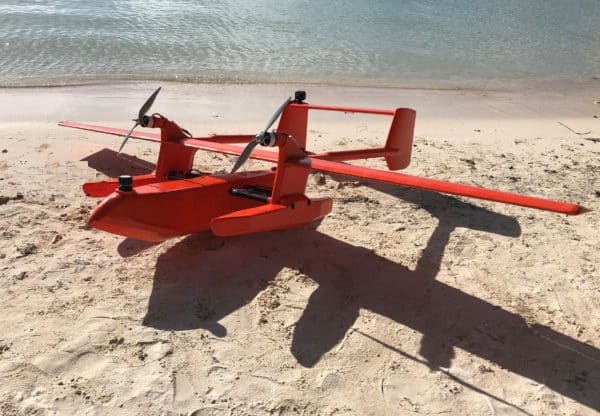
To address this data gap, AMAYA and INFOCA, the Andalusian authority responsible for forest fire management, launched a joint initiative. The project aimed to test a drone-based wind monitoring system capable of operating safely at night and transmitting real-time measurements from the fire zone.
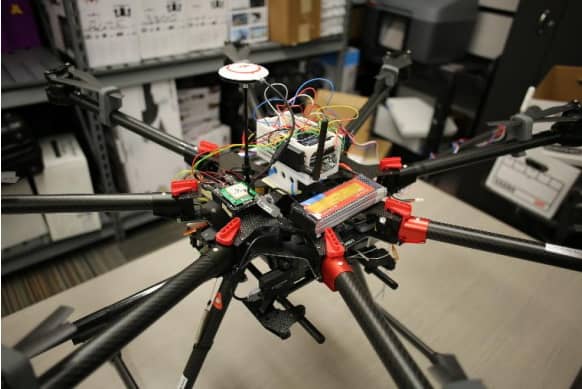
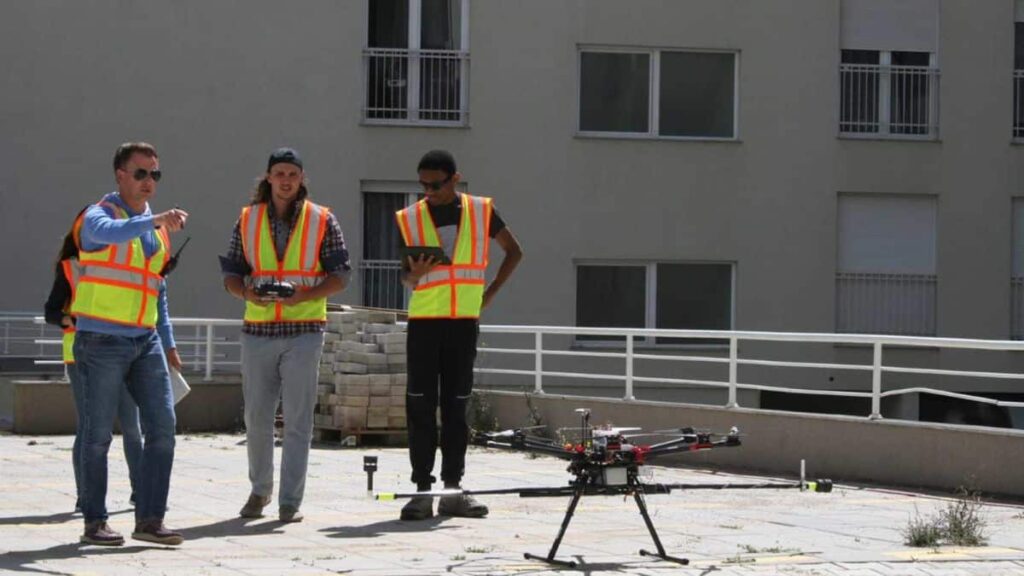
The unmanned aircraft system, developed by Dronetools SL, was fitted with the ultrasonic wind sensor from FT Technologies. Prior to its use in live fire environments, the system underwent verification tests at a height of 15 meters, comparing the drone’s wind readings to those of a standard ground-based weather station. The results confirmed the accuracy and stability of the FT wind sensor’s data.
Results
Over the course of the season, the drone system equipped with the FT wind sensor was deployed during four active wildfire events.
- The wind speed and direction data obtained by the drone proved vital for night-time fire monitoring and prediction.
- Measurements were gathered at multiple altitudes to capture local variations in wind flow.
- The information complemented data from existing weather stations, improving the overall quality and timeliness of the situational intelligence available to emergency responders.
Javier Prada Delgado, Integration Engineer at Dronetools SL, commented, “In the final analysis, the sensor worked accurately in real fire situations.The drone, equipped with the FT wind sensor, was an indispensable tool for predicting the advance of the fire at night.”