BotBlox explains that compliance with the National Defense Authorization Act (NDAA) and Executive Order 13981 plays a central role in strengthening secure supply chains for drone and unmanned aerial system (UAS) technologies.
These regulations are designed to ensure that critical components are sourced from trusted regions and that manufacturing is conducted in a way that reduces exposure to geopolitical risk. As a result, manufacturers are increasingly reshoring operations to the US or selecting allied countries to maintain compliance and build customer confidence.
Evolving Definitions of Compliance
As of November 18, 2023, the NDAA was updated under Fiscal Year 2023 NDAA Section 817. This revision brings its definition of compliance more closely in line with that of Executive Order 13981. EO 13981 remains particularly influential, encouraging companies to adopt stricter sourcing and manufacturing standards throughout their supply chains.
Executive Order 13981: Principles & Practicalities
BotBlox explains that EO 13981 does not provide a checklist to ensure full compliance, which makes a structured and transparent approach essential. For example, while many understand the need to avoid specific sources, the global supply chain for components like rare earth elements remains complex. With over 95% of these materials originating from a limited set of countries, maintaining traceability and control is critical.
 Demonstrating Compliance Complexity with BotBlox PCBs
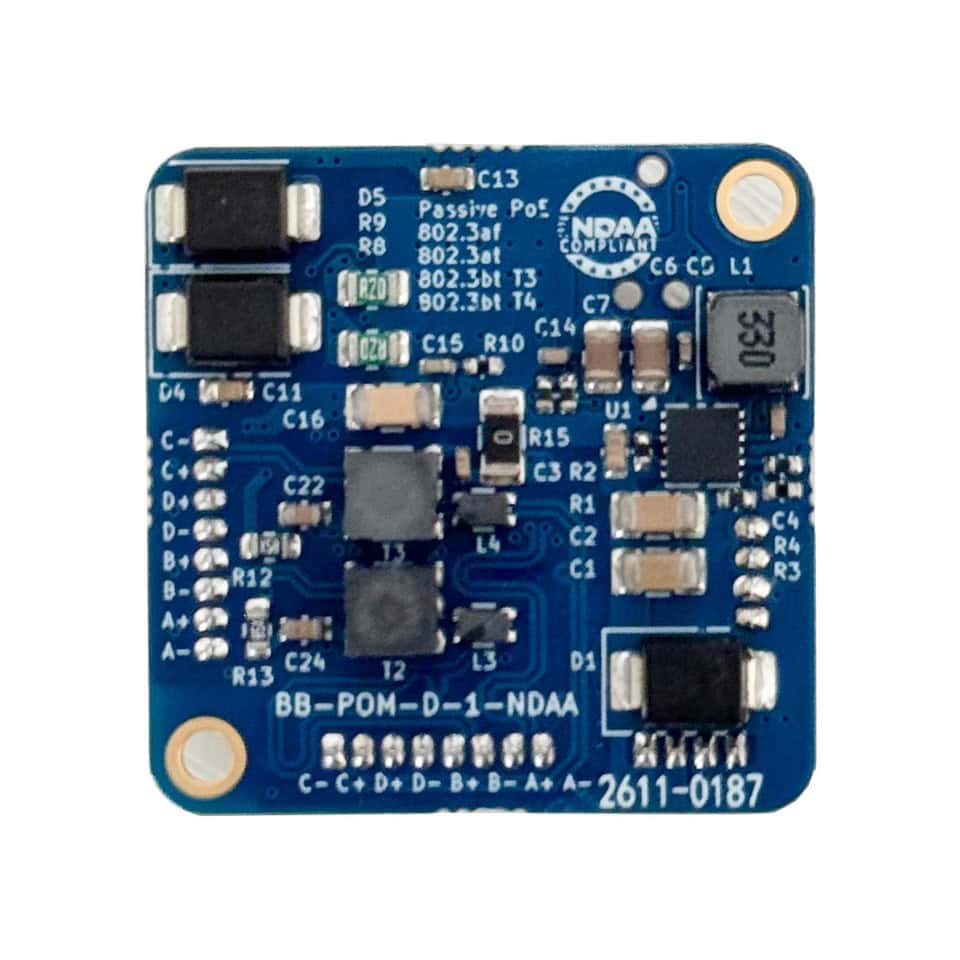
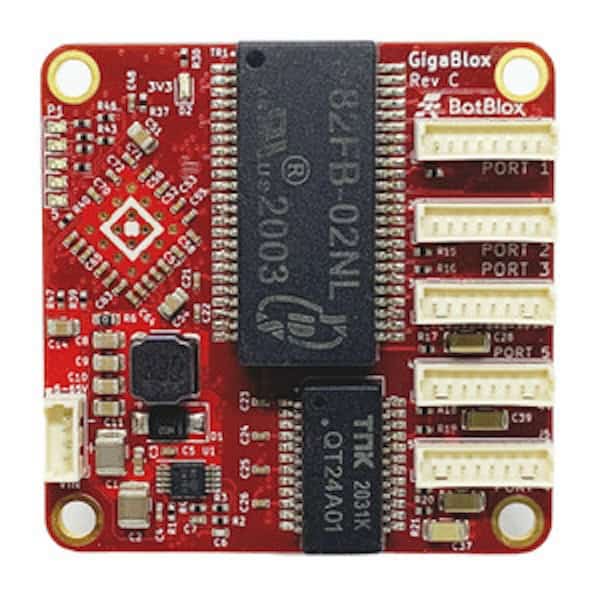
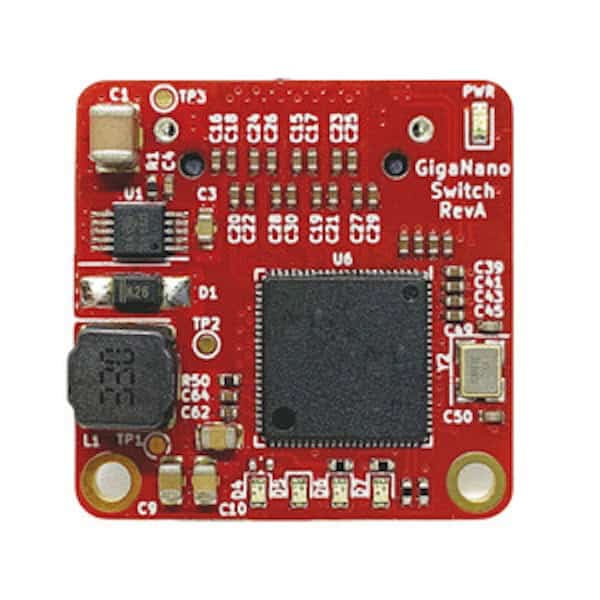
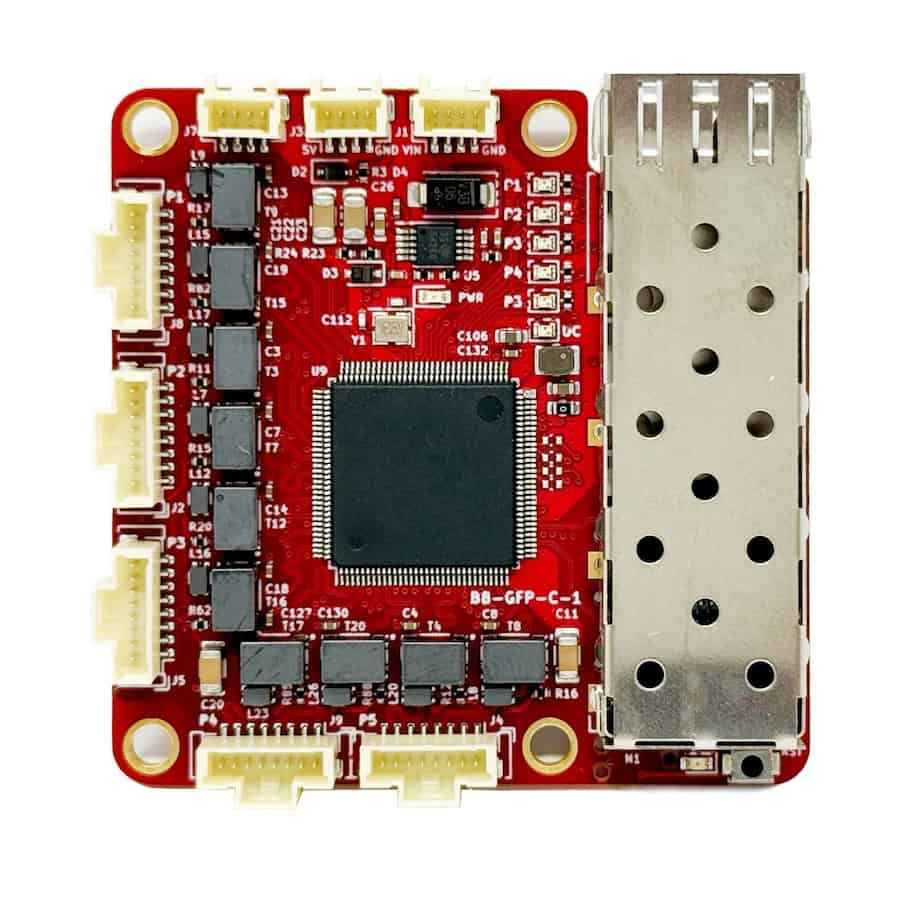
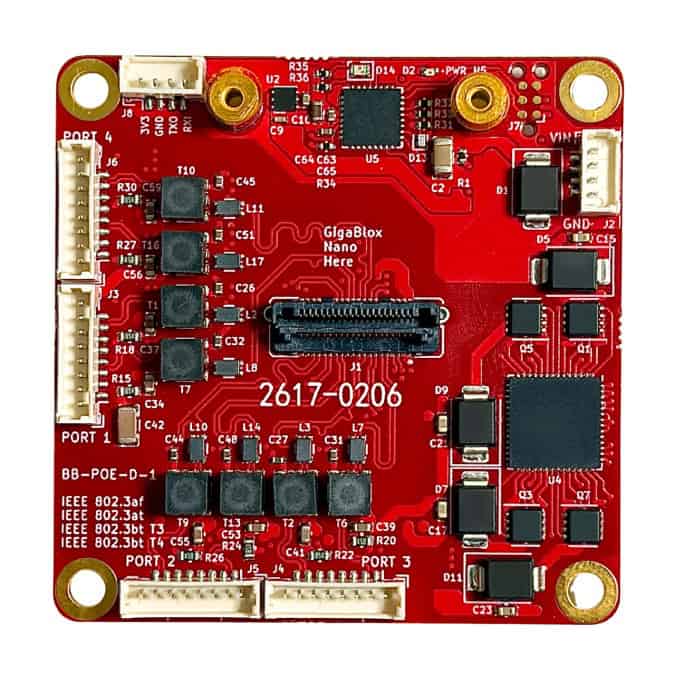
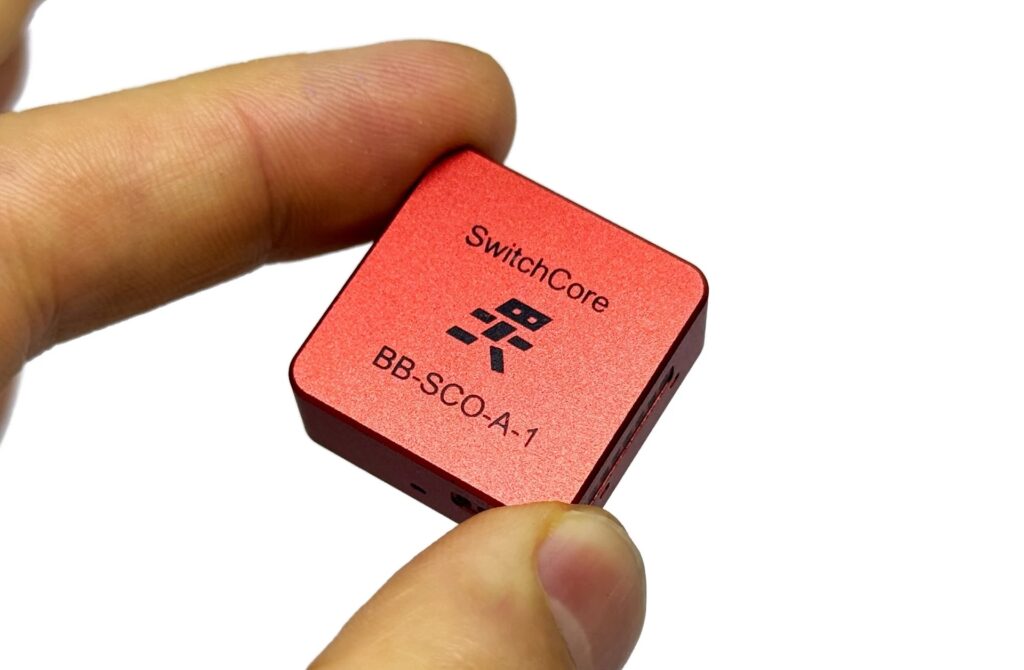
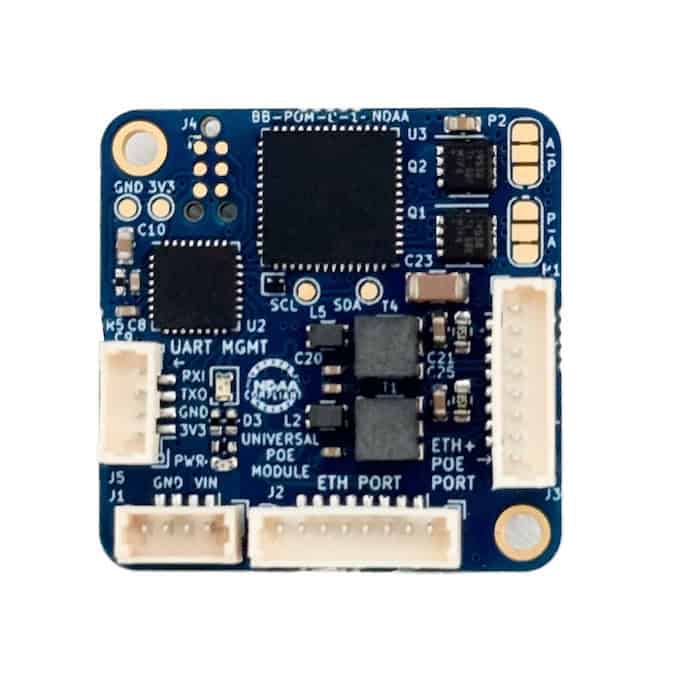
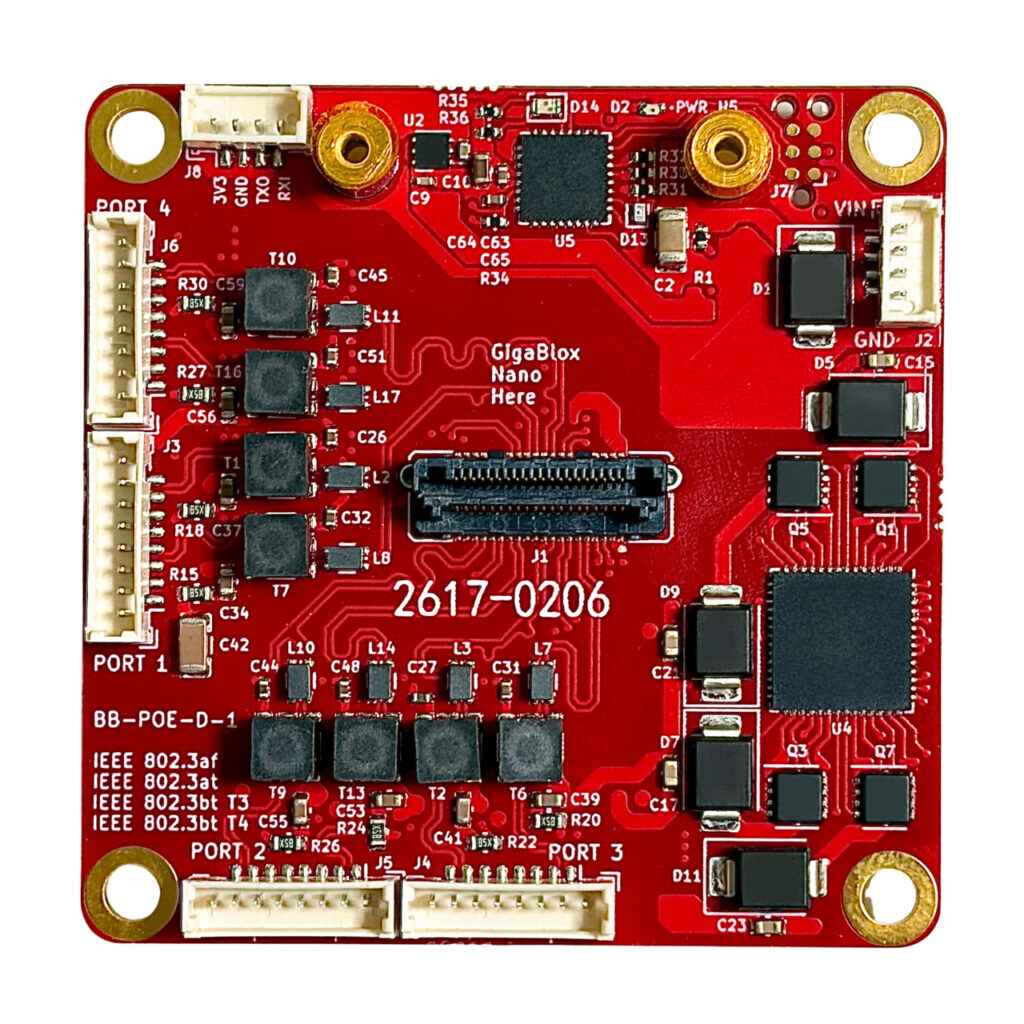
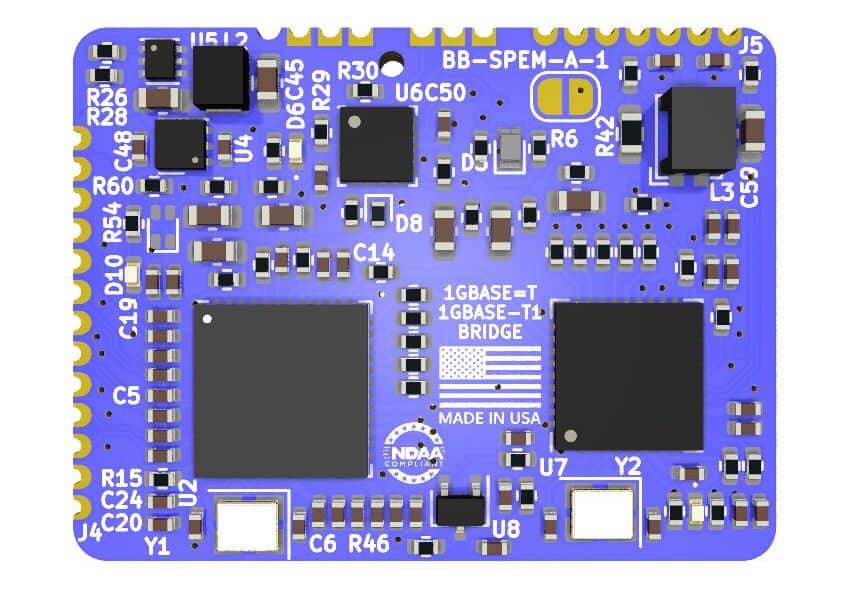
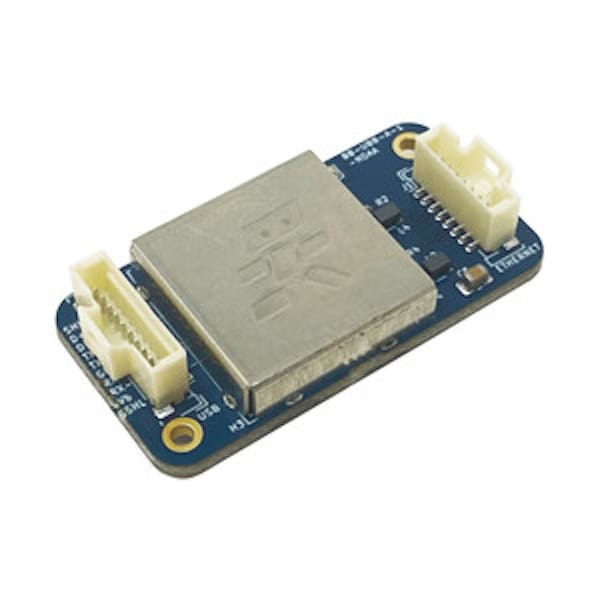
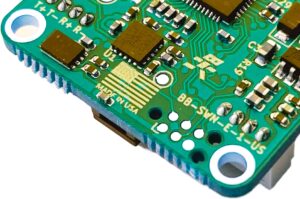
BotBlox manufactures OEM printed circuit boards (PCBs) for drones and unmanned systems. PCBs serve as a middle ground between raw materials and advanced systems, making them an ideal example of the layers involved in aligning with regulatory expectations.
When evaluating PCB components, each layer must be considered:
- PCB Fabrication: Global production is still heavily concentrated in non-trusted regions. BotBlox explains that it manufactures PCBs in the US, Estonia, Thailand, and the UK to ensure alternatives are available to meet compliance goals.
- Chemicals: For routine chemicals such as isopropyl alcohol or flux, sourcing concerns are typically minimal. However, for high-performance substances like eutectic solder—used in demanding environments such as space—BotBlox recommends direct sourcing and consignment to the manufacturer. This ensures traceability and avoids the use of uncontrolled supply chain shortcuts.
- Passive Components: Resistors and capacitors may seem low-risk, but they often account for up to 30% of a bill of materials (BOM). BotBlox emphasizes verifying not just the distributor, but the original manufacturer and their facility locations. Many passive components are now produced in countries like Thailand and the Philippines.
- Active Components: Integrated circuits (ICs) represent the bulk of both cost and functionality on BotBlox boards—often 70–80% of the BOM. BotBlox advises sourcing directly from chip manufacturers such as Microchip, or from vetted distributors offering full chain-of-custody documentation.
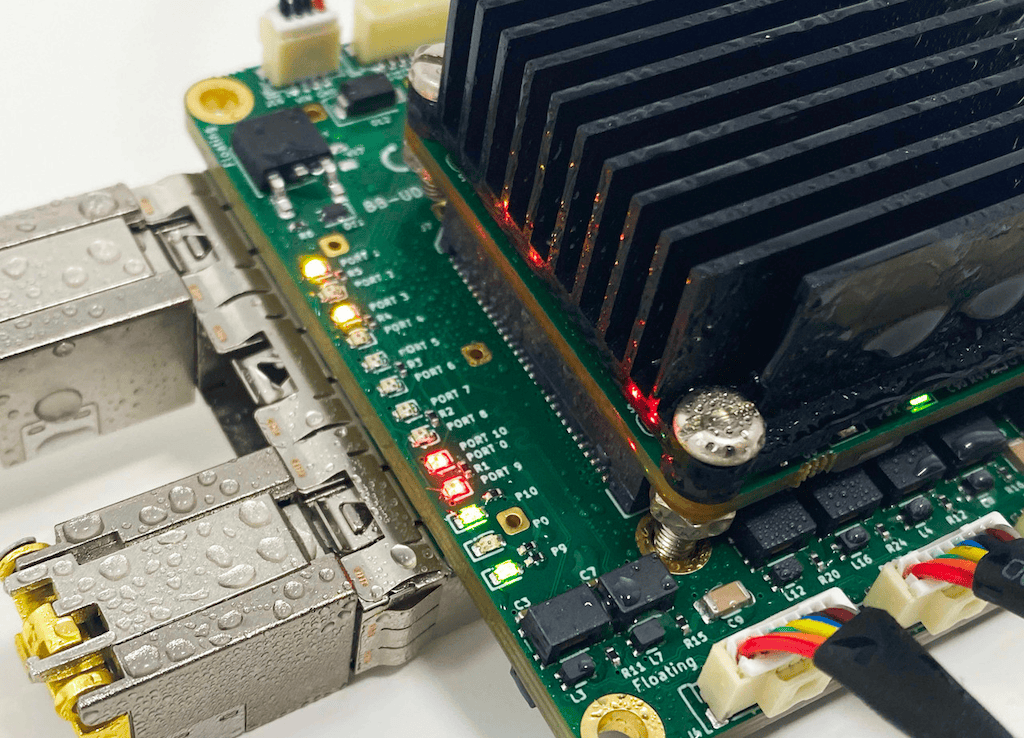
- Large Components: Items like SFP cages present unique sourcing challenges. In one case, BotBlox highlights the difficulty of finding a non-restricted supplier for a specific SFP cage. As a workaround, each component is rigorously inspected, and redesigns are underway to incorporate compliant alternatives.
Managing the Physical Process
In addition to materials, the geography of production matters. Boards must not pass through restricted regions at any stage of manufacture. BotBlox stresses the need to document each phase to provide clients with confidence and traceability.
Choosing a Manufacturing Location
BotBlox notes that while US manufacturing is often preferred for assurance, it is not mandated. Alternatives such as Mexico, Vietnam, Estonia, and Thailand offer viable paths to NDAA and EO 13981 compliance. Each provides a balance of reliability, regional alignment, and cost-effectiveness.
Avoiding Deceptive Sourcing Practices
BotBlox warns of practices where components are built in restricted regions, relabeled, and re-exported through compliant countries. To address this, the company is developing an authentication system allowing customers to confirm where a specific board was manufactured. While this process requires confidentiality agreements due to its strategic nature, BotBlox sees it as essential for maintaining transparency.
Balancing Compliance & Cost
Complying with NDAA and EO 13981 comes at a price. BotBlox acknowledges that costs can rise by 50–100% over less controlled alternatives. Still, the company finds that US customers are often willing to accept this tradeoff in exchange for greater assurance and regulatory alignment.
Rather than taking a political stance, BotBlox aligns with the operational needs of its customers. For many, manufacturing in the US or allied regions—along with full NDAA and EO 13981 compliance—is a competitive advantage that adds value far beyond cost.