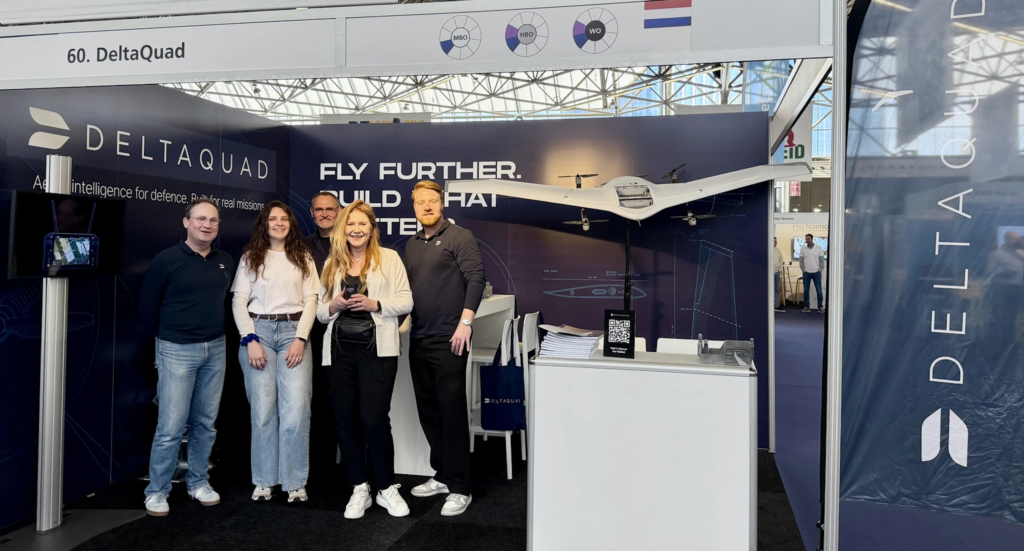
DeltaQuad discusses its engagement with the PX4 developer community and the wider open source ecosystem during two consecutive events centered on real-world autonomous flight performance.
Discussions in Leuven and demonstrations in Brussels consistently focused on practical Vertical Take-Off and Landing (VTOL) autonomy, operational constraints, and system behavior outside controlled environments.
Technical Dialogue in Leuven
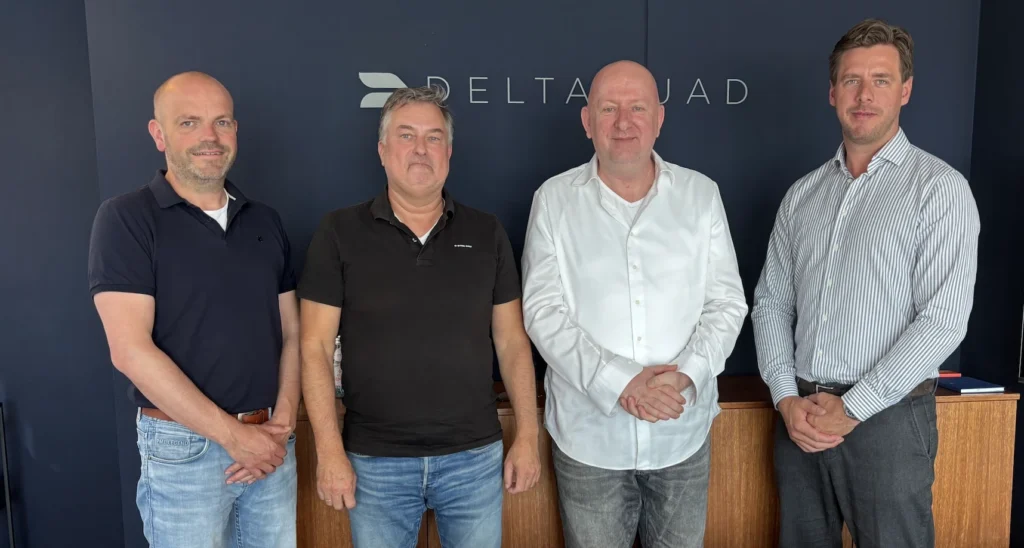
 On January 30, DeltaQuad engineers met with PX4 developers and robotics specialists, quickly moving into detailed technical exchanges. Conversations addressed GPS spoofing, flight control behavior in operational conditions, signal consistency, flight controller responses, system limits, and subsystem integration. Participants examined design decisions and how the platform manages unexpected disruptions.
Developing VTOL systems for deployment requires autonomy that remains reliable in imperfect environments. This depends on close coordination between hardware and software from the outset. Engagement with the PX4 community supports shared problem solving and continued refinement of technical approaches.
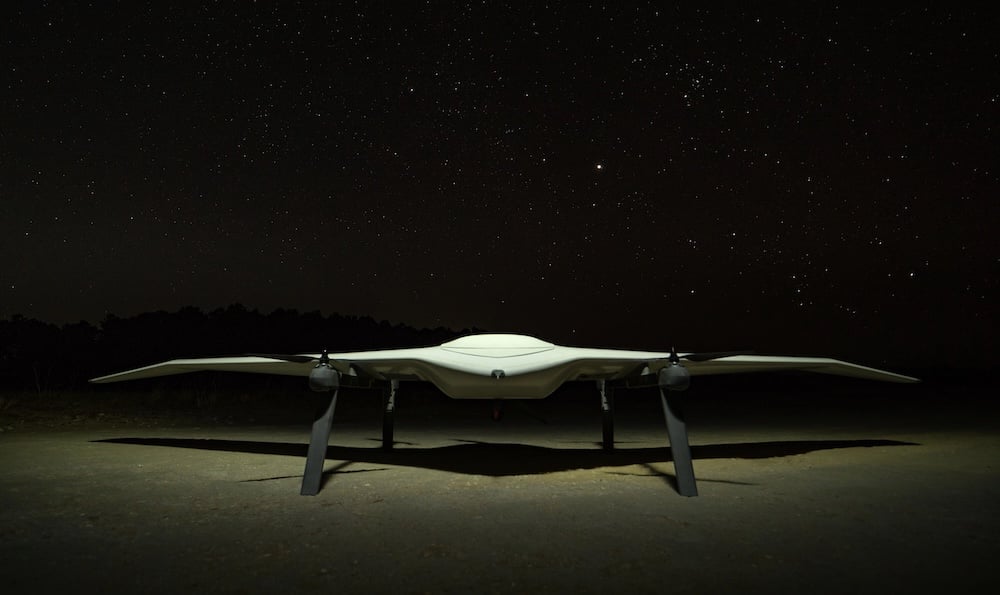
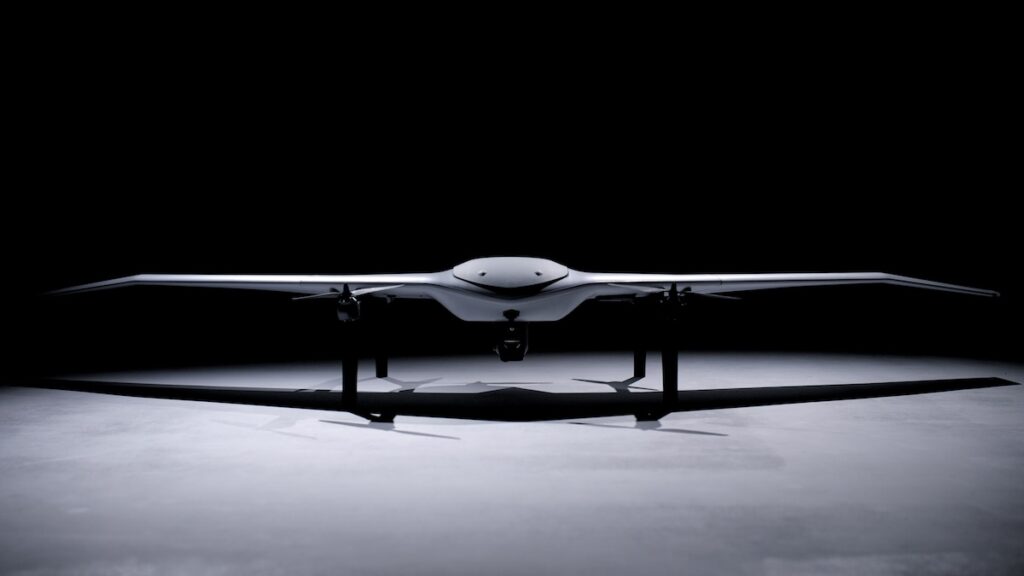
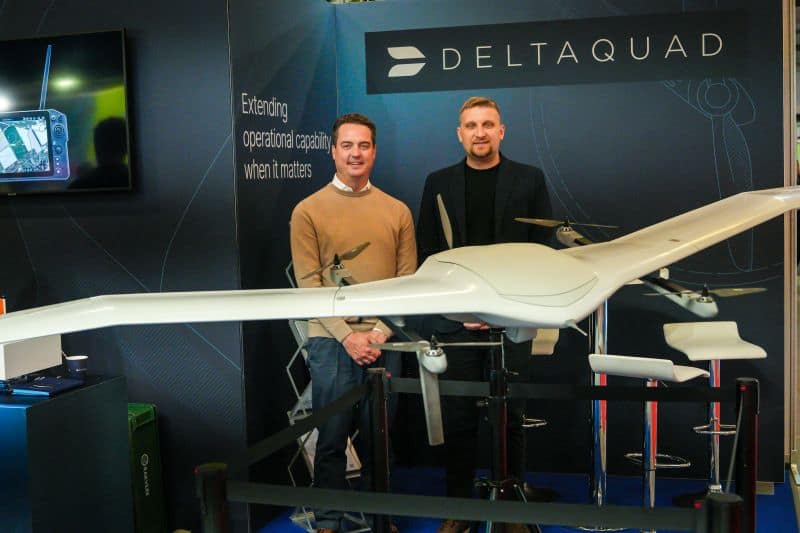
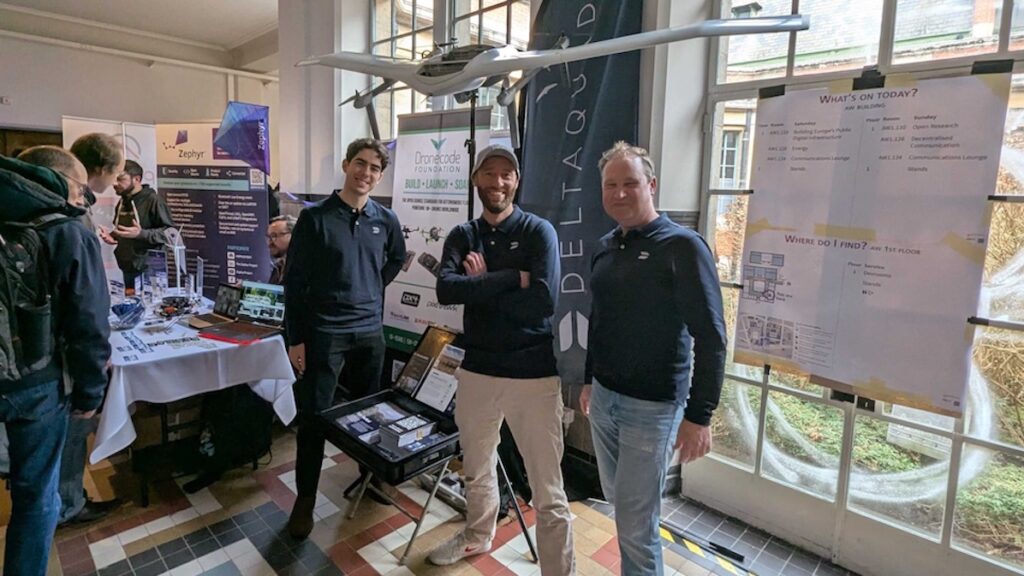
DeltaQuad EVO at FOSDEM
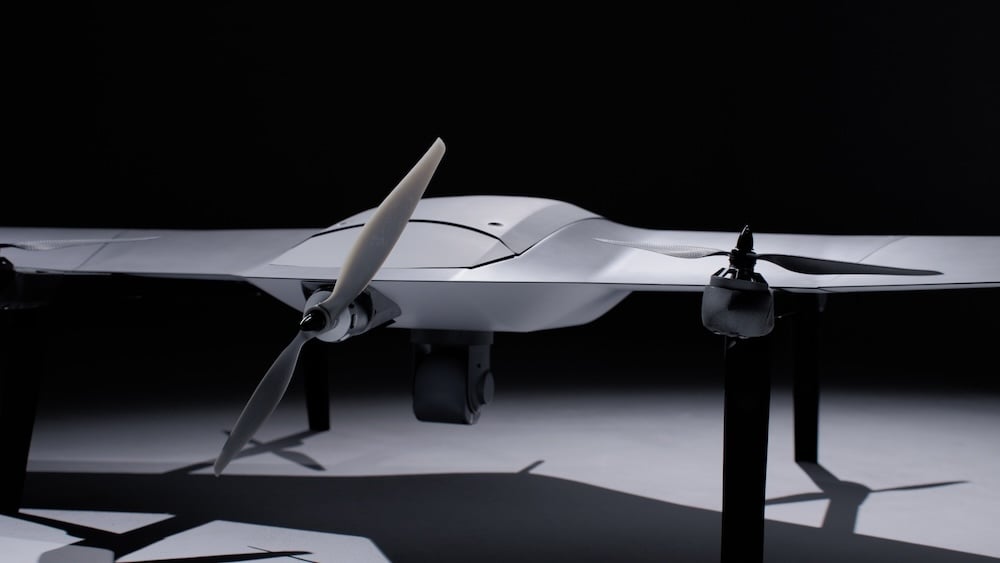
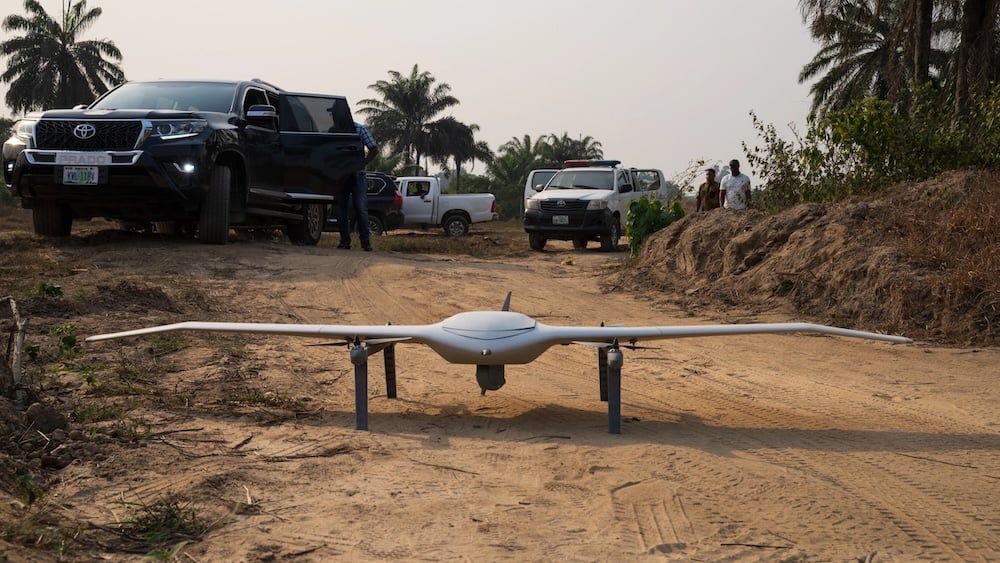
The following day in Brussels, the DeltaQuad EVO was displayed at the entrance to FOSDEM, drawing steady interest throughout the event. Visitors asked about the software stack, system architecture, the transition from development to deployment, and performance in wind, interference, and rough terrain.
Across both settings, the emphasis remained on how engineering decisions translate into dependable field performance.
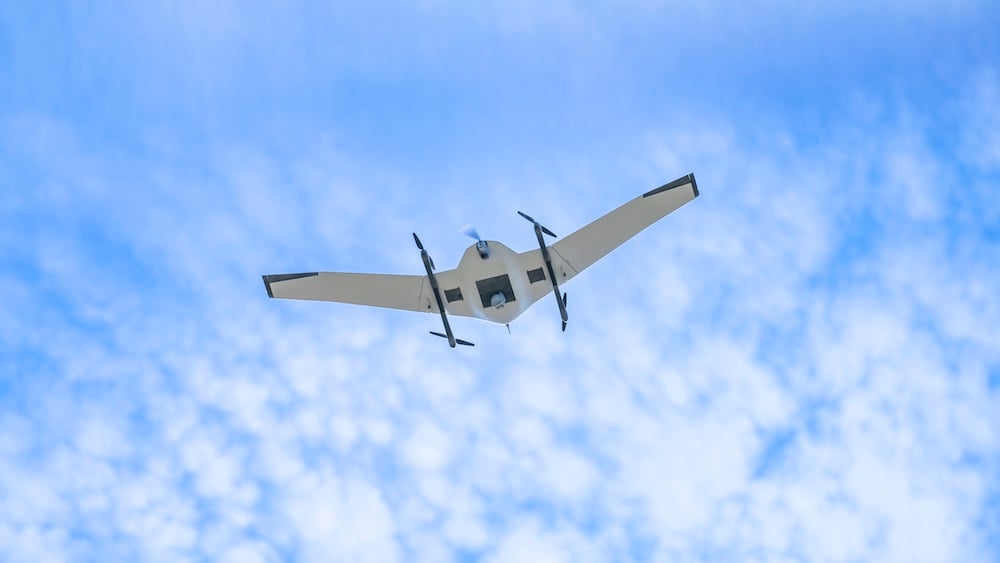
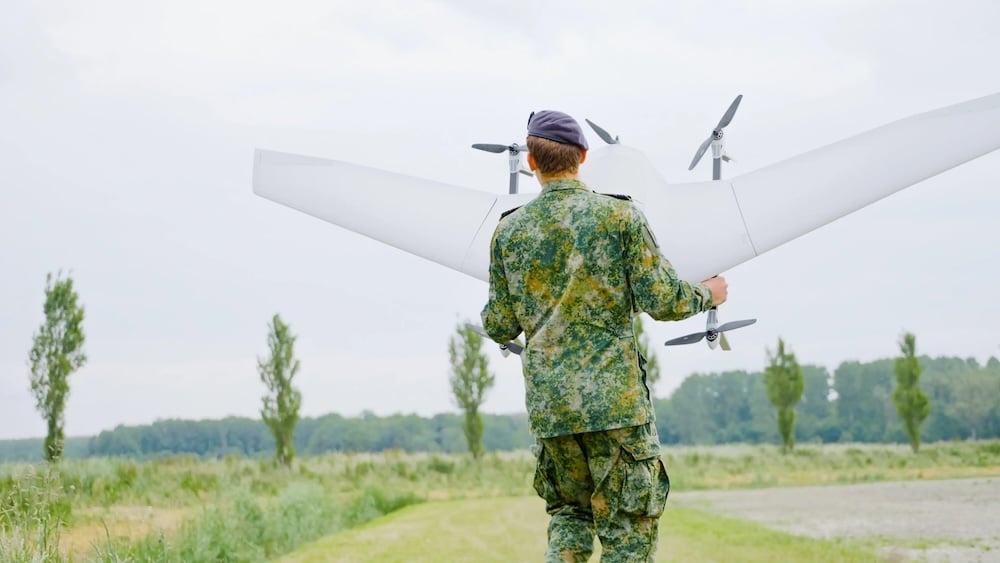
DeltaQuad combines open-source flight control and autonomy with production-ready VTOL platforms. Every improvement is required to perform reliably during real missions, not only under test conditions. As systems advance and mission complexity increases, expectations for performance and reliability continue to rise. To address these evolving demands, the team continues to strengthen its technical expertise and collaborate closely, supporting ongoing professional development while adapting to changes across the field.