
D-Fend Solutions, a developer of RF-Cyber based Counter-Unmanned Aerial Systems (C-UAS) technologies, explores the role of drone enforcement in enabling the safe expansion of commercial and governmental Unmanned Aerial Vehicle (UAV) operations. Read more >>
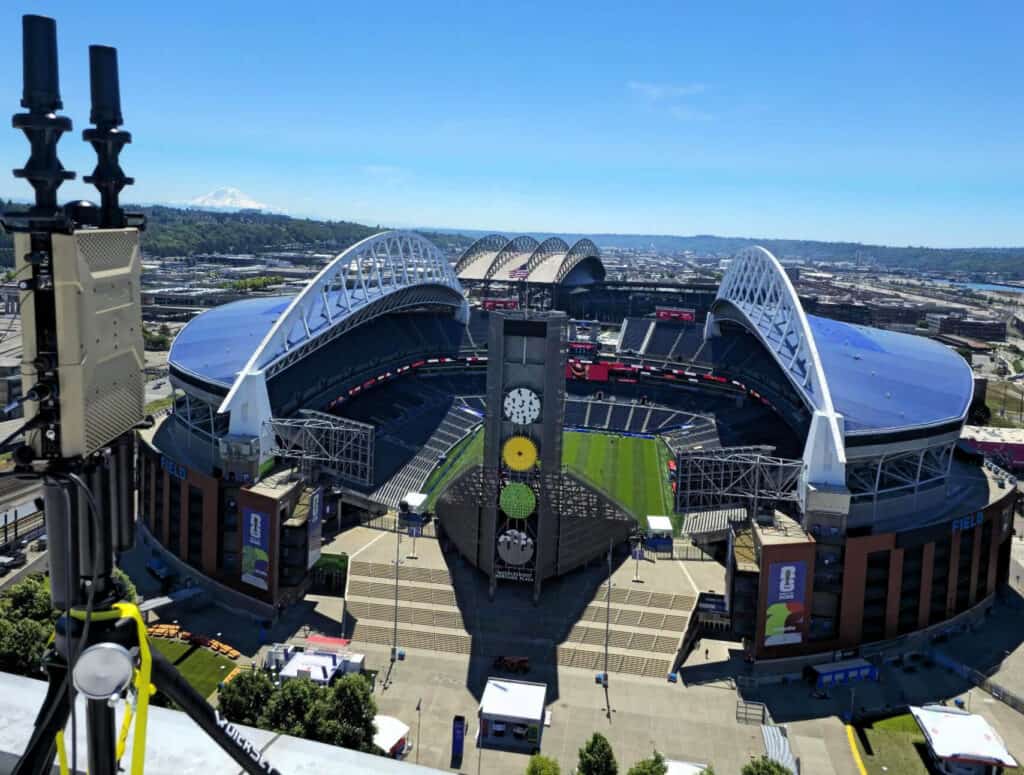
As UAV use continues to grow across sectors including infrastructure inspection, agriculture, logistics, and emergency response, the number of drones operating in shared airspace is increasing rapidly. This growth brings operational benefits but also introduces new challenges, including unauthorized drone activity near airports, restricted zones, critical infrastructure, and public events.
Drone enforcement relies on regulatory frameworks supported by operational technologies that maintain safe and controlled airspace. Traditional enforcement approaches focused on oversight and penalties after violations occurred, but the scale and speed of UAV activity require real-time detection and response capabilities that can identify unauthorized drones before they create safety risks.
Counter-UAS technologies support these operational requirements by enabling authorities, public safety agencies, and infrastructure operators to detect and mitigate rogue drone activity while allowing legitimate UAV missions to continue. Modern drone enforcement focuses on precision rather than restriction, ensuring that only drones posing a threat are addressed while authorized operations remain unaffected.
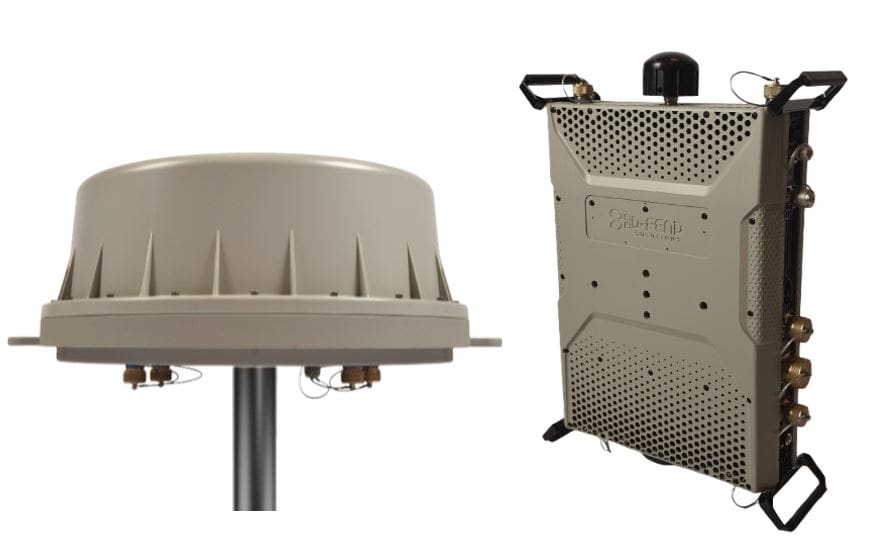
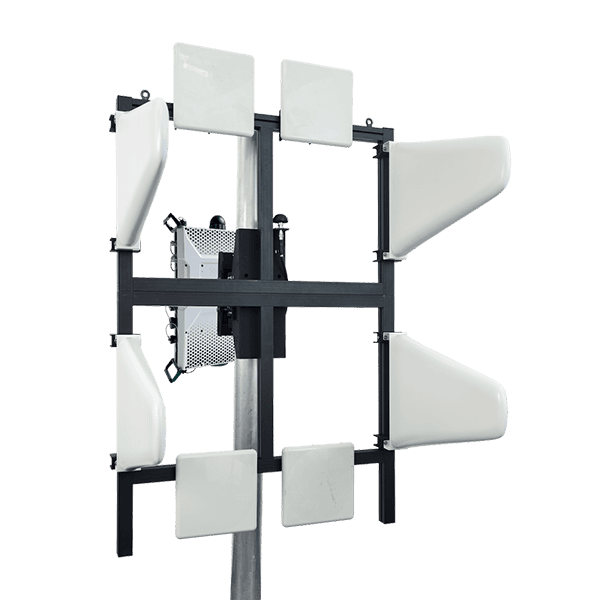
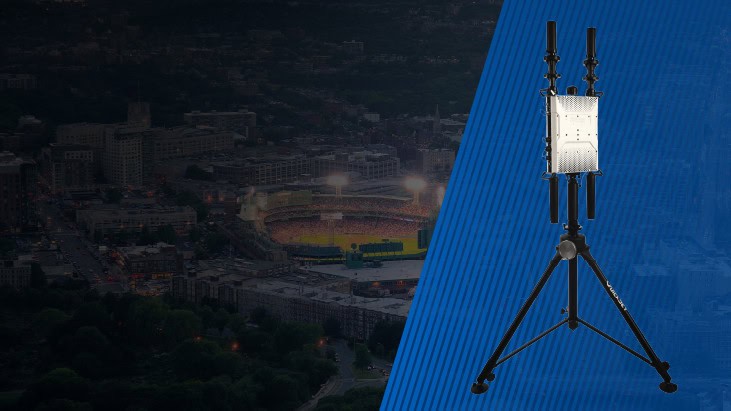
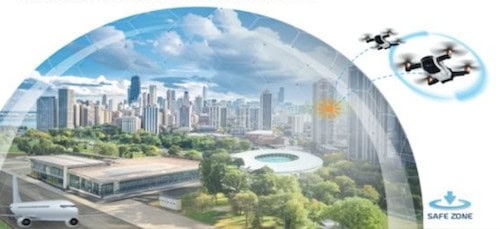
D-Fend Solutions’ EnforceAir system provides operational enforcement capability through non-jamming, non-kinetic RF cyber-takeover technology. The system detects, tracks, and takes control of unauthorized drones, guiding them to a safe landing zone while preserving continuity for authorized UAV activity in the surrounding airspace. By avoiding jamming or kinetic mitigation methods, the system prevents interference with communications, navigation, or nearby equipment.
Drone enforcement technologies also operate alongside broader airspace management frameworks. Integration with UAV Traffic Management (UTM), radar systems, and Air Traffic Control (ATC) supports shared situational awareness, coordinated responses, and real-time decision-making among aviation authorities, enforcement agencies, and operators.
This interoperability enables enforcement tools to feed verified data into common platforms, improving threat assessment and mitigation while minimizing disruption to legitimate drone operations. Industries that rely on aerial assets, including construction, energy, transportation, mining, and agriculture, benefit from secure and uninterrupted operations as enforcement systems identify and resolve incidents before escalation.
Effective drone enforcement supports the continued expansion of the global UAV ecosystem by maintaining safe, trusted airspace while enabling the growth of lawful commercial and governmental drone operations.