



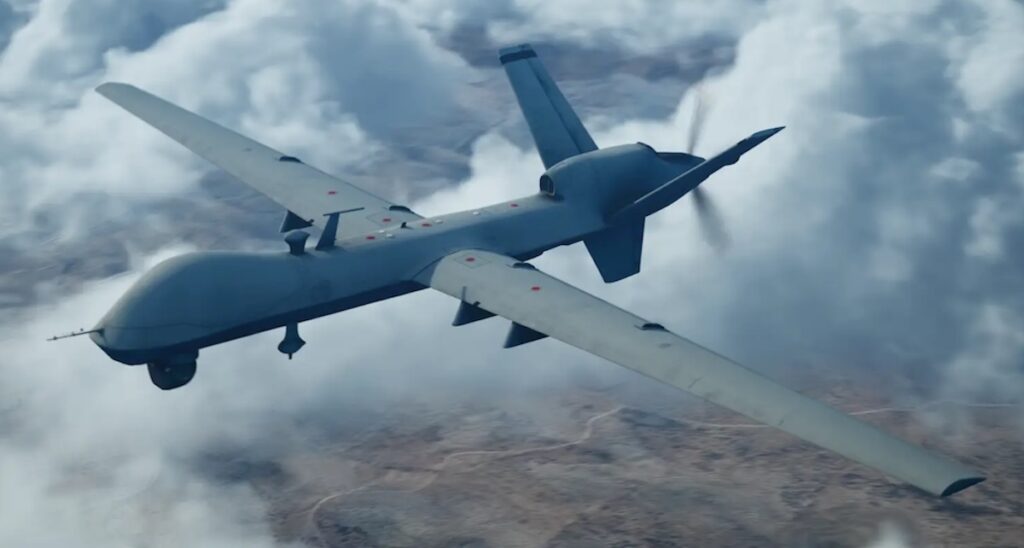
Allient Inc. has released a new whitepaper explaining the motor technologies used in drone systems and how engineers can select the right motor for specific Unmanned Aerial Vehicle (UAV) applications.
As drones continue to expand across defense, security, and industrial sectors, motors play a critical role in determining payload capacity, endurance, controllability, and overall system reliability.
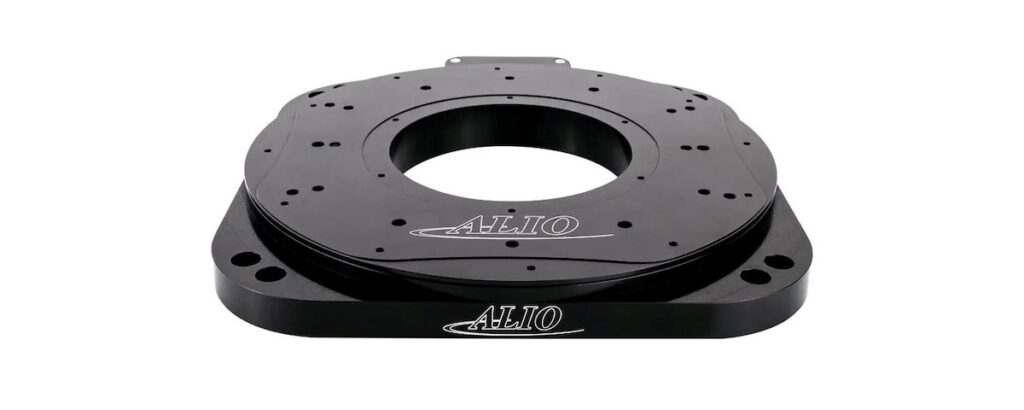
Motors are used throughout modern drone platforms, most notably in propulsion systems that generate lift, hovering capability, climb, and forward flight. Multirotor drones typically rely on dedicated lift motors, while fixed-wing and hybrid Vertical Take Off and Landing (VTOL) platforms may incorporate separate propulsion systems optimized for cruise efficiency or transitions between vertical and horizontal flight. Motors are also essential in stabilized gimbal systems, enabling precise positioning of sensors such as cameras, radar, and LiDAR during dynamic flight conditions.
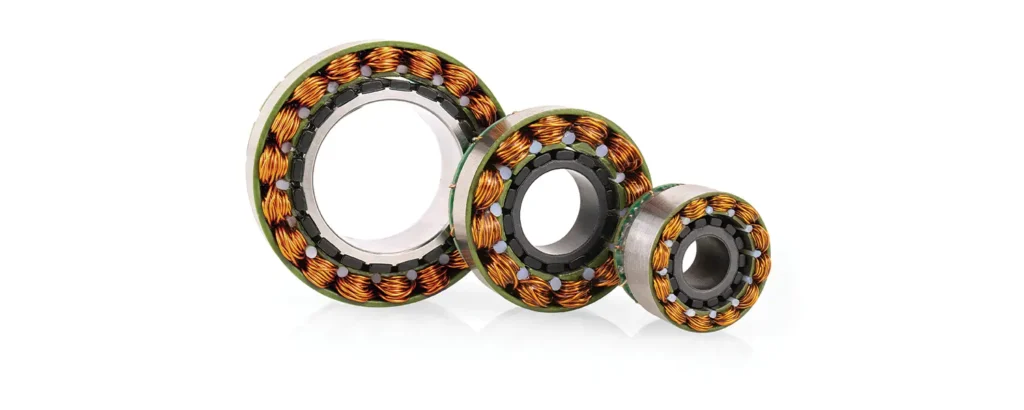
The whitepaper also examines the motor technologies most commonly used in UAV systems, including brushless DC (BLDC) and permanent-magnet synchronous motors. Outer-rotor designs are widely used in propulsion applications because they provide high torque at relatively low speeds and allow direct propeller mounting, while inner-rotor and axial-flux motors are often used in gimbals and compact subsystems that require fast response and precise control.
Key engineering considerations discussed include thrust-to-weight ratio, efficiency, KV rating, thermal behavior under airflow cooling, and factors such as bearing life, vibration behavior, and mechanical robustness. The paper also highlights how mission profile, environmental conditions, and supply-chain compliance requirements can influence motor selection in defense and security platforms.