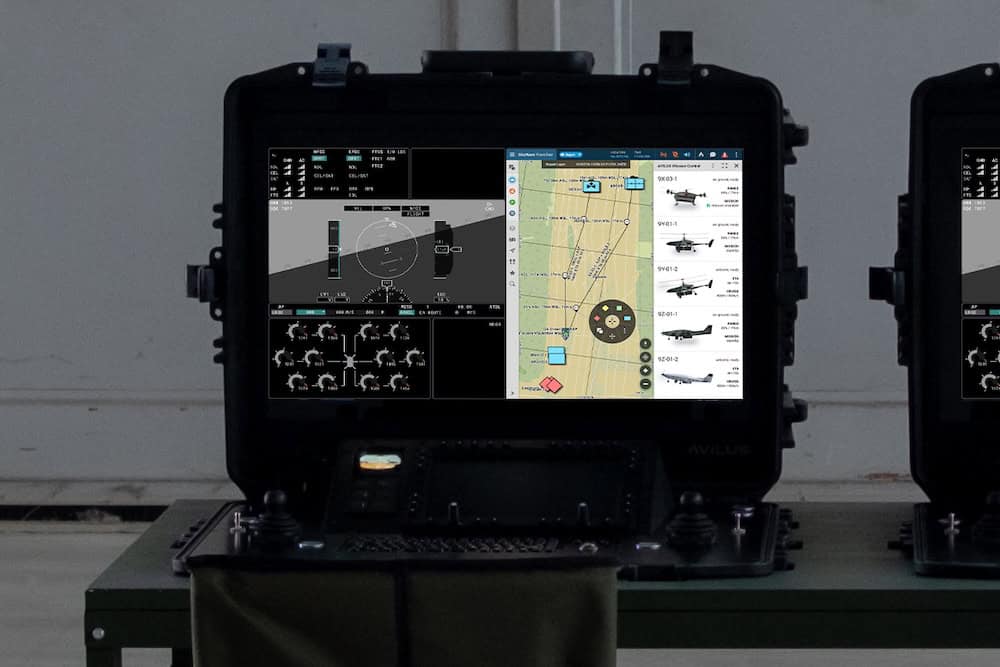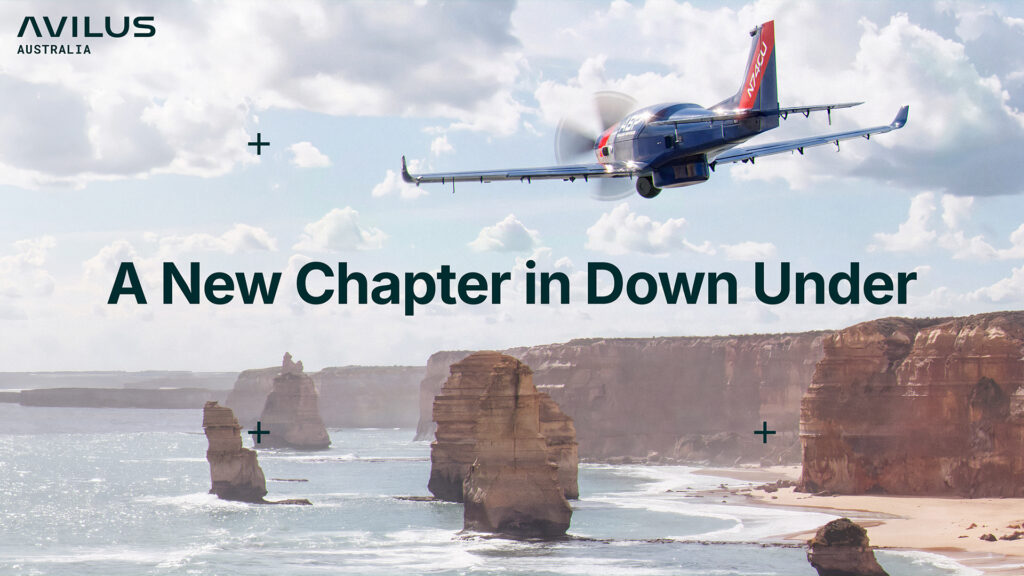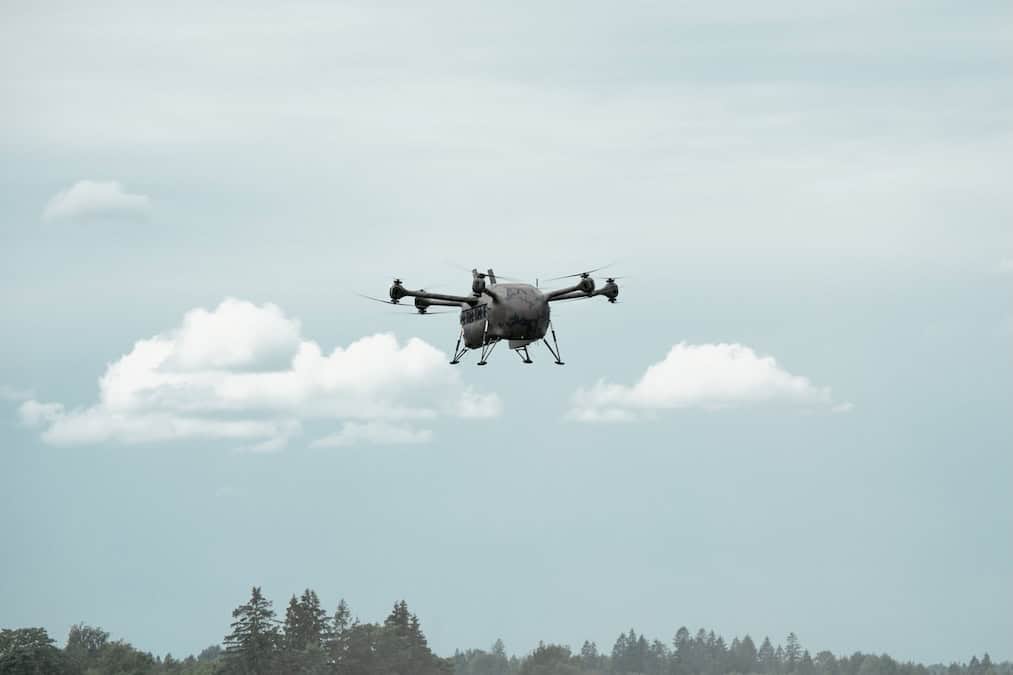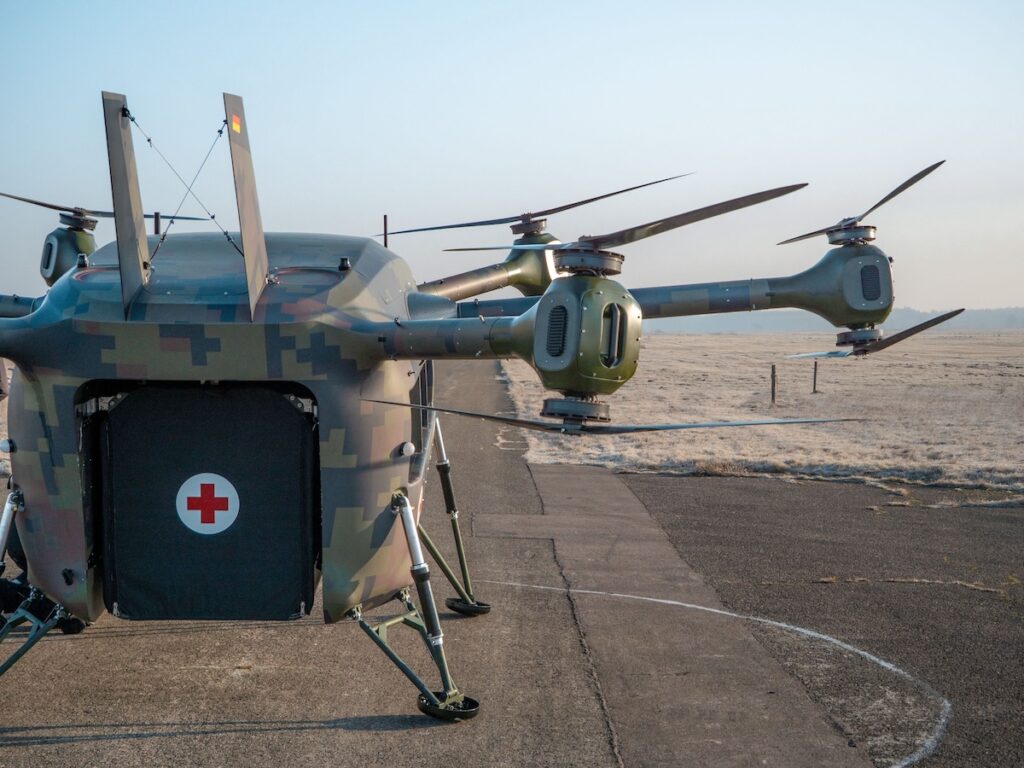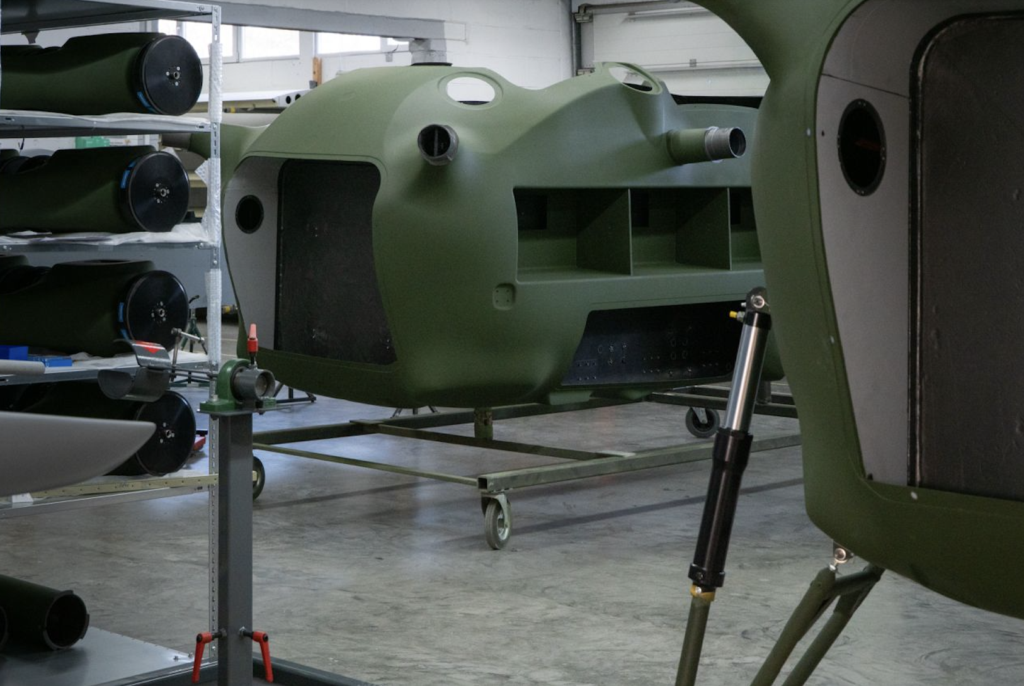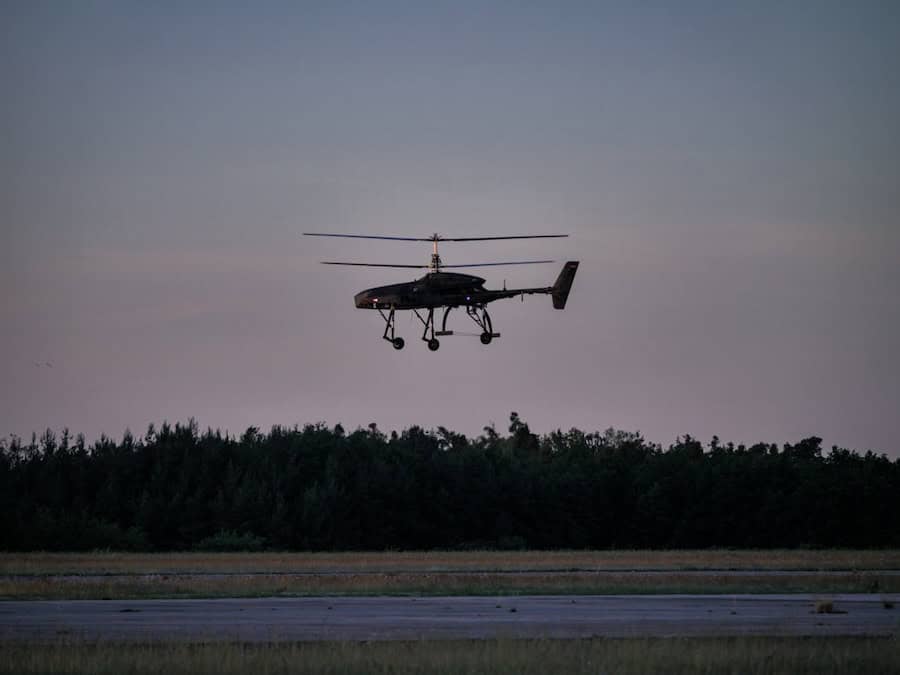



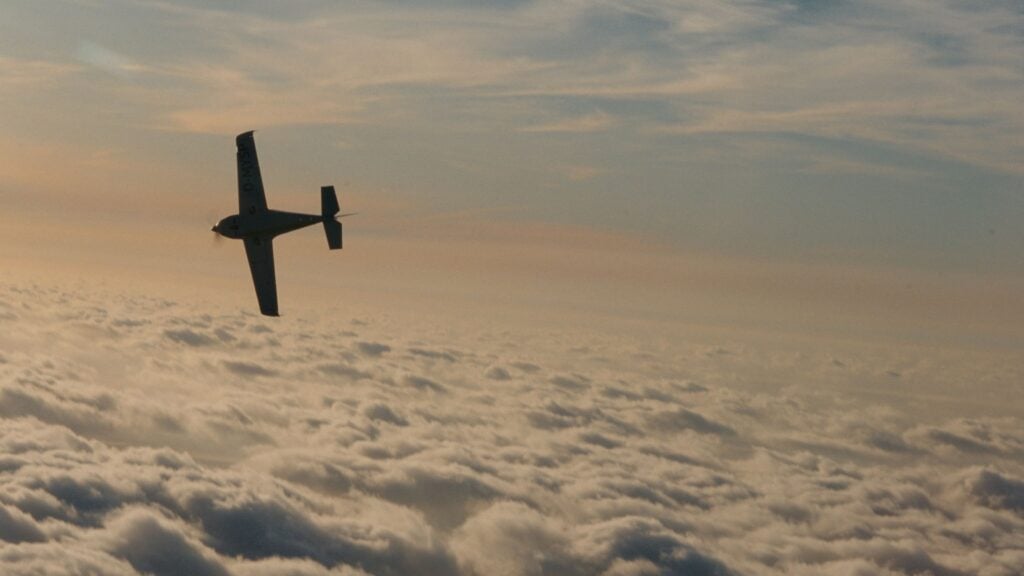
Avilus has completed a decisive milestone by successfully operating its Bussard aircraft from a ground control station in Ismaning near Munich while the aircraft was flying approximately 800km away in airspace near the North Sea.
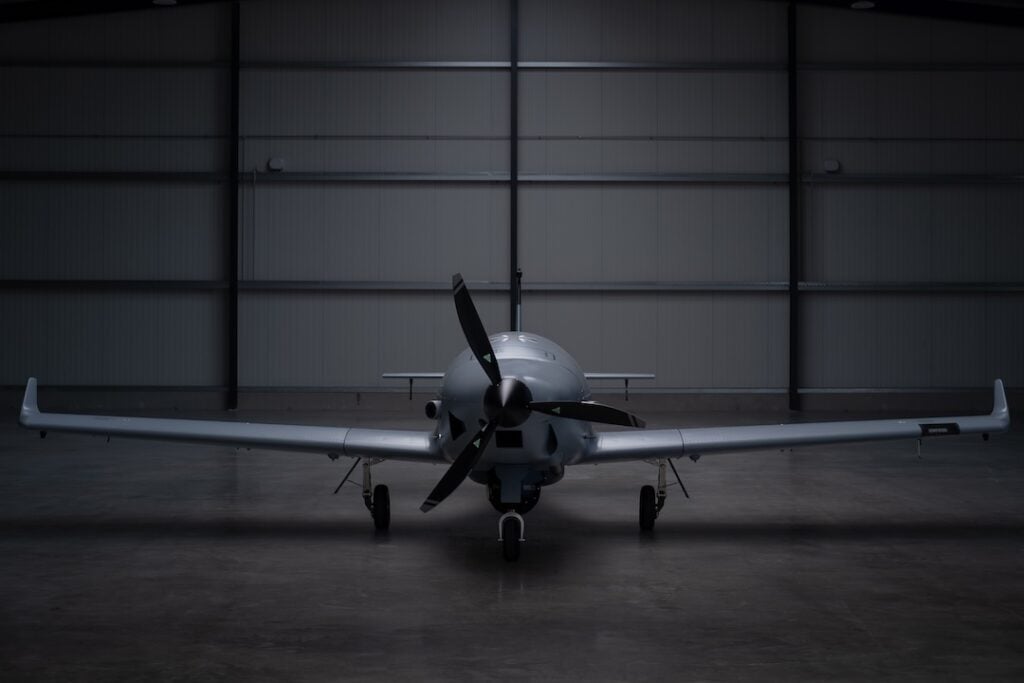
This demonstration of mission-relevant long-range control highlights the company’s objective to deliver European defense capability through a powerful dual-use system developed and produced in Germany. Designed for both civilian and military sectors, the Bussard features a range of 2,500 kilometers and a payload capacity of 150 kilograms. Its primary applications span reconnaissance, close air support, strike effects, and the monitoring and protection of critical infrastructure on land and at sea, providing reliable situational awareness and robust decision-making capabilities within short timeframes.
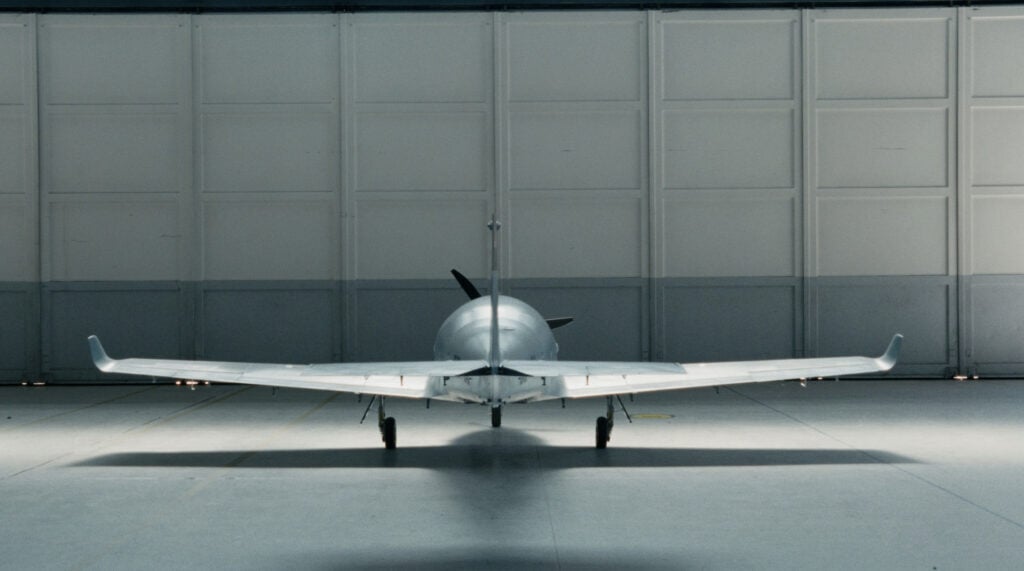
The system has a maximum take-off weight of 800 kilograms and a wingspan of eight meters, utilizing an industrially manufactured German sport aircraft platform that has proven itself over many years. This approach allows Avilus to reduce flight-hour costs to a fraction of those seen in comparable systems without compromising performance or reliability. Qualification in the European Union Aviation Safety Agency “Specific Category” enables unmanned operation during peace time, while ongoing series production in Germany ensures short-term availability and scalability.
Footage released alongside the announcement displays the Bussard in its Optionally Piloted Vehicle configuration. During the test, a pilot was on board for safety while the actual flight control was executed entirely by operators at the ground control segment near Munich.
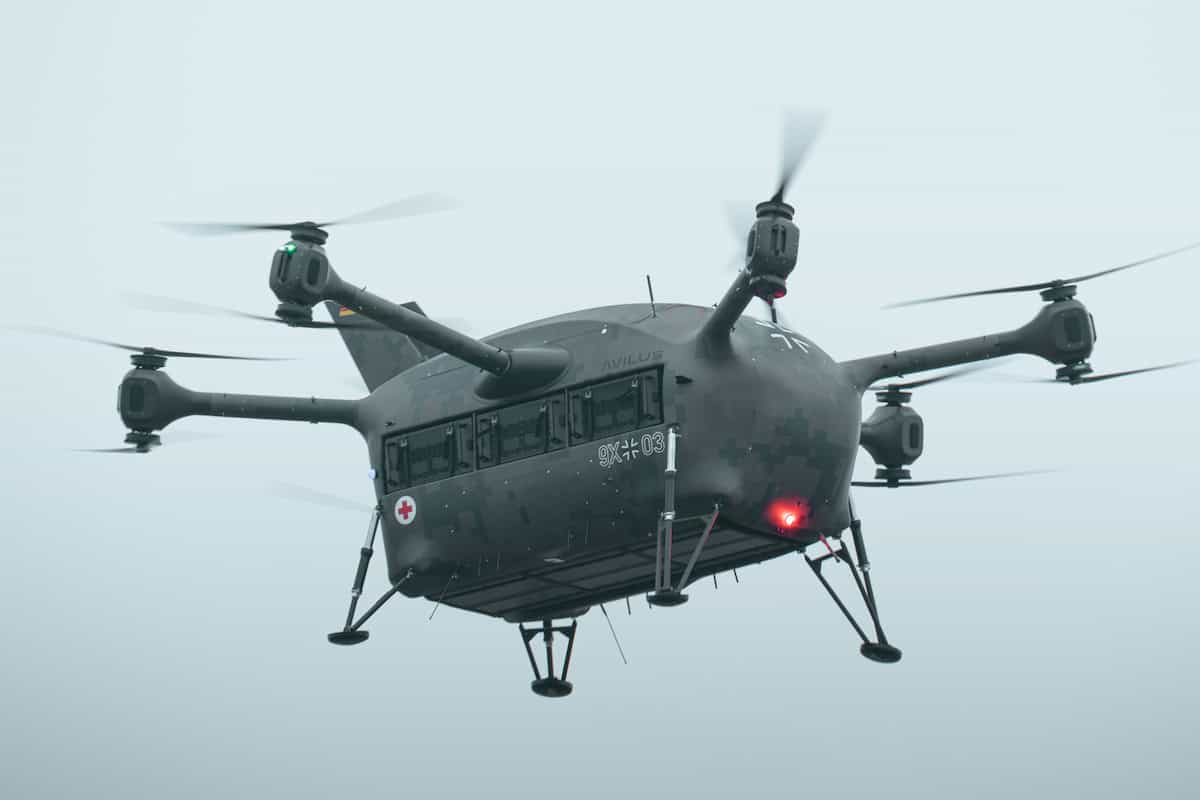
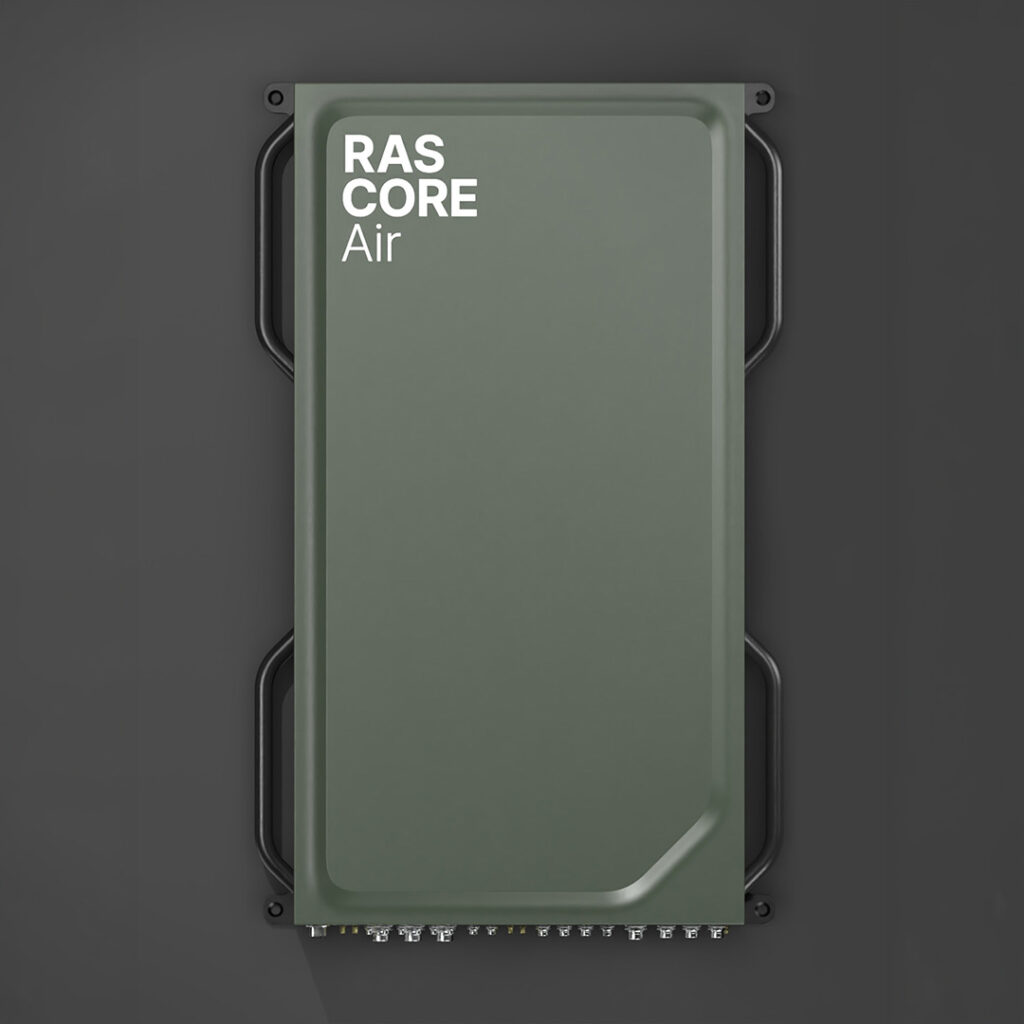
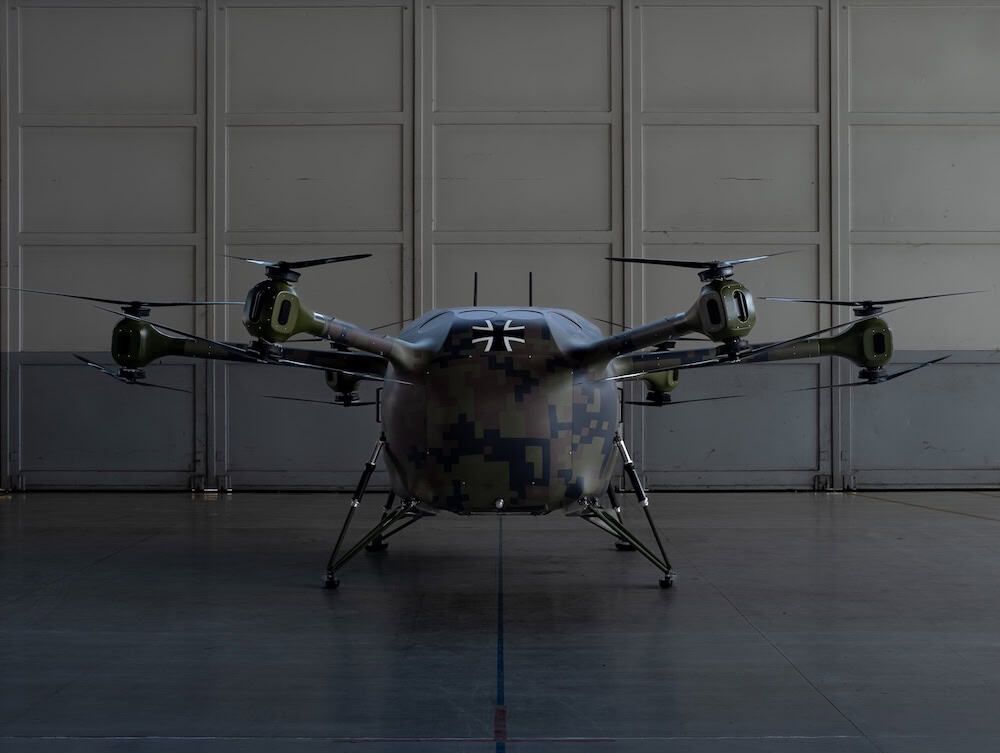
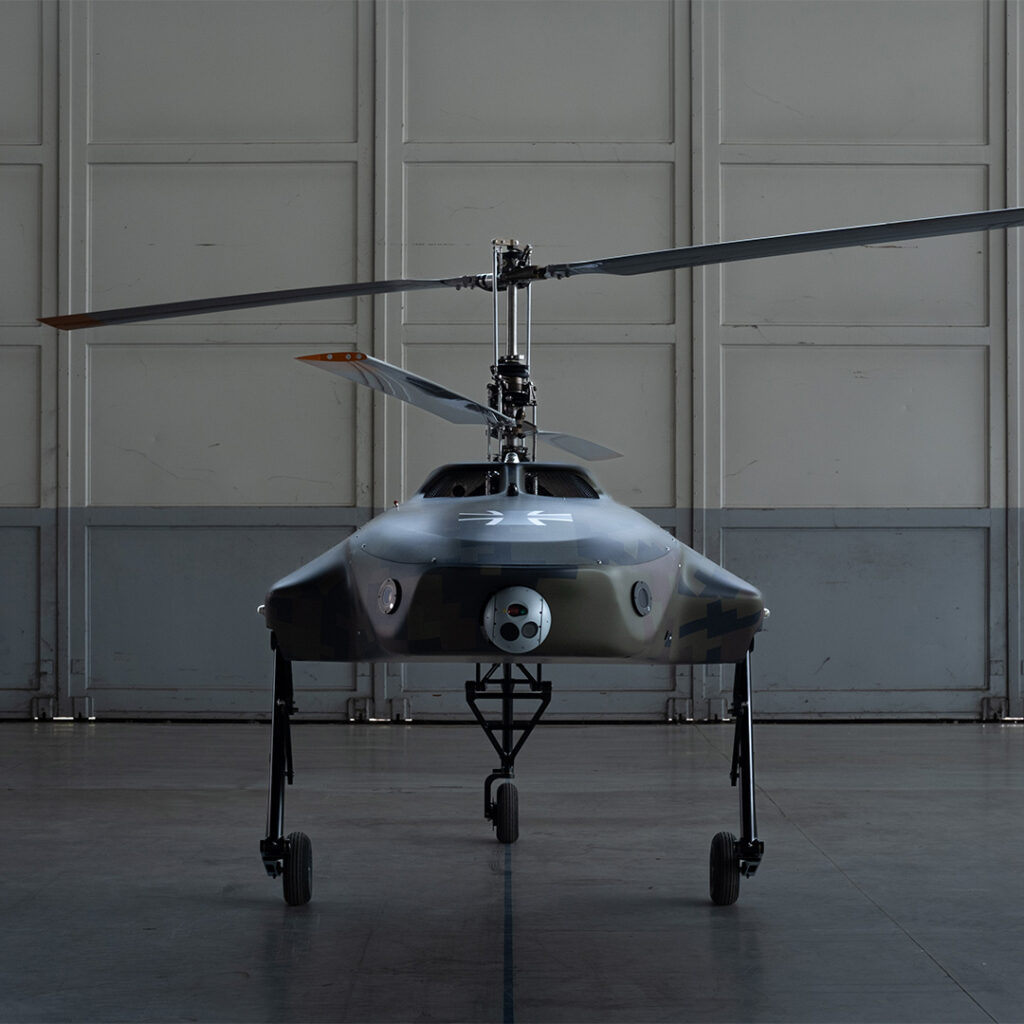
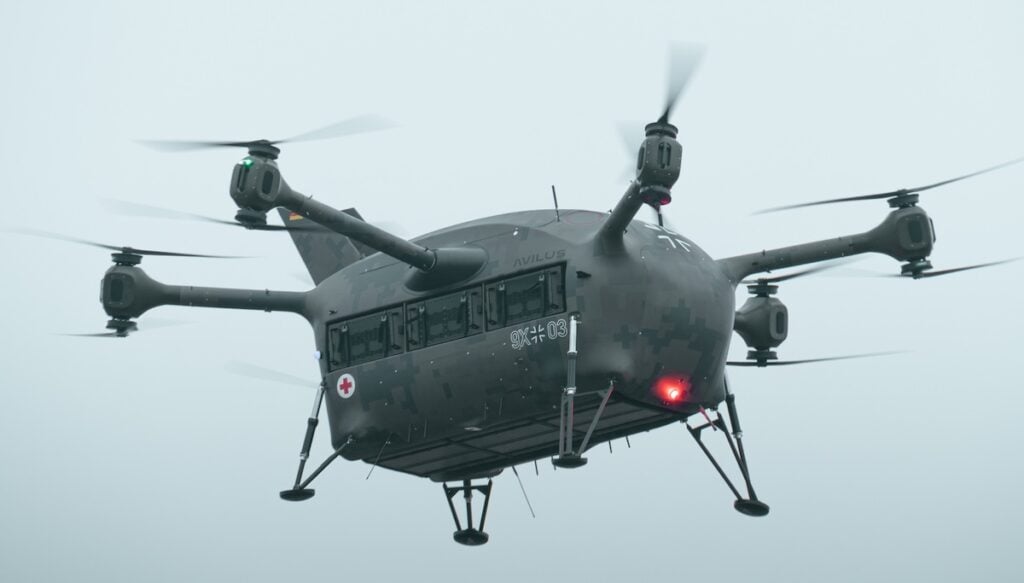
This remote operation is facilitated by RasCore, a proprietary flight control and avionics system developed by Avilus that serves as the technological foundation for the company’s entire unmanned portfolio, including the Grille and Wespe platforms.
RasCore integrates all system-critical components, including operations and mission management, flight control, sensor and navigation systems, transponders, and secure communication links between the aircraft and the ground station. From the start of development, interoperability was prioritized, and RasCore connects via interfaces directly to the battle management systems of the German Armed Forces and NATO.
While comparable programs frequently remain in the concept or prototype stage, Avilus is demonstrating these capabilities in mission-relevant environments following months of test and trial flights. The transition to a fully unmanned version of the Bussard is currently in preparation.
Niclas Bähr, CEO of Avilus, said, “This will represent our next milestone on the path toward an unmanned aircraft that combines cost efficiency, long-range capability and European sovereignty.”