Unmanned Surface Vehicles (USV)
Discover cutting-edge solutions from 8 leading global suppliers
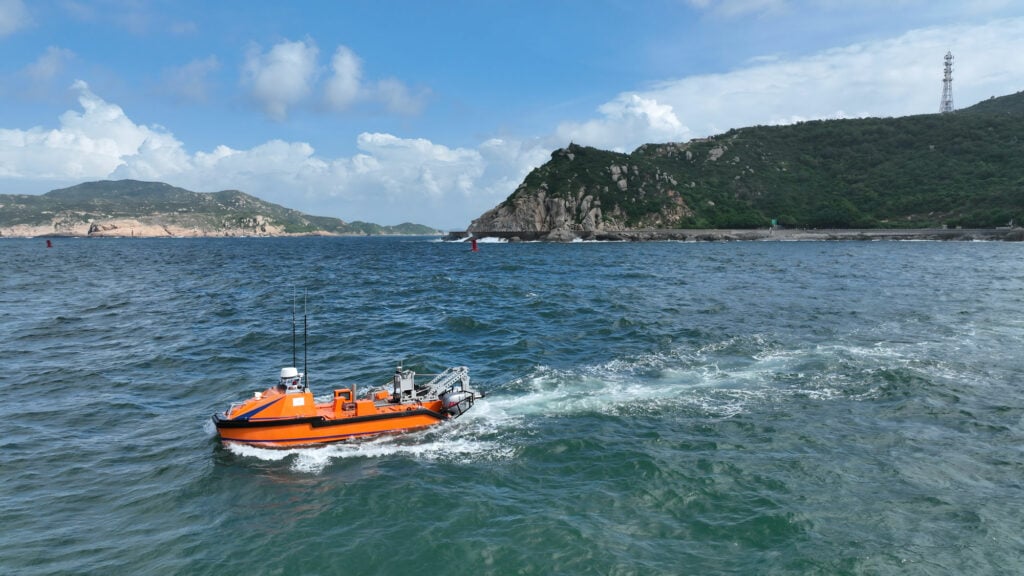
Textron Systems Corporation has finalized the sale of a 21-foot TSUNAMI™ Unmanned Surface Vessel (USV) to the Naval Information Warfare Center Pacific.
The acquisition is intended to support the testing of the Maritime Digital Experimentation Federation, an initiative involving Australia, the United Kingdom, and the United States. This AUKUS program focuses on distributing and testing interoperability standards for uncrewed vehicles across international partners. In addition to the craft itself, the agreement includes engineering and training support provided by Textron Systems.
The TSUNAMI family of autonomous vessels is designed to provide the U.S. Navy and its allies with a versatile portfolio of multi-mission uncrewed assets. These systems utilize reliable, high-performance vessels from the Brunswick Corporation, integrated with the Textron Systems CUSV vessel-based autonomy control system. By leveraging mature commercial technologies, the platform aims to deliver immediate scale and increased capacity to the fleet.
Senior Vice President, Air, Land and Sea Systems David Phillips, “The TSUNAMI craft provide the Navy with a rapidly deployable, fully autonomous solution to support their missions. Our expertise in designing and fielding trusted autonomous solutions results in a family of small, uncrewed surface vehicles (sUSVs) that are scalable, modular in design and globally sustainable, allowing for maximum mission flexibility in an attritable system.”
The family of vessels offers several variants tailored to specific mission requirements, including differences in size, speed, and range. This delivery follows a recent sale of a 24-foot variant to the Naval Surface Warfare Center Dahlgren Division.
The program represents a low-cost, rapidly deployable solution that pairs the manufacturing and design capabilities of the U.S. commercial shipbuilding industry with Textron Systems’ experience in multi-domain autonomous vehicles. As a subsidiary of Textron Inc., the company focuses on delivering modular and attritable systems that can be sustained globally to meet evolving defense needs.