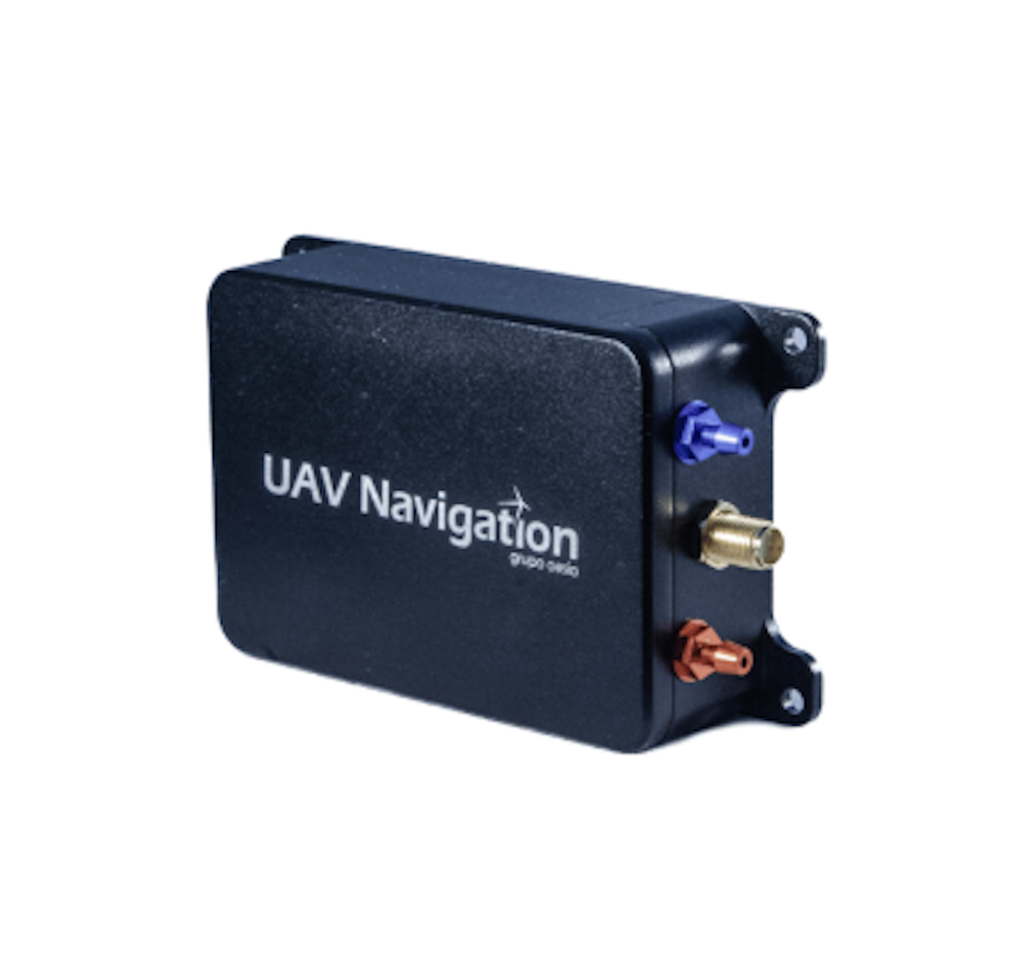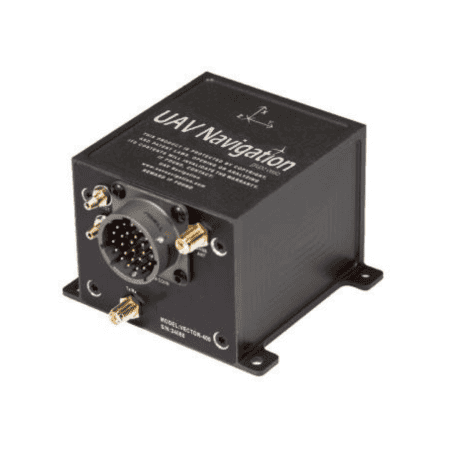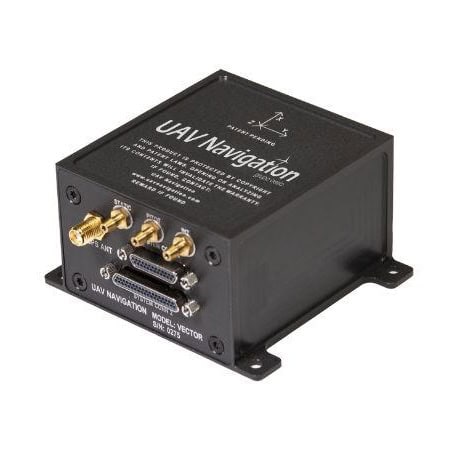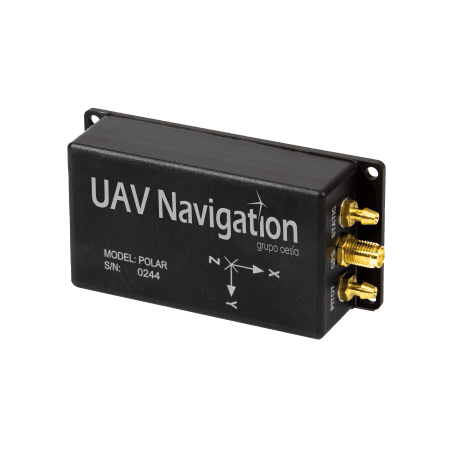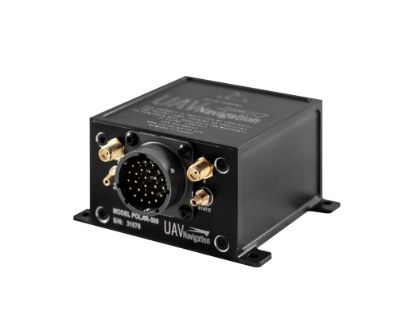



UAV Navigation-Grupo Oesía, a subcontractor of SATNUS, provided the advanced flight-control computer that powered autonomous operations during the consortium’s third FCAS/NGWS flight campaign.

The Spanish consortium SATNUS, formed by GMV, Sener, and Tecnobit-Grupo Oesía, has completed its third flight test campaign for the Future Combat Air System (FCAS) / Next Generation Weapon System (NGWS) program.
The campaign successfully validated the Manned Unmanned Teaming & Common Systems Demonstrator (MCSD), a platform based on a modified aerial target. These flights enabled the integration and testing of the Next Generation Autonomy Computer, a key component for future Remote Carrier operations.
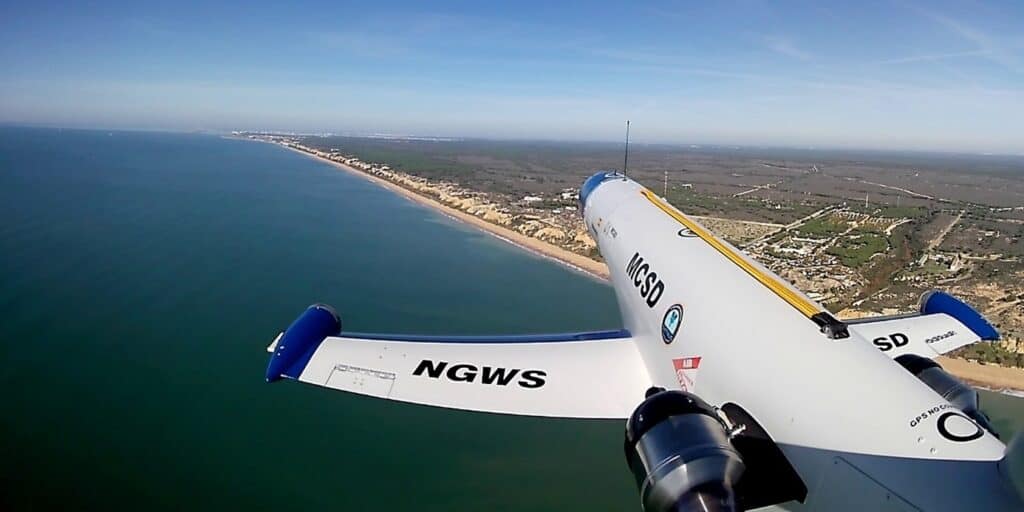
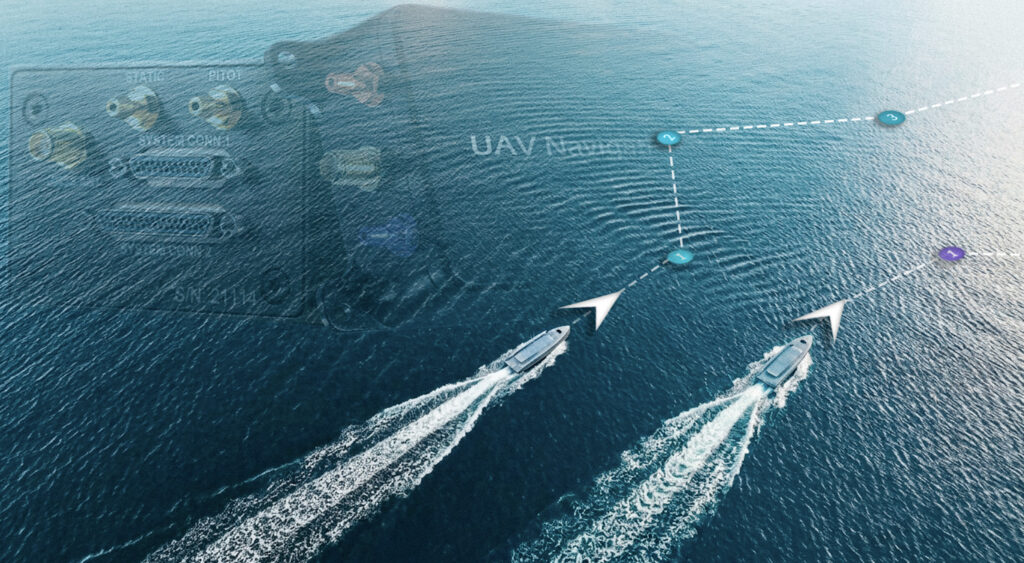
For the first time, the campaign featured missions with multiple MCSDs flying together in autonomous, coordinated formations, showcasing the advanced flight-control systems.
Through its ongoing participation, UAV Navigation-Grupo Oesía provides advanced technological solutions and comprehensive support in the development, integration, and operation of autopilot systems, an essential contribution to the program’s evolving technological capabilities and the demanding requirements of next-generation air combat systems.
SATNUS stated, “A key achievement was the successful end-to-end testing of the functional shipboard and land-based chains for multi-platform operations.”
SATNUS is undertaking this work as part of the activities assigned in Pillar 3 of the Spain-France-Germany collaboration in the NGWS/FCAS program. Pillar 3 focuses on the maturation of technologies for Remote Carriers and Manned Unmanned Teaming (MUT). UAV Navigation-Grupo Oesía contributes to Pillar 3 through a subcontract with SATNUS Technologies SL, supporting the development and risk reduction of remotely operated elements within the future combat air system.