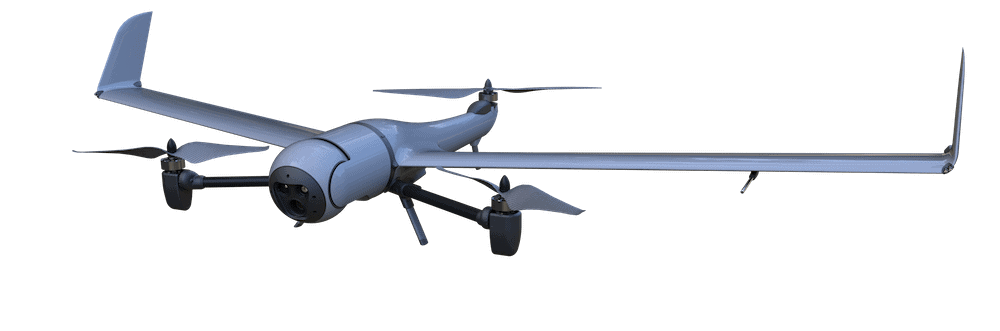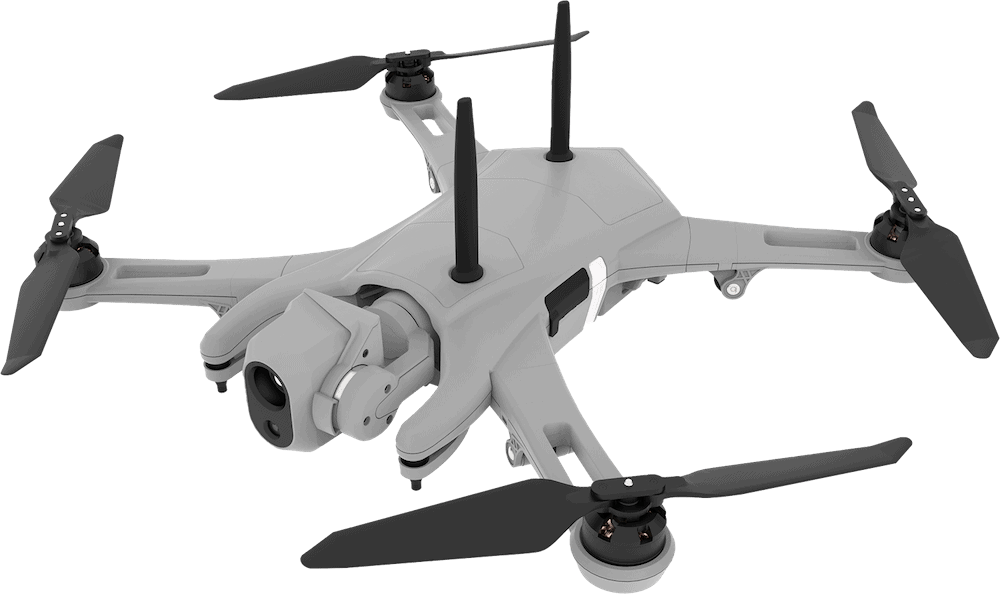

Teal Drones, a wholly owned subsidiary of Red Cat Holdings, which develops UAV intelligence and situational awareness technologies, has earned AS9100 certification from NSF International Strategic Registrations (NSF-ISR).
The AS9100 standard is the globally recognized benchmark for quality management in the aviation, space, and defense sectors. It is based on ISO 9001, having been developed by the International Aerospace Quality Group (IAQG).
Red Cat Holdings’ new certification was achieved through a rigorous audit process, reaffirming Teal’s commitment to operational excellence, continuous improvement, and process innovation.
This achievement, secured in July 2025, ensures Teal Drones will continue to meet the highest standards in the industry, delivering high-performing unmanned systems that are designed, built, and serviced in the United States, while strengthening customer satisfaction.
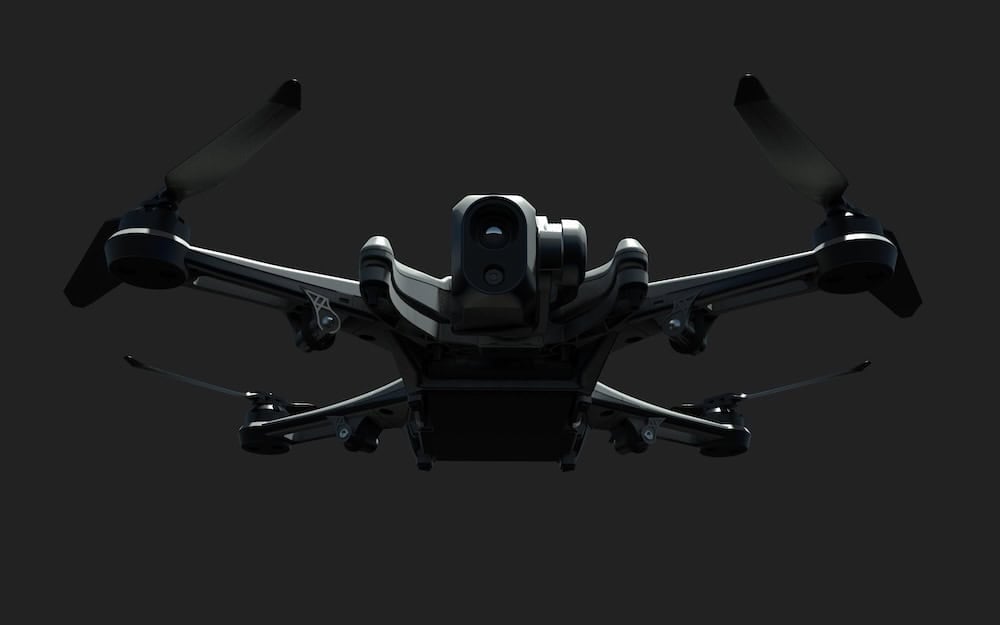
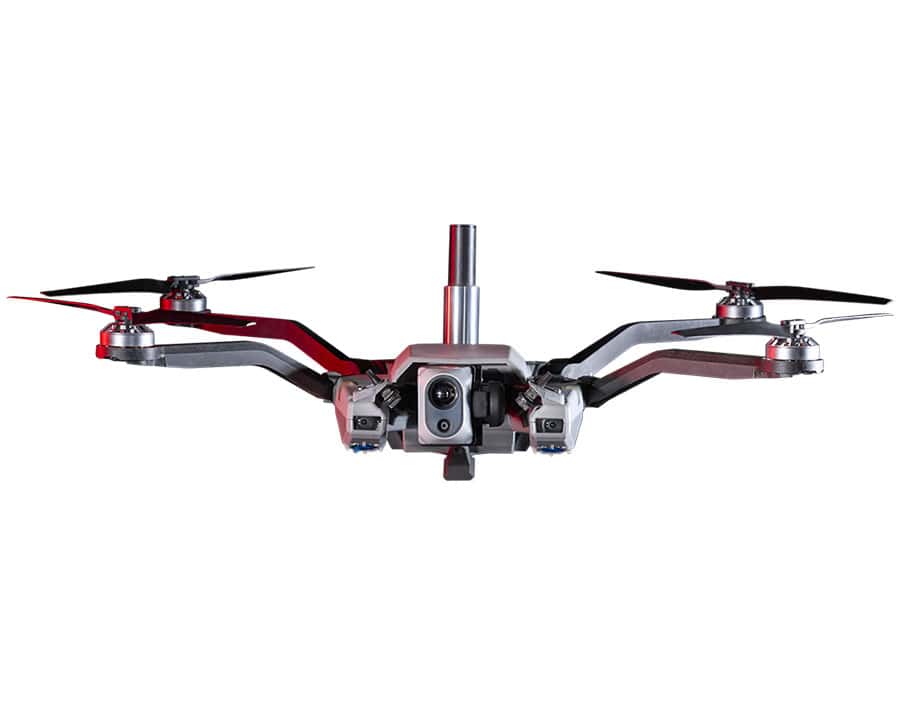
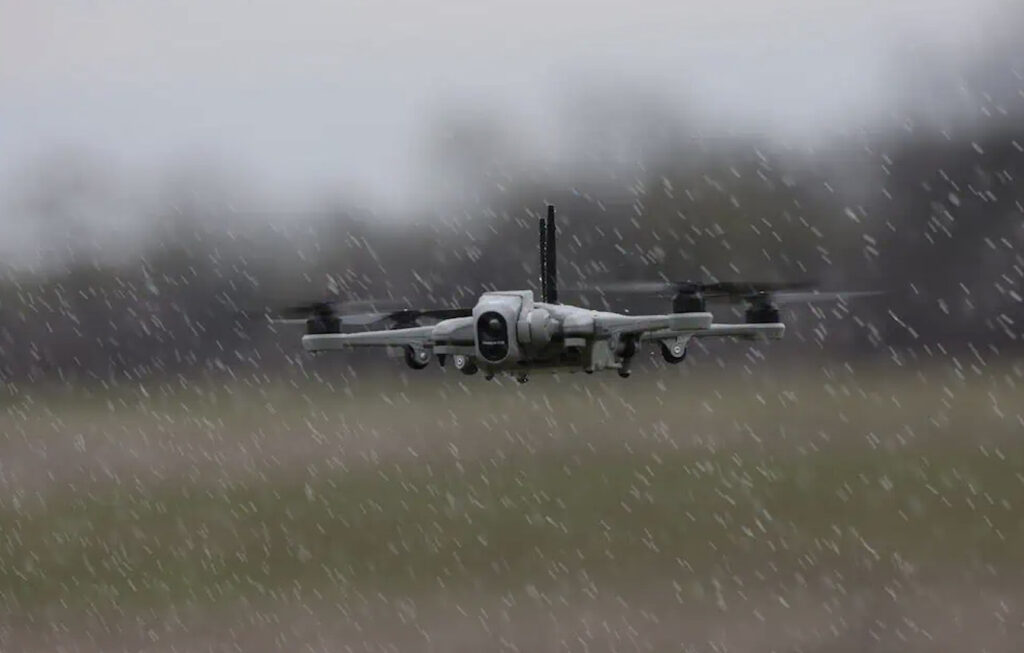
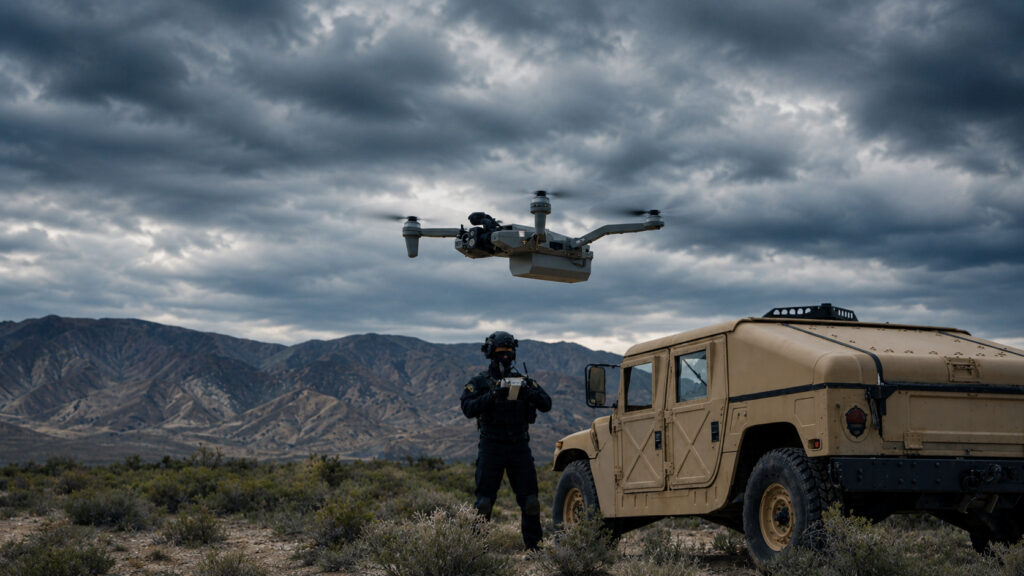
The confirmation of the AS9100 standard also showcases to buyers and partners that Red Cat’s Black Widow™ secure, NDAA-compliant ISR drone, is supported by a robust quality management system.
The Black Widow, designed to deliver real-time intelligence at the tactical edge and meet the mission-critical needs of U.S. and allied forces, was selected as the winner of the U.S. Army’s Short-Range Reconnaissance (SRR) Program.
Mike McCormick, Quality System Manager at Teal Drones, stated, “Earning AS9100 certification is a major milestone for Teal Drones and comes at a pivotal moment in our growth. It validates the strength of our processes and the dedication of our team, and it gives our customers added confidence that we can consistently deliver mission-ready systems at scale. This certification comes at a time when we are expanding our facilities and manufacturing capabilities to meet rising demand for our drones while maintaining the highest standards the industry requires.”
Red Cat’s recognized commitment to UAV quality, safety, and innovation reinforces its role as a trusted domestic manufacturer and its dedication to strengthening the resilience of America’s drone industrial base.