Alva Industries showcases another episode of its Tech Torqs series, where technical questions about motors and motion are answered in under a minute, with this video discussing ‘What is magnetic saturation, and how does it limit motor performance?’.
Matteo, a Motor Design Engineer at Alva, explains what happens when a motor’s core reaches its magnetic limit. He notes that saturation occurs when magnetic materials, such as an iron core, can no longer increase their magnetization even if a stronger magnetic field is applied.
Because current produces a magnetic field, once the core is saturated, adding more current no longer increases torque. To prevent this, motor designers carefully size the iron core to ensure the magnetic field remains within the material’s saturation limits.
In slotted motors, this requires balancing performance and weight by optimizing the lamination stack, which often restricts transient torque and overload capacity in lightweight designs.
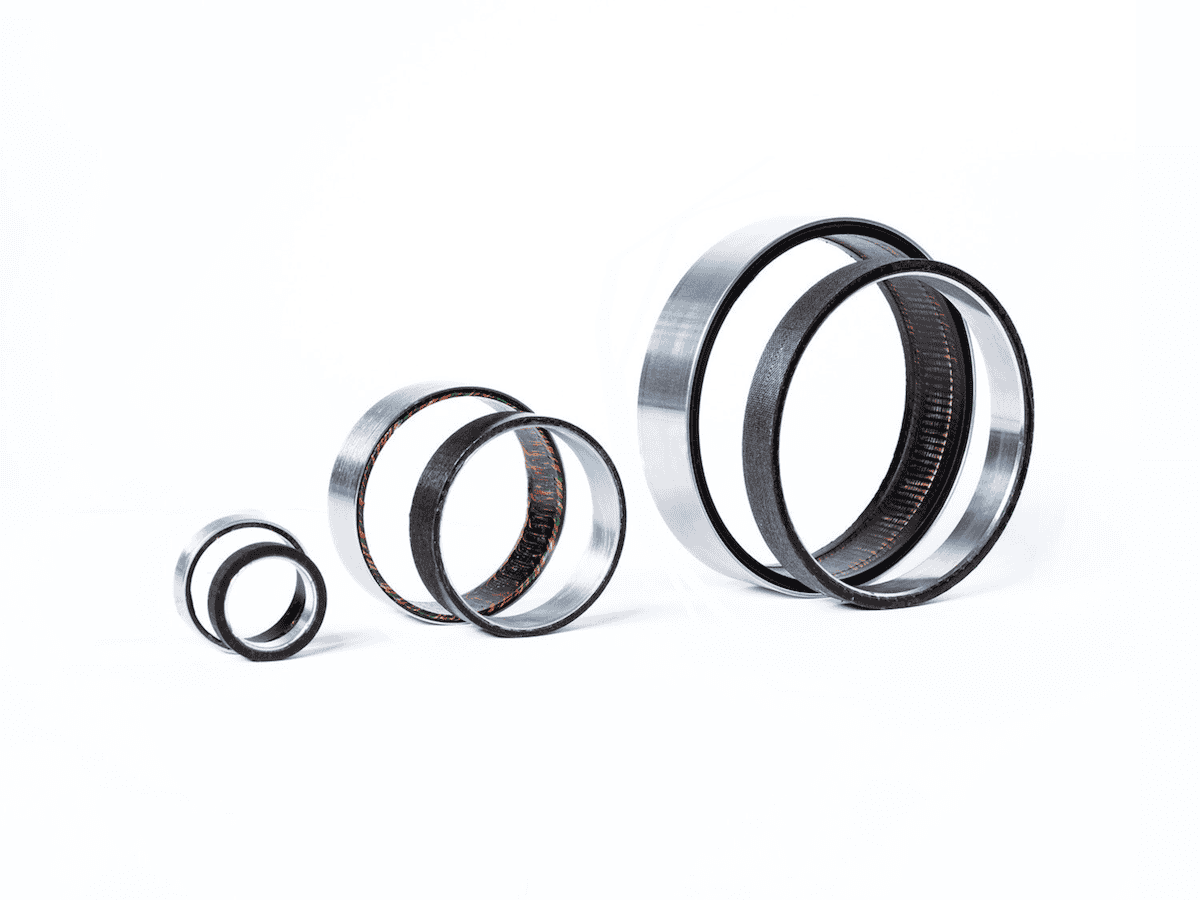
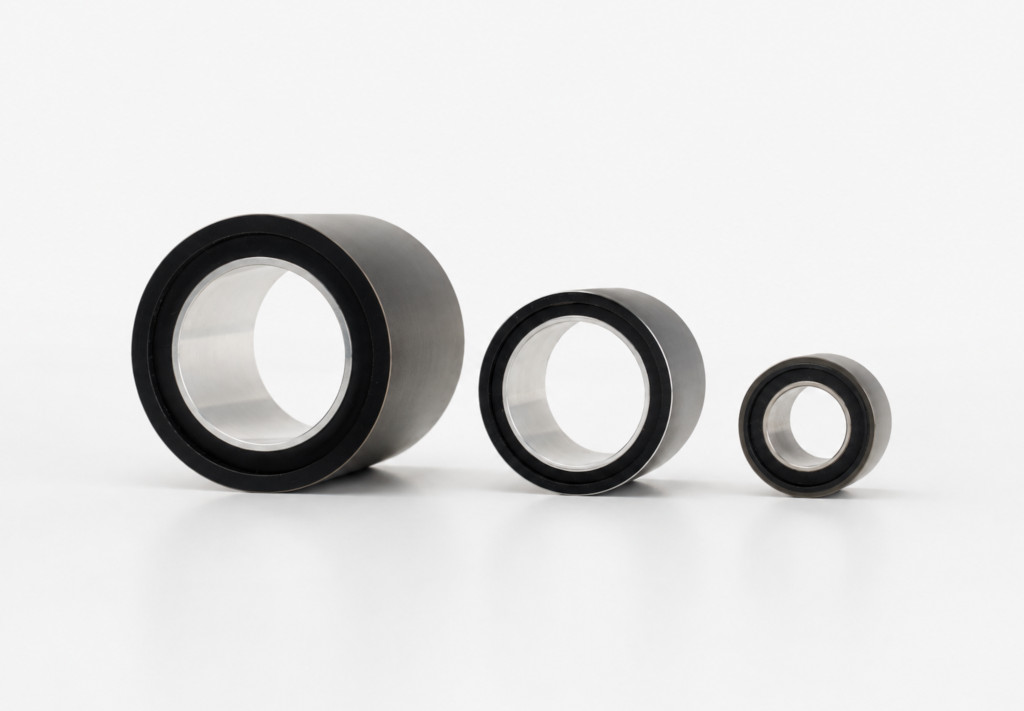
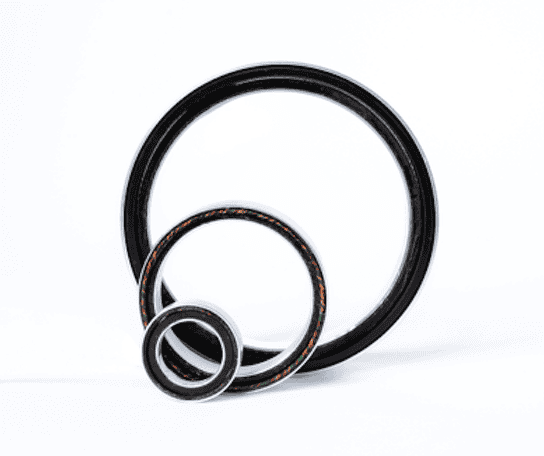
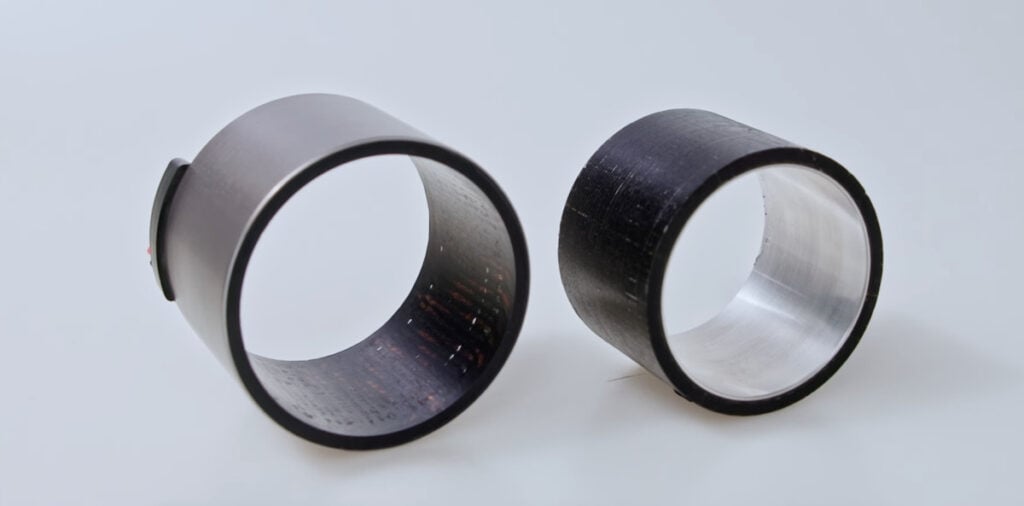
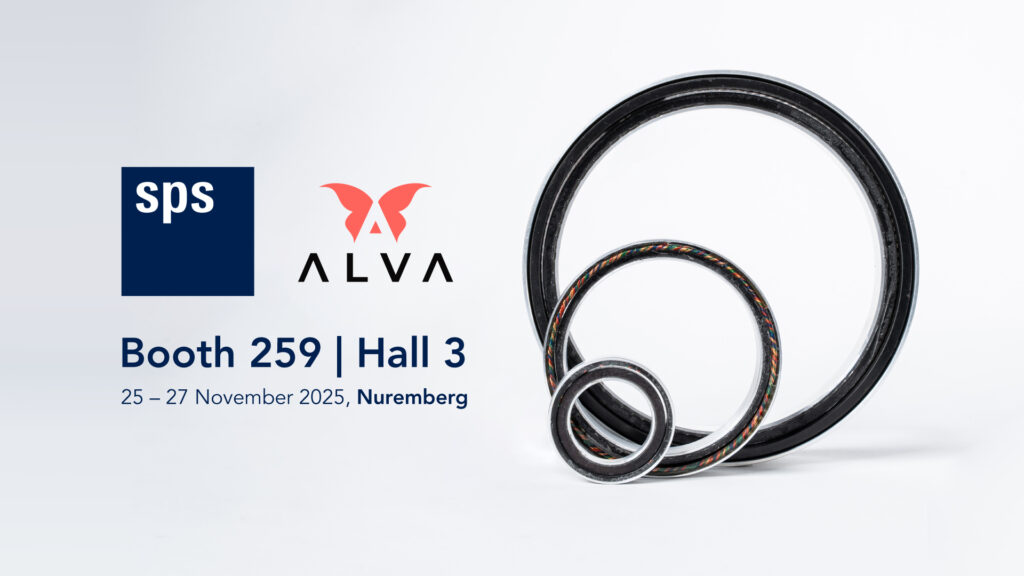
Matteo also discusses how Alva’s SlimTorq™ slotless motors are developed to reduce saturation risks. The company’s lean torque motors, featuring wide air gaps and simplified magnetic paths, make saturation less of an issue. This means strong transient torque is delivered, with constant linear torque maintained even under heavy loads.