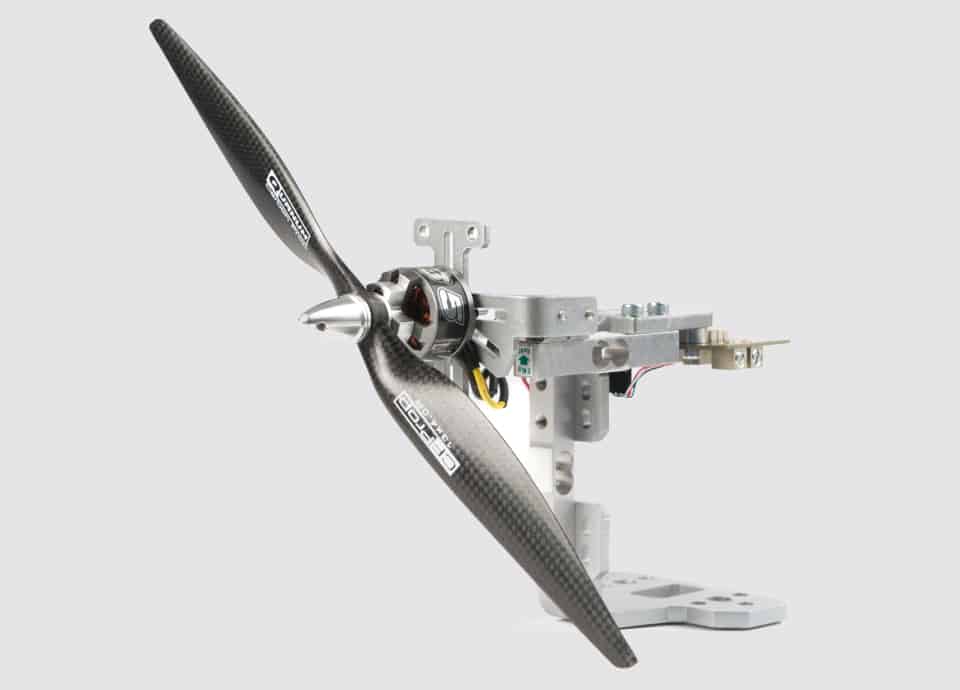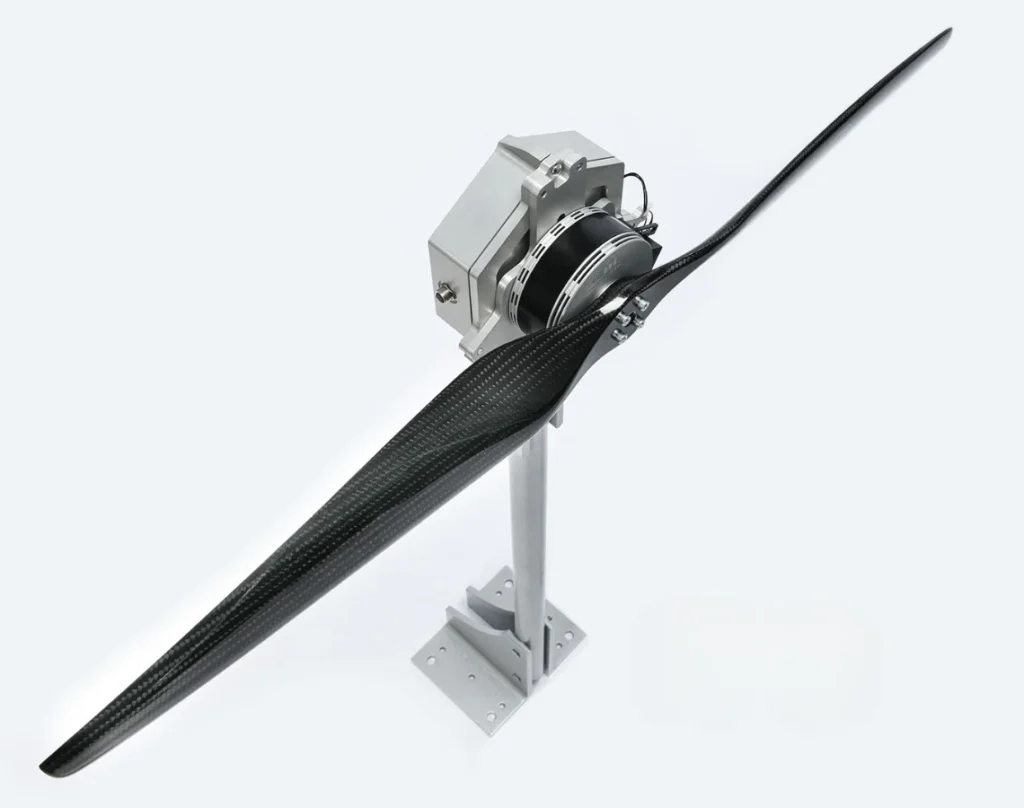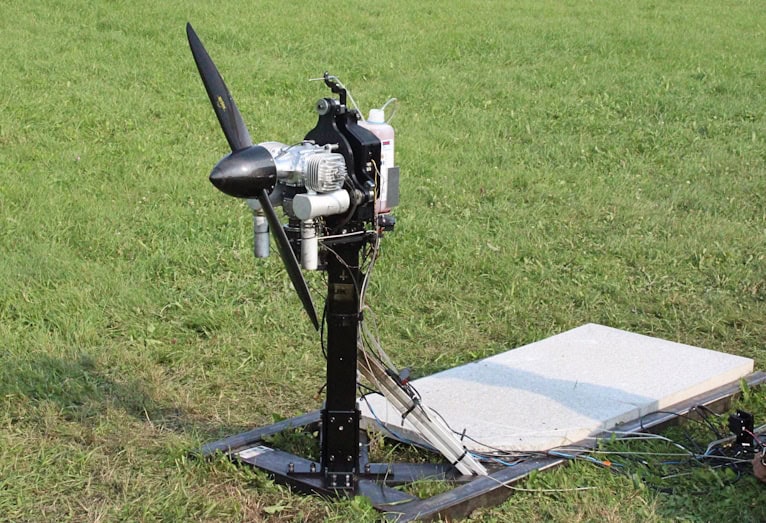

Tyto Robotics has conducted a detailed study on how propeller thrust and efficiency vary with airspeed, providing valuable insights for UAV designers and engineers.
Propulsion systems often behave differently in static tests compared to real-world flight, making wind tunnel testing a critical step in drone development.
Using a 2×2 Windshaper wind tunnel, Tyto Robotics tested drone propellers at airspeeds ranging from 0 to 38 mph (0–17 m/s). The experiments measured thrust vs. RPM, thrust-to-power ratios, and propeller efficiency under changing airflow conditions. Results highlighted how thrust output and power consumption shift as airspeed increases, revealing that optimal efficiency often occurs at specific operating points rather than at static conditions.
These findings underscore the importance of characterizing propeller performance across a range of flight speeds, particularly for UAVs that operate beyond basic hover or fair-weather missions. Tyto Robotics’ work demonstrates how controlled wind tunnel experiments are essential for accurately predicting real-world propulsion performance and maximizing aircraft efficiency.