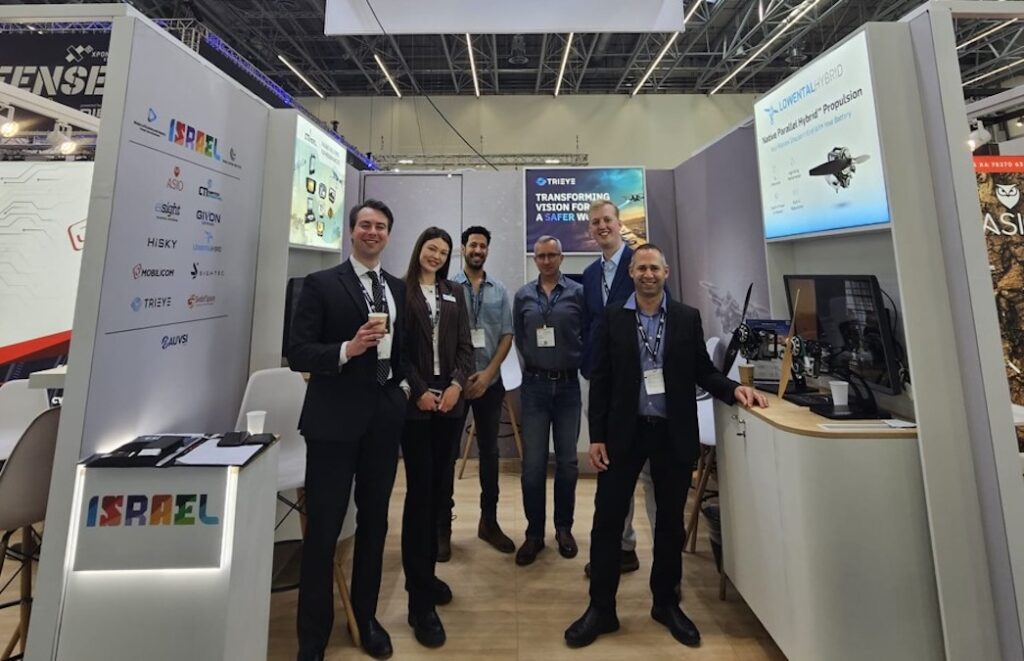
Lowental Hybrid outlines key observations from XPONENTIAL Europe 2026, highlighting how the Unmanned Aerial Vehicle (UAV) sector is transitioning toward deployable UAV systems and performance-driven technologies. Read more >>
The company’s perspective reflects broader industry discussions at the event, where emphasis has shifted beyond standalone drone platforms and proof-of-concept projects toward autonomy, deployable capabilities, and measurable advantages in real-world use.
From Demonstration to Deployment
XPONENTIAL Europe 2026 made clear that the UAV market is entering a new phase. Industry focus is increasingly centered on autonomy, AI integration, resilience, security, and practical implementation. This aligns with continued forecasts of long-term UAV growth, particularly within Europe across defense, inspection, logistics, and infrastructure sectors.
The event emphasized complete systems capable of moving from demonstration into deployment. As autonomous systems mature, expectations are rising around endurance, resilience, reliability, adaptability, and onboard processing, reflecting a broader shift toward operational capability rather than experimental development.
Propulsion & Performance Differentiation
From Lowental Hybrid’s perspective at the event in Düsseldorf, propulsion showed less visible innovation compared to other parts of the UAV ecosystem. Many available solutions remained within established categories, primarily electric or combustion-based systems, often presented as incremental variations.
At the same time, platform manufacturers appeared to be seeking alternatives that could deliver meaningful improvements in endurance, performance, and operational flexibility.
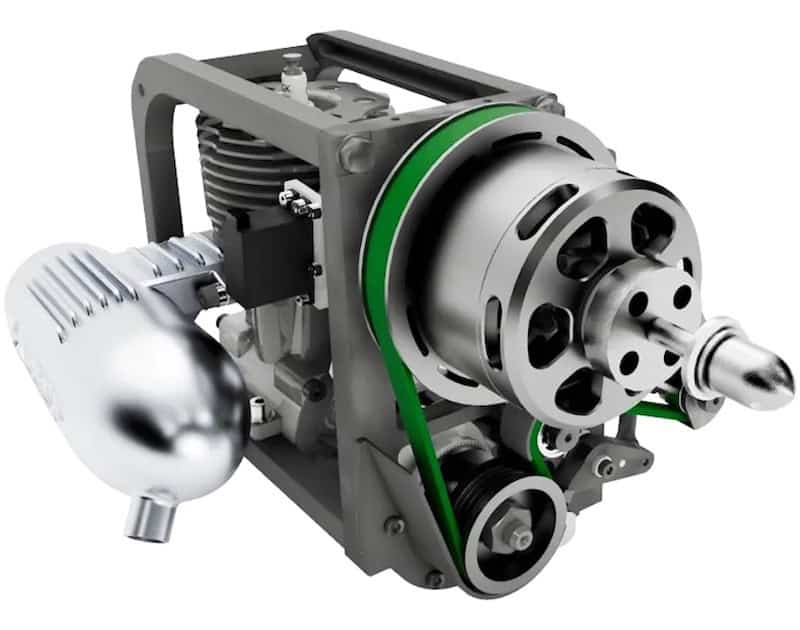
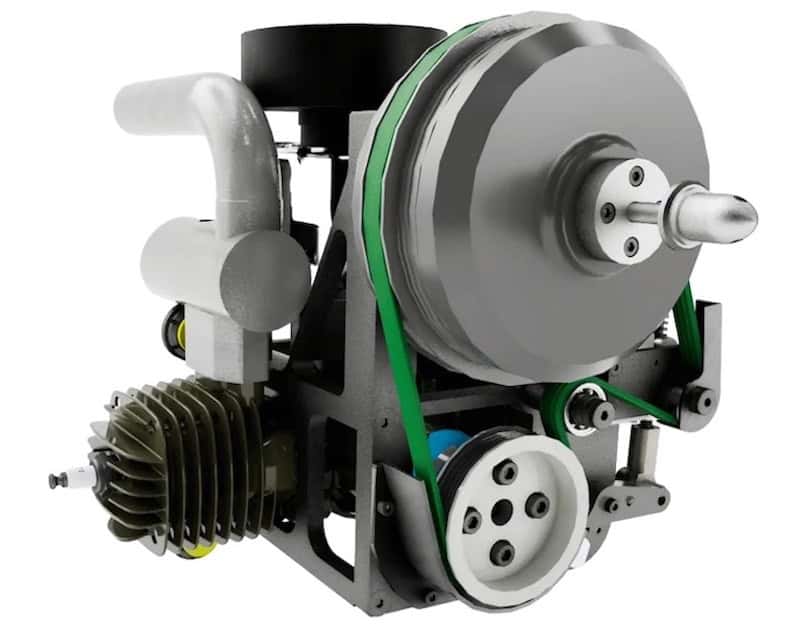
Lowental Hybrid’s Native Parallel Hybrid™ propulsion system drew attention by offering a different approach. The system combines two power sources in a configuration designed to support real mission requirements. Feedback from technical visitors and OEM representatives highlighted the system’s simplicity, low weight, and practical operational logic.
As autonomous systems evolve, propulsion is becoming a more central factor in platform capability. Requirements such as longer time on station, reduced acoustic signature during key mission phases, redundancy, mission flexibility, and increased onboard power availability are gaining importance. This is particularly relevant in defense and dual-use applications, where resilient uncrewed systems are increasingly prioritized.
Market Focus & Validation
Another clear signal from XPONENTIAL Europe 2026 was the concentration of interest in platforms below 50 kg, with especially strong attention on the 25 kg class. This segment reflects a balance between mission capability, regulatory considerations, payload requirements, and scalability.
For Lowental Hybrid, this reinforces the relevance of its LH-01 system within the under-25 kg category, which is becoming an increasingly important operational segment rather than a narrow technical niche.
The event further served as validation of the company’s approach, confirming that OEMs and technical teams are actively exploring alternatives to conventional propulsion trade-offs. It highlighted the importance of demonstrating operational readiness alongside technical capability, reflected in the expectation that one of Lowental Hybrid’s systems will become operational within the Israel Defense Forces during 2026, indicating practical maturity in a demanding defense environment.
As the UAV sector continues to shift toward fielded capability, the direction observed at XPONENTIAL Europe 2026 points to increasing relevance for propulsion systems that combine performance with operational applicability. This reinforces Lowental Hybrid’s view that hybrid propulsion, when designed natively and executed with weight and mission logic in mind, is becoming increasingly relevant for next-generation tactical and dual-use UAV platforms. In this context, the companies that will stand out are those addressing real operational constraints rather than relying on incremental improvements.