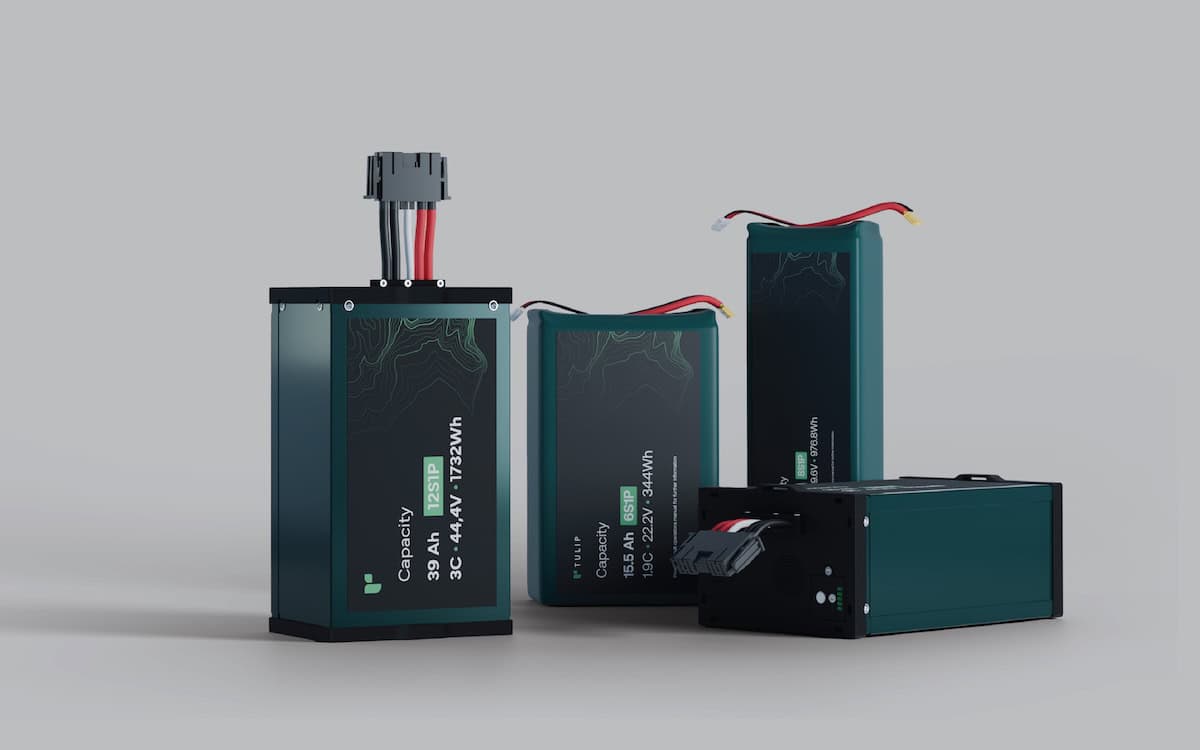
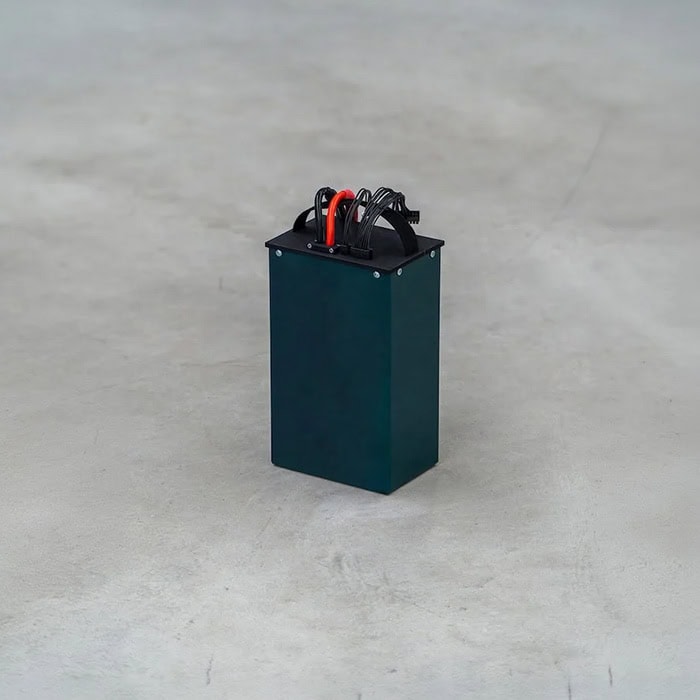
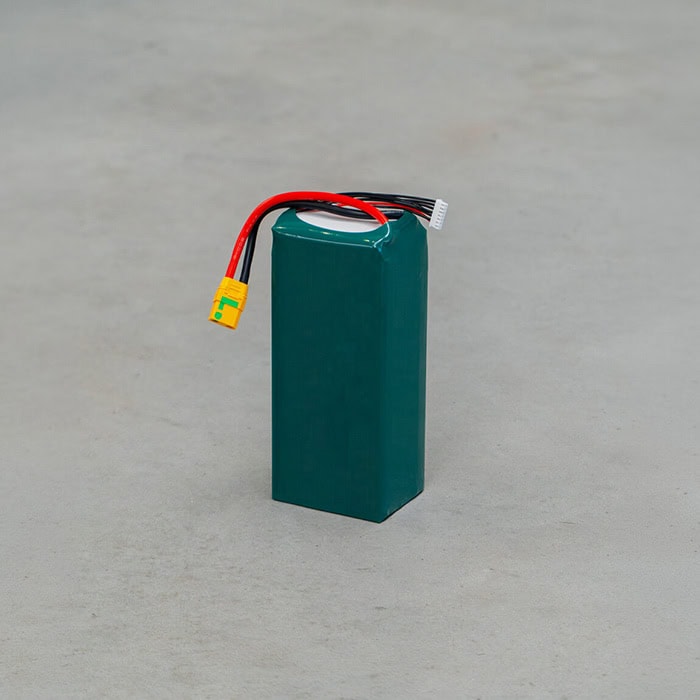
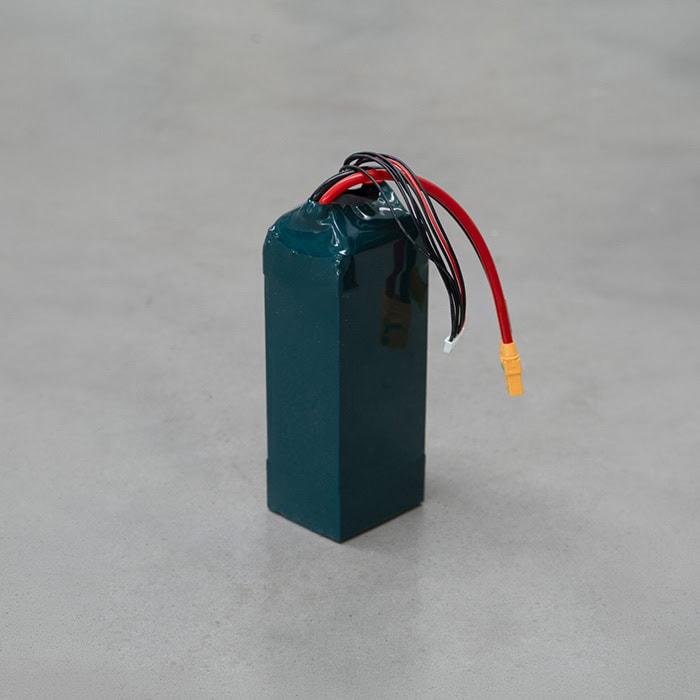
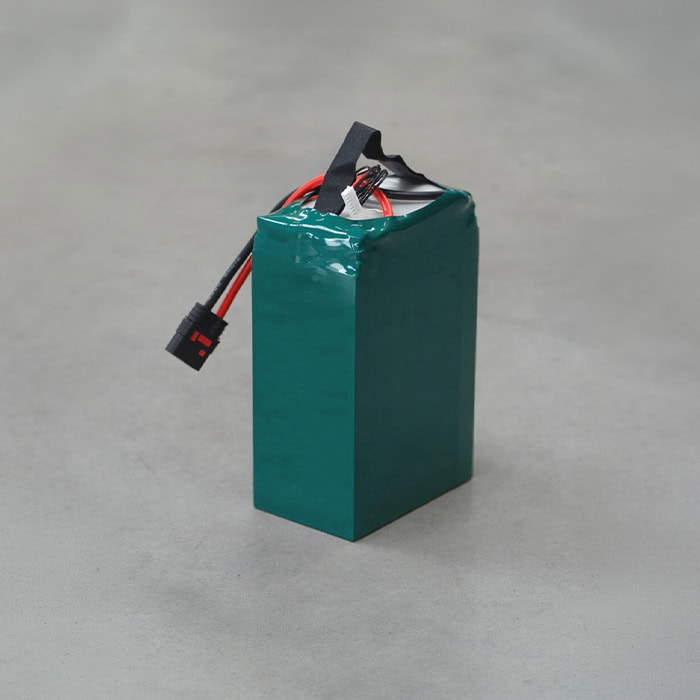
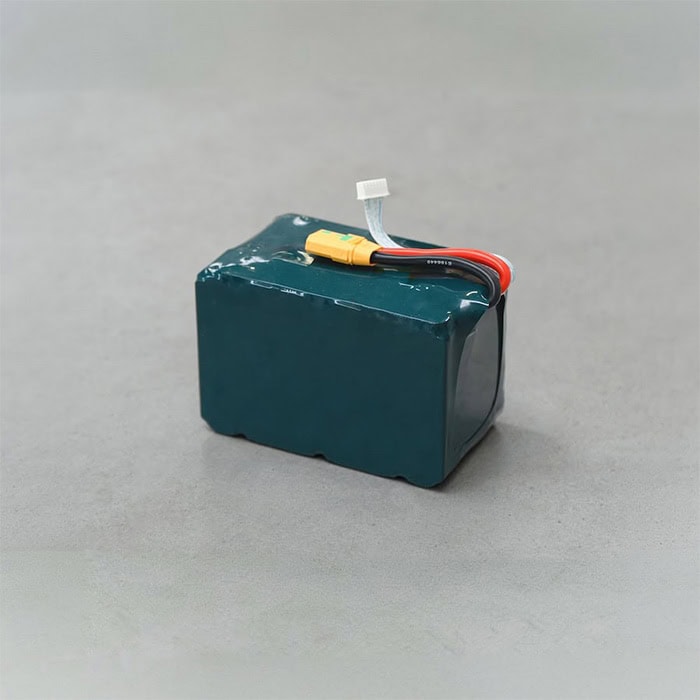
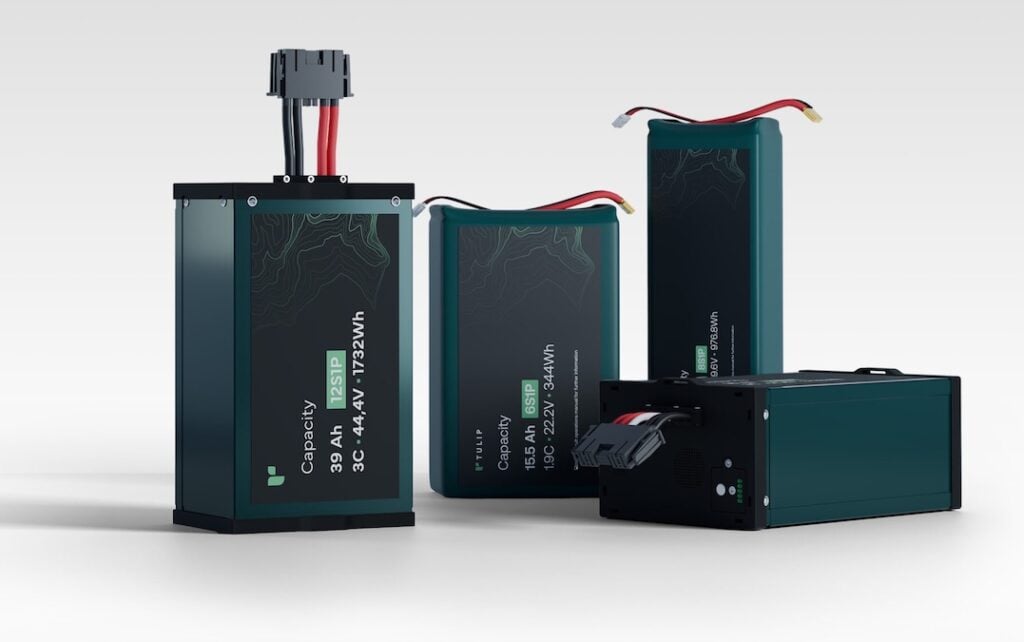
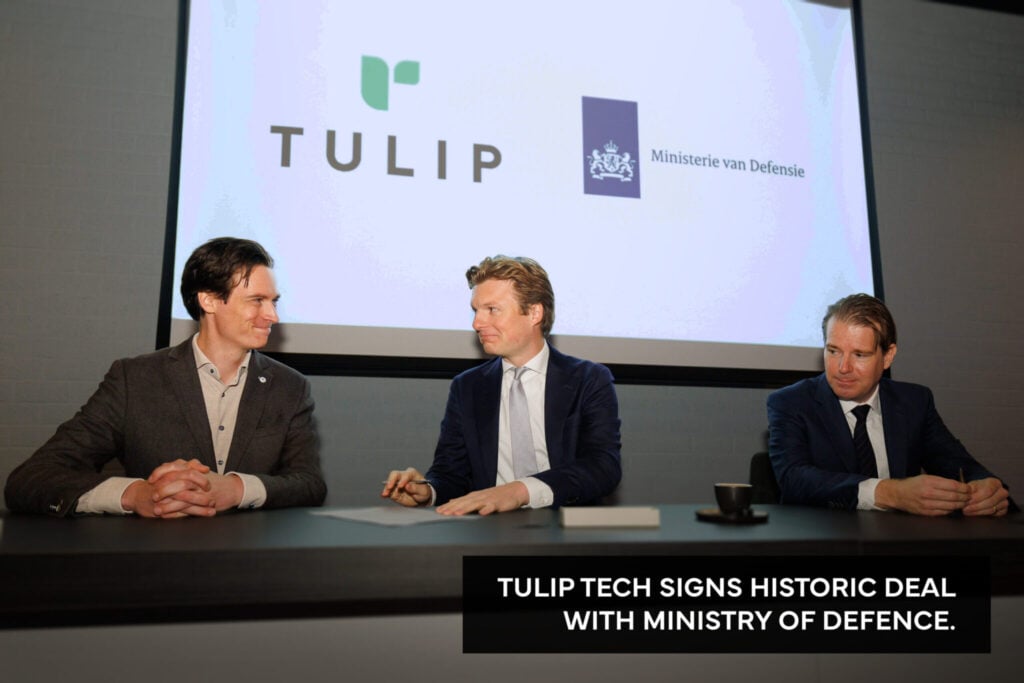
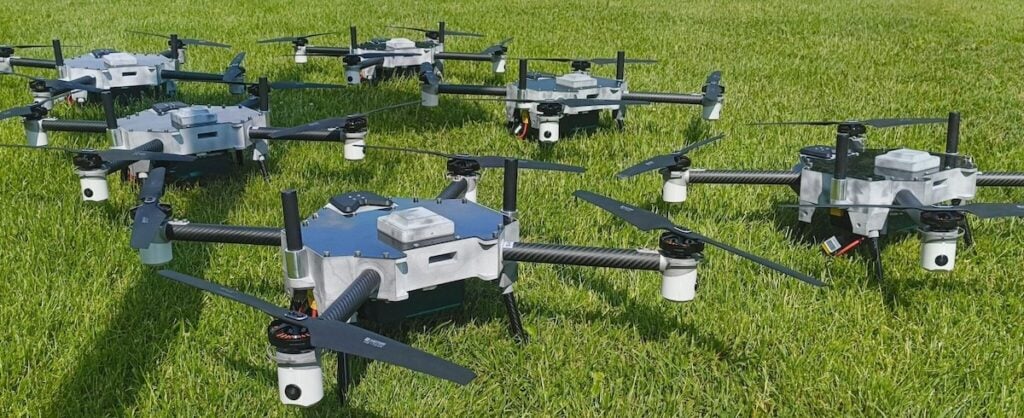
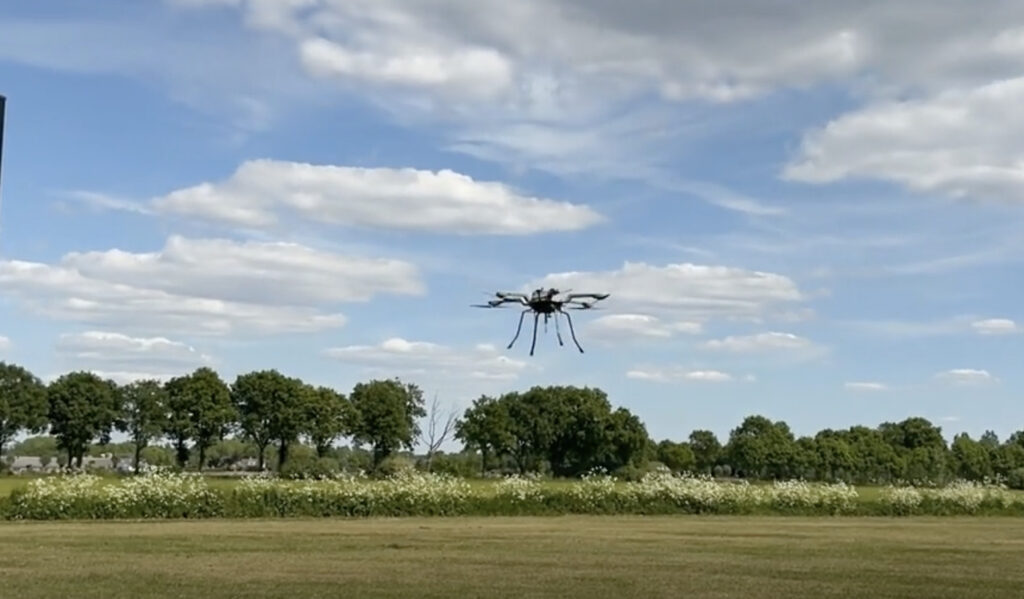
Tulip Tech is an innovative developer of advanced battery solutions for Unmanned Aerial Vehicles (UAVs) and unmanned systems.
In this Q&A, Alexander Nijst, Chief Commercial Officer at Tulip Tech, discusses how their battery technology, rapid prototyping, and European manufacturing are reshaping the future of unmanned systems. Alexander explains how achieving 600 Wh/kg unlocks new mission profiles, why sovereign energy supply is becoming strategically vital, and how accelerated hardware iteration and defense-grade traceability enable longer-endurance, more reliable autonomous operations.
Why do you see advanced batteries as the defining technology for the next generation of UAVs, UGVs, and UUVs?
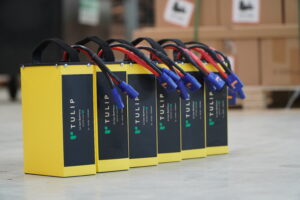 Because energy is the single biggest constraint on endurance, payload, and operational reach. Improvements in specific energy and pack-level integration change what platforms can do. Higher energy density and improved power-to-weight ratios allow vehicles to fly or loiter longer, carry heavier sensors or payloads, operate with fewer logistical burdens, and recover more effectively from contingencies. For autonomous systems, this broadens mission options, reduces operational tempo pressure, and directly increases mission success rates.
Furthermore, for these applications, often sovereignty is key. At present, supplies frequently originate from sanctioned countries, and access to high-performance battery technology has become a key geopolitical differentiator.
Tulip is working on the first 600 Wh/kg battery packs, what makes this milestone so significant for endurance and mission success?
Reaching 600 Wh/kg at the cell level is a threshold that unlocks qualitatively different mission profiles. At this density, a platform can carry more payload, fly much farther, or remain on station significantly longer without increasing airframe size.
For many tactical and industrial missions, this means a single battery design can support missions that previously required larger platforms, refueling, or frequent battery swaps, dramatically improving operational tempo and overall mission success probability.
The Netherlands Gigafactory marks a major expansion. Beyond capacity, what does it mean for European autonomy in critical energy technologies?
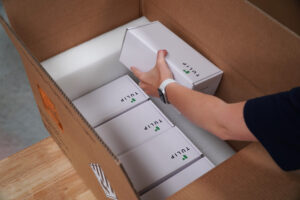 The gigafactory is about sovereignty, traceability and resilience, not just volume. Local cell and pack production reduces dependency on distant suppliers, shortens lead times, enables European control over chemistry choices and quality, and lets us provide defense-grade traceability and rapid customization. Together, these advantages strengthen Europe’s ability to field long-endurance autonomous systems under credible supply and certification regimes.
You’ve achieved six-week prototype cycles, how does that speed of iteration impact innovation and customer collaboration?
Six-week prototyping compresses risk, shortens feedback loops and converts fluid customer requirements into tested hardware in days rather than months. It accelerates co-development, lets customers validate mission changes rapidly, and reduces time to qualification. The result is faster innovation, lower program risk, and closer, trustable collaboration with partners and customers.
Why is having both engineering and manufacturing based in Europe so critical for trust, transparency, and control?
Because defense and critical commercial customers, such as medical drones operators, require visible, auditable supply chains and the ability to control design, QA and production. Locating engineering and manufacturing in Europe gives customers local compliance, faster technical support, direct product oversight, and legally clearer IP and export frameworks. It is a practical prerequisite for defence-grade trust and the traceability required by regulated programs.
Do you believe Europe has the opportunity to lead the next energy revolution and if so, what’s needed to make that happen?
Yes. Europe can lead if it couples R&D in high-energy cell chemistries with industrial scale manufacturing, robotics, and supportive policy. The recipe is practical: invest in regional cell lines, fund scale-up of gigafactories, align defence and industrial procurement to create volume, standardize certification and quality systems, and build strong industry partnerships to bring lab innovations into automated factories.
Thank you for your time. It has been a pleasure speaking with Alexander, and we look forward to seeing how Tulip Tech’s advances in high-energy batteries, rapid prototyping, and European manufacturing shape the future of next-generation unmanned system.