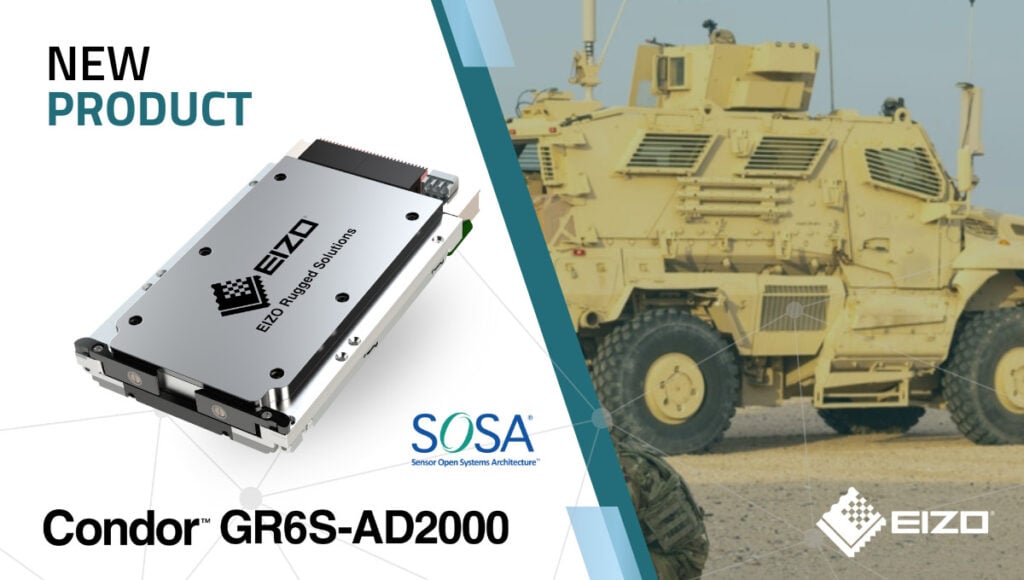
EIZO Rugged Solutions outlines how increasing demands on embedded systems are driving the need for higher compute performance, particularly for data-intensive and AI-enabled workloads. Read more >>
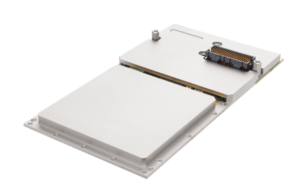
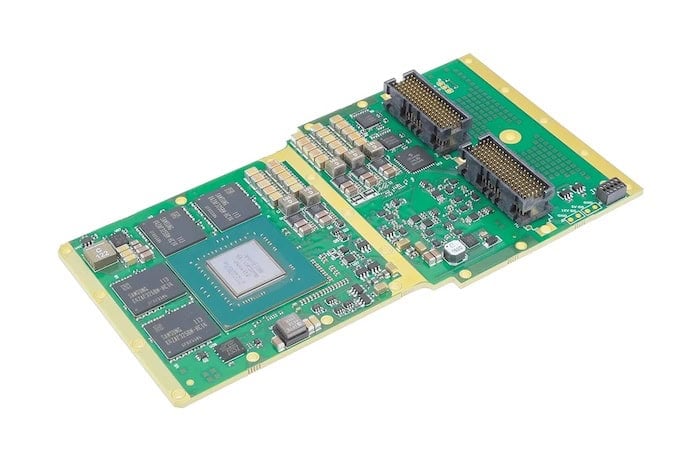
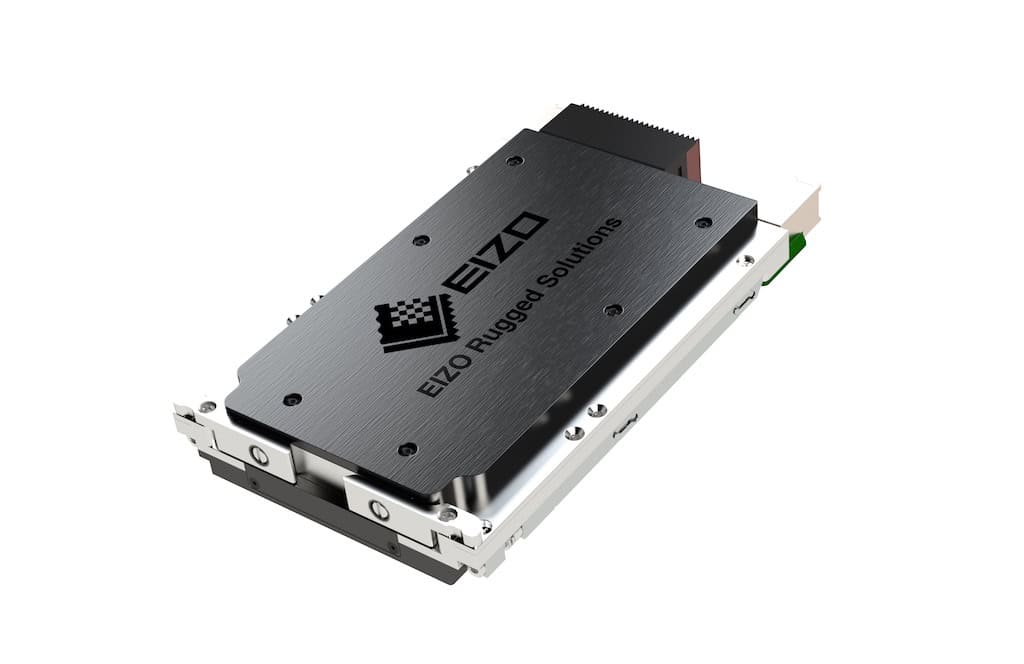
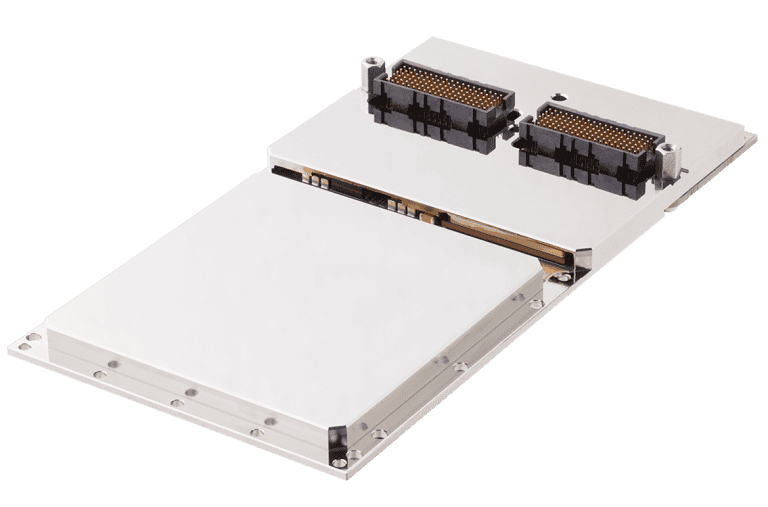
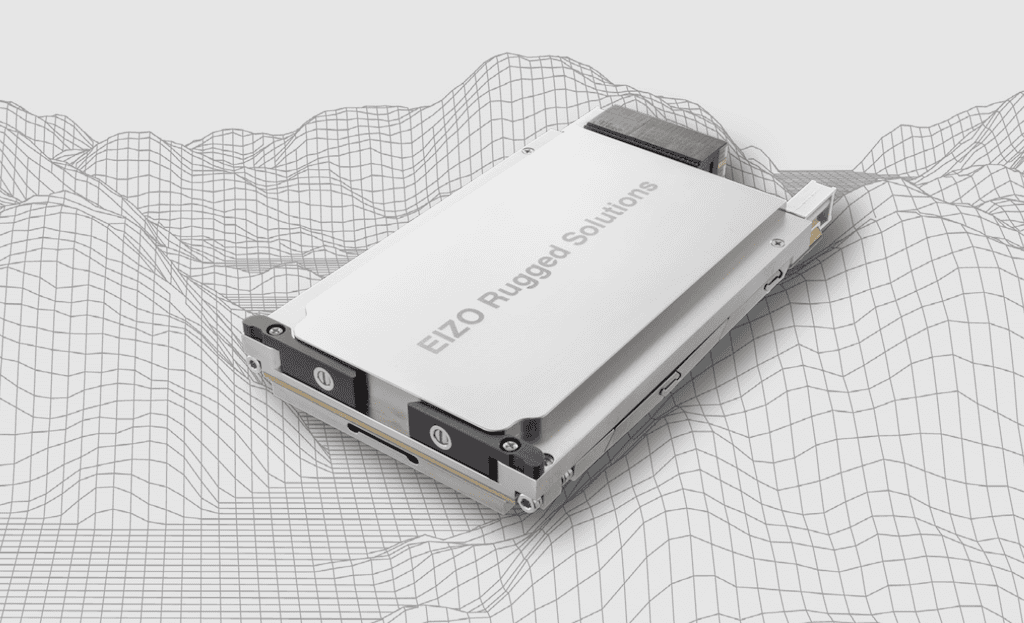
Condor NVA500xX.
Many mission systems in operation today were originally designed for deterministic signal processing and conventional image fusion, and while they remain effective for legacy tasks, they are not optimized for modern AI-based classification, perception, and decision-support functions.
Switched Mezzanine Card (XMC) modules provide a modular method for expanding compute capability while preserving system flexibility, size, and lifecycle stability, allowing designers to introduce GPU acceleration and other specialized processing without altering the base carrier card or backplane.
By using a standardized mezzanine interface defined through VITA 42, VITA 61, and VITA 88, building upon the traditional PCI Express bus, XMC modules enable high-bandwidth expansion without requiring changes to the underlying carrier card or backplane. This approach supports incremental upgrades within deployed systems, reducing development time, integration risk, and long-term maintenance costs.
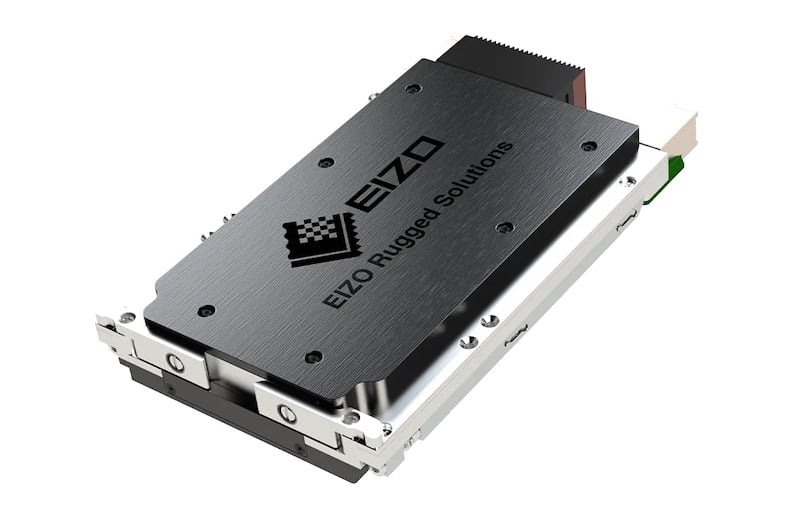
In space- and power-constrained environments, these modules offer a compact form factor with significant compute density, commonly available on 3U and 6U VPX single-board computers. This enables GPU-based XMC cards to operate alongside existing processing resources, adding AI acceleration while avoiding the cost, schedule risk, and SWaP-C impact of replacing a mission computer or redesigning the platform.
EIZO Rugged Solutions also highlights how these modules can incorporate application-specific I/O, allowing direct connections to sensors, video sources, and high-speed data interfaces. This proximity reduces interconnect complexity and latency while improving efficiency for time-sensitive workloads such as signal processing, data analytics, and AI inference.
The interchangeable nature of XMC modules allows system integrators to adapt to evolving mission requirements by replacing mezzanine cards rather than reengineering entire systems, while also supporting Modular Open Systems Architecture (MOSA) objectives for easier upgrades, repairs, and technology refresh.
GPU-based XMC modules provide a practical pathway for enabling AI capabilities within existing programs, particularly where underlying processing hardware limits performance. By delivering high-density parallel processing through a standardized mezzanine interface, these solutions allow AI workloads to operate at operational frame rates without full system redesign. This approach enables compute technology to evolve independently of platform lifecycles, preserving long-term system investments while minimizing integration risk, as well as unlocking AI-driven capabilities from sensors already in service.