Kollmorgen, a developer of advanced precision motion and motor solutions for UAVs and robotics, discusses the importance of reliable motion systems and motors in overcoming the extreme challenges of space exploration and missions. Read more >>
As commercialization of space using low Earth orbit satellites accelerates, deeper exploration of space is entering a new era, with projects such as the Perseverance Rover on Mars, Space Launch System, and the Artemis program.
These missions, along with future extraterrestrial habitation projects, mining extraterrestrial resources, and maintaining equipment, rely heavily on the performance and reliability of motion systems.
Motion Requirements & Applications
Spacecraft motion systems control critical subsystems for attitude, power generation, communications, observation, environmental control, and life support. These motors must operate without failure for extended durations, in some cases over 30 years, under the harshest conditions.
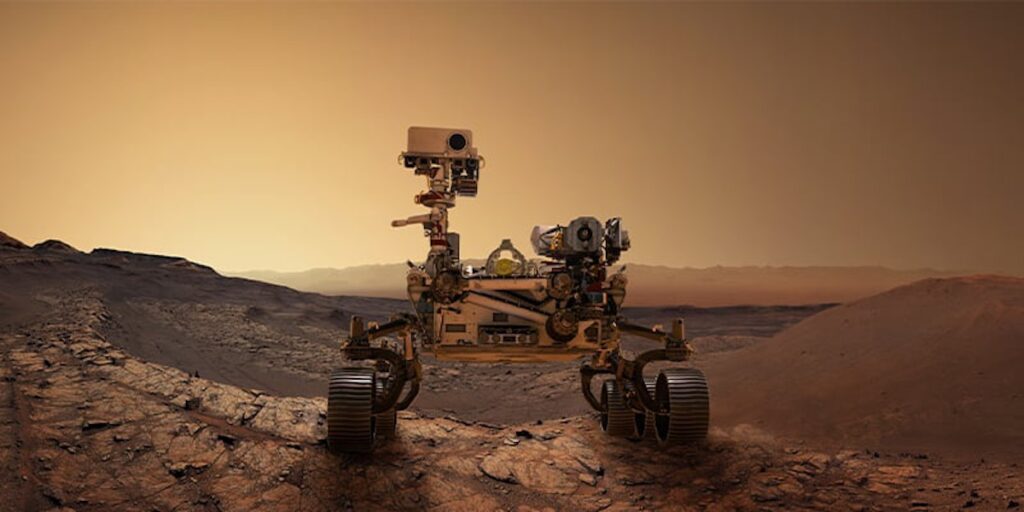
For surface exploration vehicles (rovers), whether crewed or uncrewed, motion requirements include traction, steering, robotic arm control, sample collection, camera positioning, and navigation hazard avoidance. Crewed spacecraft, habitation facilities, and space stations also demand additional motor capabilities for radiation protection, cryogenic cooling, mobility, and life support systems.
Increasingly, crewed and uncrewed missions, as well as activities like equipment maintenance, mining, and extraterrestrial habitation, depend on robotic assembly, manufacturing, and maintenance in space, making robust and reliable motor technology critical.
Because these systems and subsystems are so interconnected, the failure of even one motion system can put multiple mission elements at risk and demand complex, potentially hazardous repairs.
Challenges for Motion Systems
Space has wide-ranging temperatures, from -270°C in space to +120°C on the lunar surface. Motors must operate through rapid temperature cycles and avoid creating more thermal problems by generating excessive heat that could shorten service life or harm nearby components.
Galactic cosmic rays’ ionized particles and the electromagnetic radiation from solar events carry enough energy to penetrate spacecraft exteriors and damage onboard electronic and electromechanical systems. Motors’ components, including insulation and winding encapsulation, must be built with specialized materials resistant to degradation under constant radiation exposure.
The extreme high vacuum of space means outgassing from nonmetallic materials poses another risk, with volatile compounds condensing and contaminating lenses, mirrors, and sensors. Motors must avoid materials such as polyesters, Teflon, vinyl, nylon, silicone, and polystyrene, or use alternatives engineered for low outgassing.
Shock and vibration are also constant, for example during liftoff, attainment of Mach 1, thruster firings, dockings and landings. Motors must have a rugged construction to endure these events without damaging critical components, such as bearings, windings, connections, feedback devices.
Kollmorgen’s Solutions
Kollmorgen has supplied space-grade motors since the 1960s Gemini program, continuing through Apollo, Skylab, the Space Shuttle, Mars landers and rovers, and today’s increasing growth of low Earth orbit satellites.
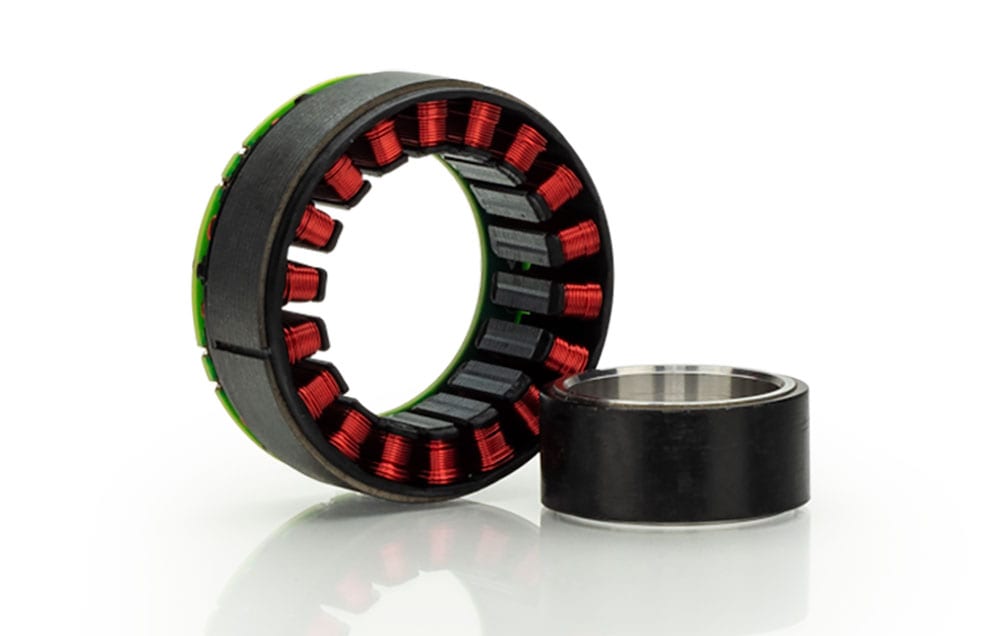
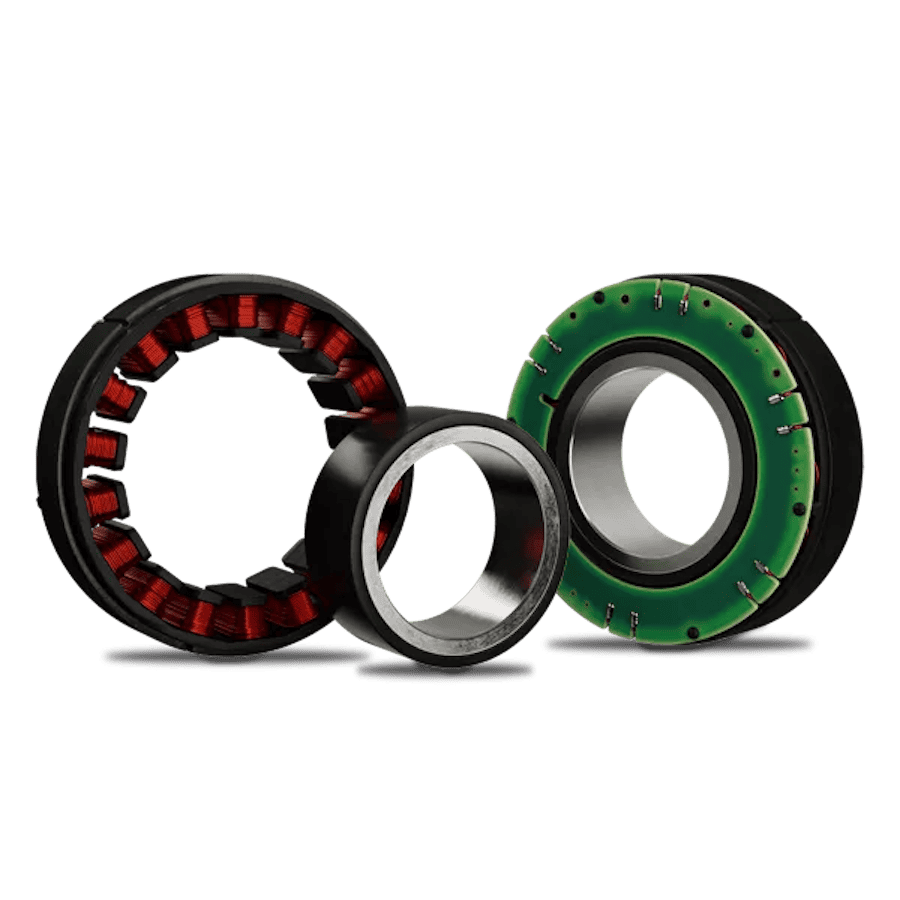
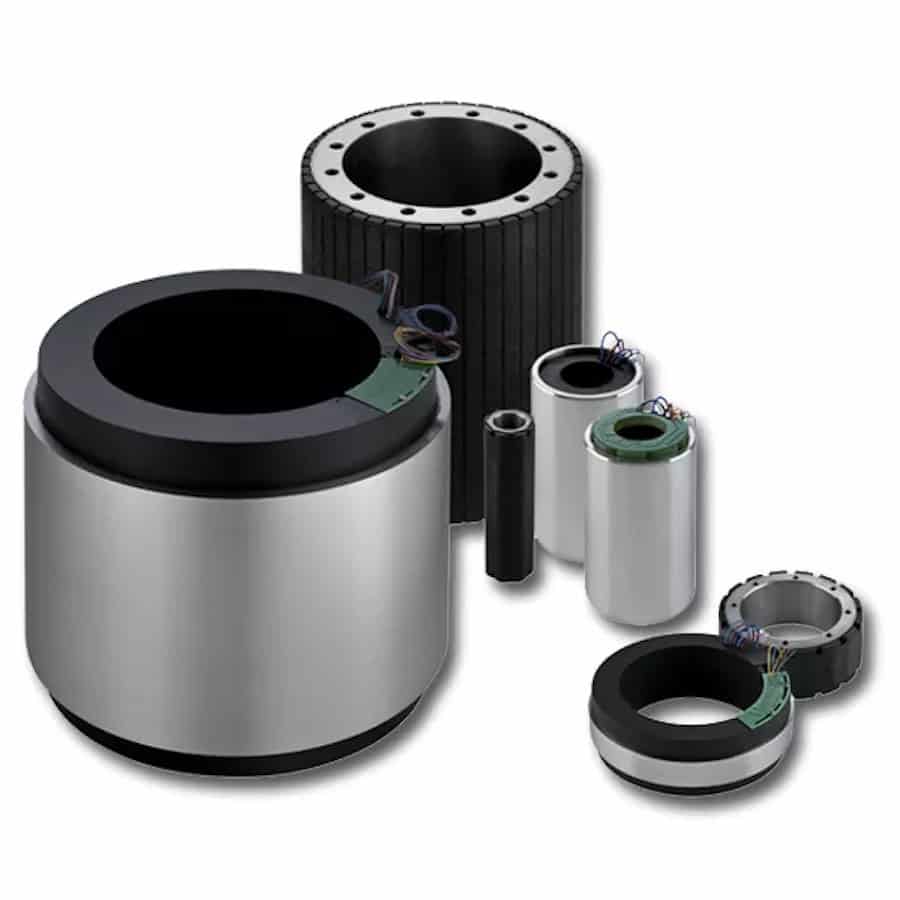
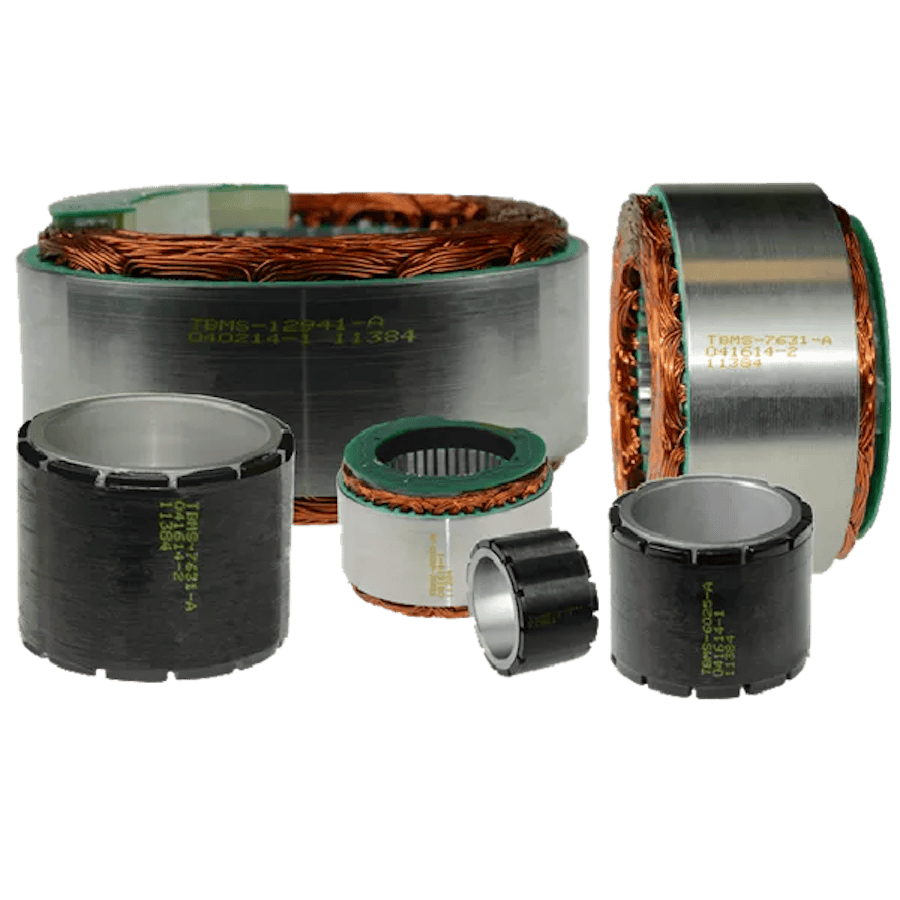
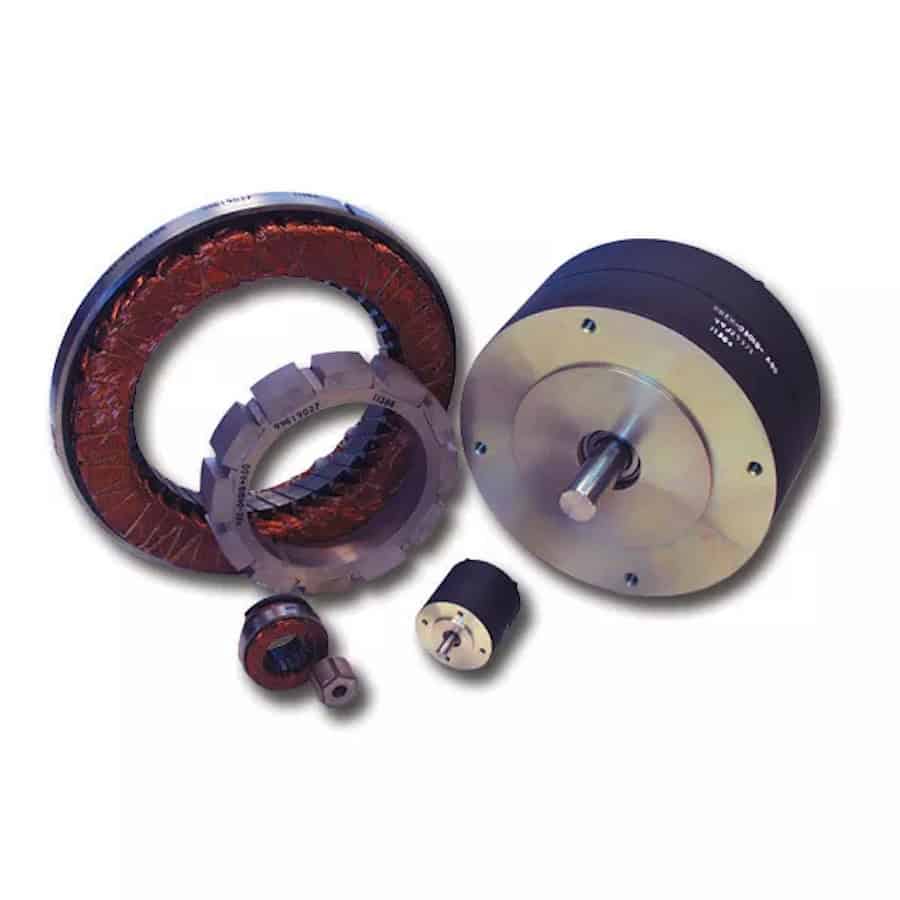
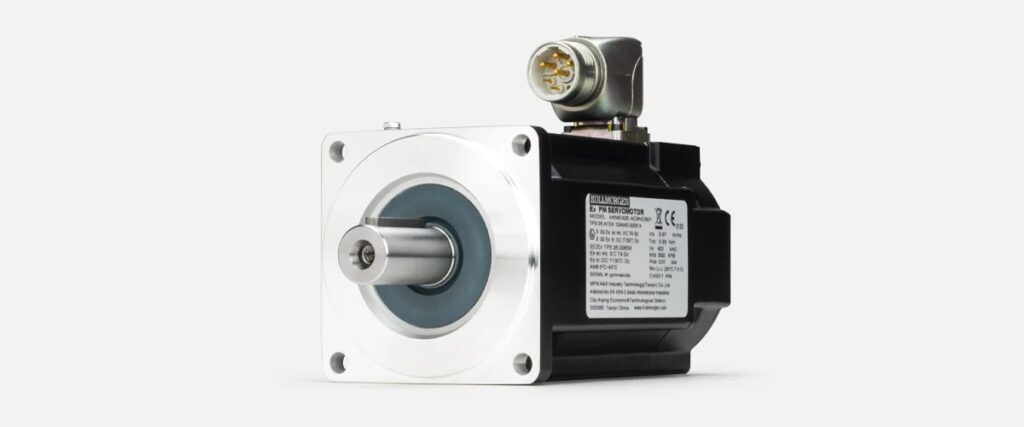
The company’s KBM, TBM, and RBE frameless motor platforms are engineered for radiation tolerance, meet NASA-STD-6016A outgassing requirements, operate in high vacuum, and have extreme temperature resilience with low thermal rise. Kollmorgen’s motors also deliver high torque density, reducing size and weight for space-constrained applications.
By adapting conventional motor designs for space applications through standardized approaches, Kollmorgen reduces non-recurring engineering costs and lead times. The company ensures long-term, mission-critical performance in the harshest conditions of space exploration and extraterrestrial habitation.