
Advanced Navigation helps defense program managers overcome one of the most critical vulnerabilities in Counter-Unmanned Aerial System (C-UAS), sub-optimal heading data that can compromise radar accuracy and undermine mission success.
In mobile operations, maintaining precise heading is essential, as even minor errors can cascade through a system-of-systems architecture, corrupting target data, disrupting sensor handoff, and eroding operator confidence.
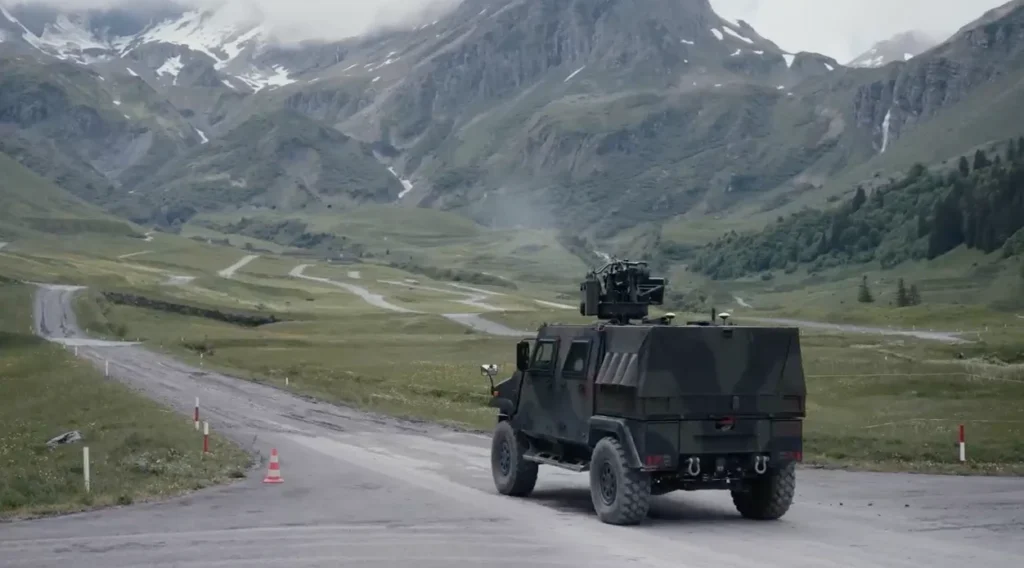
Mobile C-UAS radars face unique challenges. Constant movement, uneven terrain, and changing signal environments can destabilize a platform, making it difficult to maintain accurate, continuous tracking of low, slow, and small drone threats. Without a stable heading reference, the system’s radar, the “long-range eyes” of the C-UAS, cannot reliably detect, identify, and engage targets.
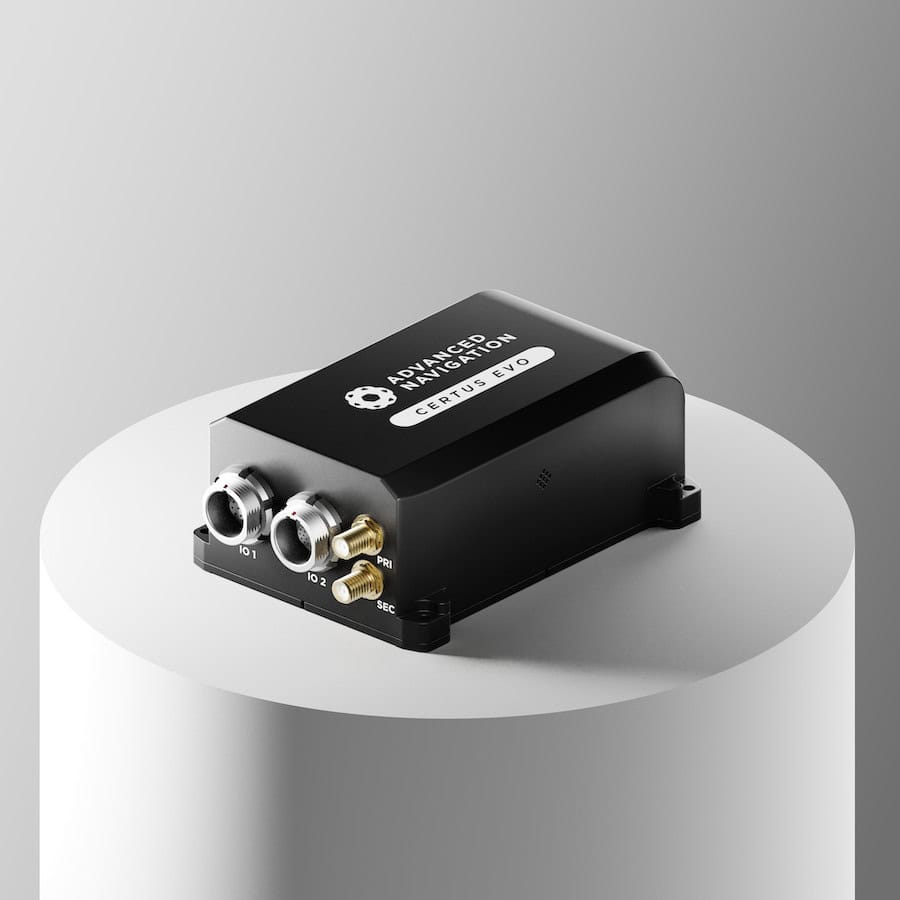
Integrating a high-performance Inertial Navigation System (INS) resolves this vulnerability. Advanced Navigation’s Certus Evo and Boreas D70/D90 INS solutions provide low-drift, resilient heading accuracy, enabling continuous target tracking even in GPS-denied environments. Utilizing MEMS and Fibre Optic Gyroscope (FOG) technologies, these systems minimize drift, deliver ultra-fast gyrocompassing, and provide the independent orientation data necessary to stabilize mobile radar performance.
By anchoring C-UAS systems with a robust INS foundation, Advanced Navigation ensures operators can trust their platforms to perform reliably, protecting personnel and assets while maximizing program value and operational readiness.