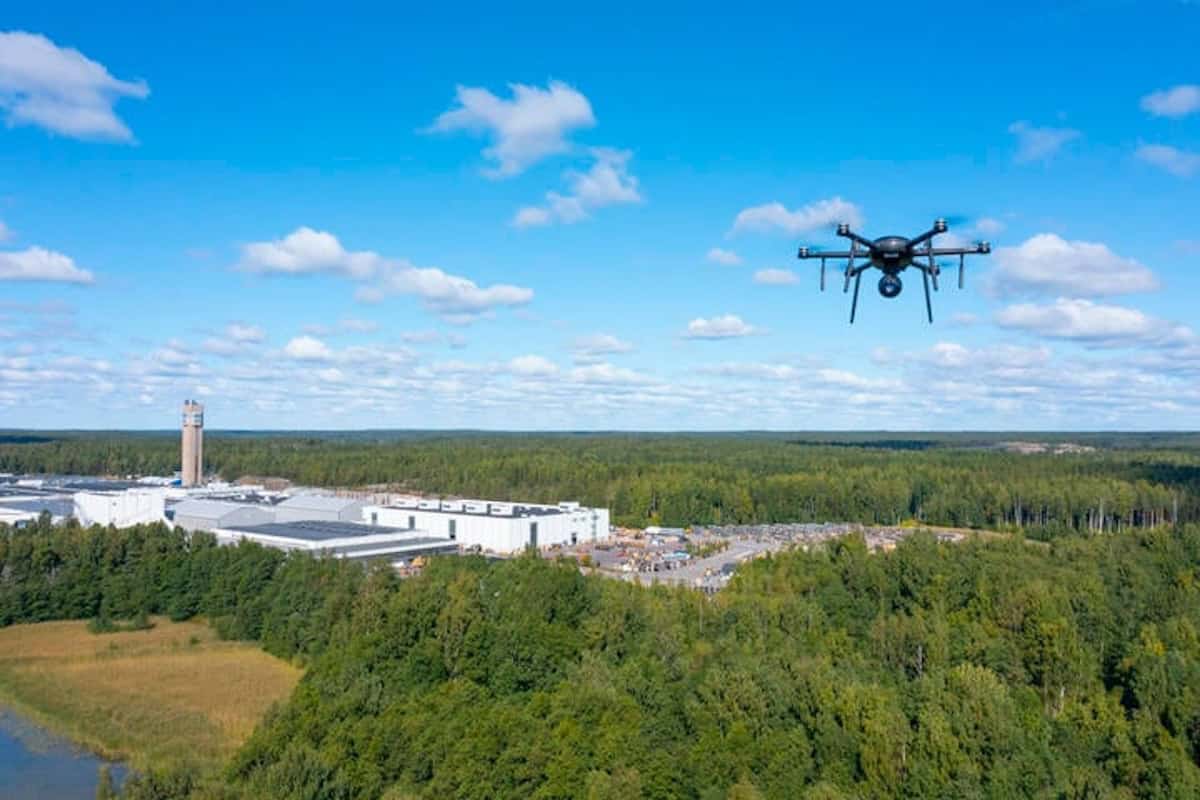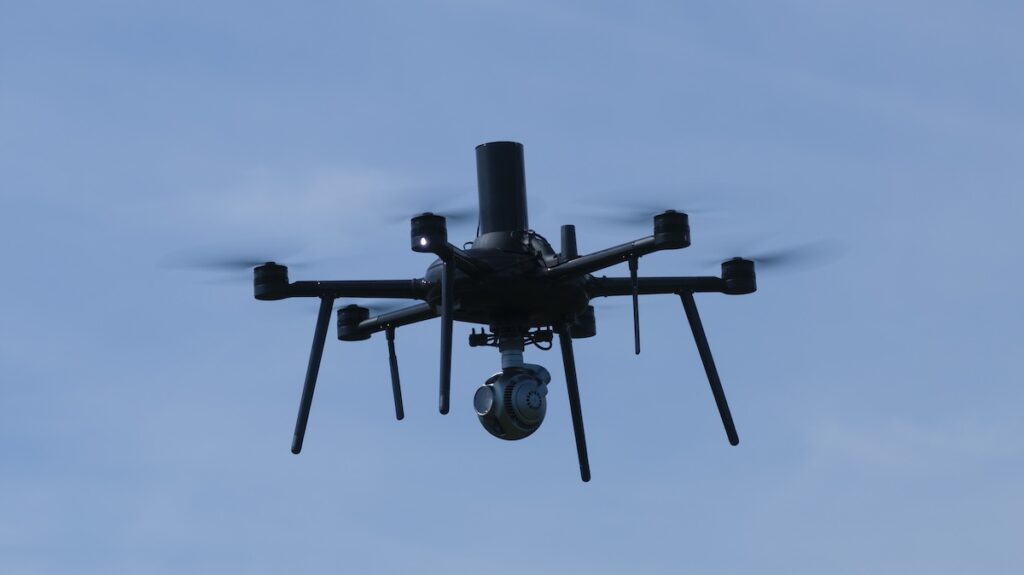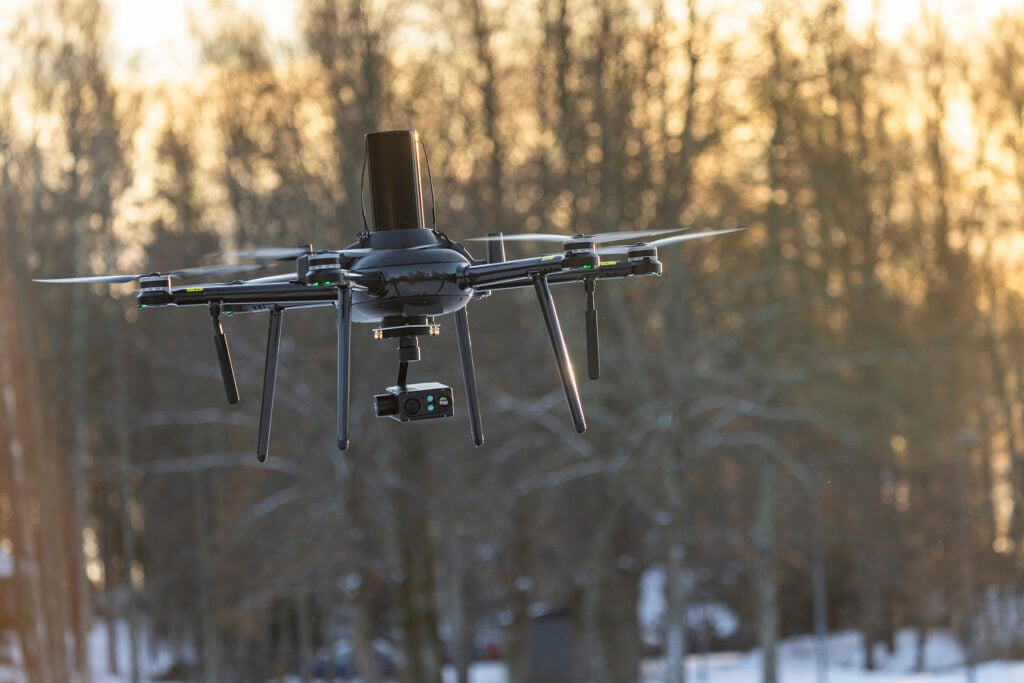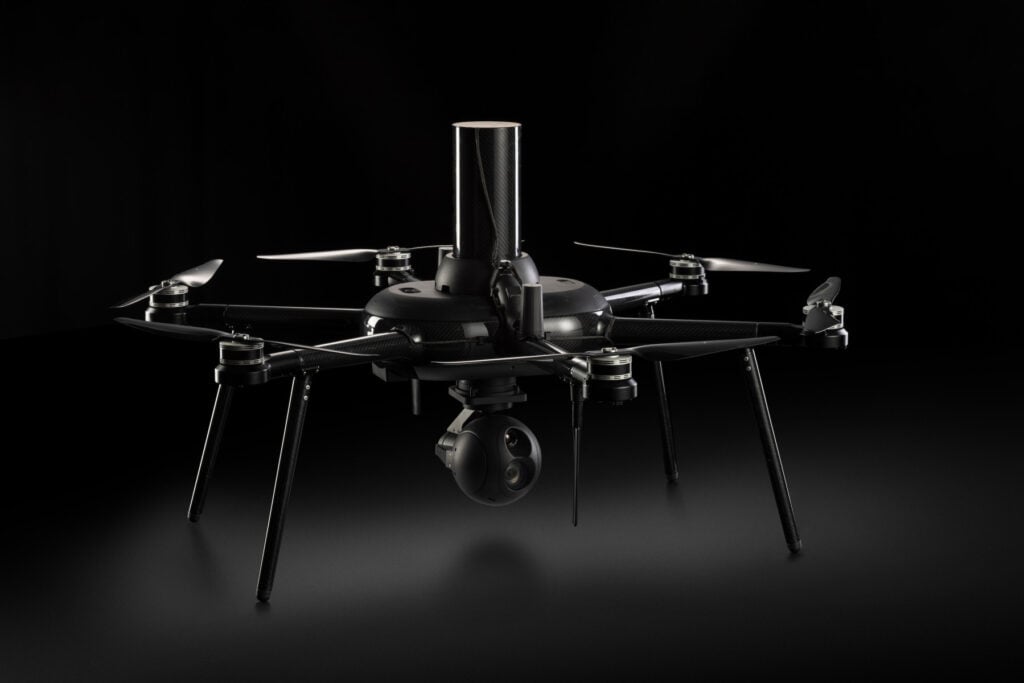
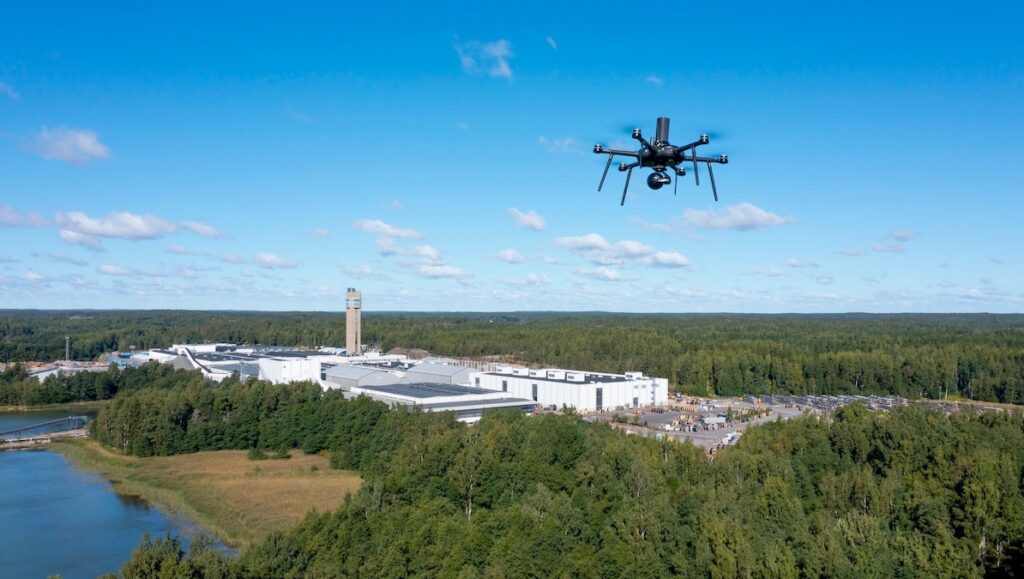
Nokia Drone Networks has advanced its 5G drone-in-a-box system with the 5.2 XLR release, a next version shaped by field experience and collaboration with partners and customers.
The new capabilities follow significant progress since the company introduced its first CE-certified 5G drone-in-a-box system, with deployments expanding across multiple regions and new integrations supporting public safety and industrial operations.
Deployments have expanded to nationwide operations in Belgium, with similar activity planned in Switzerland and enhanced emergency service support in Spain. In the United States, Motorola’s CAPE software has been integrated into the platform, enabling public safety and industrial missions in California and along the East Coast. The open architecture of Nokia Drone Networks supports integration with additional third-party solutions, allowing new services to be introduced as operational needs evolve.
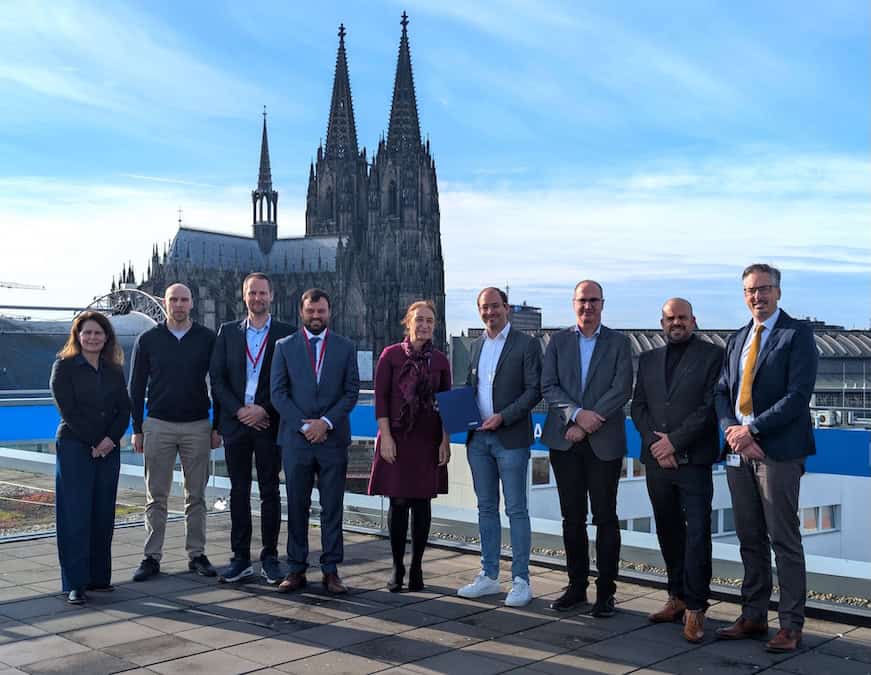
The customer base now extends beyond public safety. Preparations are underway for highway, power line, and substation inspection projects across Europe. In the United Arab Emirates, Etisalat (e and UAE) is working with Nokia Drone Networks to build a drone-as-a-service platform to support mission-critical tasks such as surveillance, inspection, and disaster response.
BVLOS Operations Enabled by 5G
Nokia Drone Networks uses 5G connectivity to support secure and reliable Beyond-Visual-Line-Of-Sight (BVLOS) operations. Aircraft can be flown remotely from any location and return to a ruggedized docking station that shelters and recharges the drone. This reduces the need for truck rolls and on-site personnel, supporting inspections in harsh or hard-to-reach environments while improving sustainability and worker safety.
Features of the 5.2 XLR
Extended Flight Reach
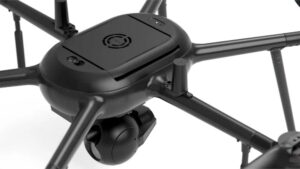
Active cooling at the battery
The 5.2 XLR supports operations within a 10-kilometer radius when equipped with the Nokia dual-gimbal camera and parachute, with an additional ten minutes of hover time before returning to the docking station. This capability allows teams to access images across forest fires, conduct longer pipeline inspections in remote desert environments, and gain greater situational and mission-critical awareness. Nokia Drone Networks notes that this endurance reporting specifies payload use and hover time, which is not consistently included in competitor figures.
Battery Cooling Enhancements
A silicon-anode component from Amprius enables active cooling at the battery. Additional cooling capability has been added to the docking station. This feature supports operations in high-heat environments, including remote pipeline inspections in desert regions.
Motor Updates for Increased Lifespan
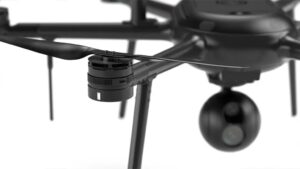
Smarter motor technology
Because the new batteries operate at a lower voltage, motors capable of functioning at the same range were required. Nokia Drone Networks transitioned to motors manufactured in the United States with a more integrated technology stack. Earlier systems supported three years of operation, and the new components are intended to extend this period to six years. These upgrades are being made available to existing customers.
Regulatory Compliance
Nokia Drone Networks 5.2 XLR includes several elements associated with regulatory needs:
- The transition to U.S.-sourced batteries and motors brings the system closer to requirements for mission-critical industries in North America.
- An add-on module for ADS-B and FLARM communications advances compliance in increasingly busy airspaces.
- The parachute used by Nokia Drone Networks is the first in Europe in its weight class above 10 kilograms to achieve the M2 high certification level, reducing paperwork for flights over populated areas.
Continued Collaboration
Nokia Drone Networks aims to support industrial sectors, including utilities, through automated inspection, mapping activity, and improved data collection. Reducing reliance on vehicles and helicopters supports customer sustainability goals.
The open architecture continues to expand through partnerships, including work with Gremsy and Yellowscan to develop an advanced payload portfolio with more sophisticated cameras. These collaborations support ongoing evolution within the drone industry.