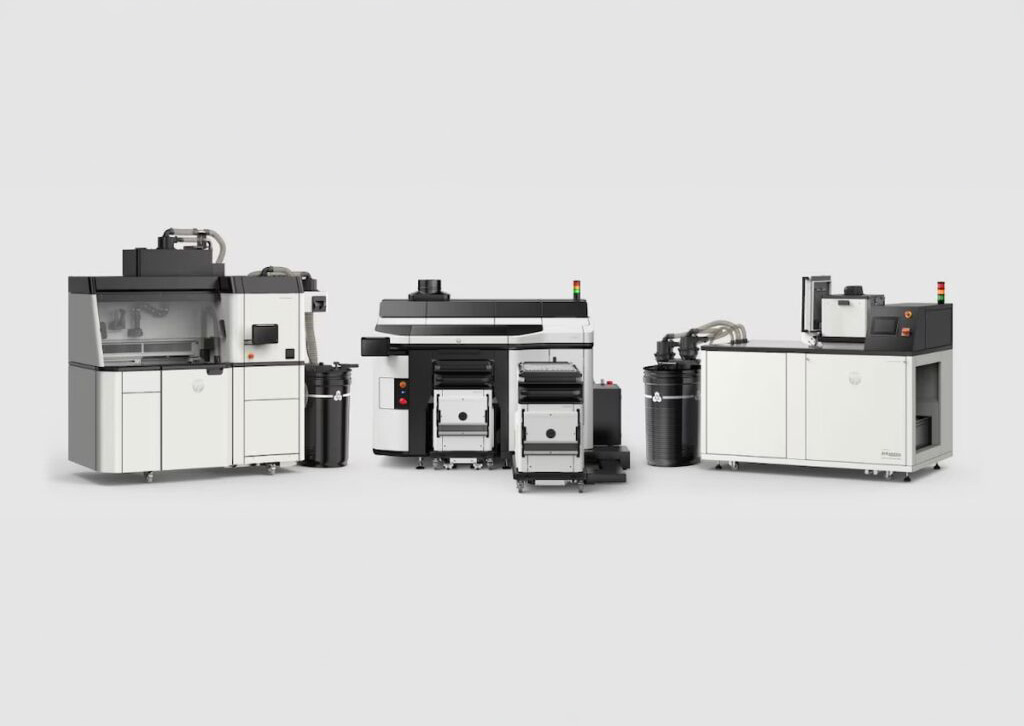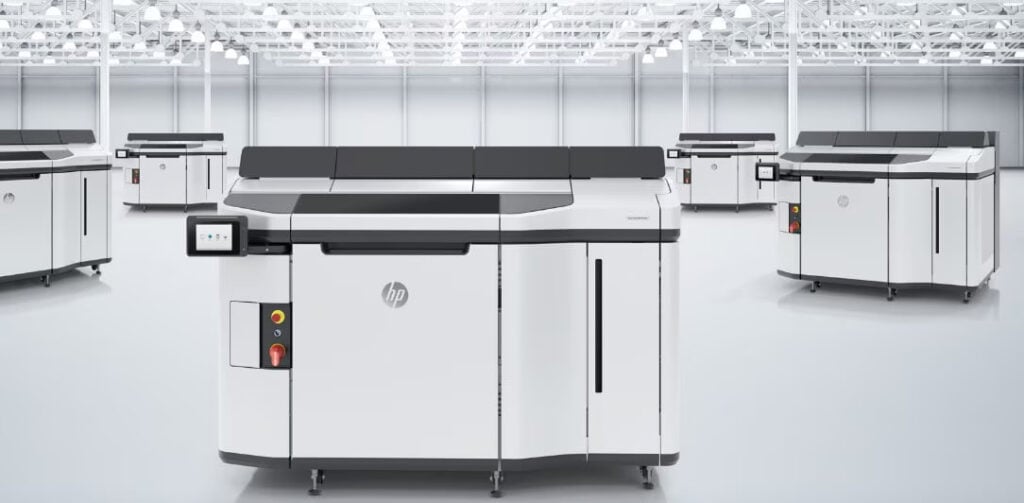
HP Additive Manufacturing Solutions is transforming how UAVs are designed and built through Multi Jet Fusion (MJF) 3D printing technology.
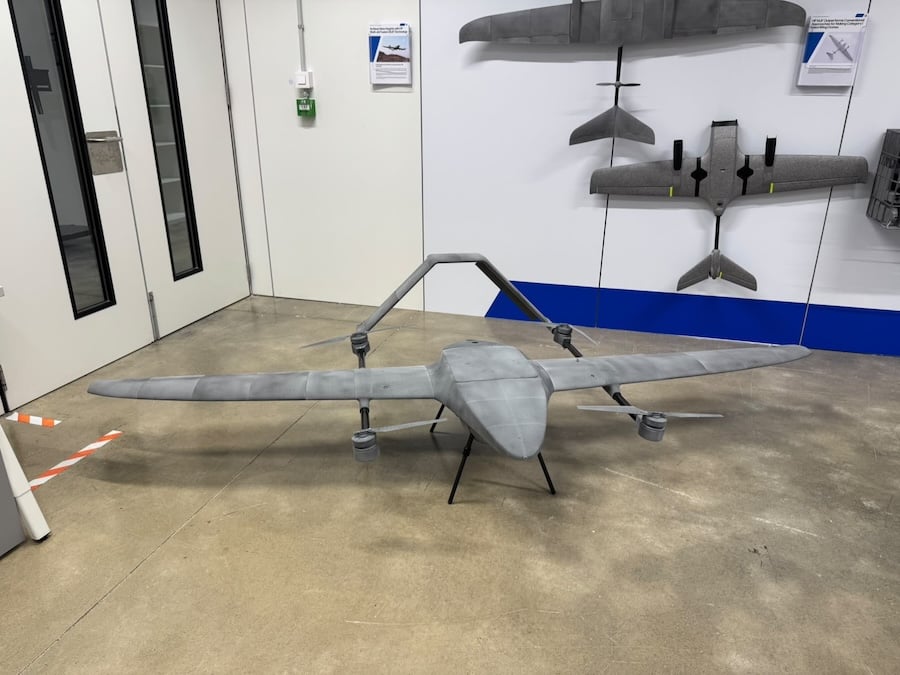
The VALAQ is a hybrid UAV that combines vertical takeoff and landing capability with multicopter functionality. This configuration makes it well-suited for long-range missions such as surveillance, mapping, and logistics.
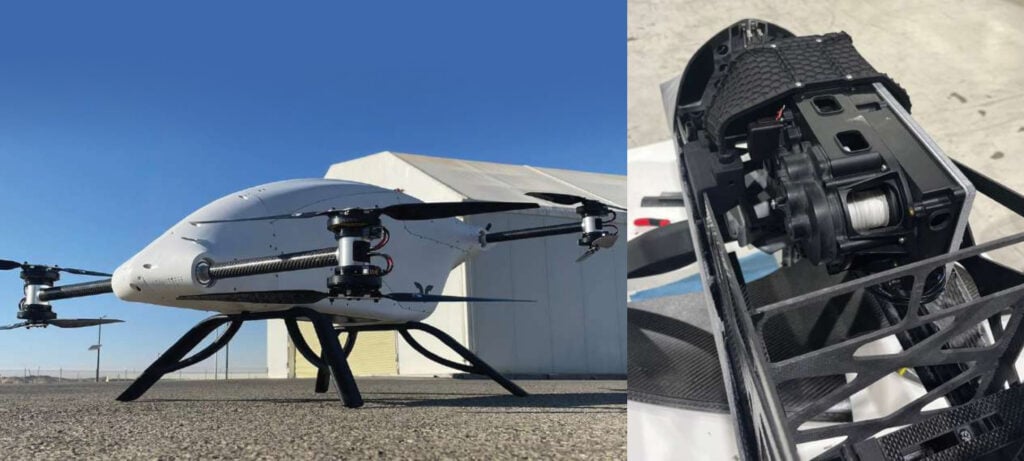
Spanish company UAV Works demonstrates these advantages with its two flagship platforms: VALAQ, a hybrid UAV for mapping, logistics, and surveillance, and HUNTER, a collapsible multicopter engineered for portability and global connectivity. Both aircraft integrate components produced using HP MJF, highlighting the role of additive manufacturing in extending mission capabilities.
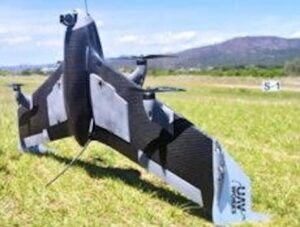
Image courtesy of UAV Works
VALAQ: Hybrid VTOL Efficiency
By enabling lighter structures, consolidated assemblies, and rapid prototyping, the process is reshaping unmanned system manufacturing.
HUNTER: Portable and Highly Connected
The HUNTER is a compact, collapsible multicopter designed for rapid deployment. It features camera-guided flight and integrated communications with a dedicated data link and two 4G modems, enabling information transfer worldwide. With 96 percent of its structure 3D printed, the platform can be repaired in the field with minimal downtime.
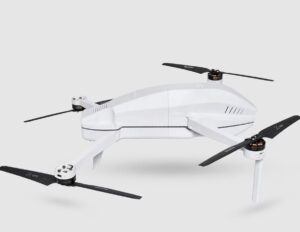
Image courtesy of UAV Works
HP MJF Advantages for UAVs
The Multi Jet Fusion process offers several key benefits for unmanned platforms:
- Flexibility: Folding mechanisms can be produced without traditional manufacturing constraints.
- Part consolidation: Complex geometries are manufactured as single components, reducing assembly requirements.
- Weight optimization: Thin-walled and hollow parts lower airframe mass, extending endurance and improving efficiency.
By combining structural optimization with manufacturing efficiency, HP Additive’s Multi Jet Fusion technology is advancing the development of UAVs and UUVs, redefining how next-generation platforms are manufactured and deployed.