Intelligent Energy, a developer of compact hydrogen and PEM fuel cells for drones, explains how hydrogen fuel cell technology is enabling longer-duration Beyond Visual Line of Sight (BVLOS) Unmanned Aerial Vehicle (UAV) operations. Read more >>
As UAV technology advances, the focus is shifting toward extended missions that exceed the endurance limits of battery-powered platforms. Hydrogen fuel cells are playing a key role in this transition, enabling longer flight times, faster refueling, and increased payload capacity for demanding BVLOS applications such as infrastructure inspection, emergency response, and parcel delivery.
Operational Advantages of Hydrogen
Hydrogen-powered UAVs offer clear advantages over lithium-ion battery systems. IE-SOAR systems provide up to three hours of continuous flight, significantly extending mission duration. Refueling takes only minutes, supporting rapid turnaround between missions. The higher energy density of hydrogen also allows UAVs to carry heavier sensors or delivery payloads without compromising range.
These characteristics enable commercial operators to scale operations and undertake more demanding long-range missions.
Real-World Applications
Hydrogen fuel cell-powered drones are already being deployed in BVLOS roles. In partnership with Cyberhawk, Intelligent Energy’s systems support long-distance power line inspections in remote areas, reducing risk, cost, time, and emissions.
Extended range and rapid deployment also make hydrogen UAVs well suited to emergency response missions, including search and rescue and communications relay in hard-to-access environments. In logistics, increased endurance and payload capacity open opportunities for parcel delivery to rural, island, and high-risk locations.
UK Hydrogen-Powered BVLOS Flight
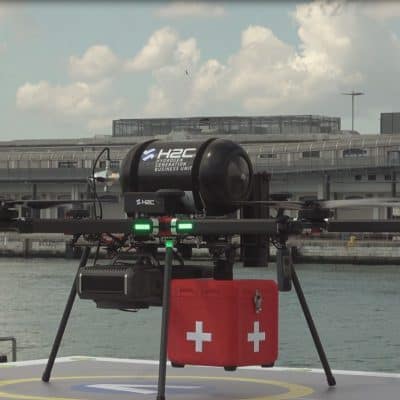
In a UK-first trial, Intelligent Energy’s hydrogen fuel cell technology powered a BVLOS drone flight over Eryri National Park and 10km offshore. The project was led by BT, with support from uAvionix, Skyfarer, and Intelligent Energy.
The 25kg six-rotor UAV was equipped with Intelligent Energy’s IE-SOAR™ hydrogen fuel cell system, delivering extended endurance and zero-emission performance, with water vapor as the only by-product. Secure command and control beyond the pilot’s visual line of sight was maintained using SkyLine connectivity, which combined protected C-band radio, cellular, and satellite links to ensure resilient communications over remote terrain.
IE-SOAR Product Range
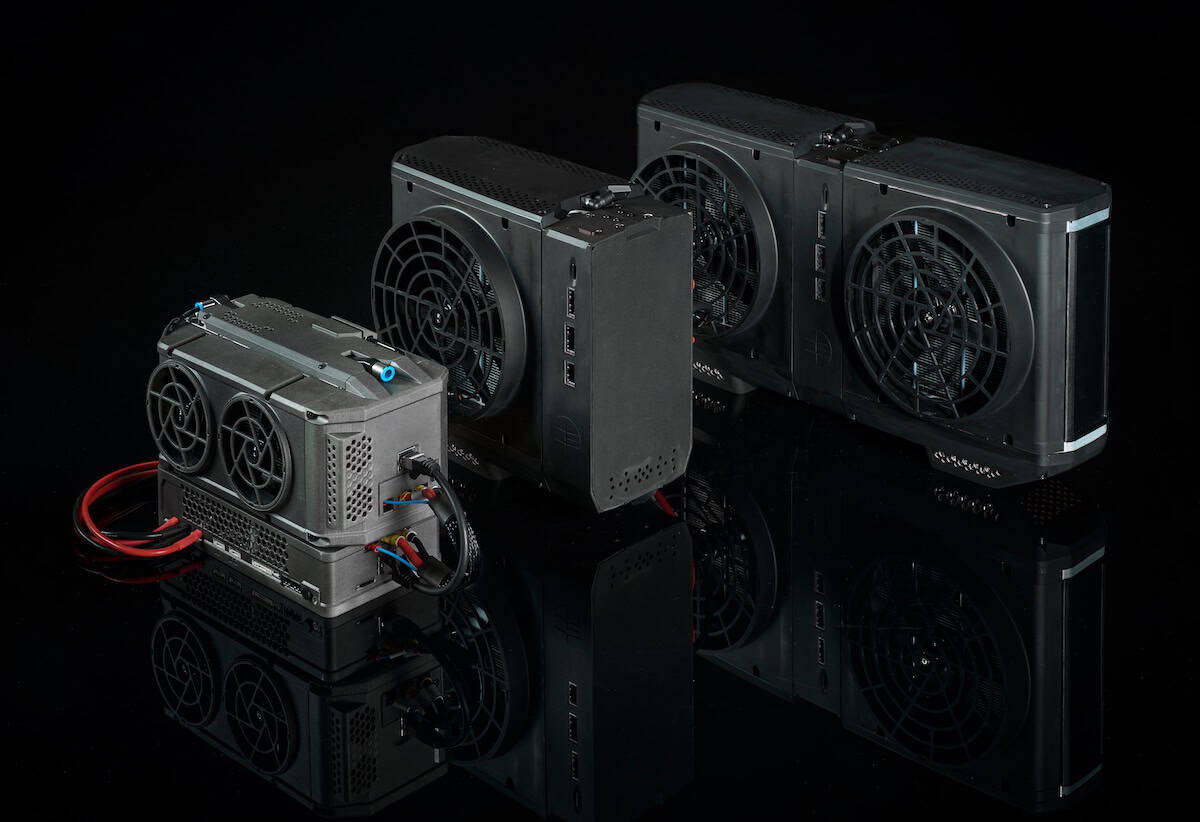
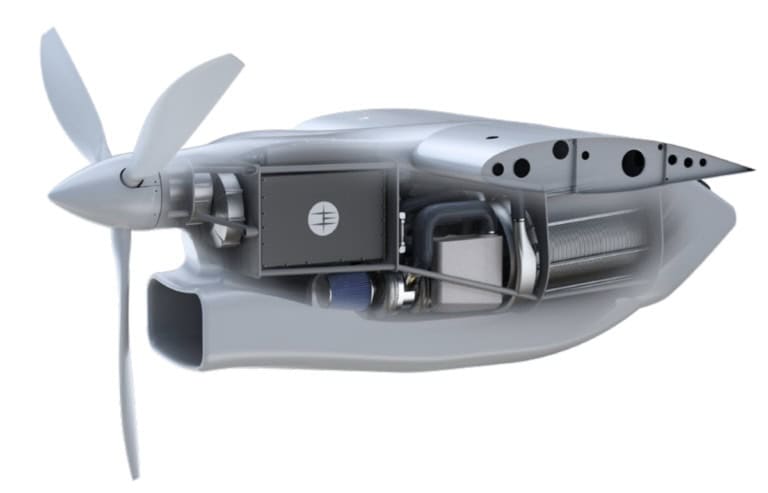
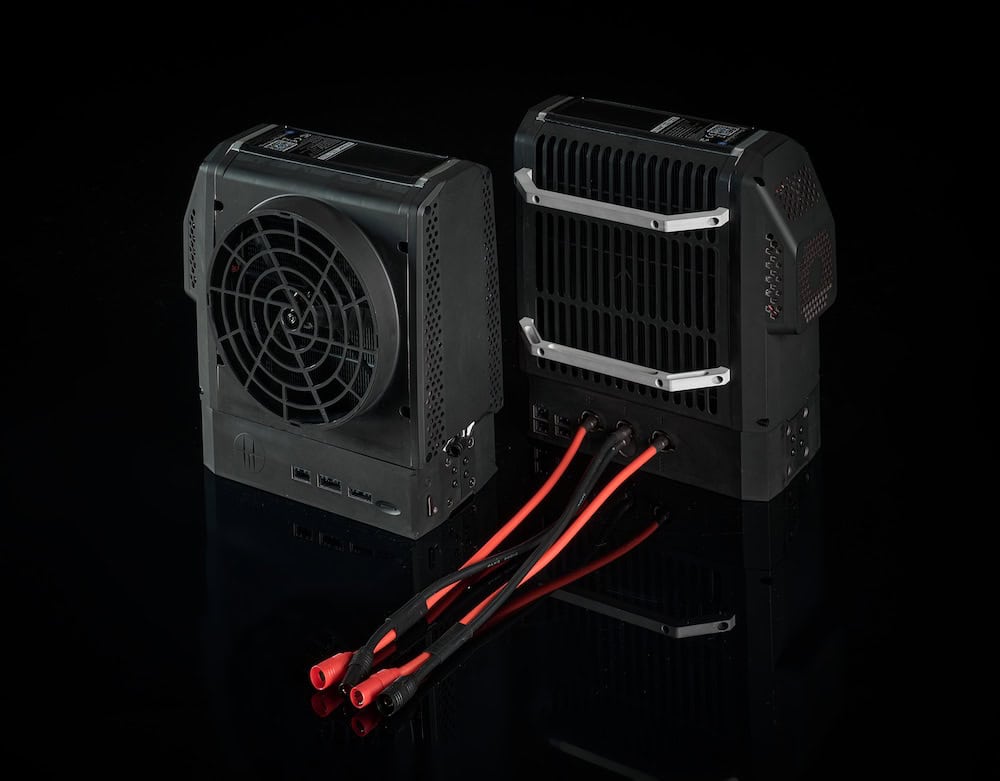
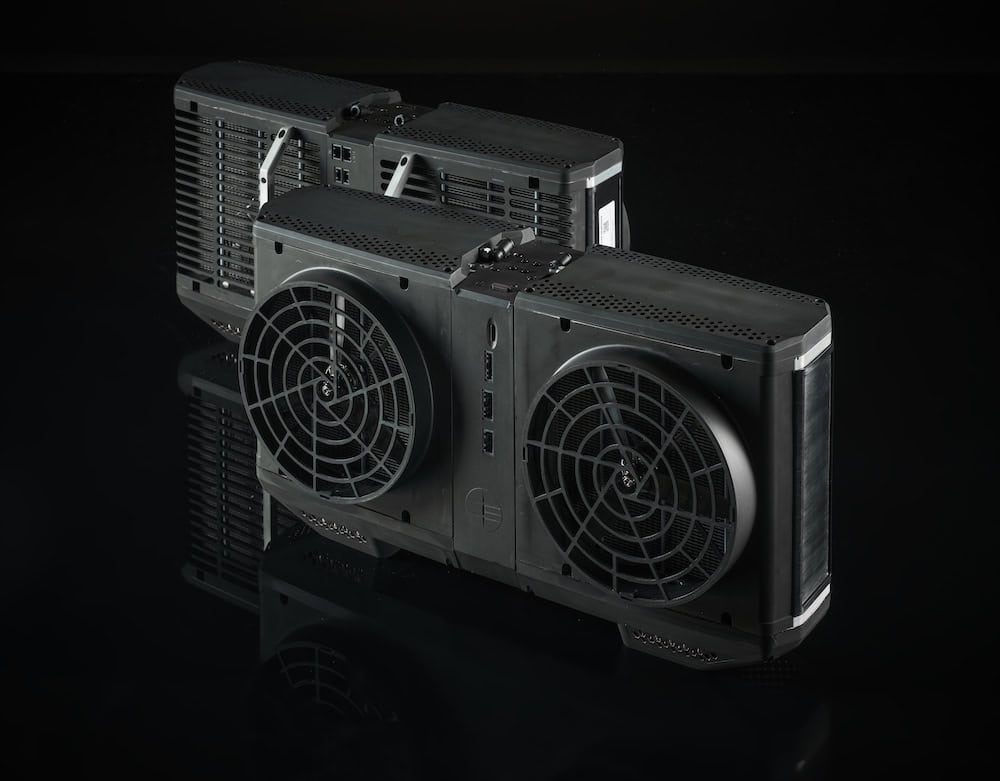
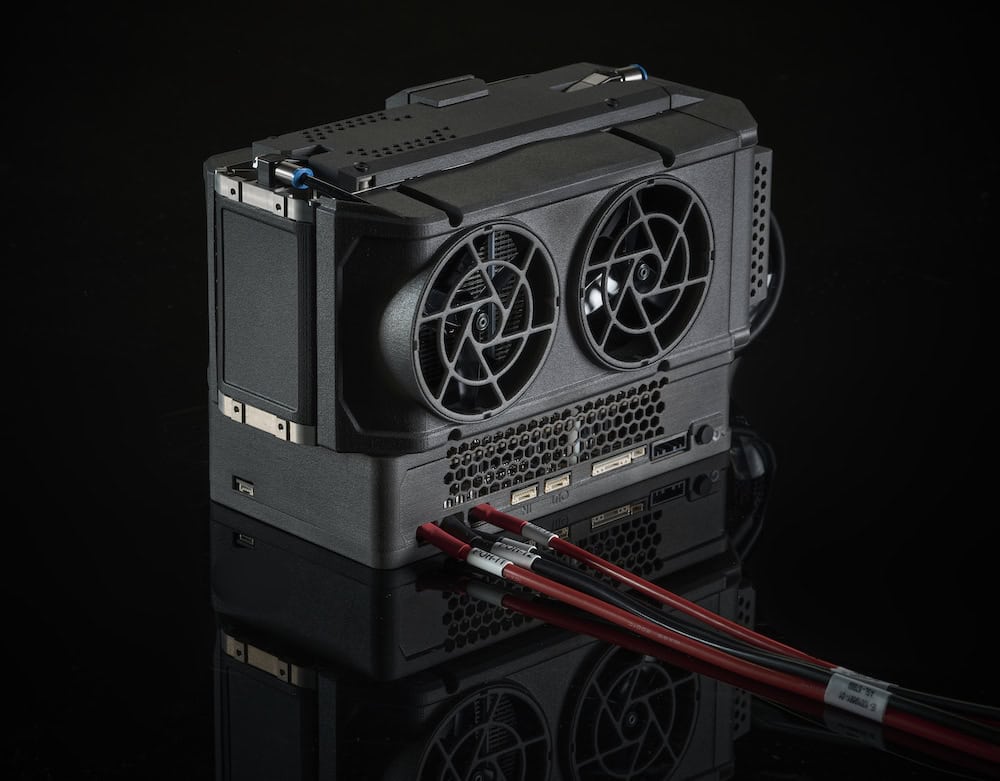
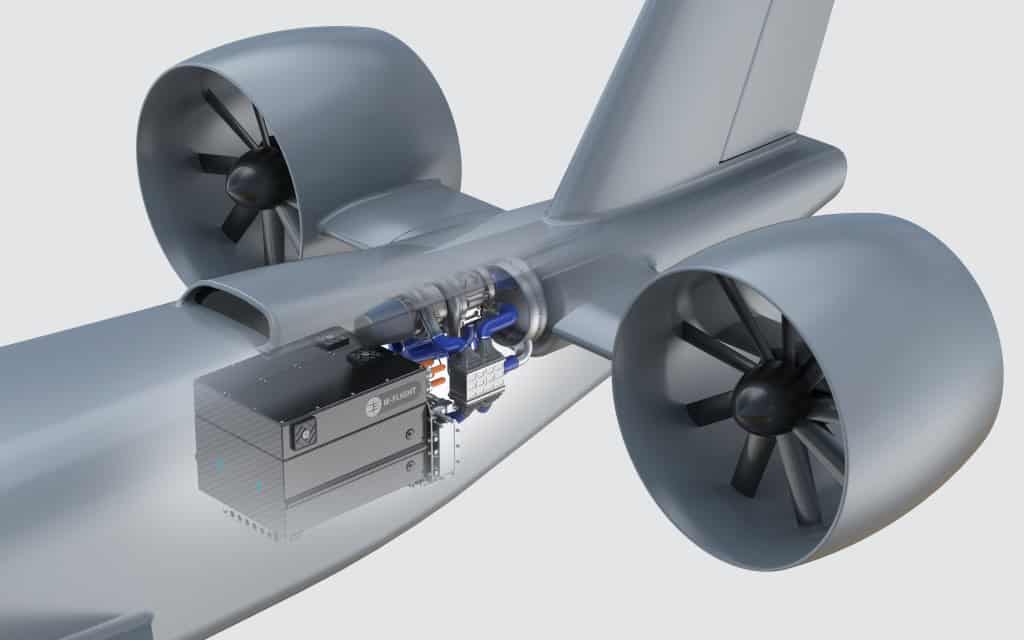
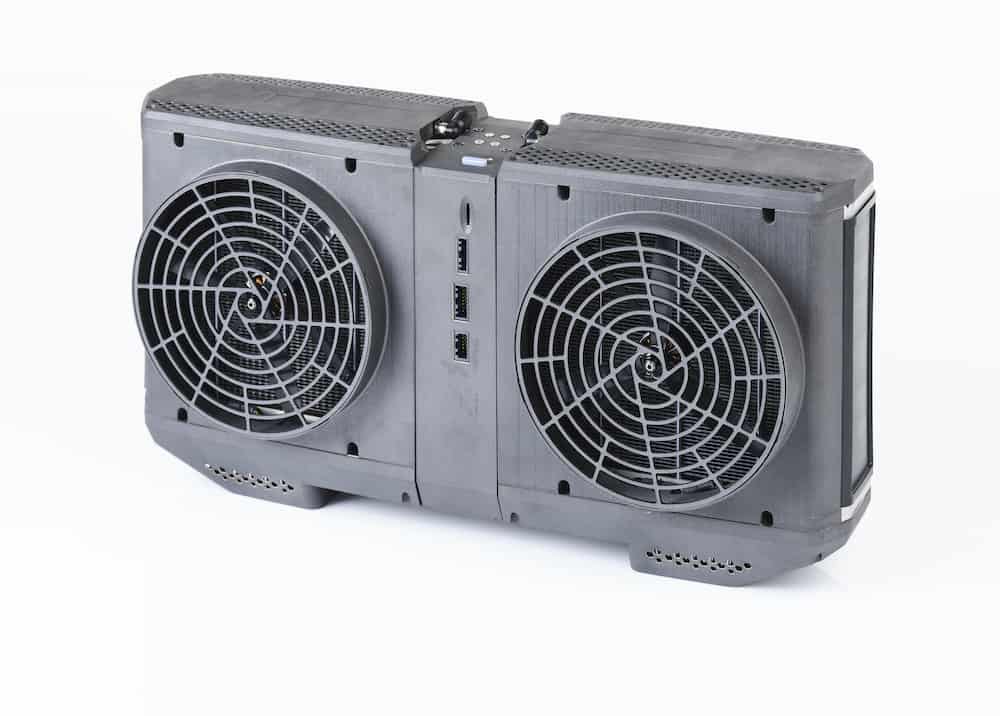
The IE-SOAR product range includes hydrogen fuel cell modules from 800W to 2.4kW, designed for fixed-wing, rotary, and hybrid UAV platforms. The systems are lightweight, compact, and air-cooled, engineered for industrial-grade reliability across diverse operational conditions.
As demonstrated by the BT-led trial, the combination of multi-layered connectivity and hydrogen power provides a resilient and scalable foundation for BVLOS operations, marking progress toward certifiable, market-ready hydrogen UAV services.
Andy Kelly, Head of Product Line at Intelligent Energy, commented, “The combination of reliable long-range communications and the extended flight time of our IE-SOAR system shows how hydrogen power can move UAV operations to the next level – enabling real-world, long-distance missions that battery systems simply can’t deliver.
“It’s a step towards certified, market-ready services that will allow drones to fly further, carry heavier payloads and operate safely in remote areas.”
Supporting Regulatory Progress
While BVLOS operations remain subject to regulatory limitations in many countries, successful demonstrations such as the UK trial, combined with improvements in fuel cell reliability and command-and-control systems, are helping regulators assess safe integration into national airspace.
The UK Civil Aviation Authority (CAA) is actively exploring frameworks to enable wider adoption of long-range UAV missions. Hydrogen-powered platforms, with extended reach and low emissions, are positioned to contribute to future standards for safe and sustainable BVLOS operations.
To find out more information, read ‘How hydrogen drones enable BVLOS missions’ here >>