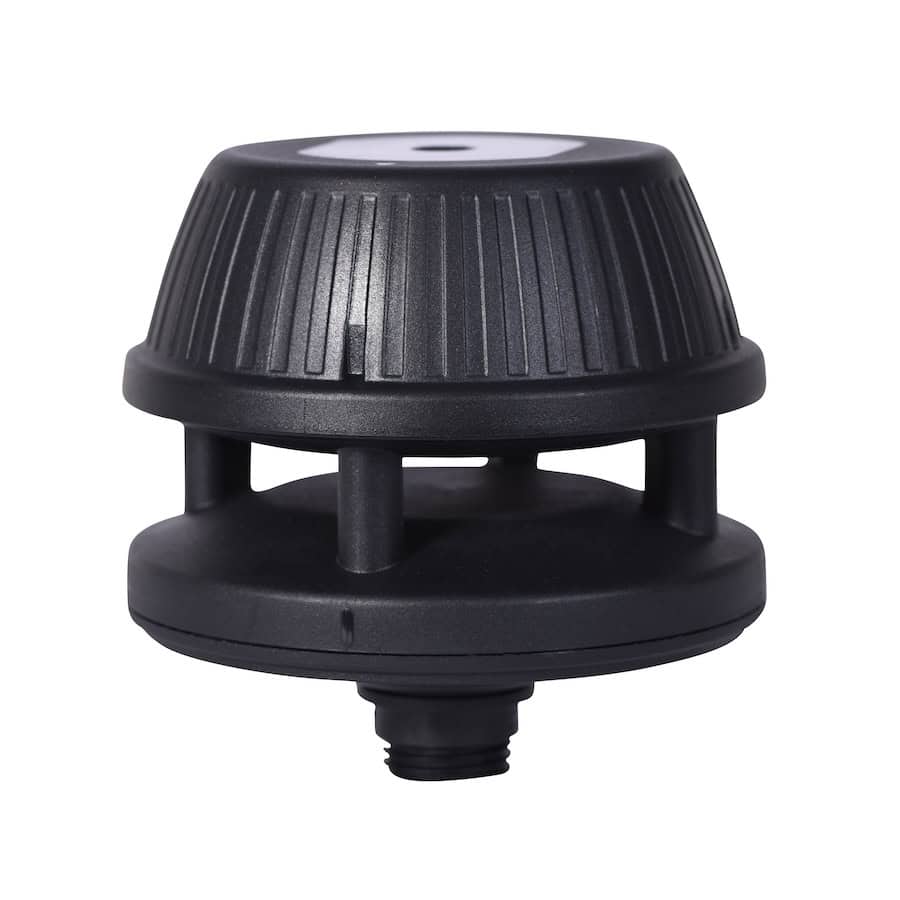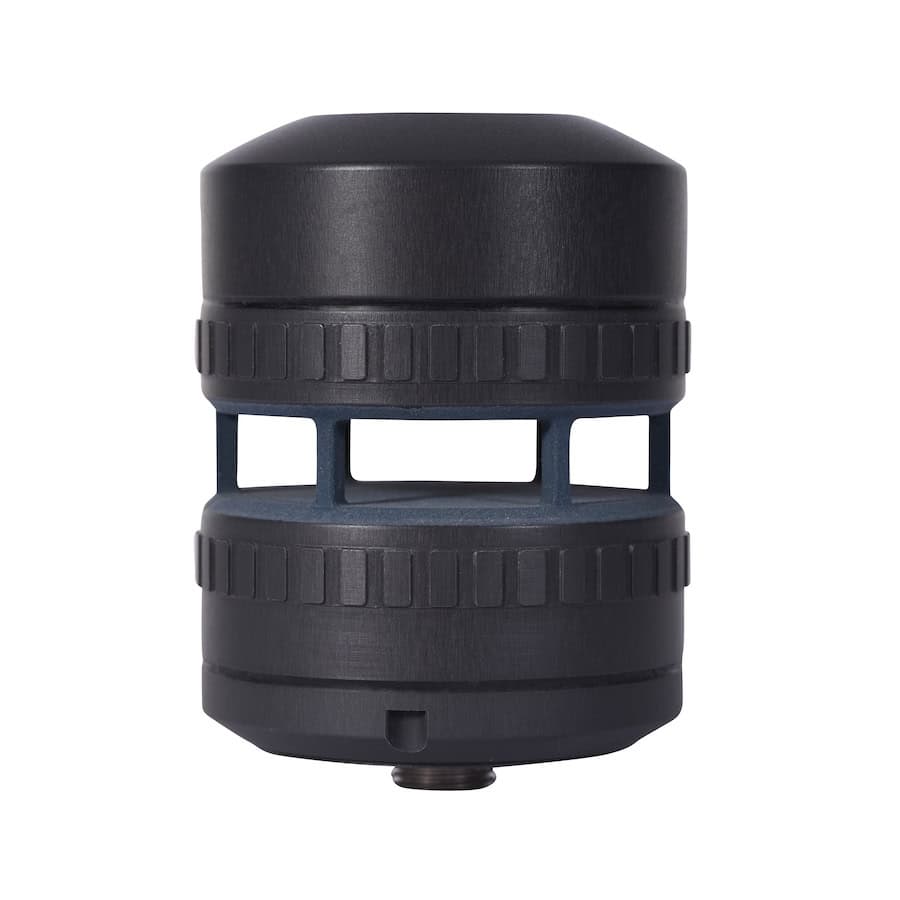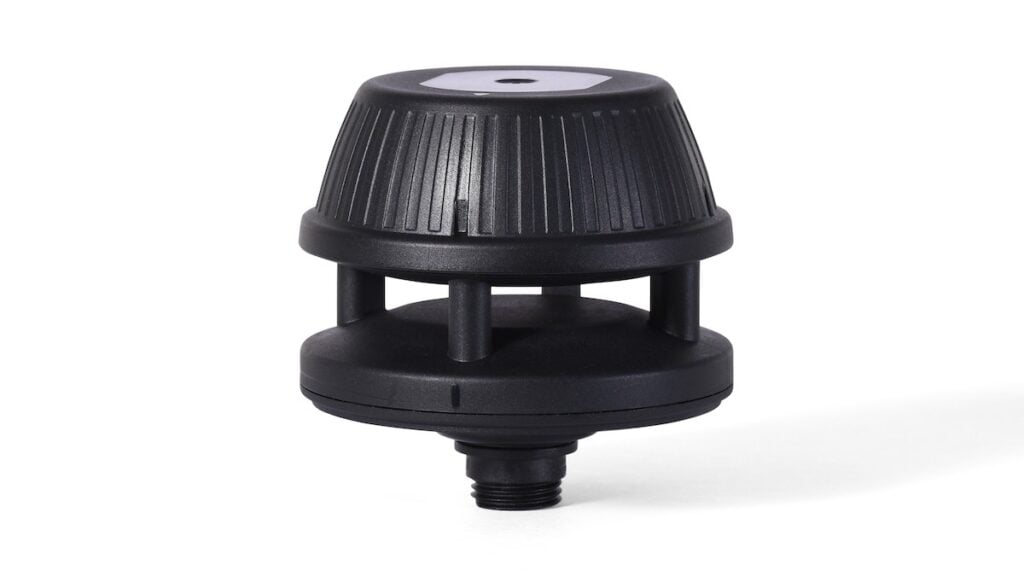




FT Technologies provided critical support to a research initiative led by Aalborg University in Denmark, supplying its FT742-SM wind sensor to help assess the feasibility of delivering spare parts to offshore wind turbines using unmanned aerial vehicles (UAVs).
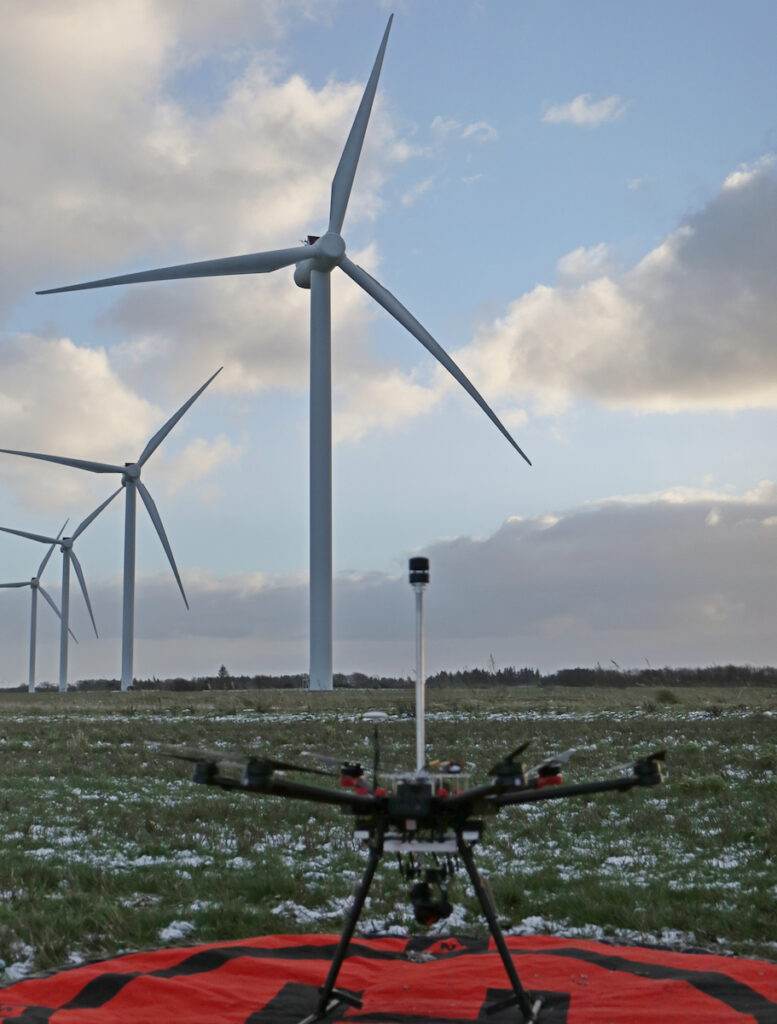 The sensor was used to evaluate wind conditions and drone behavior near turbine nacelles, where high winds and rotating blades present significant operational challenges.
The research focused on replacing the conventional method of transporting parts by ship followed by craning them up to the nacelle. This process is slow and logistically complex. By using drones to fly parts directly from the service harbor to the nacelle, the project aimed to reduce both costs and disruption to turbine operations.
Offshore turbines are typically situated in high-wind areas, and the ability to carry out deliveries without shutting down the turbine introduces additional complexity. To determine if drones can safely hover above nacelles while blades remain in motion, Aalborg University engaged FT Technologies to help gather reliable wind data in these demanding environments.
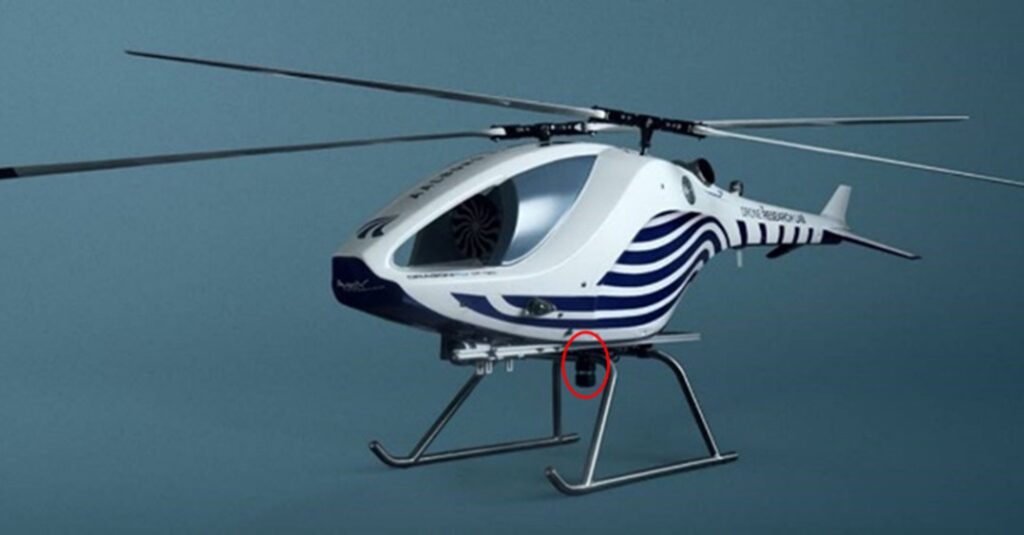
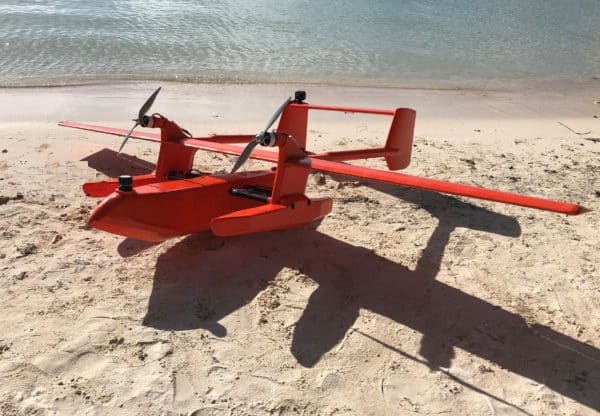
Dragonfly T50 with Flettner Double Rotor
Project Overview
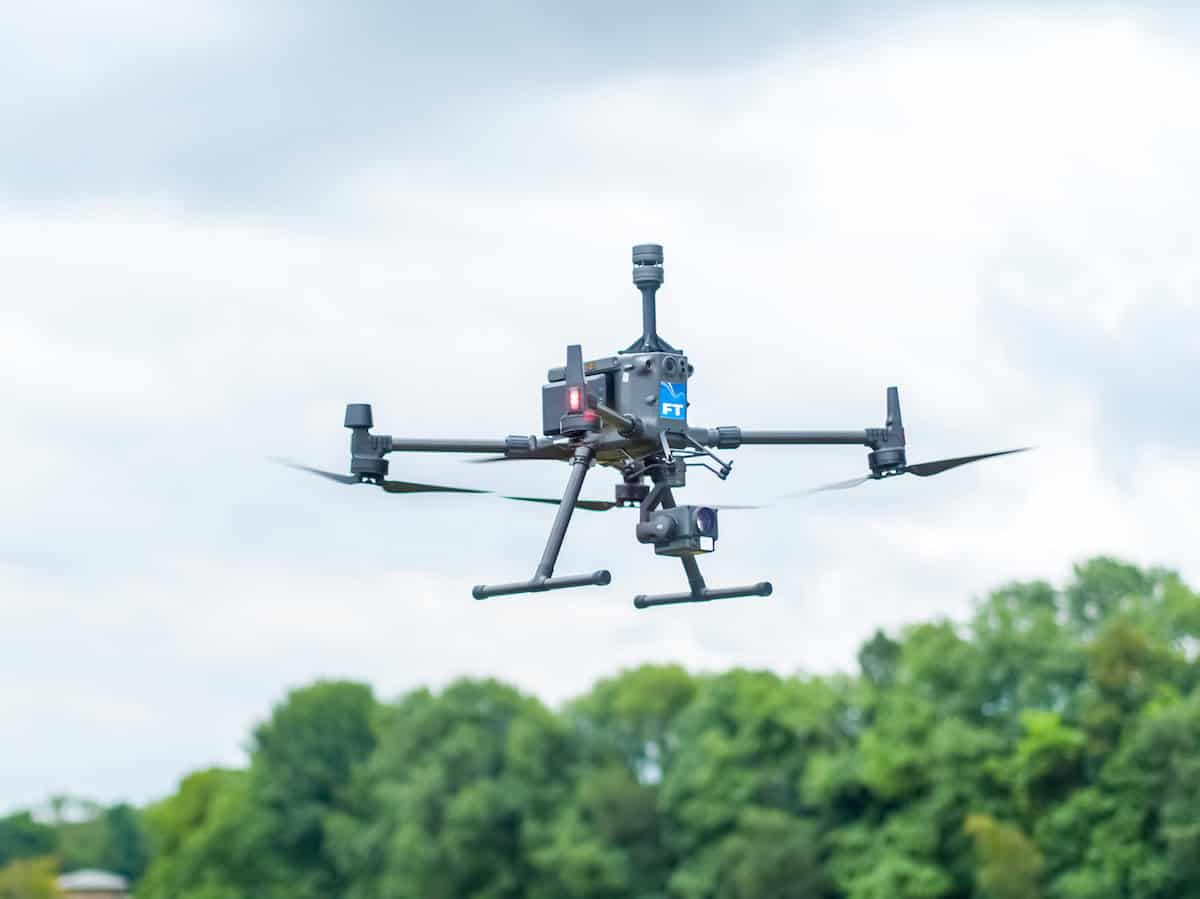
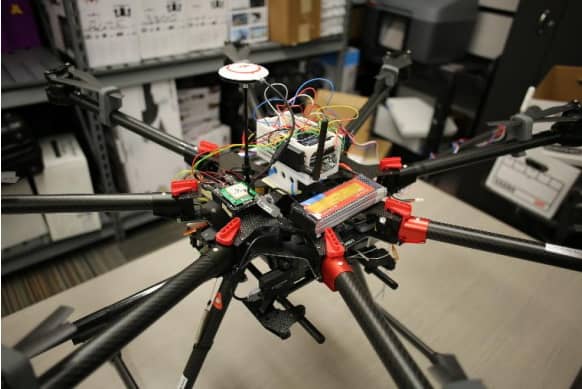
To measure wind conditions where the drone would operate, Aalborg University installed the FT742-SM wind sensor on a DJI Matrice 600 multirotor UAV. The sensor was later transferred to a T50 rotorcraft UAV weighing 90 kg, used during the test delivery stage of the project.
The M600 platform was selected as the team lacked prior experience flying a drone a few meters above a 100 meter high, 6 MW wind turbine (just 5 meters behind moving blades in wind speeds exceeding 20 m/s), so a more cost-effective UAV was preferred for early tests. The multirotor design also allowed the sensor to be positioned above the rotor wake, preventing interference with wind readings.
Top-left: Aircraft attitude. Top-right: Difference in actuation of front/back and left/right drone motors. Bottom-left: Wind speed (blue) and direction (purple) as measured by the FT742-SM. Ground wind speed data (red) was lost for this flight. Bottom-right: Magnetic field strength relative to the nominal magnetic field (dashed line).
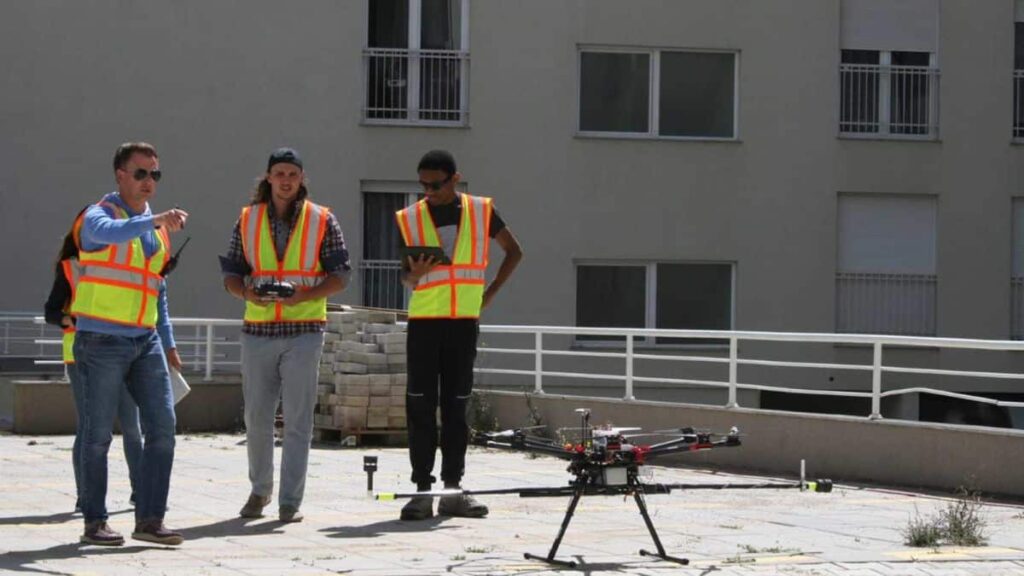
The FT742-SM was secured to a 50 cm aluminum rod and flown gradually closer to the nacelle to record performance data. Between 7–9 minutes into the video, rapid changes in wind speed illustrate the effect of the turbine blade shadows as they pass in front of the drone.
Following this phase, the FT742-SM sensor was mounted in an inverted position beneath the T50 aircraft’s fuselage. To ensure reliable readings in this orientation, a series of test flights were conducted in varying wind conditions.
In one flight, ground wind speed averaged roughly 8 m/s. Since it was unclear whether the sensor was detecting ambient wind or turbulence caused by the rotors, the drone was held in a steady hover while its heading was altered several times. If the measured wind direction remained steady and aligned with the drone’s heading, the data would be considered valid. Consequently, a strong match between heading and wind direction supported the accuracy of the recorded wind speeds.