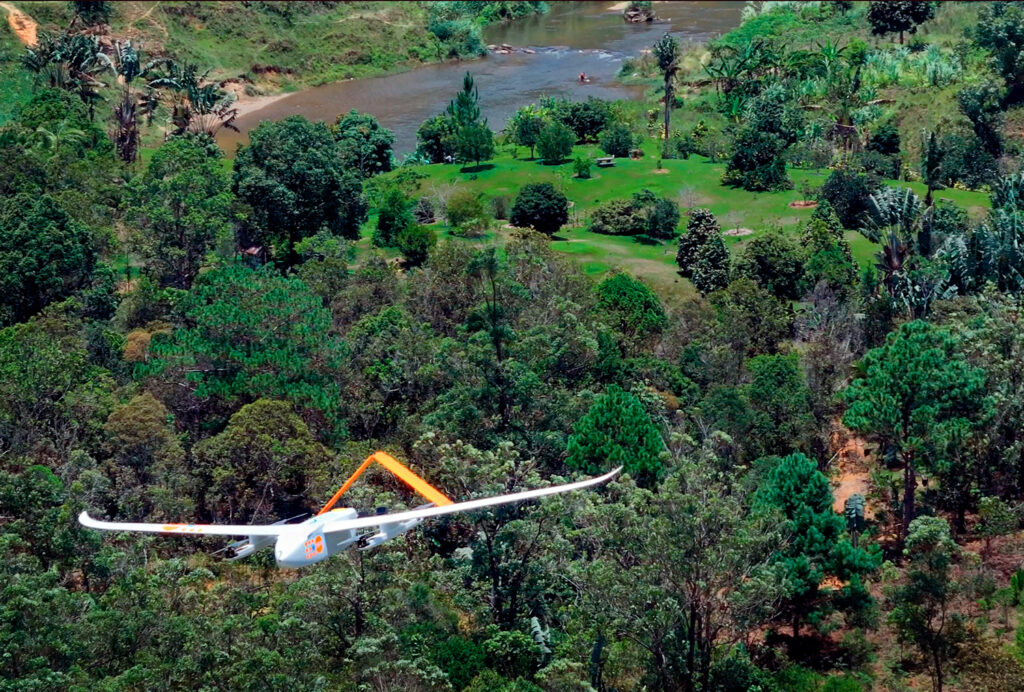
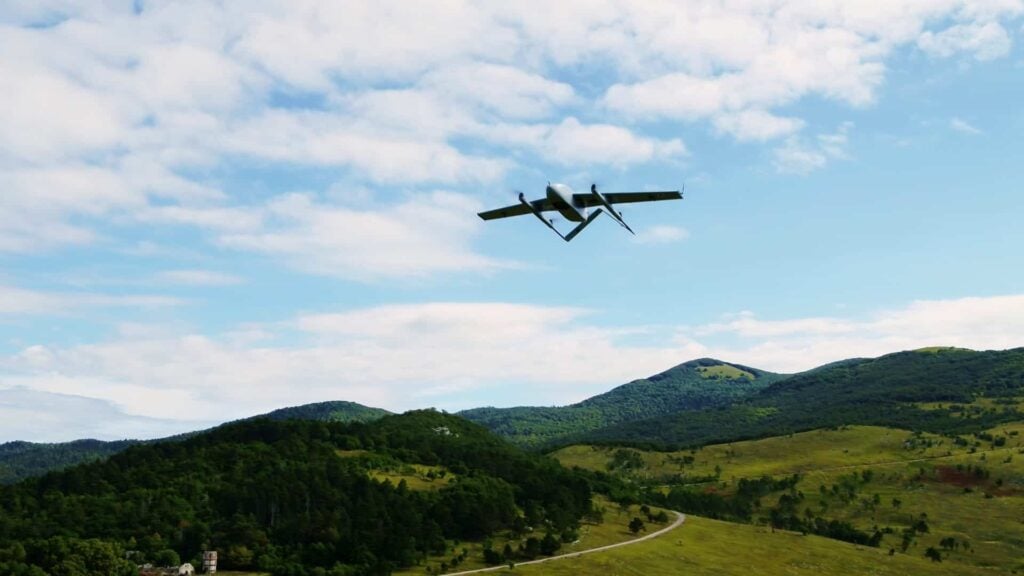
ElevonX is a developer of professional hybrid fixed-wing Vertical Take-Off and Landing (VTOL) Unmanned Aerial Vehicles (UAVs) and supporting equipment for global civilian and military operations.
In this exclusive Q&A, UST sat down with Tomaž Plešec, Sales Manager at ElevonX, to discuss the company’s fixed-wing UAVs, current global operations, and the humanitarian Madagascar project with UNFPA, using drones to deliver life-saving medical supplies to remote communities.
Tomaž, could you briefly introduce ElevonX and what you specialize in?
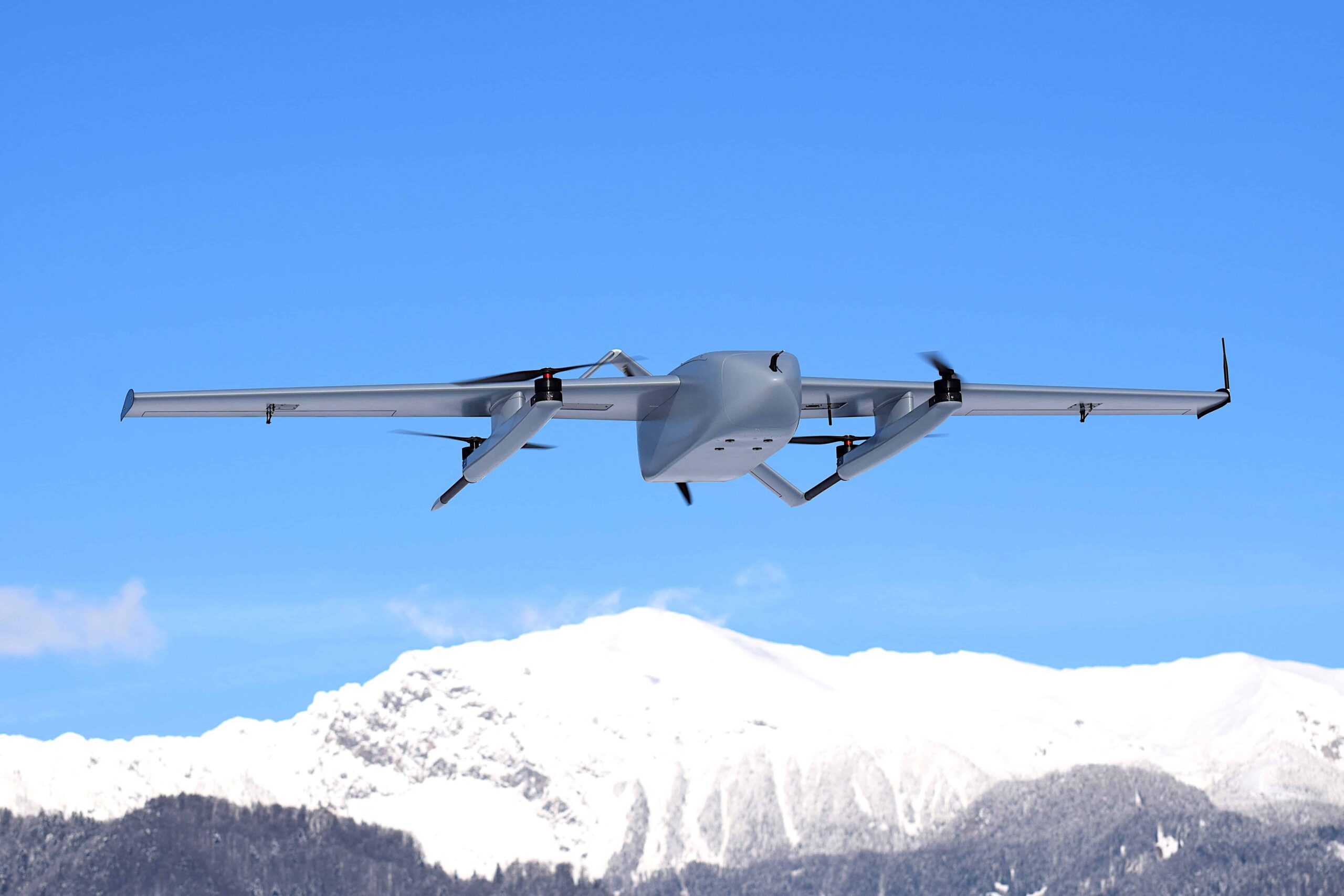
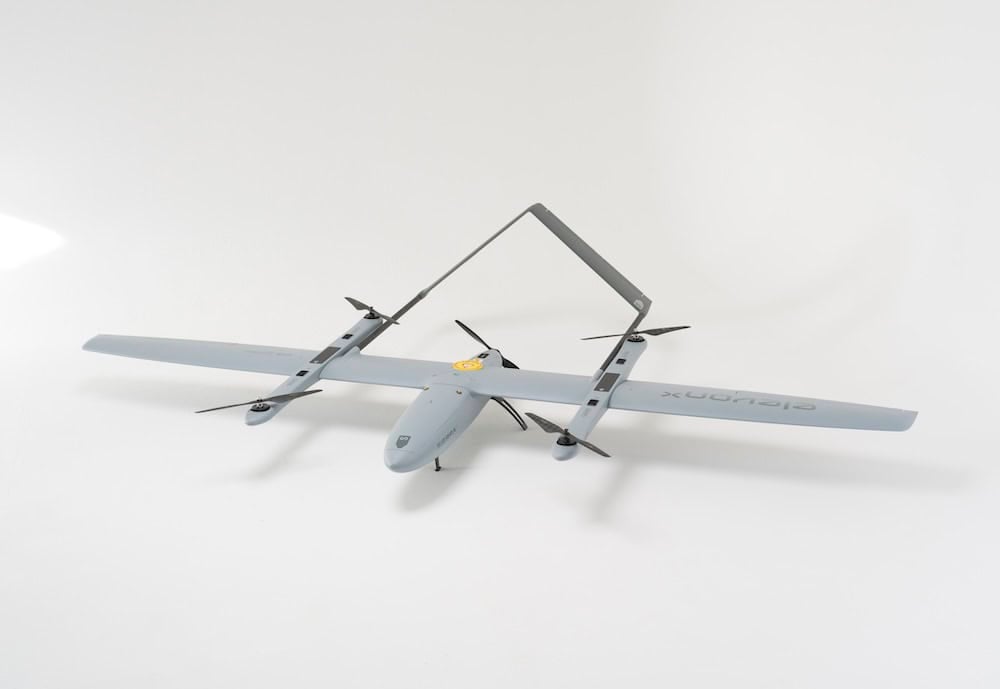
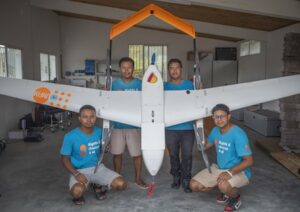
Tango VTOL UAV.
ElevonX is a Slovenian company specializing in the design and production of fixed-wing UAVs. We have been active in this field for over ten years, developing everything in-house, such as composite airframes and final systems integration. This allows us to fully tailor each aircraft to the mission requirements.
Our UAVs are currently in operation across Europe, Africa, and Asia, serving both civil and defense applications, from infrastructure monitoring to environmental observation and logistics. Our flagship platforms are the Tango 4.4 and the Sierra, designed for endurance, precision, and adaptability in demanding conditions.
How did your collaboration with the United Nations Population Fund (UNFPA) begin?
The project began in April 2024, when UNFPA approached us with an inquiry about drone-based delivery of medical supplies in Madagascar. After a public tender and detailed technical discussions, we signed the contract on September 11, 2024, with the commitment to deliver by the end of the year.
In just a few months, we developed, tested, and delivered three customized Tango 4.4 UAVs, designed to operate reliably in the island’s tropical and mountainous environment. The aircraft were handed over on December 28, 2024, as planned.
What were the key technical and operational challenges?
Madagascar is one of the most geographically diverse places on Earth. It has dense forests, steep valleys, and remote villages with limited infrastructure. Our aircraft needed to perform long-range missions with complete reliability.
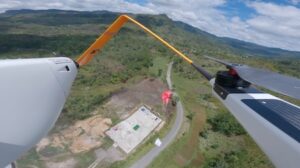
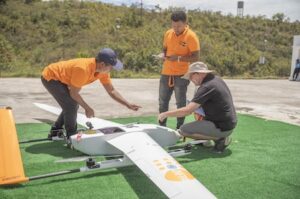
Each Tango 4.4 can carry up to 5 kilograms of medical payload over 100 kilometers, delivering to 62 different locations. The drones use a parachute drop system for safe and precise package delivery, even in areas without landing sites.
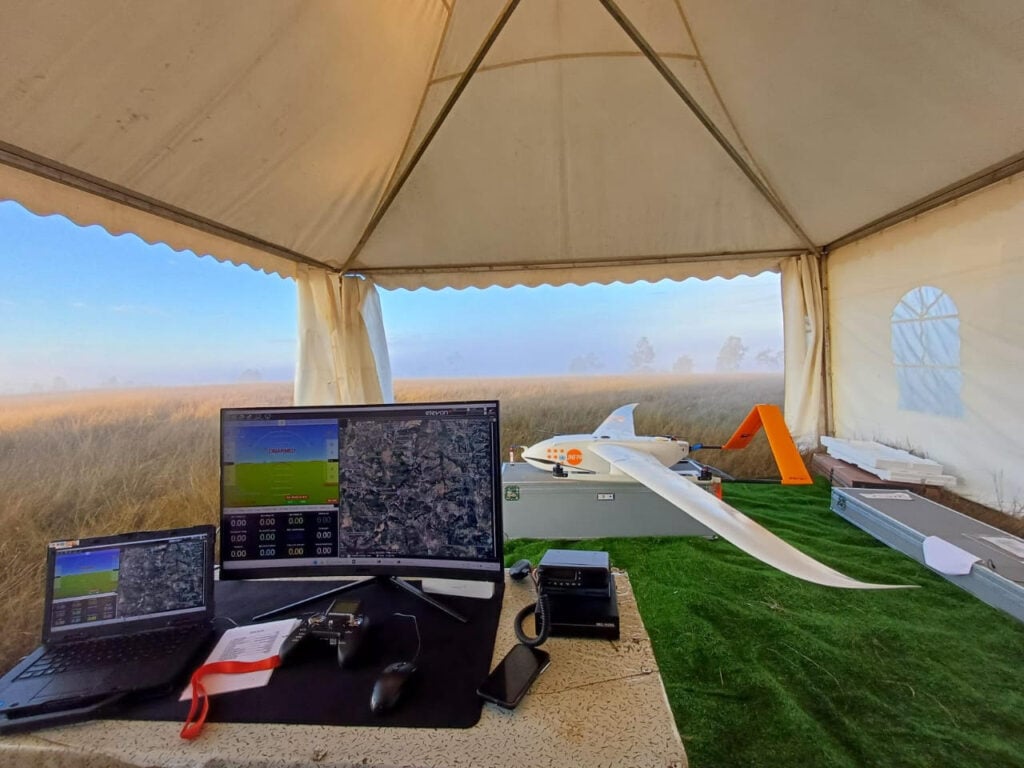
Because communication infrastructure is limited, we integrated Starlink satellite connectivity, allowing flight control and monitoring even where traditional radio links fail.
A typical flight lasts up to two hours, meaning a medical package that once took two days to reach a clinic by motorbike or off-road vehicle can now arrive in under two hours.
That’s a remarkable transformation. What kind of impact has the project had so far?
This project has been transformative for both the local healthcare network and for our own team. These drones have significantly reduced delivery times for critical medical supplies, including vaccines, emergency kits, and reproductive health materials.
Beyond logistics, the project has also focused on building local capacity. Pilots trained under UNFPA are now conducting missions independently, ensuring the transfer of knowledge and creating new employment opportunities.
Why did ElevonX decide to engage in this humanitarian project?
For us, the project represented more than a commercial engagement. It was driven by a strong sense of purpose. Slovenia has long-standing humanitarian ties with Madagascar through missionaries and aid organizations, and we sought to contribute to that legacy through technology.
 In the UAV sector, drones are often associated with surveillance or defense. This project gave us the chance to show the opposite, that UAVs can be instruments of humanity, capable of saving lives rather than endangering them.
From a business perspective, are such projects sustainable?
Projects like these are undoubtedly challenging. While they may not be the most profitable from a purely financial perspective, their long-term value lies in the trust, experience, and the credibility they build.
Successfully executing a project for a UN agency shows that our systems perform under real-world humanitarian conditions, which is invaluable for future collaborations and innovation.
What are ElevonX’s next steps after the Madagascar project?
We see this project as just the beginning. Our next goal is to expand training and maintenance programs so local teams can operate the UAVs independently in the long term.
We are also exploring similar projects in other regions where transport infrastructure is weak and healthcare access is limited, not only in Africa, but also in parts of South America and Asia.
Ultimately, our vision is to show that advanced European UAV technology can make a meaningful difference in global humanitarian logistics.
If you had to summarize the key lesson from this project, what would it be?
 Innovation holds little meaning without purpose. UAVs are remarkable tools, but when they deliver medicine instead of data or defense, they become something far greater.
“When a drone brings medicine, it’s not just a delivery – it’s hope arriving from the sky.”
At ElevonX, we have seen first-hand that technology can serve humanity with compassion, and that is a message we aim to share.
Thank you for your time. It’s been a pleasure speaking with ElevonX, and we look forward to following your continued humanitarian initiatives and advancements in fixed-wing UAV technology.