
ParaZero Technologies outlines how recent conflicts, particularly since the 2022 Ukraine-Russia War, have reshaped long-standing practices in allied military cooperation and exposed gaps in modern battlefield doctrine.
Traditionally, larger and better-funded armed forces led training and shared defense strategies with allied partners. However, lessons emerging from Ukraine indicate a reversal of this dynamic, with frontline forces now training and informing more established militaries. One cited example is the use of simple netting as a counter-drone measure, highlighting a gap in training and operational requirements where such methods had not previously been considered.
The discussion emphasizes that current challenges are less about technological capability and more about adaptation. The widespread use of low-cost, expendable drones highlights how modern militaries are being out-adapted, while procurement cycles, doctrine, and assumptions about enemy capabilities have become obsolete.
According to ParaZero in The Battlefield Lessons the World’s Most Advanced Militaries Didn’t Expect, this shift demonstrates that technological superiority alone does not guarantee security, as adversaries take advantage of the cost and limitations of more advanced systems.
ParaZero Technologies also describes how the growing role of drones has altered the focus of protection from platforms to personnel. Reports from the Ukraine conflict indicate that First-Person-View (FPV) attack drones are responsible for a significant proportion of battlefield casualties, with engagements often conducted from a distance. This evolution places increased importance on individual survivability, particularly in the final moments before impact.
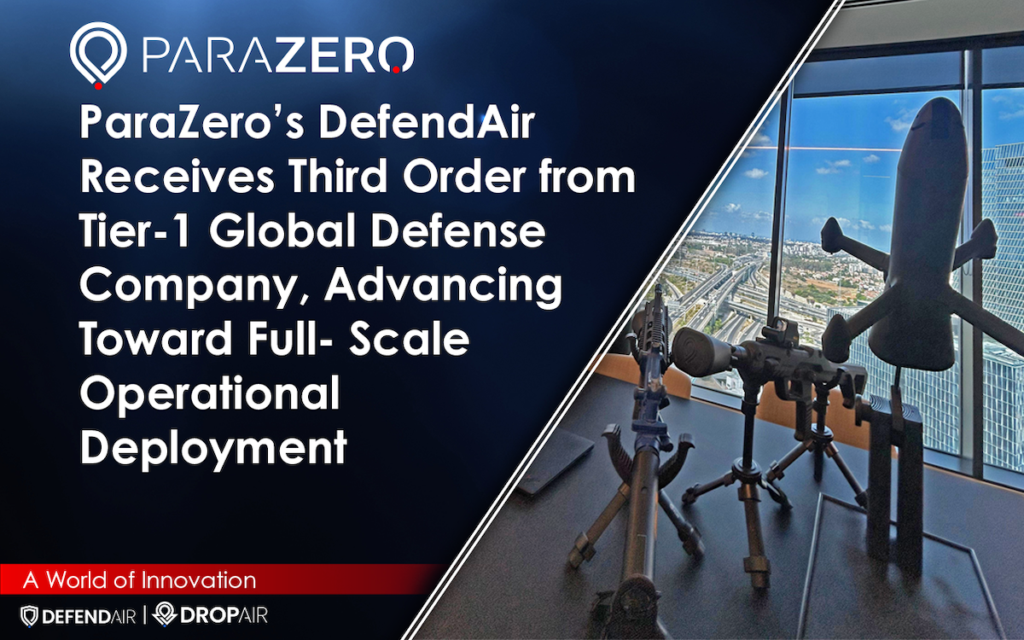
To address these conditions, the article highlights limitations in existing layered Counter-Unmanned Aircraft System (C-UAS) approaches, noting that detection, jamming, and interception do not always provide coverage at the individual level. As a result, ParaZero Technologies points to the growing relevance of last-line defensive tools, such as the DefendAir Hand-Held Net Launcher, which is designed to provide soldiers with a direct, non-explosive means of countering drones when other defensive layers are bypassed.