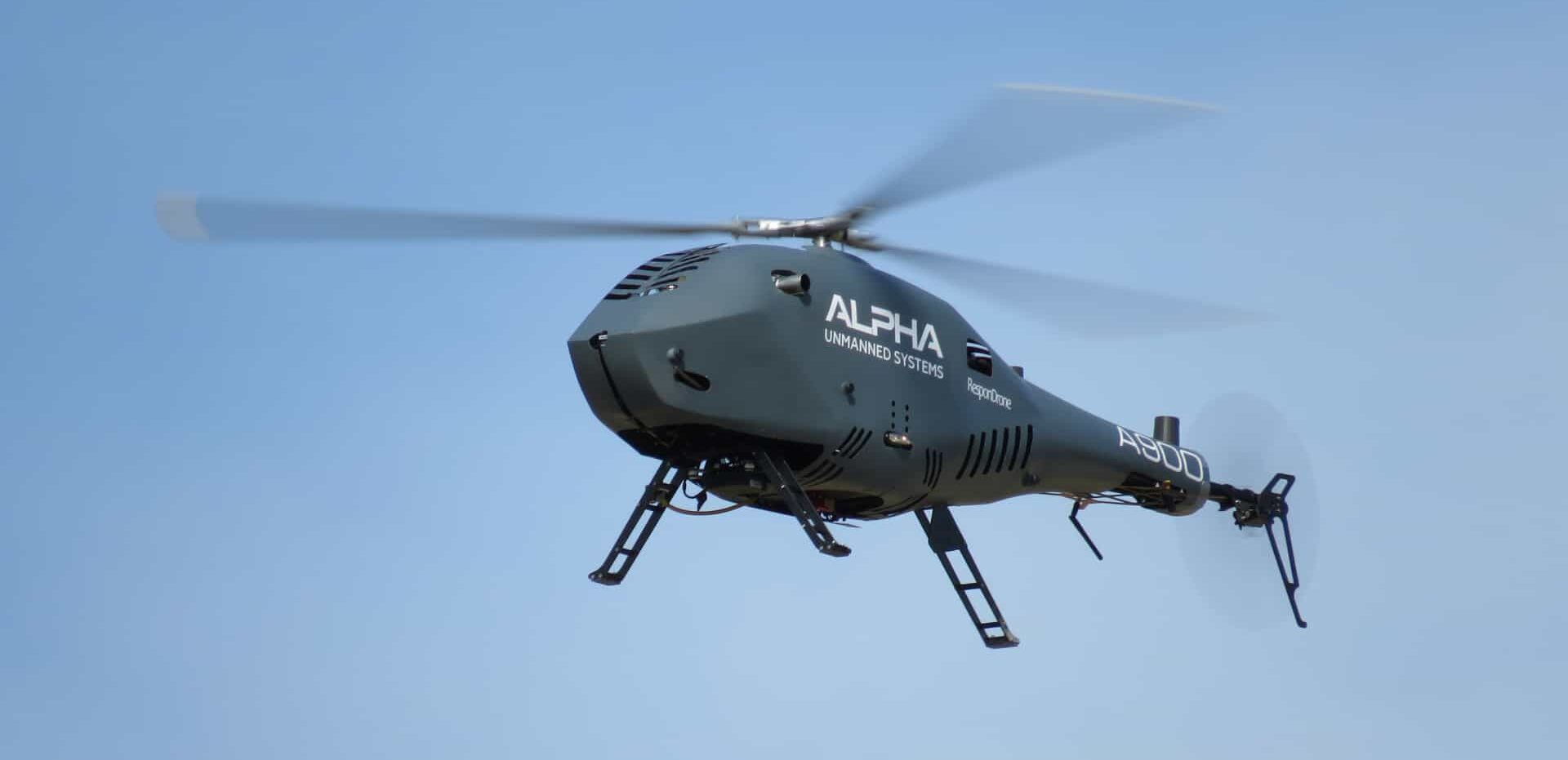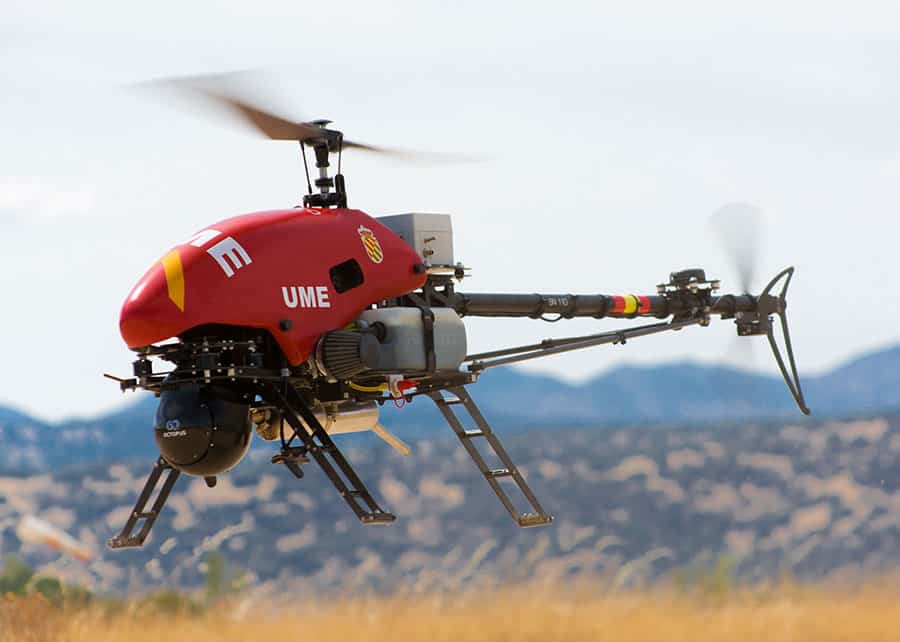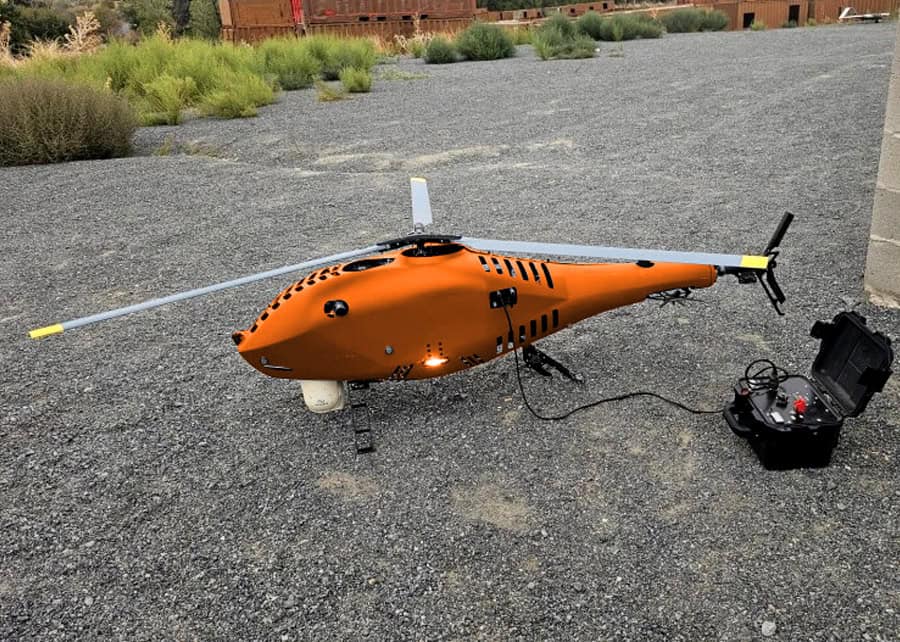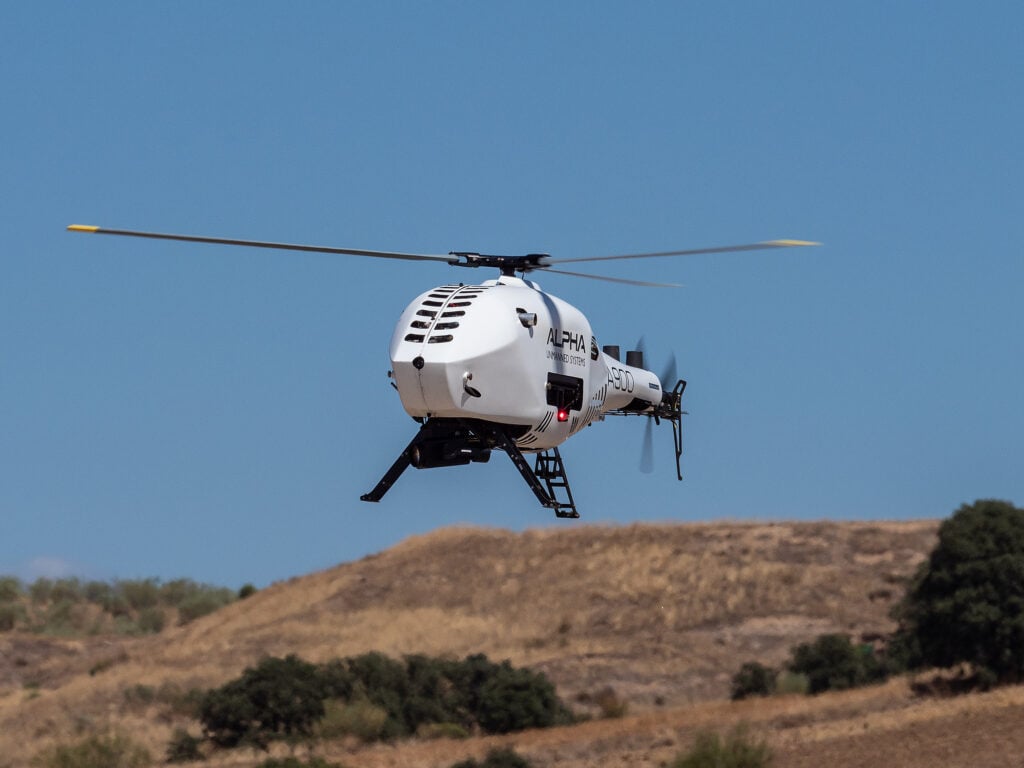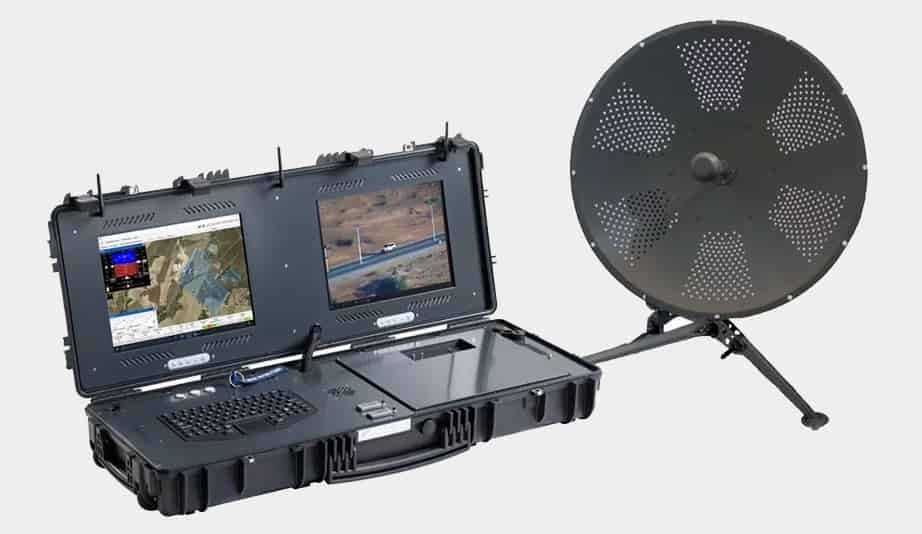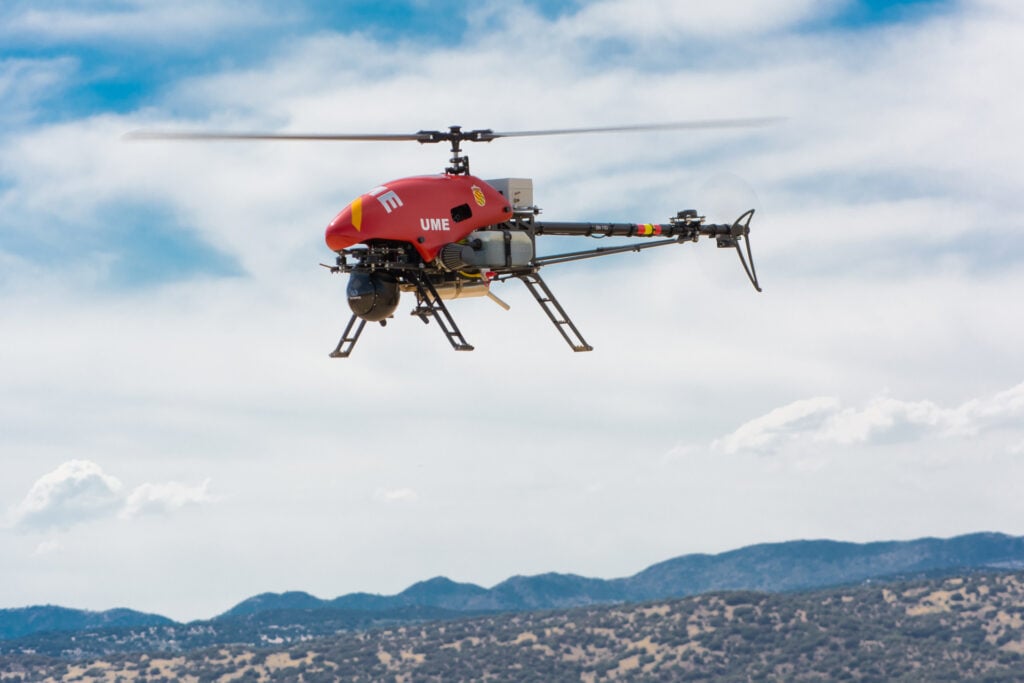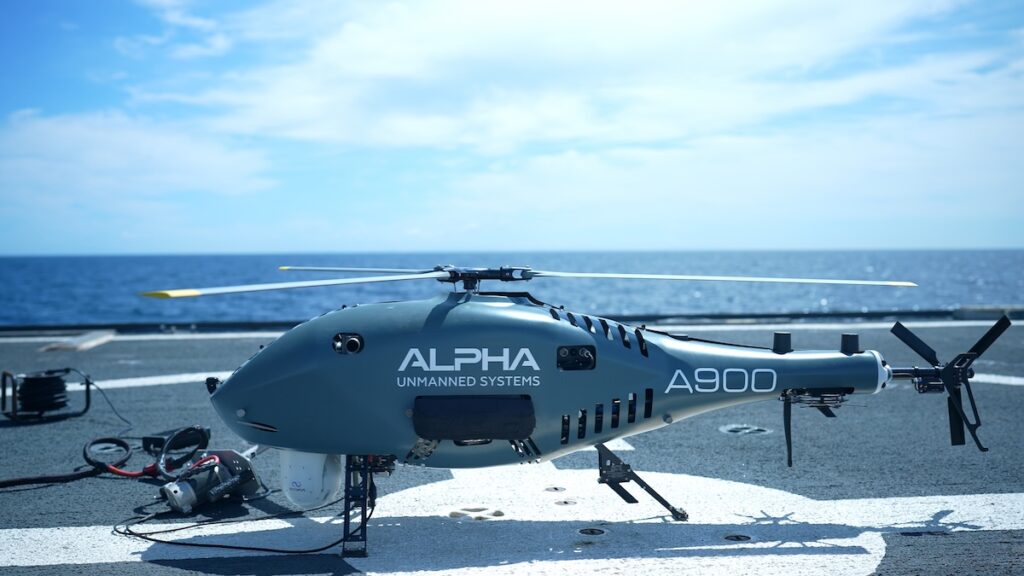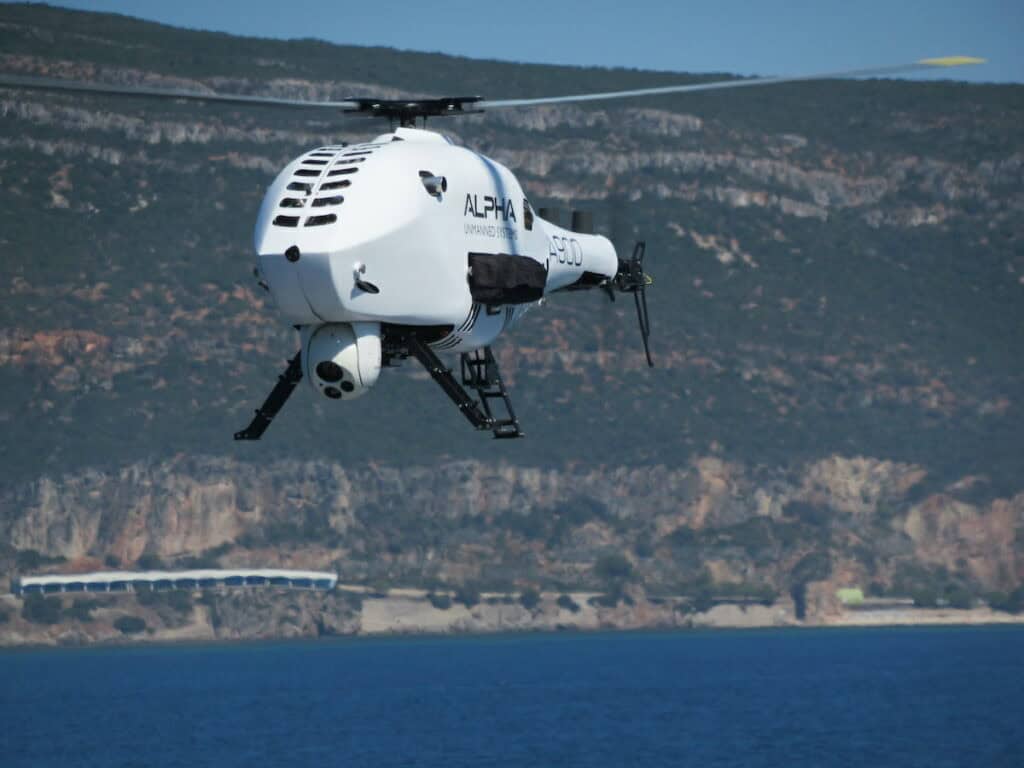
Alpha Unmanned Systems equips its rotary-wing Unmanned Aerial Vehicles (UAVs) with redundant autopilot architecture and visual navigation capabilities that preserve Intelligence, Surveillance, and Reconnaissance (ISR) performance when Global Navigation Satellite System (GNSS) signals are denied.
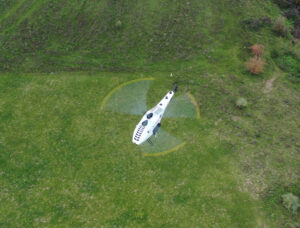 Recent conflicts demonstrate how persistent electronic interference can disrupt satellite guidance, underscoring the need for these onboard technologies. Ongoing Electronic Warfare (EW) activity in Ukraine has demonstrated how GNSS disruption and degraded Positioning, Navigation and Timing (PNT) conditions challenge small unmanned aircraft, at times requiring fiber-optic links to maintain secure control.
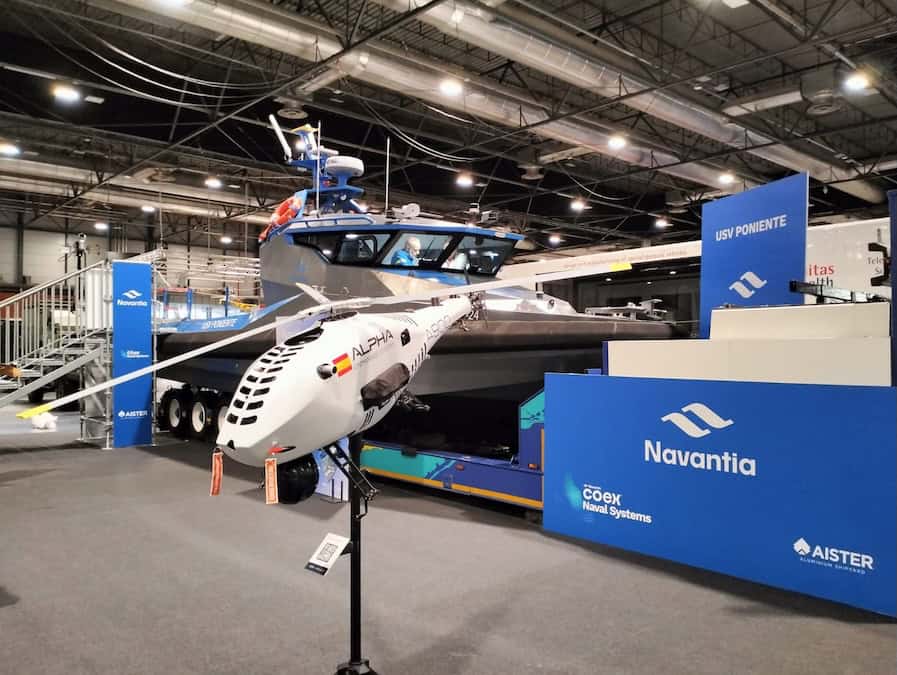
These conditions highlight the need for platforms that navigate accurately without satellite input, a requirement that applies directly to helicopter systems such as the Alpha A900, which must hold position, operate from confined areas, and support extended reconnaissance in contested airspace.
Autopilot Architecture
Alpha’s unmanned helicopters use the VECTOR-600 autopilot from UAV Navigation. The system is designed with redundant subsystems and multiple physical and logical safeguards, allowing continued operation if individual components fail. Inputs from inertial, barometric, magnetic, and visual sensors provide stable control and accurate motion estimation when satellite signals are unreliable or lost.
Visual Navigation Without GNSS
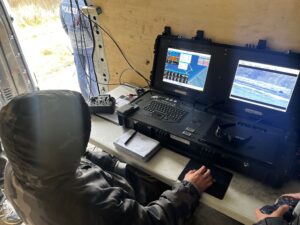 The Visual Navigation System enables flight in fully denied environments. Using Visual Odometry and Pattern Recognition, it analyzes images captured by an onboard camera, tracks identifiable features, and determines movement relative to these references.
To maintain long-term accuracy, it generates a map during flight, countering inertial drift. Sensor fusion delivers continuous positional updates to the Flight Control Computer, allowing the UAV to follow planned routes and maintain surveillance coverage even during prolonged GNSS loss.
ISR Performance When GNSS Fails
In GNSS-denied situations, Alpha’s proven onboard navigation technology provides several operational benefits:
- Consistent mission execution despite interference
- Autonomous return after extended GNSS outages
- Reduced operator workload during navigation disruptions
Advancing Beyond Satellite Dependence
As electronic countermeasures continue to develop, UAVs used for surveillance will require increased integration of onboard sensing and higher levels of autonomous behavior to ensure effective operation when satellite guidance is unavailable.
Operating in Contested Airspace
Accurate navigation without satellite input has become an essential requirement. Through its autopilot and visual navigation technologies, Alpha Unmanned Systems equips its rotary-wing UAVs to maintain operational stability and deliver dependable situational awareness in GNSS-denied environments.
For more information on Alpha Unmanned System’s tactical helicopter UAV platforms and their GNSS capabilities, visit the company’s website.