
ResilienX, a trusted leader in safety assurance solutions for autonomous ecosystems, has released a new white paper presenting the results of its yearlong collaboration with the Federal Aviation Administration (FAA).
The research addresses key challenges in scaling Beyond Visual Line of Sight (BVLOS) operations and provides practical solutions to support the safe integration of uncrewed aircraft systems (UAS) and advanced air mobility (AAM).
Key Insights from the White Paper:
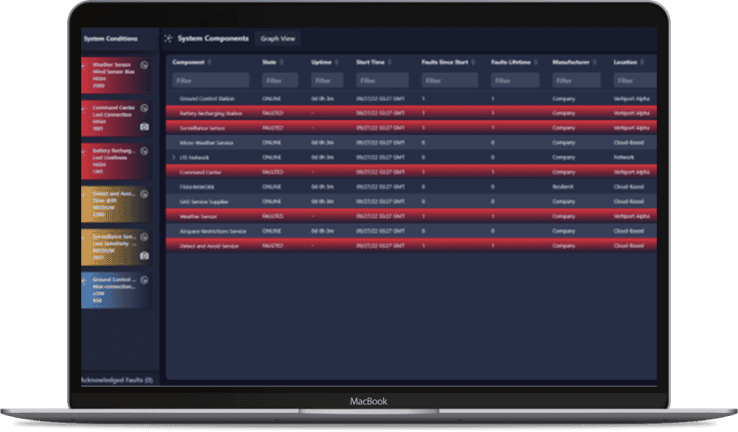
- Operational Safety: ResilienX introduced In-Time Aviation Safety Management Systems (IASMS) to continuously monitor, evaluate, and mitigate potential failures, strengthening reliability in BVLOS operations.
- Interoperability in Federated Unmanned Traffic Management (UTM) Ecosystems: The research outlines the difficulties of synchronizing and exchanging data between UAS Service Suppliers (USS) and Supplemental Data Service Providers (SDSP), recommending improved interoperability frameworks.
- Cybersecurity Innovation: Key vulnerabilities in UTM and AAM systems are identified, with emphasis on the need for robust cybersecurity measures against unauthorised access and data breaches.
- Regulatory Pathways: Suggestions are provided to resolve existing gaps in BVLOS regulations, promoting scalable and compliant operations.
The success of the project was confirmed through ten thorough cases, including live flight demonstrations, which validated IASMS as an effective tool in mitigating risks and supporting safety within complex UTM ecosystems. These results highlight the transformative role IASMS can play in the aviation industry.
The white paper, titled “Key Challenges and Solutions for Scaling BVLOS Operations”, is now available for review. It provides a detailed look at the project’s methodologies, key performance indicators (KPIs), and actionable recommendations for stakeholders across the UAS and AAM industries.
“Our goal with sharing this whitepaper with industry is to provide something truly actionable. Scaling BVLOS operations requires moving beyond conceptual frameworks and CONOPs to focus on tangible deployment strategies. The bridge that has frequently been missing is the identification of concrete requirements. In this white paper, we’ve detailed the KPIs, which represent the requirements we generated and tested against, and we believe should be foundational in all scaled BVLOS ecosystems. We’re excited to share these with industry and drive meaningful progress toward real-world deployment,” said Andrew Carter, CEO of ResilienX. “We invite industry professionals, policymakers, and researchers to review the findings and collaborate with us to shape the future of autonomous aviation.”
Read the full article here.