Volatus Aerospace has been awarded a multi-year contract to provide specialist training and curriculum development to a NATO-allied government ministry.
The agreement carries an initial term of two years, with renewal options that could bring the total aggregate value to approximately CAD $2.1 million.
Secured through a competitive procurement process, the contract tasks the Canadian-controlled global aerospace and defence company with designing and delivering advanced training programs specifically tailored for security and law enforcement personnel. The scope of work includes instruction and capability transfer designed to meet the rigorous requirements of regulated, mission-critical environments.
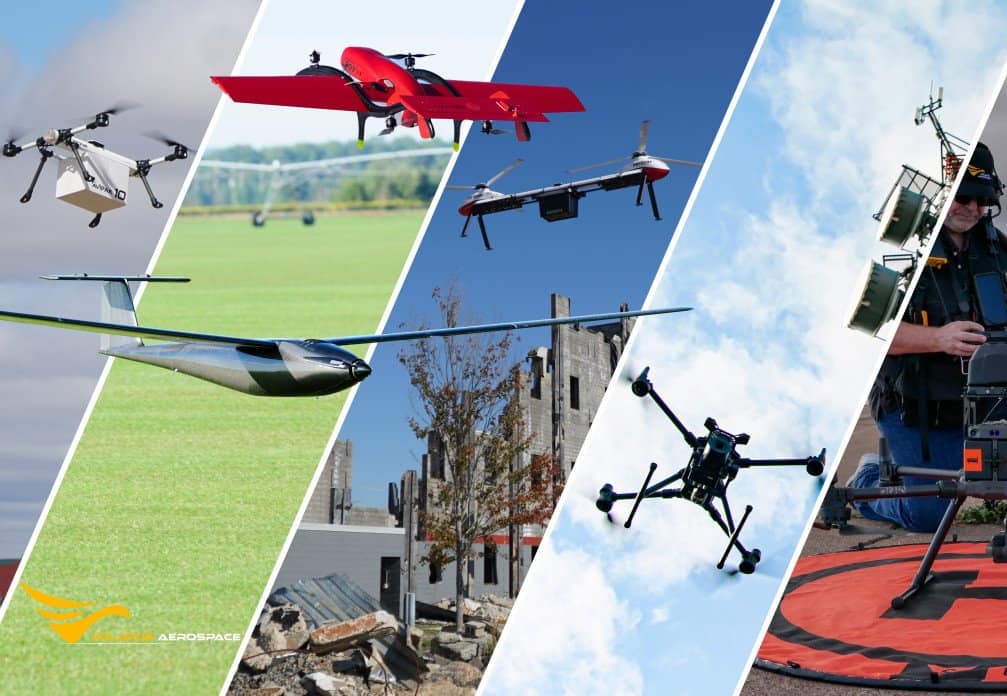
This engagement reinforces the position of Volatus as a provider of integrated advisory services and reflects the company’s growing role in supporting allied nations with sovereign operational capabilities. By integrating technology development with real-world operational experience, the firm delivers scalable training solutions for the deployment of uncrewed and autonomous systems. The move aligns with the company’s strategy to expand its international footprint and export Canadian aerospace capabilities to allied markets, supporting the principles of domestic capability and international interoperability.
Glen Lynch, Chief Executive Officer of Volatus Aerospace, said, “This award reflects the continued evolution of Volatus Aerospace as a trusted partner to government and defence stakeholders. Our ability to deliver integrated training programs, supported by operational experience and technology development, positions us to support long-term capability building for our partners. The multi-year structure of this agreement provides visibility while reinforcing the role of training as a foundational element in the adoption of advanced aerial systems.”
As a company delivering integrated uncrewed systems and aerial intelligence, Volatus leverages its broader platform to support the adoption of advanced technology through structured knowledge transfer. This contract builds on that model, ensuring that training remains a core component of the evolution of modern defence and security infrastructure.