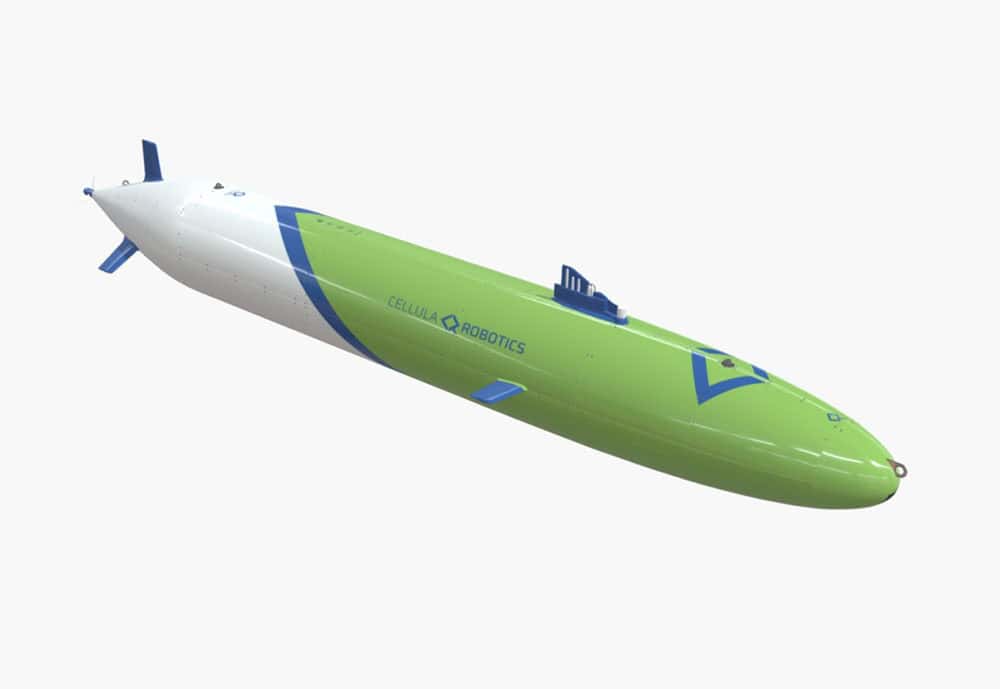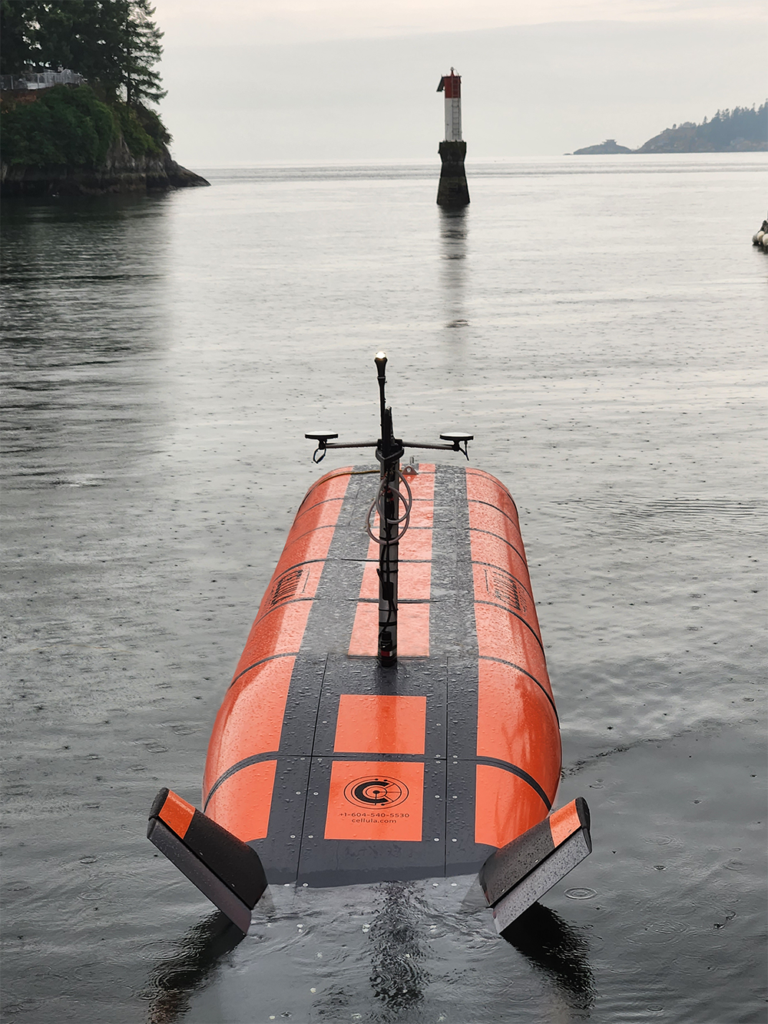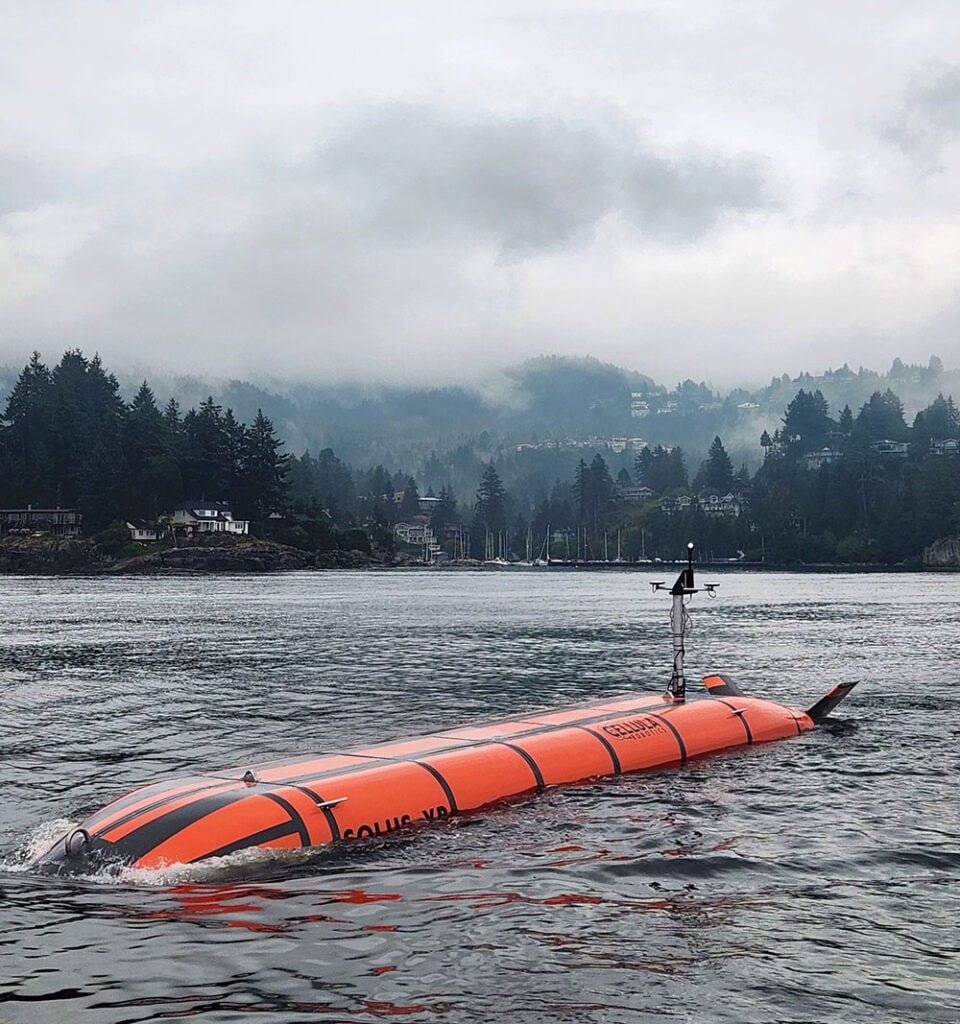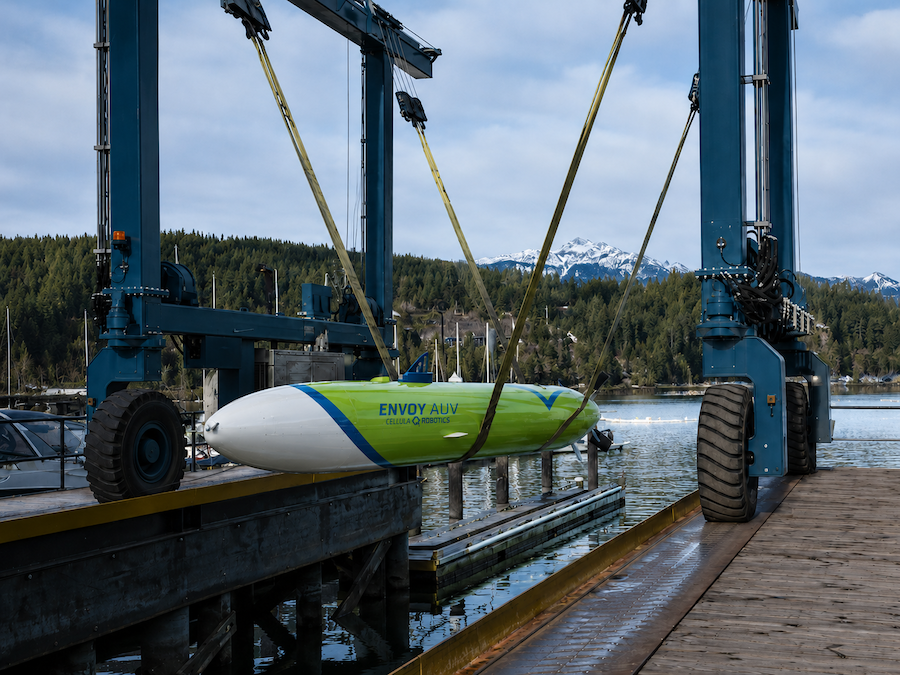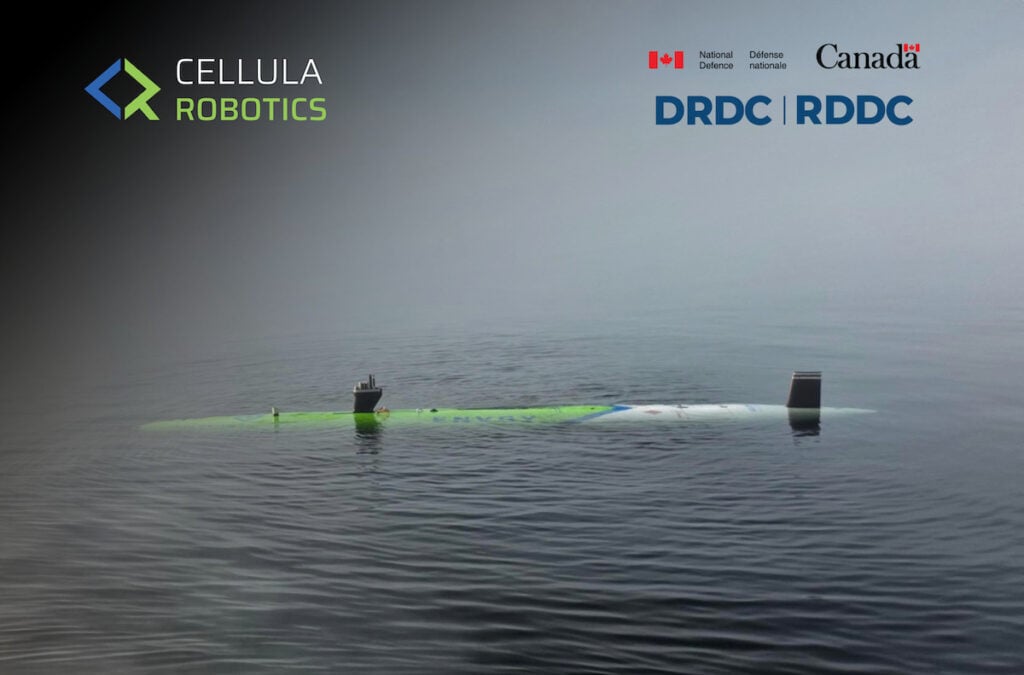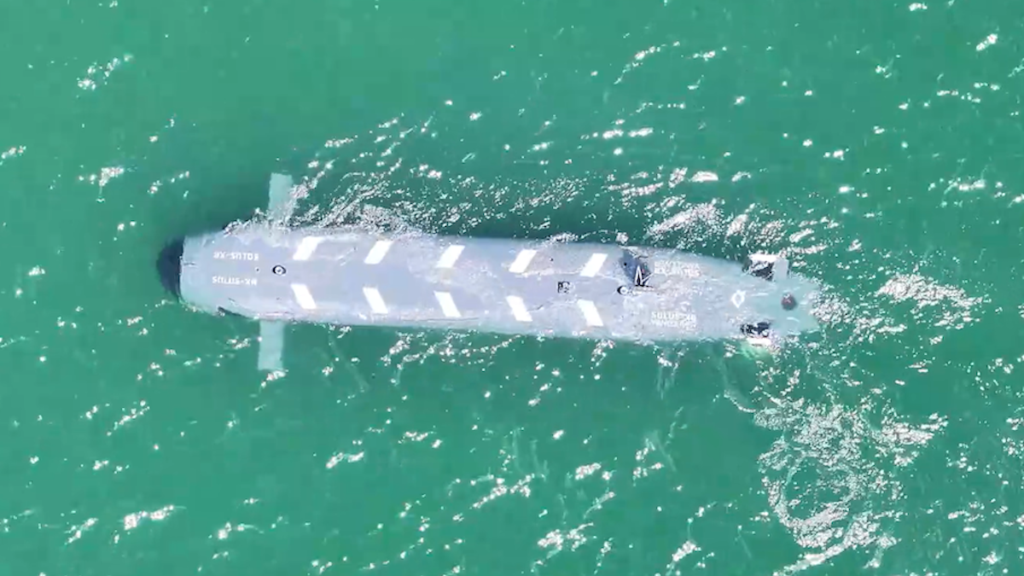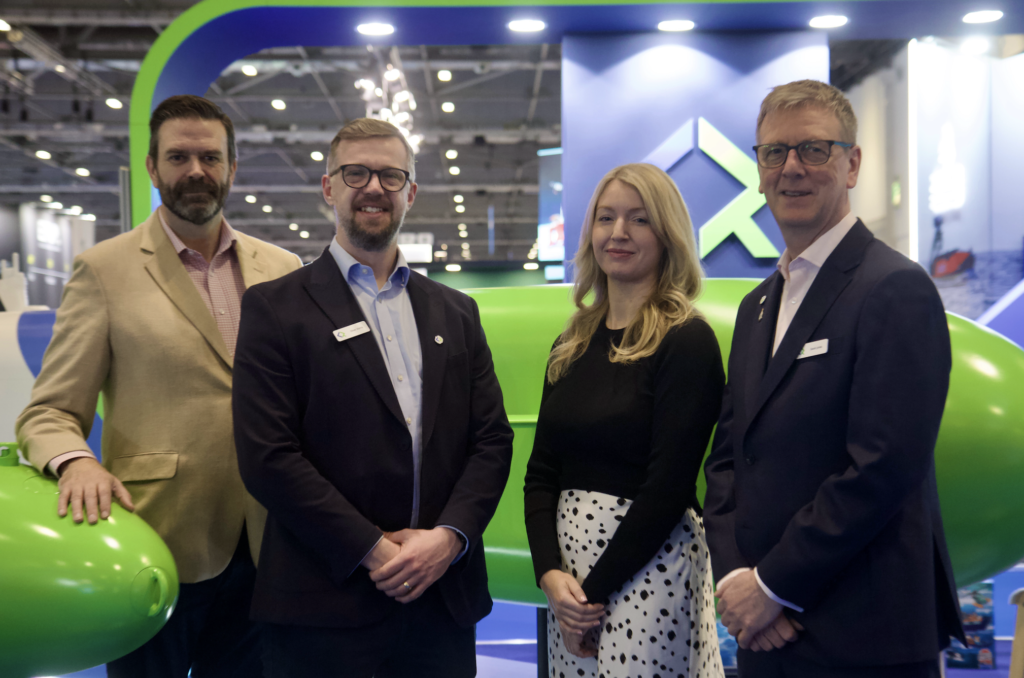

The Envoy Autonomous Underwater Vehicle (AUV) from Cellula Robotics has successfully completed a fully submerged mission covering more than 2,000km powered by a hydrogen fuel cell system.
The mission, which spanned 385 hours and a total distance of 2,023km, exceeded the platform’s published performance specifications. Unlike standard straight-line transit tests, this deployment utilized a non-linear underwater profile designed to represent real-world subsea operations. During the mission, the vehicle executed more than 4,000 turns and maneuvers, a process that significantly increases energy demand compared to steady, linear travel.
The milestone was achieved using hydrogen fuel cell technology developed in partnership with Infinity Fuel Cell and Hydrogen, Inc. This specific fuel cell solution is designed to support long-endurance performance below the surface, where consistent power is critical for autonomous systems. Beyond the endurance benefits, the system generated water as its only by-product, highlighting the potential for lower-emission subsea operations.
Neil Manning, CEO of Cellula Robotics, said, “The significance of this result is not just the distance travelled, but that it was achieved fully submerged in a mission profile that better reflects real subsea operations. That is what makes the endurance meaningful for operators, with the potential for fewer recoveries, more continuous operations, and greater efficiency offshore.”
For offshore operators, extended endurance directly impacts the cost and execution of subsea programs. Longer submerged missions reduce the frequency of vehicle recoveries and relaunches, which are often complicated by logistics and unpredictable weather windows. By maintaining mission continuity, the technology allows for more effective use of vessel time and resources.
William Smith, President & CEO of Infinity Fuel Cell and Hydrogen, Inc., added, “We are proud to support a milestone that shows what hydrogen fuel cells can enable in real subsea operations. This result highlights the role fuel cell technology can play in extending endurance, reducing intervention requirements, and supporting more capable long-range autonomous missions.”
This demonstration reinforces the Envoy AUV’s suitability for sustained subsea deployment where persistence and range are the primary drivers of offshore efficiency. The successful completion of this 2,000km profile establishes hydrogen fuel cells as a practical enabling technology for the next generation of extended autonomous underwater missions.