



Cellula Robotics will be exhibiting at Oceanology International 2026 to provide practical insights into the operational realities of long-range subsea autonomy.
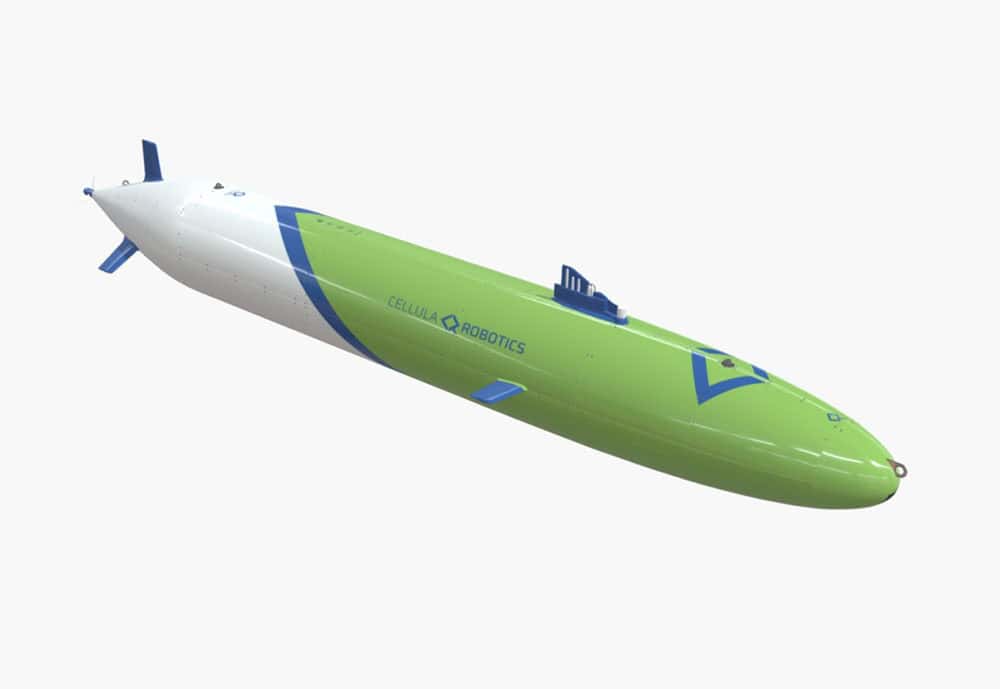
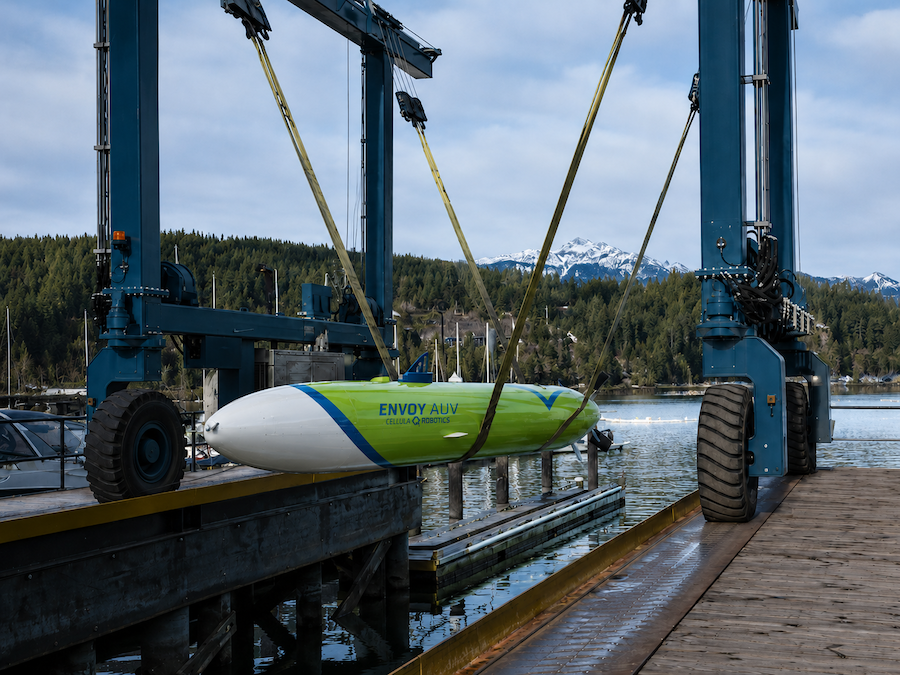
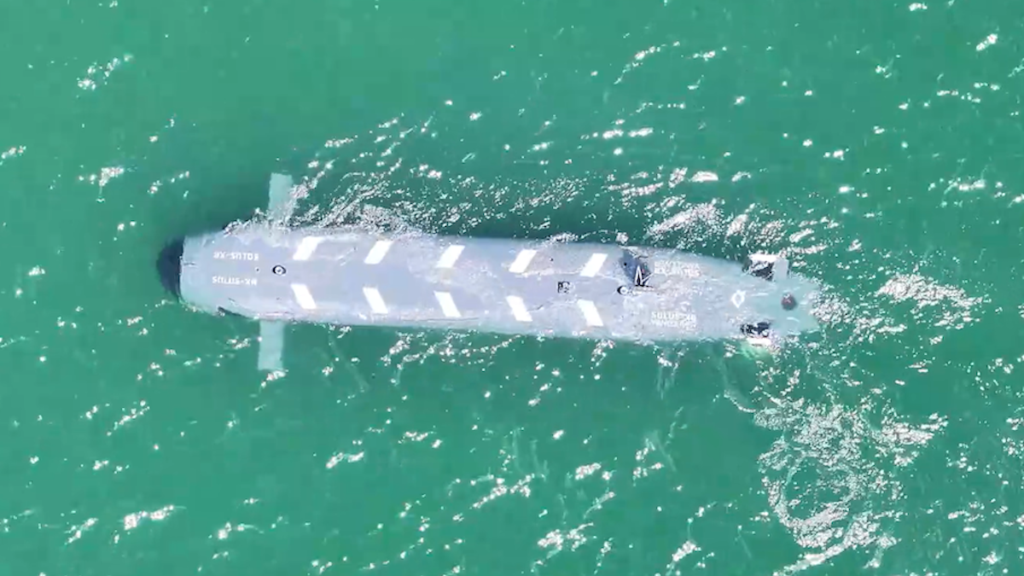
The event, held from 10–12 March at ExCeL London, will see the company present at Stand C601. The focus of the exhibit centers on deployment readiness, highlighting repeatable workflows, endurance, and support models for environmental, offshore survey, and defense applications. Visitors will have access to scale models of the Envoy AUV and Porter XLAUV for technical capability walk-throughs.
Richard Miller, Chief Commercial Officer at Cellula Robotics, commented, “Autonomy is moving quickly, but the questions we hear most often are operational. At Oi, we’ll focus on what makes long-endurance missions possible: enabling energy technologies, reliable workflow, realistic mission profile assumptions, and the support model required to operate repeatably offshore.”
In addition to the stand presence, Mills is scheduled to moderate the technical conference session “Uncrewed Vehicles – New Vehicle Developments” on Tuesday, 10 March. The session, held in South Gallery Room 11 and 12, will explore how uncrewed subsea systems are being operationalized and adopted across the industry.
Throughout the three-day event, the company will host a series of booth talks focused on common program challenges. These sessions include “Endurance Without Compromise: Planning, Risk, Readiness,” which examines how extended mission durations impact on-water cadence and reliability. A second talk, “Beyond Survey: When AUVs Start Doing Work,” will discuss the transition of autonomous underwater vehicles from simple sensing platforms to task-based operations where payload delivery and integration are paramount.
Headquartered in Burnaby, British Columbia, Cellula Robotics maintains international operations across Canada, the United Kingdom, and the United States. During show hours, the company’s technical team will be available to discuss how long-endurance autonomy can improve persistence in demanding environments and reduce traditional operational constraints.