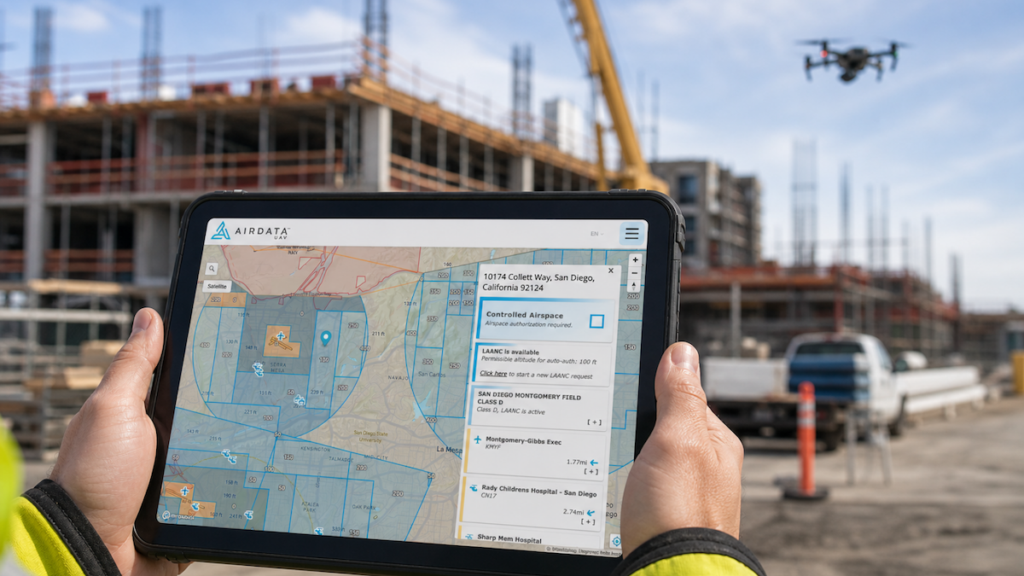



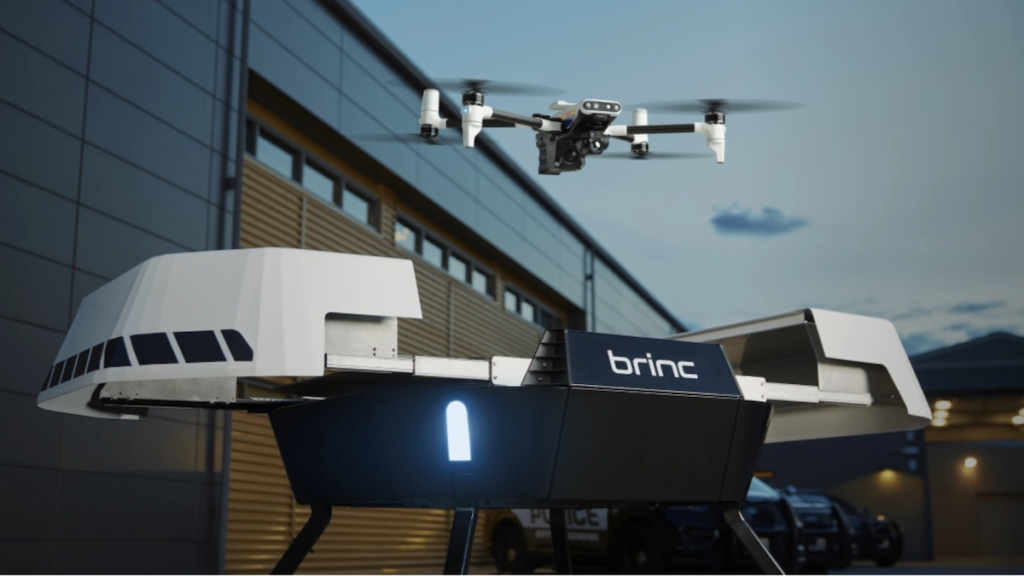
AirData and BRINC have launched a technical integration to automatically capture and organize flight data from specialized public safety drones.
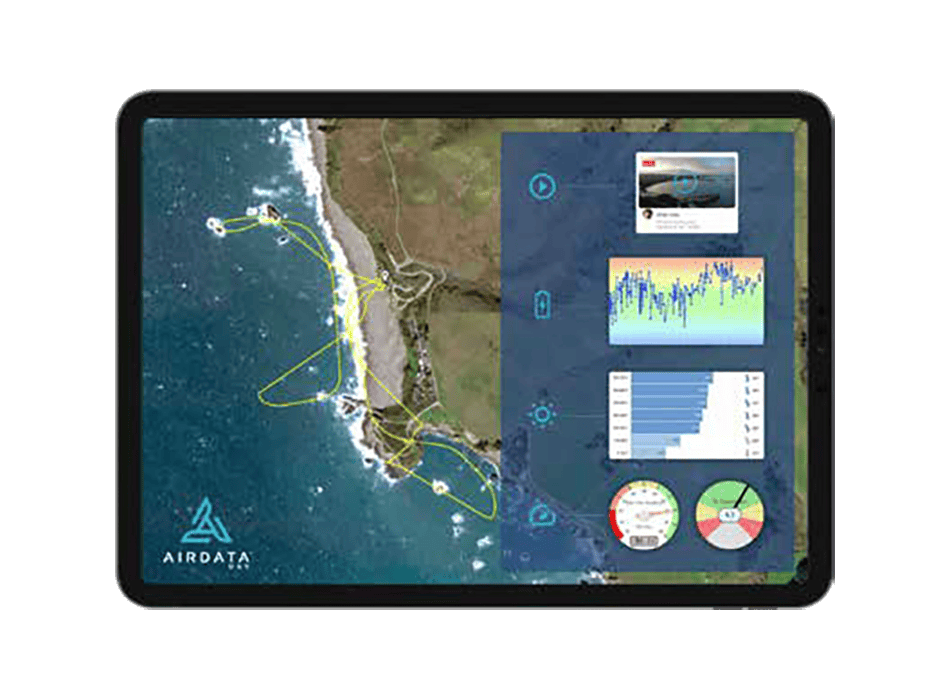
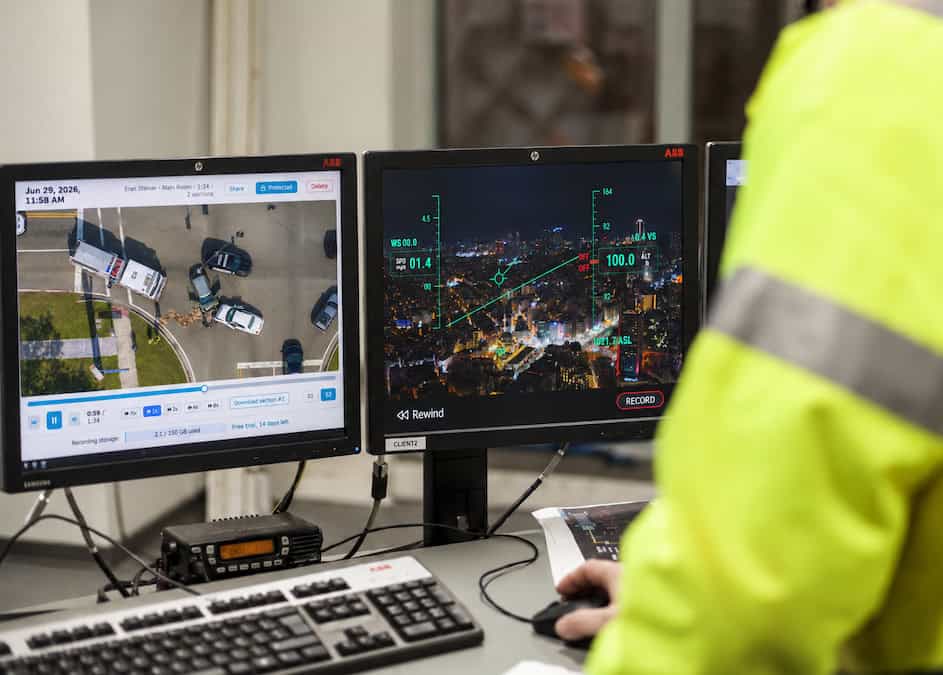
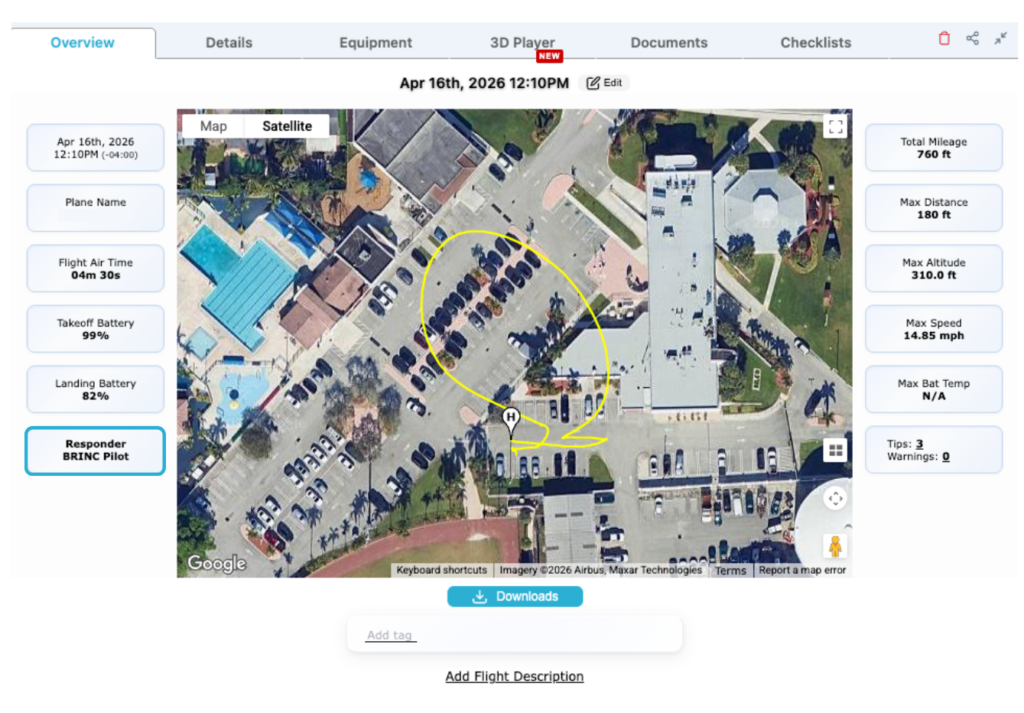
The partnership connects BRINC’s Lemur 2 and Responder drones directly to the AirData platform, creating a complete, searchable record of every mission. This system automates the tracking of equipment health, maintenance, and pilot activity during critical operations.
As drone programs expand within law enforcement and emergency services, maintaining auditable records across teams, shifts, and deployments becomes increasingly important.
David Benowitz, VP of Strategy & Marketing Communications at BRINC, stated, “Public safety agencies rely on a connected ecosystem of tools. Integrating with platforms like AirData ensures flight data is automatically captured and accessible without adding friction to critical operations.”
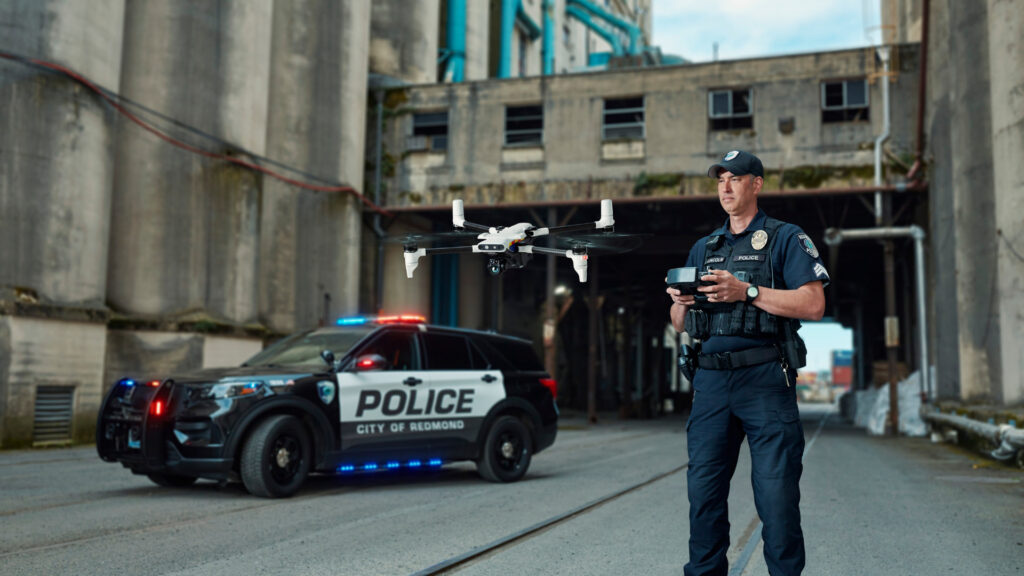
The adoption of Drone as First Responder (DFR) programs saw significant acceleration in 2025, with some jurisdictions reporting that drones now resolve up to 20–25% of calls without requiring ground unit deployment. Currently, more than 1,500 law enforcement agencies in the United States operate drone programs.
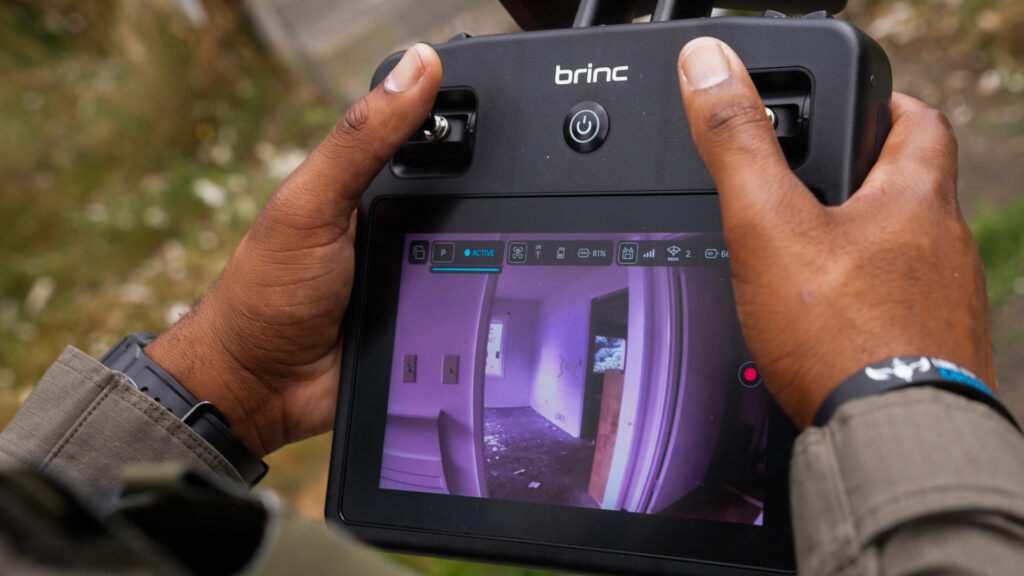
To support these growing fleets, the BRINC Lemur 2 provides indoor operational capabilities for high-risk incidents, while the Responder is designed for DFR programs, deploying autonomously to 911 calls featuring thermal imaging and live video streaming. Both drones are now supported within AirData.
Eran Steiner, CEO of AirData, commented, “BRINC builds drones that perform in the most demanding environments. With more than 60 million flights on our platform, we have a clear view into how leading programs operate. Connecting that hardware into AirData gives agencies more than flight logs. It gives them a system of record that captures pilot activity, equipment health, and program-wide trends automatically.”
By pulling data directly from BRINC’s proprietary systems and organizing it automatically within AirData, the integration captures documentation without requiring pilot action, reducing manual recordkeeping. It also keeps documentation consistent across teams.