
ParaZero Technologies discusses how escalating unmanned aircraft activity is redefining security requirements for critical infrastructure.
Recent incidents, including the 2025 Copenhagen Airport intrusion, demonstrate how commercially available drones can disrupt major transportation hubs, while similar events across Europe, the United States, and the Middle East show how low-cost Unmanned Aerial Vehicles (UAVs) serve as tools for surveillance, probing, or targeted strikes.
Traditional security models centered on barriers, personnel, cameras, and digital protection were designed for human intruders, not small aircraft that bypass ground measures. Regulatory limits on kinetic responses in populated areas further complicate defensive planning, while detection and Electronic Warfare (EW) systems face challenges from fiber-optic control links, GNSS-independent navigation, and dense urban environments.
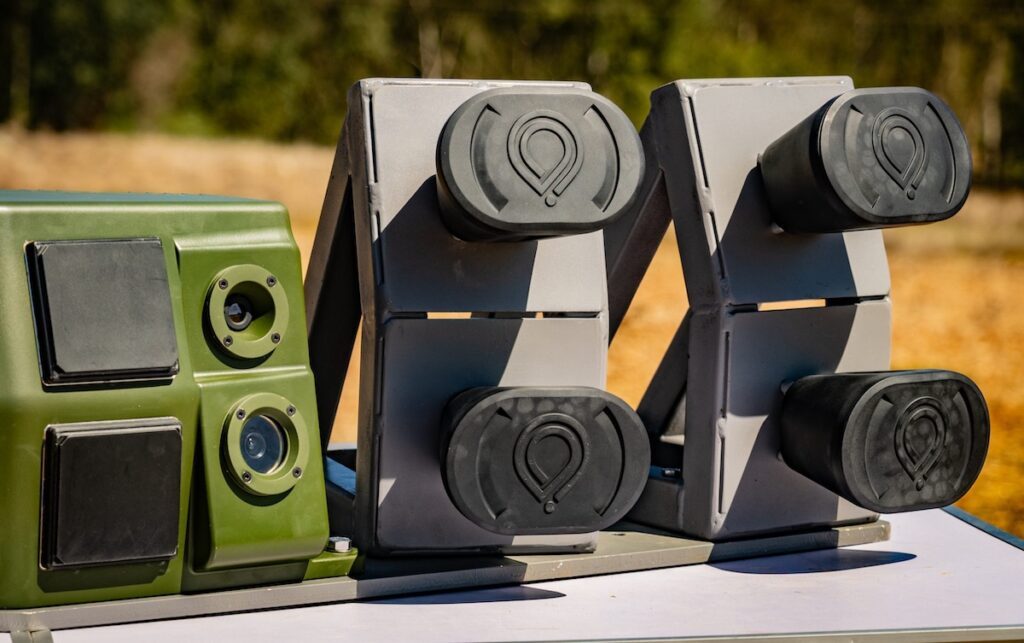
The DefendAir system meets these operational gaps with non-explosive net-based interception technology suitable for urban deployment and capable of integrating with existing detection and EW components. As drone activity grows, critical sites require adaptable, non-lethal counter-UAS layers that respond reliably to both inadvertent incursions and deliberate hostile activity.