ResilienX has partnered with NASA to demonstrate how preflight planning tools can be integrated into commercial systems, supporting the safe introduction of advanced air mobility (AAM) aircraft into the airspace.
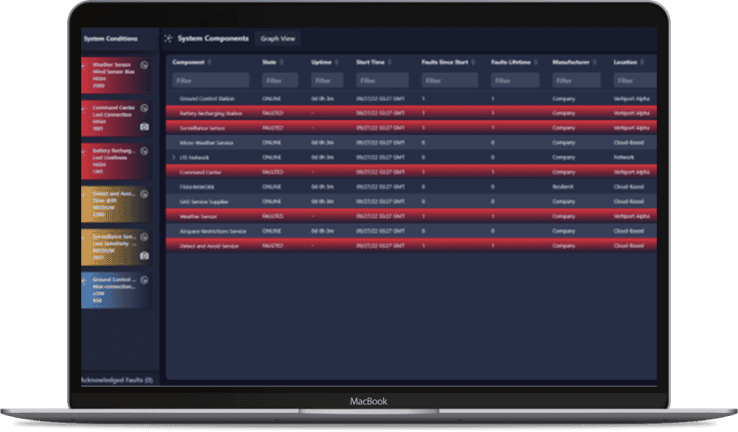
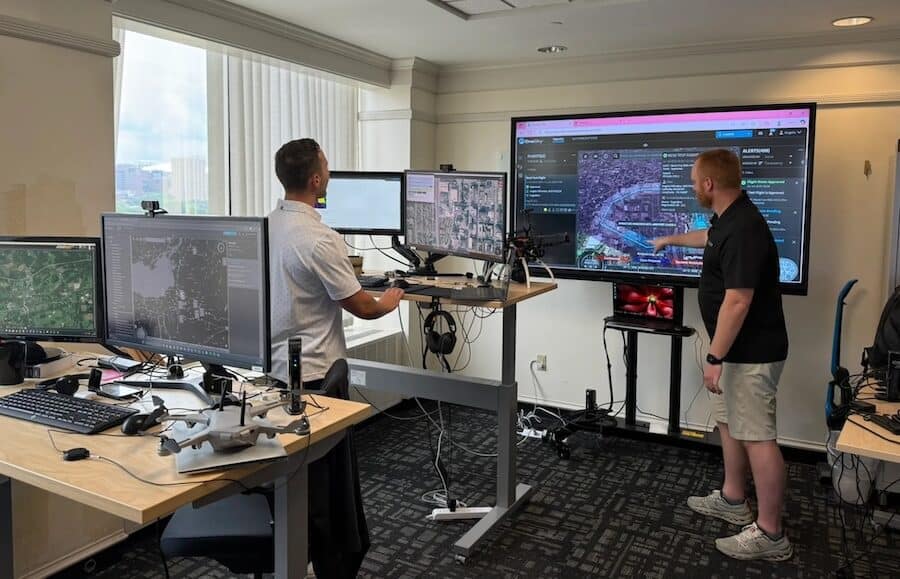
The testing, carried out at ResilienX’s Syracuse, New York facility, showed how operators can access risk assessment data within a single platform before departure.
The demonstrations used NASA-developed services that allow flight operators to submit flight plans, receive predictive risk assessments, and then decide whether to continue with their planned routes or modify and re-evaluate them. Providing this capability in a timely and streamlined process helps mitigate risks for both passengers and people on the ground.
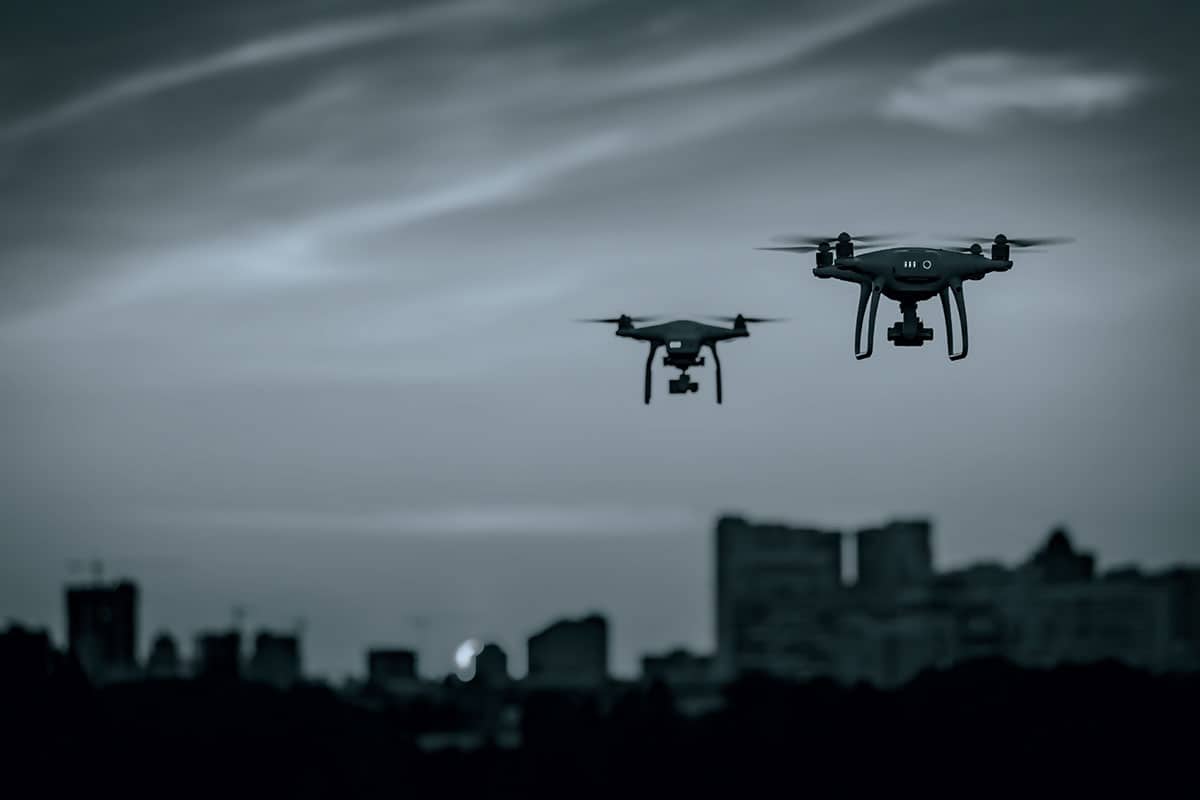
The three services developed by NASA are intended to evaluate unique risks linked to highly automated aircraft operating at low altitudes over populated areas. These tools address the challenges of ensuring safety in the increasingly complex environments where future drones and air taxis will operate.
The collaboration was conducted under a Phase III Small Business Innovation Research (SBIR) contract, extending earlier work that focused on weather-related risks. This stage advances the transfer of safety technology into the ResilienX platform while also creating potential benefits for the company’s partners and customers, including the U.S. Air Force and regional operators.
The effort is managed under NASA’s System-Wide Safety project within the Airspace Operations and Safety program, in support of the Advanced Air Mobility mission. The mission is designed to deliver data, findings, and recommendations to help guide the development of future automated aircraft operations.