CRFS outlines why defense organizations should consider how to prepare for the next generation of unmanned threats as robotic and autonomous systems expand across air, land, and maritime domains.
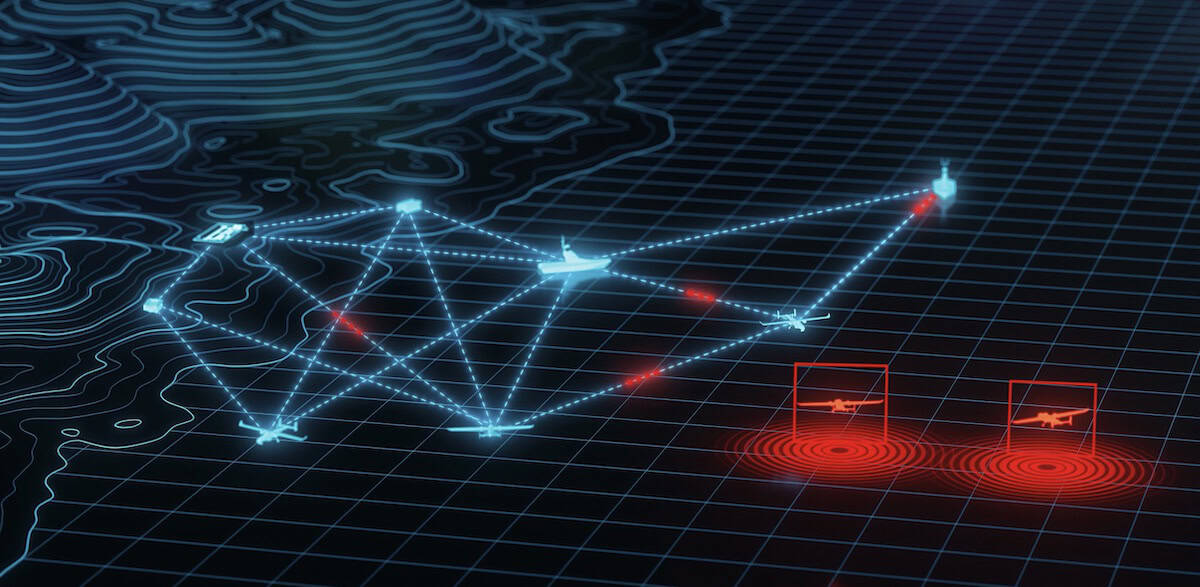
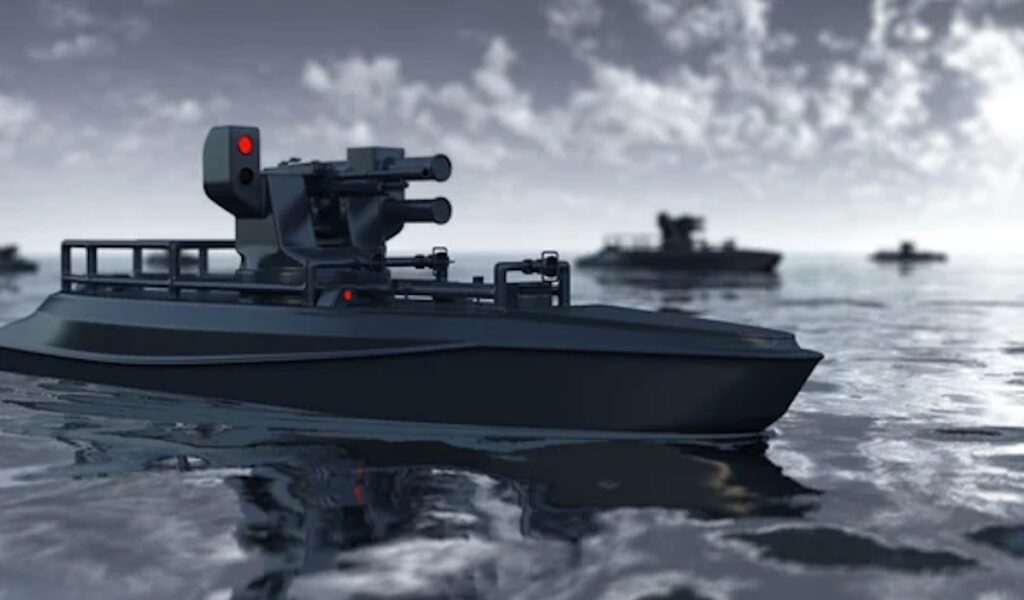
While many existing counter-unmanned efforts remain focused on aerial threats, the increasing development and operational deployment of Unmanned Surface Vessels (USVs) and Unmanned Ground Vehicles (UGVs) is creating force protection considerations that require a broader Counter-Robotics and Automated Systems (C-RAS) approach. These platforms are increasingly being considered and used as part of coordinated, multi-domain operations, combining capabilities across traditional operational boundaries.
In the article, CRFS examines several recent examples that illustrate the use of autonomous systems. These include unmanned smuggling vessels recovered by law enforcement, armed UGVs deployed by Unmanned Aerial Vehicles (UAVs), and USVs featuring autonomous operation, obstacle avoidance, swarm capabilities, and remote-control options. As these technologies continue to be developed and deployed, military forces need to consider how to detect and counter threats that may emerge from multiple domains.
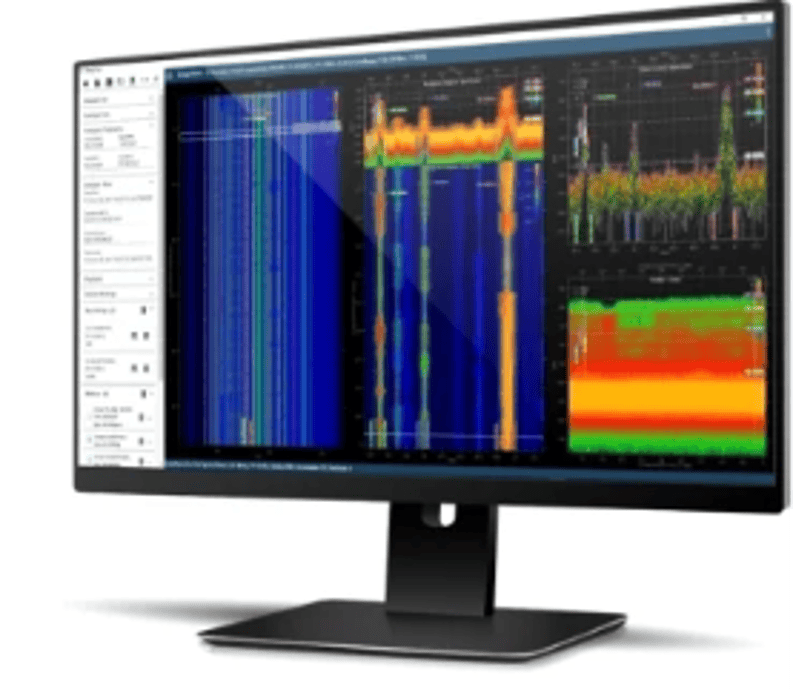
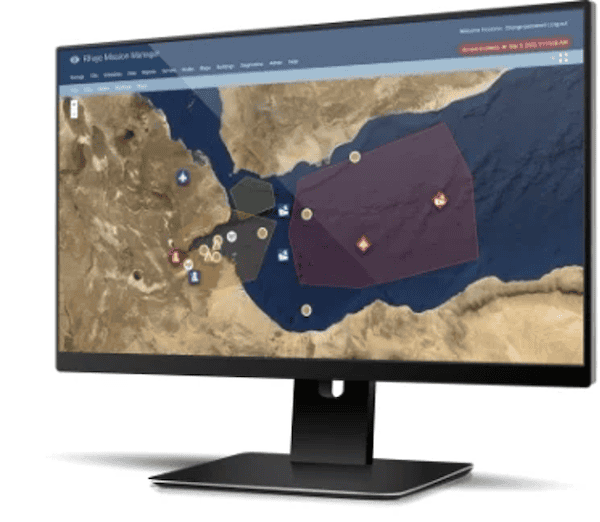
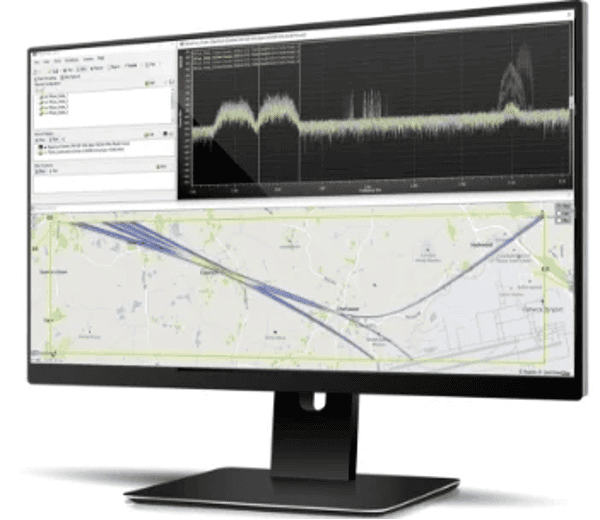
USVs and UGVs remain highly dependent on communications links for command, control, and navigation. This reliance creates exploitable vulnerabilities within the RF spectrum that can be addressed through detection, geolocation, and electronic warfare techniques. By identifying communications activity, monitoring spectrum usage, and detecting indicators such as AIS spoofing, operators can improve situational awareness and support the detection and tracking of autonomous threats.
According to CRFS, future counter-unmanned strategies may need to move beyond a solely aerial focus and address the full range of robotic and autonomous systems. RF detection and geolocation capabilities form a critical component of this effort, helping defense organizations identify, monitor, and respond to emerging threats across multiple domains.