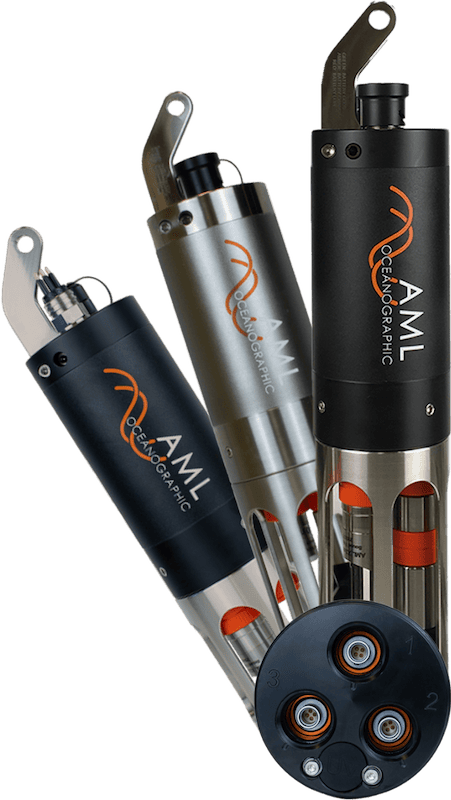
AML Oceanographic outlines the principles behind sensor accuracy in marine instrumentation, explaining how measurement performance is defined, quantified, and evaluated. Read more >>
Drawing on terminology from the International Vocabulary of Metrology (VIM3) and ISO 5725 standards, the company describes accuracy as the closeness of agreement between a measurement and a reference standard, expressed numerically as error.
The discussion separates accuracy into two components: precision, which refers to the consistency of replicate measurements, and trueness, which describes how closely the average of those measurements aligns with a reference value. AML notes that smaller accuracy values indicate a more accurate sensor under specified operating conditions.
The article also examines the different sources of sensor error and how they influence measurements. Precision errors are associated with random fluctuations, such as thermal noise generated within electronic circuits, while systematic errors create bias that consistently shifts measurements in one direction. AML uses conductivity sensors as an example, explaining that biofouling on glass sensing elements during tropical deployments can cause readings to drift lower over time.
AML further explains how precision error is quantified using standard deviation, also referred to as root mean square (RMS) error or sigma (σ). Standard deviation represents the average spread of replicate measurements around a mean value and is commonly used to indicate the probability range of sensor measurements.
According to the article, one standard deviation represents a range that contains approximately 68% of measurements, while multiplying the value by two or three corresponds to probabilities of roughly 95% and 99.7%, respectively. Following calibration, AML states that sensor bias must remain smaller than the sensor’s precision error, meaning precision becomes the dominant contributor to what the company defines as initial or calibration accuracy.
Defining & Evaluating Sensor Accuracy
To determine the accuracy of a sensor model, AML conducts controlled testing using a minimum of five sensors of the same type, each performing at least 15 replicate measurements against a higher-accuracy reference standard across minimum, midpoint, and maximum calibration levels.
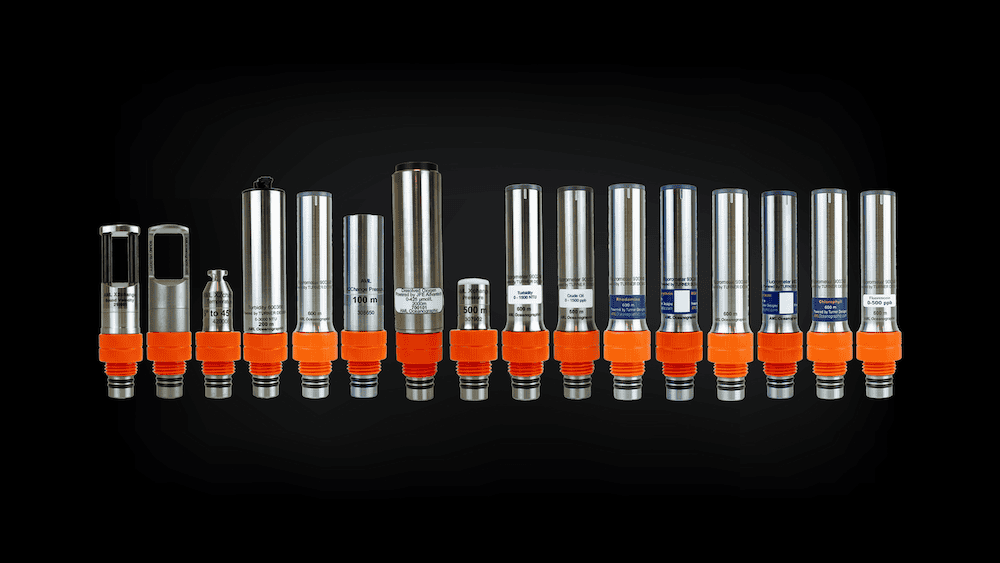
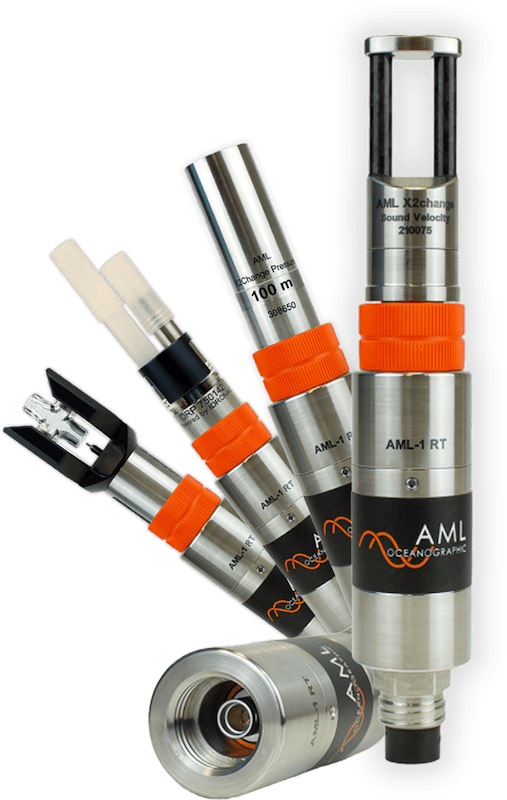
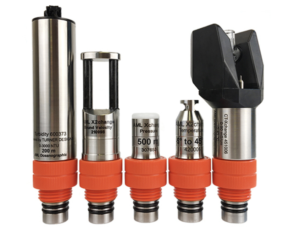
AML reports the calculated precision error across multiple sensors, referred to as reproducibility, as accuracy in its datasheets, while the repeatability of a single sensor is identified as precision. The article also highlights AML’s X2change™ family of field-swappable sensor heads, which incorporate embedded calibration data and allow sensors to be exchanged between instruments without impacting accuracy.
Read ‘Five Questions about Sensor Accuracy, Answered’ for more information.