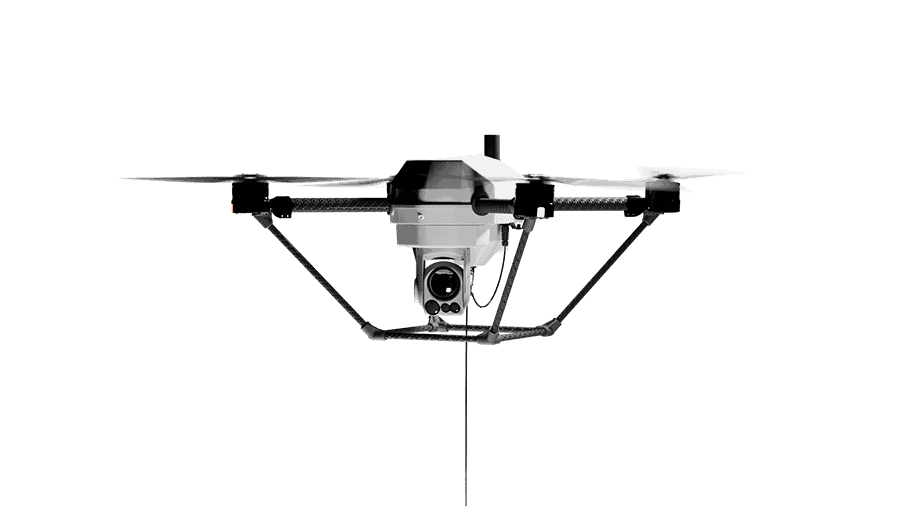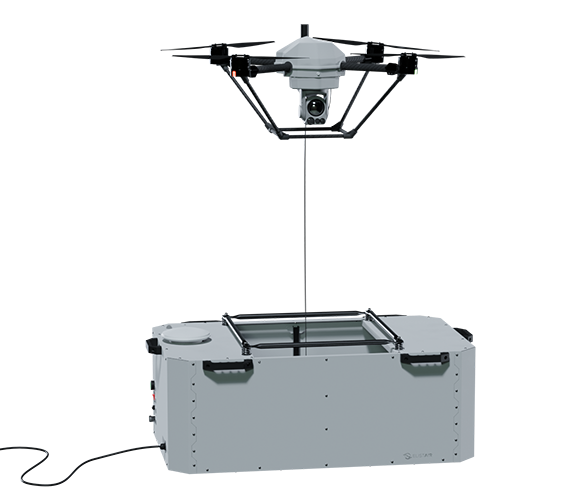
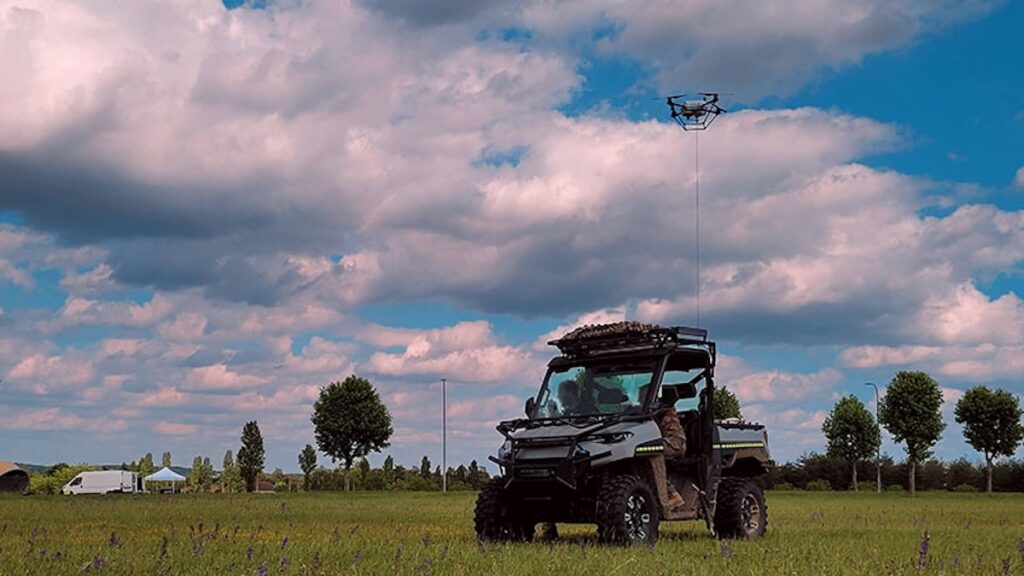
Elistair highlights how tethered Unmanned Aerial Vehicles (UAVs) are influencing Intelligence, Surveillance, and Reconnaissance (ISR) doctrine by providing persistent overwatch, secure data connectivity, and extended operational endurance in contested environments. Read more >>
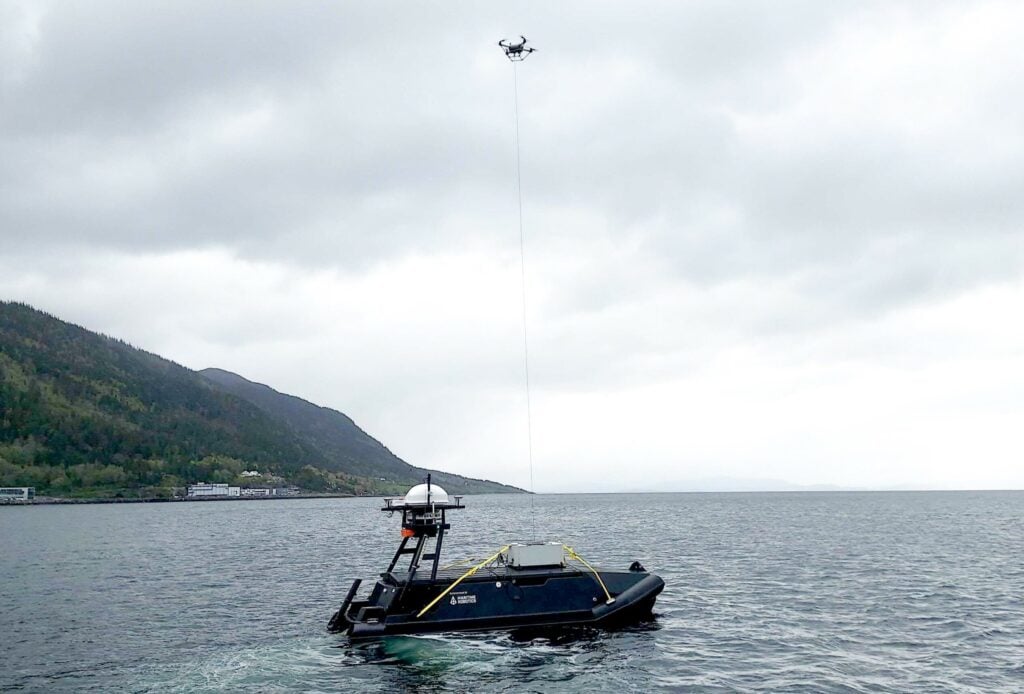
Connected to ground-based power and communications through an ultralight tether, these systems can remain airborne for extended periods while maintaining a secure data connection. Military and border security personnel are increasingly integrating tethered UAVs into their concepts of operation for long-duration ISR, communications relay, and force protection missions, while the systems can also contribute to situational awareness.
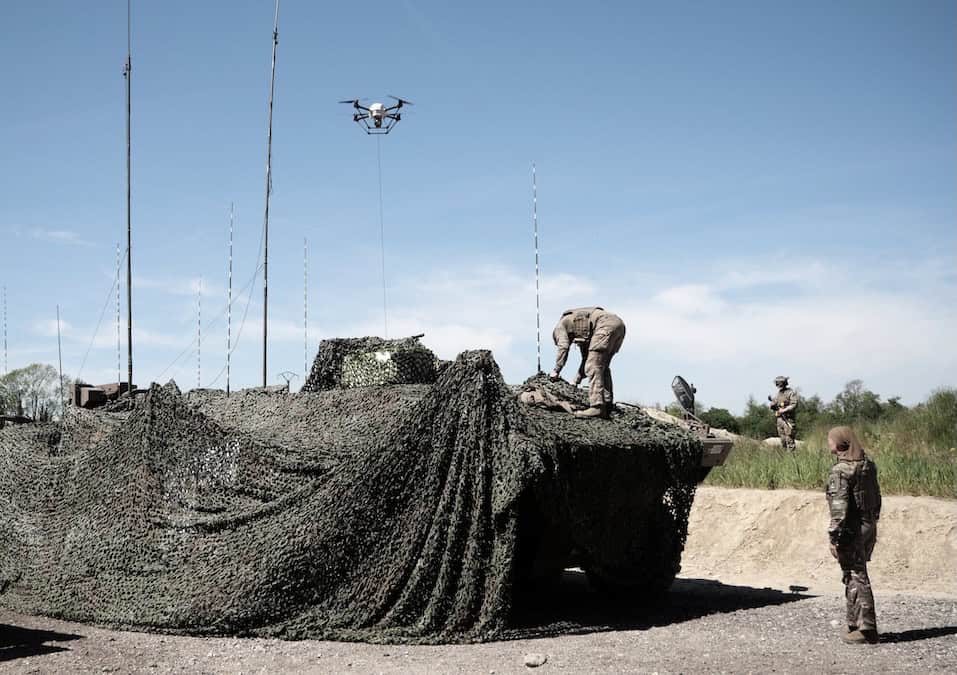
The article examines the integration of tethered UAV technology into U.S., NATO, and European military doctrine and applications. U.S. Army requirements have outlined the need for a covert, vehicle-integrated tethered UAV capable of extending line-of-sight ISR and acting as a communications relay inside enemy territory.
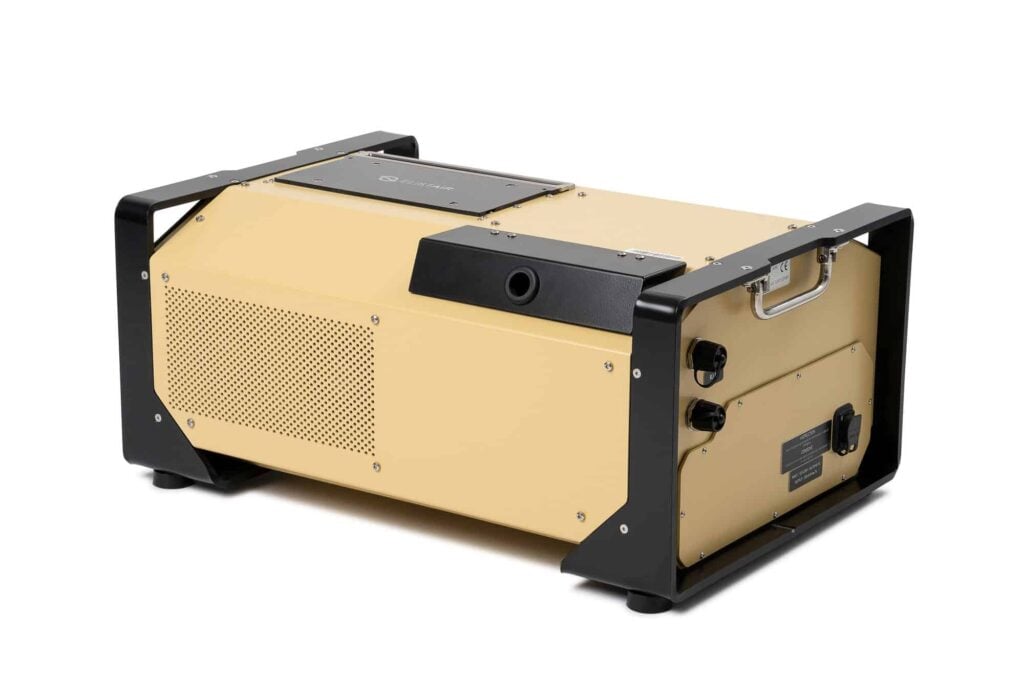
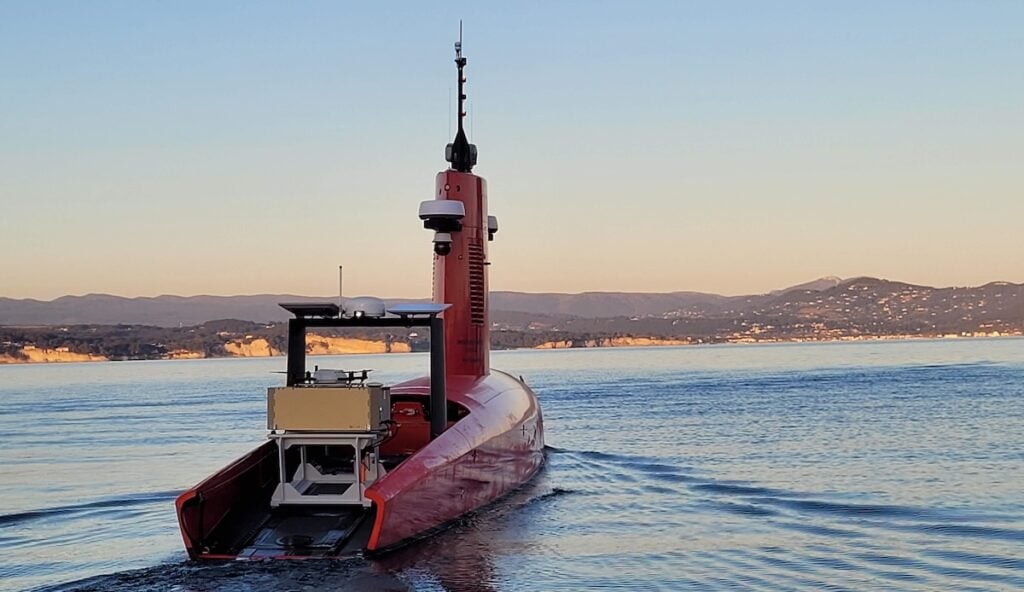
The requirements include reduced signatures, enhanced concealment, extended endurance, operation in GPS-denied conditions and rough weather, and the ability to team with crewed or uncrewed vehicles. A German Army evaluation also demonstrated an Elistair tethered UAV operating with an unmanned ground vehicle, with the system deployed from a DroneBox on the vehicle to maintain continuous surveillance as it maneuvered.
Electronic Warfare & GPS-Denied Operations
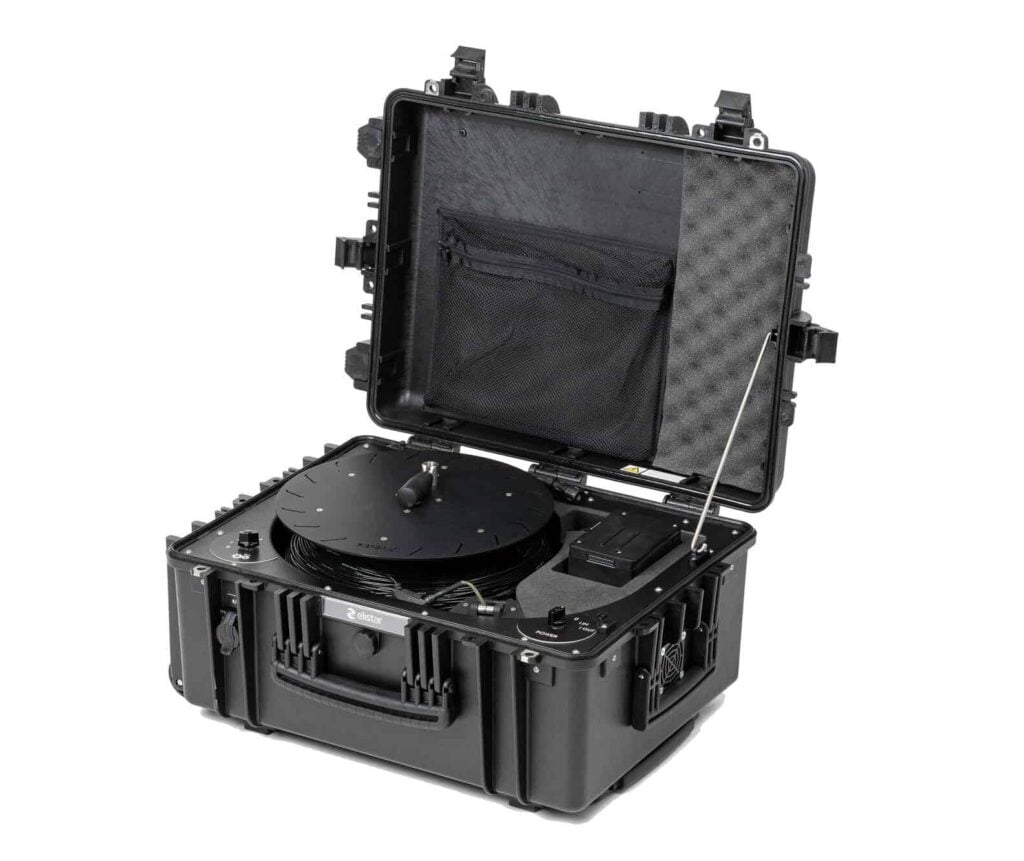
Drawing on lessons from the war in Ukraine, Elistair also details the relevance of tethered and wired UAV technologies in environments affected by electronic warfare and GPS denial. Fiber-tethered UAVs use optical fiber rather than radio waves for control and data, enabling continued operation where conventional radio-controlled drones may be affected by electronic warfare measures. Modern tethered UAV designs can also support operation in GPS/GNSS-denied and RF-denied environments, supporting persistent ISR under challenging electromagnetic conditions.
The analysis considers how these characteristics are contributing to the evolving role of tethered UAVs within military reconnaissance and surveillance operations. By providing persistent observation, communications relay, and resilience in contested electromagnetic environments, tethered systems can complement other ISR assets while supporting forward base protection, armored and mechanized units, border monitoring, and force protection missions.
Read ‘Rethinking Recon: How Tethered UAV Change ISR Doctrine’ for more information.