

CRFS details the role of Radio Frequency (RF)-enabled Counter-Unmanned Aircraft Systems (C-UAS) in supporting the safety and security of Advanced Air Mobility (AAM). Read more >>
As aerial transportation expands beyond traditional aircraft to include drones, air taxis, and other autonomous flying vehicles, new challenges are emerging for the safety and security of Unmanned Traffic Management (UTM) airspace across Beyond Visual Line of Sight (BVLOS) and Visual Line of Sight (VLOS) operations.
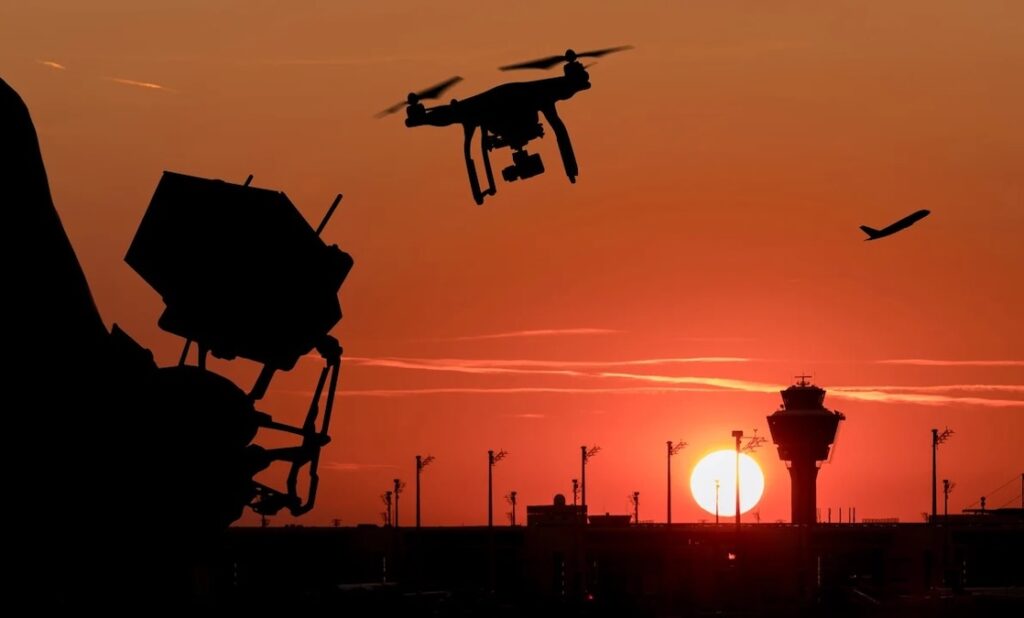
Unauthorized or malicious Unmanned Aircraft Systems (UAS) can pose risks to AAM infrastructure and public safety, including airspace intrusions, interference with critical infrastructure or communication networks, surveillance, smuggling, unauthorized access to sensitive areas, and deliberate acts of terrorism or sabotage.
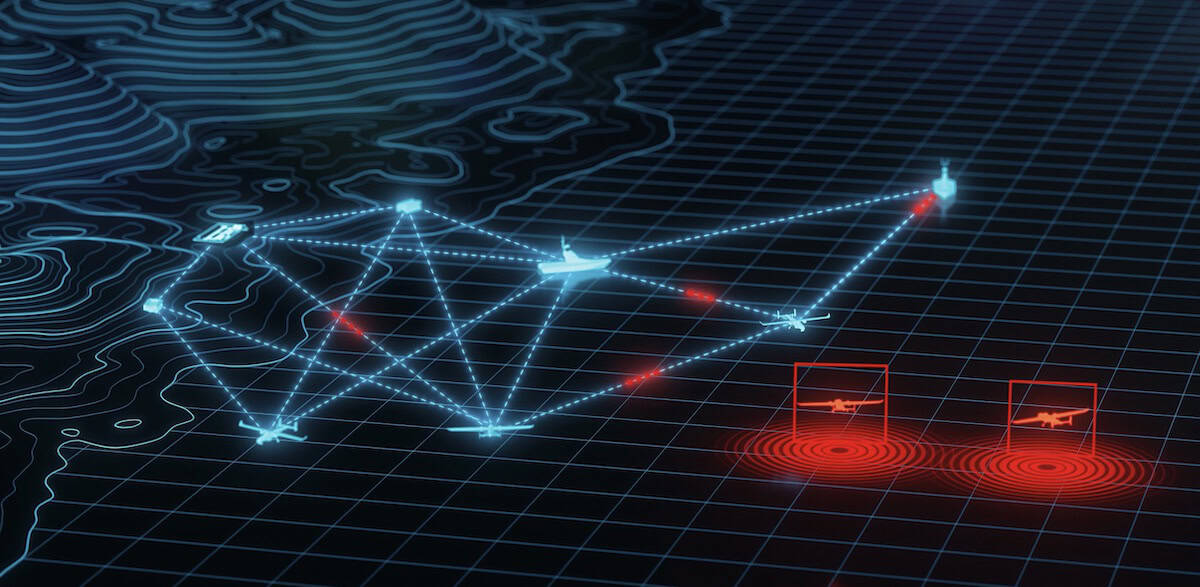
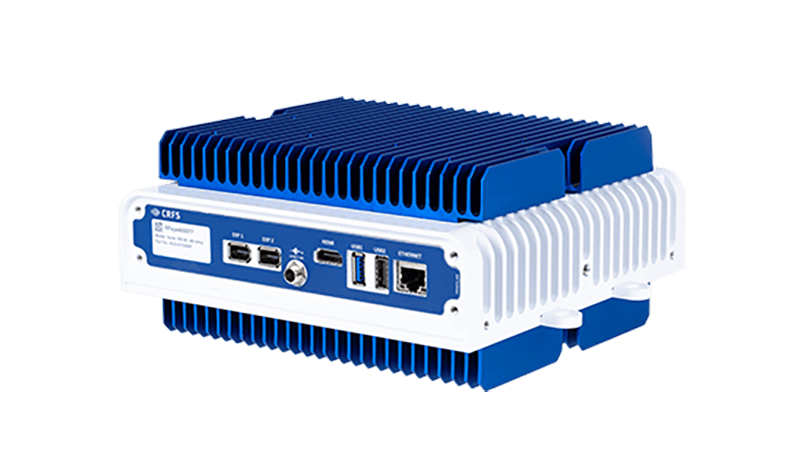
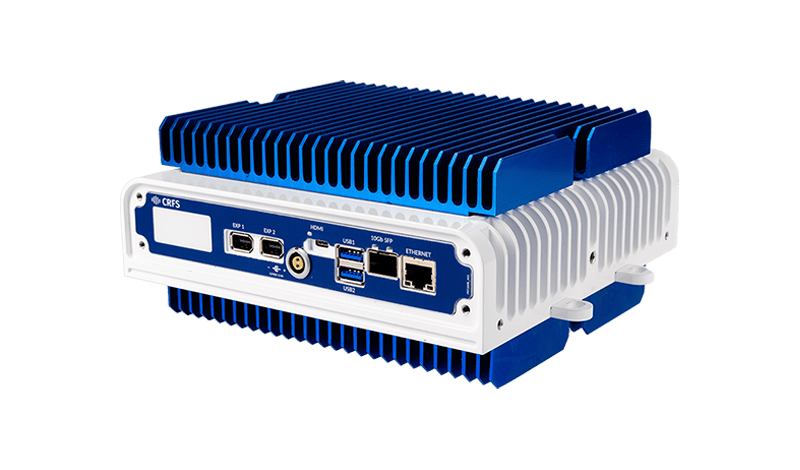
C-UAS systems employ various technologies and techniques to detect, identify, track, and mitigate threats posed by Unmanned Aerial Vehicles (UAVs), with command and control centers coordinating the overall response using data from various sensors. While most C-UAS systems use Radar and cameras, RF sensors are passive because they do not emit electromagnetic energy and can therefore be placed in locations where Radar cannot. RF technology can also “tip and cue” Radar and optical sensors during the find, fix, and target phases of a detect-to-engage sequence, as well as verify whether a drone has been downed by monitoring for a lost drone signal, known as loss link.
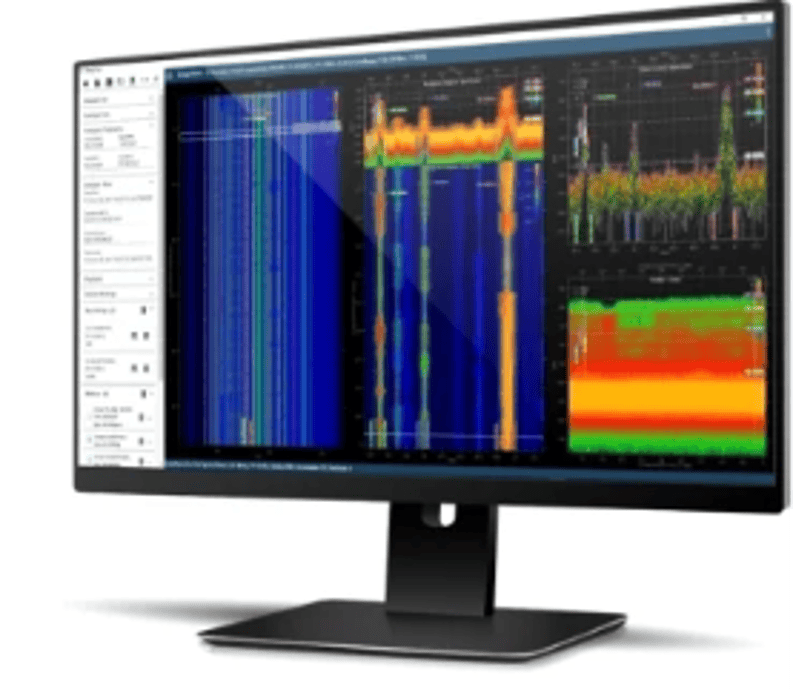
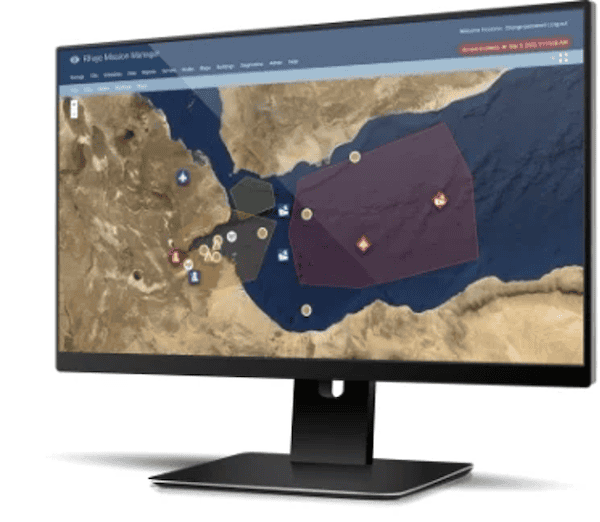
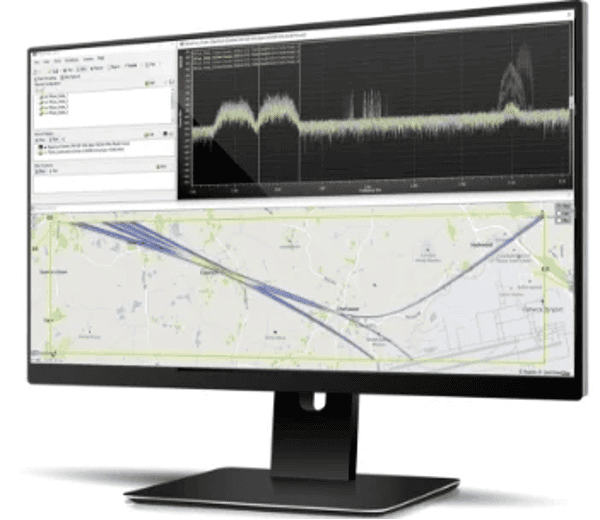
RF-enabled C-UAS can help safeguard airspace integrity, mitigate security risks, protect privacy, and manage air traffic as AAM develops. Operators can use RF-enabled C-UAS technology to passively monitor and safeguard airspace through geofence alarms and automated actions. RF sensors can also feed a larger UTM Command and Control system and provide supplemental data for spectrum monitoring. Using real-time data and conducting signal geolocation, RF sensors can assist in optimizing routes, preventing congestion, maintaining operational efficiency, maximizing UTM airspace capacity, and minimizing delays.
As technology continues to evolve, C-UAS solutions must remain adaptable and capable of adapting alongside emerging threats, including swarm drones and advanced hacking techniques, while collaboration among industry stakeholders, regulatory bodies, and technology providers continues to grow.
Read ‘How RF-enabled C-UAS enhances Advanced Air Mobility’ for more information.