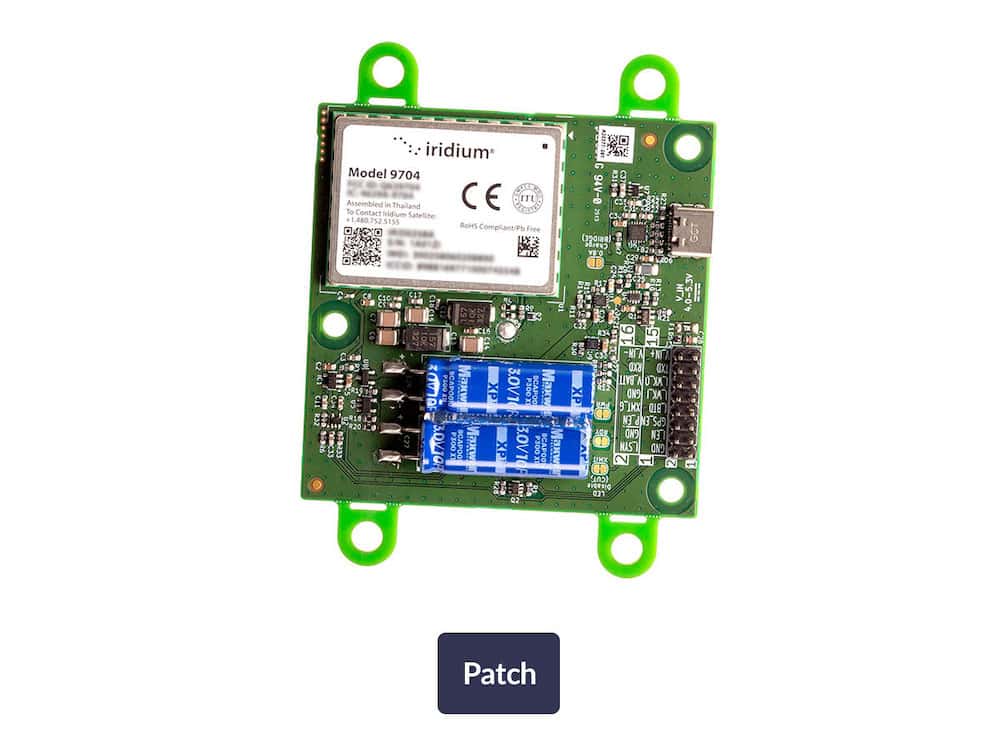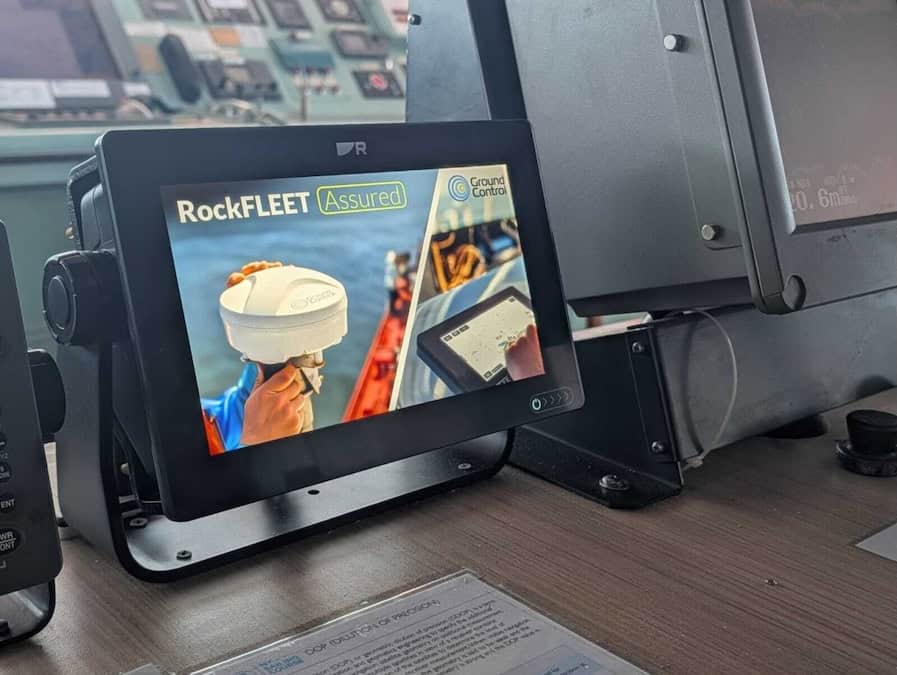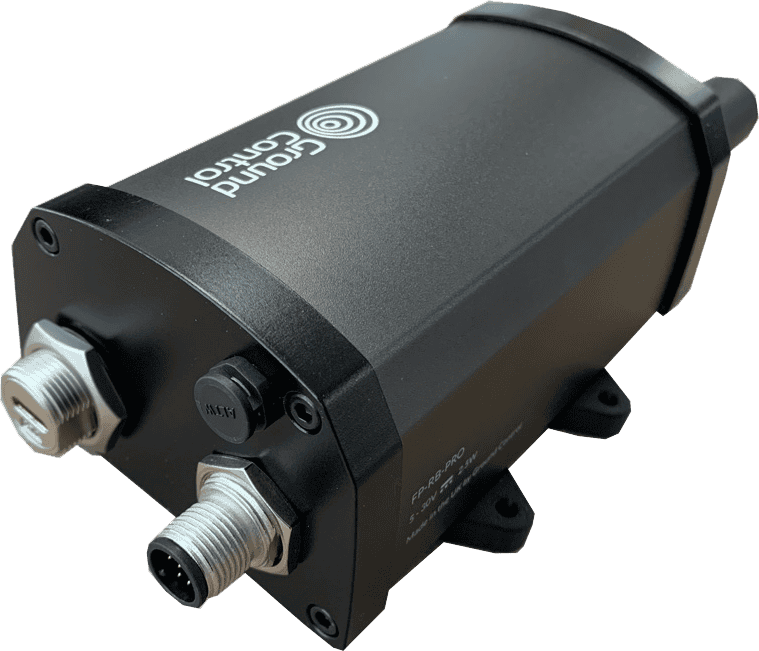
Ground Control highlights the growing importance of resilient connectivity in offshore Unmanned Surface Vehicle (USV) operations as missions become longer and more complex. Read more >>
With operators seeking to reduce crew risk and improve operational efficiency, maintaining reliable offshore communications has become an increasingly important part of the operating model. Sea state, weather conditions, antenna performance, and inconsistent coverage can all affect connectivity, requiring communications systems to be designed around real offshore operating conditions rather than ideal scenarios.
Connectivity has a direct impact on both operational continuity and commercial viability. If a USV can continue transmitting telemetry, health data, vessel tracking information, and alerts during disruption to a primary communications link, operators can maintain visibility of the mission while avoiding unnecessary recovery operations. Offshore intervention involving crewed vessels, personnel, mobilization, and weather-related delays can rapidly increase costs, reinforcing the importance of maintaining essential communications even when bandwidth is constrained.
Layered satellite communications architectures are becoming increasingly important for offshore operations. Primary links support applications such as telemetry, imagery, video, software updates, and command and control, while secondary links preserve essential functions including alarms, mission status, tracking, and low-rate command traffic during degraded connectivity. Iridium Certus 100 is highlighted as an example of a secondary communications layer supporting telemetry, alerts, command traffic, and continuity functions when the primary link is constrained or unavailable.
As offshore USV deployments continue to evolve, communications strategies are increasingly focused on maintaining critical functions rather than preserving full bandwidth at all times. A layered approach combining a primary link with a resilient backup path helps ensure vessels remain safe, visible, and manageable during degraded conditions, reducing the risk that temporary connectivity issues develop into larger operational or commercial problems.