




Ground Control has published a guide that answers the questions drone manufacturers most often raise when it comes to integrating satellite connectivity. Read more >>
As unmanned systems expand into beyond visual line of sight (BVLOS) operations for applications such as infrastructure inspection and search and rescue, dependable data links have become essential. The article examines how satellite communications provide solutions to challenges that terrestrial networks cannot address.
The guide tackles questions such as what makes BVLOS so challenging, drawing on insights from Iridium’s published research as well as practical integration experience. It highlights how satellite links can support detect-and-avoid capabilities, provide reliable command and control in remote environments, and maintain contact with air traffic control where VHF coverage is not available. It also notes how embedding proven avionics and satcom hardware can strengthen waiver applications while certification frameworks continue to evolve.
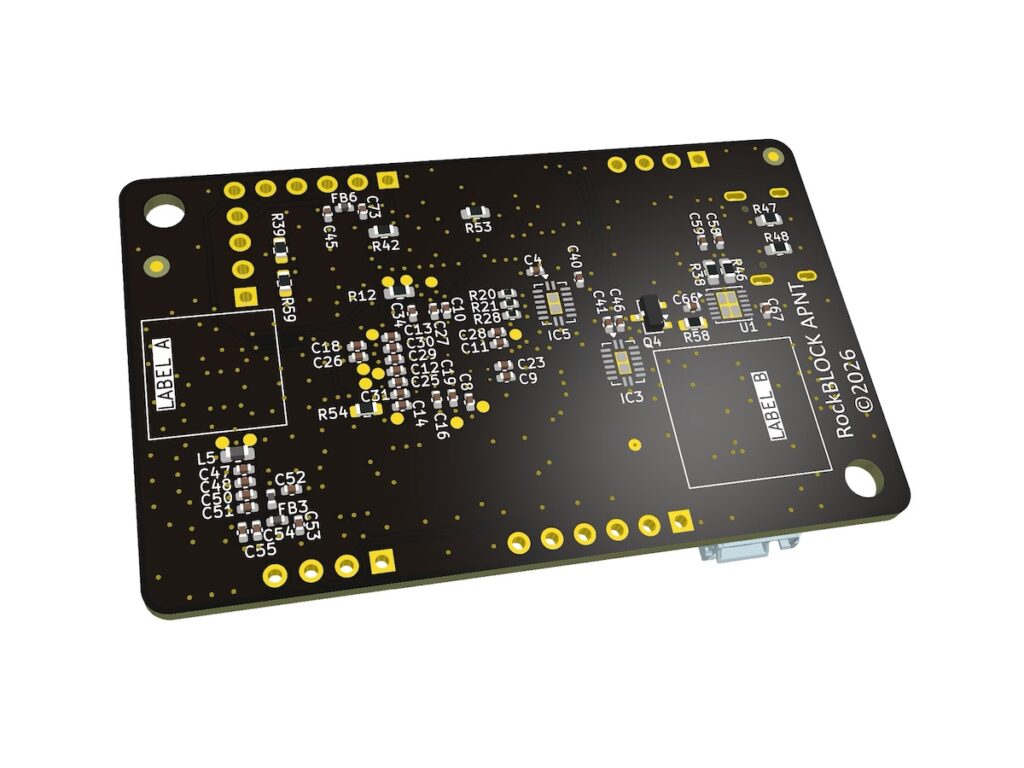
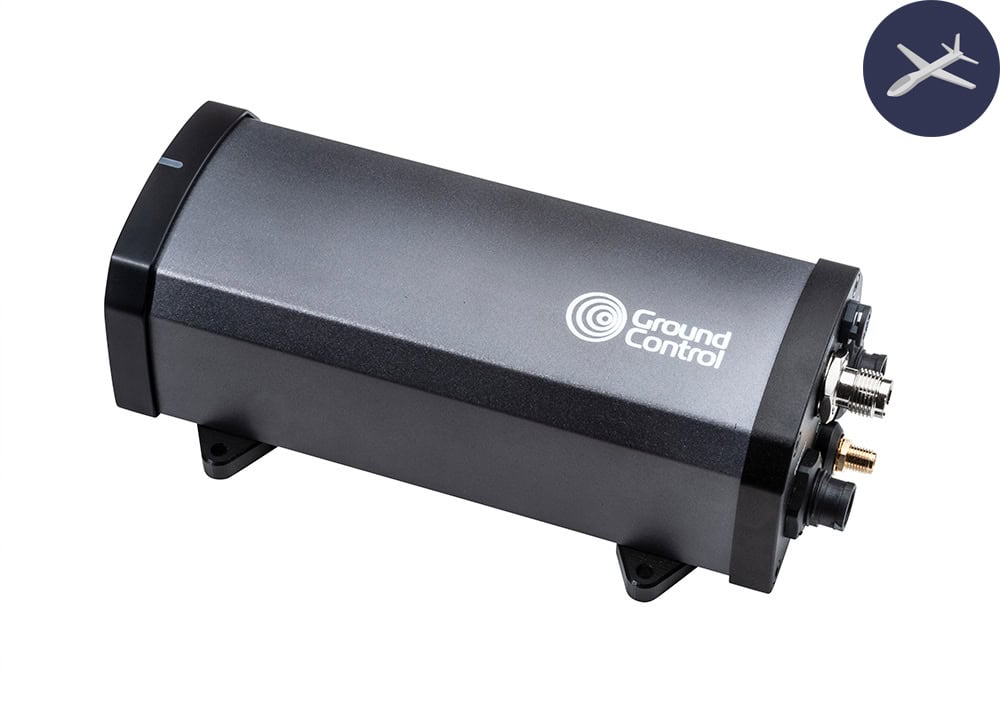
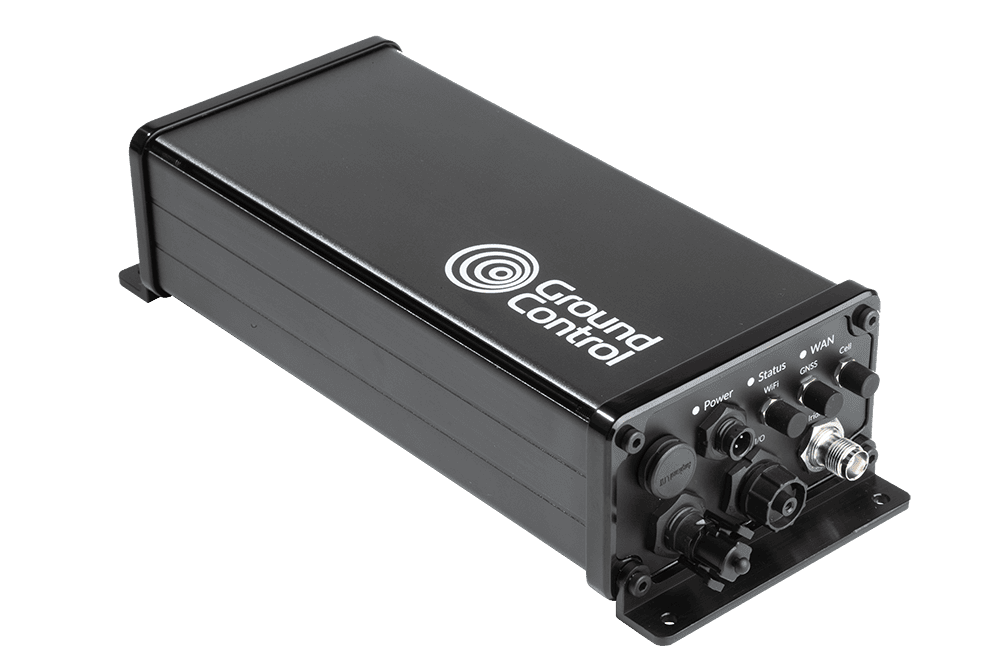
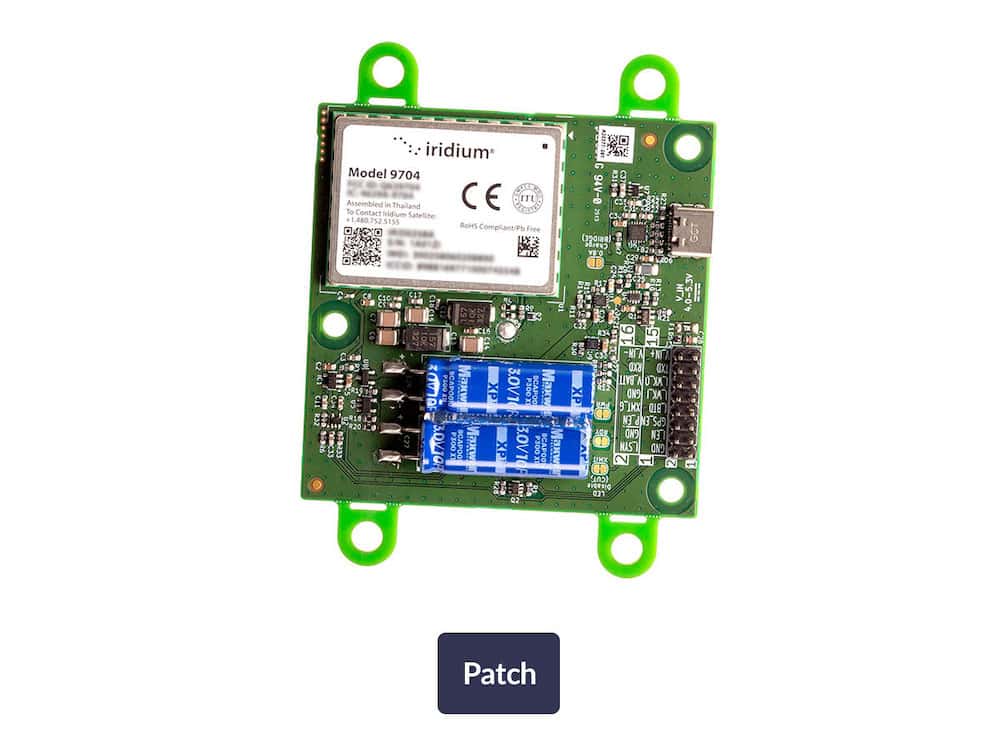
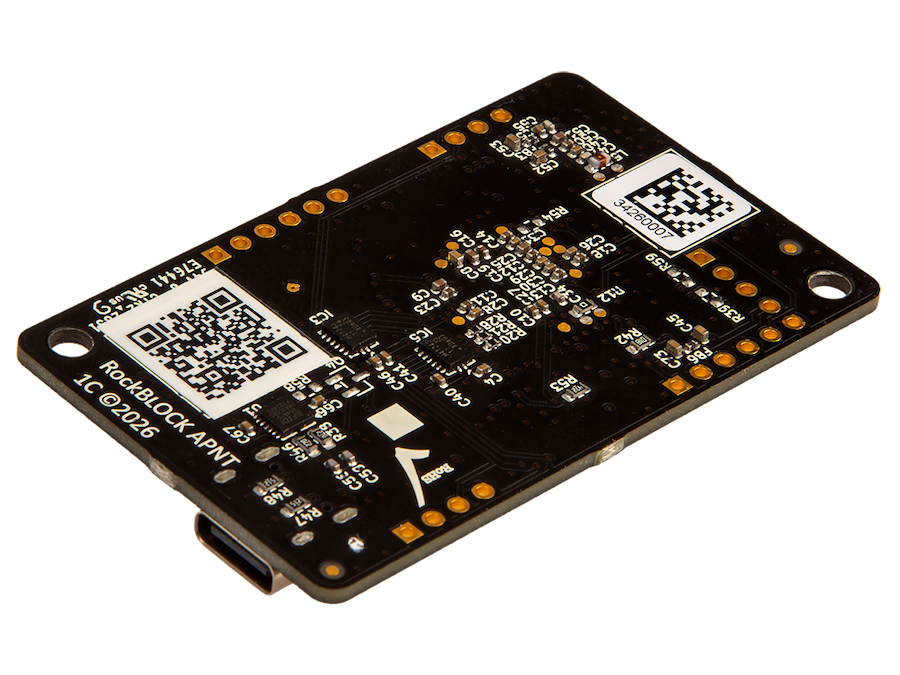
Another key focus is how to balance size, weight, and power (SWaP) constraints with satellite module performance. The guide compares compact message-based devices such as RockBLOCK 9603 and 9704, suited for telemetry and failover communications, with IP-capable options like RockREMOTE Mini OEM, recommended as one of the smallest and lightest solutions available for real-time command and control. Latency and throughput trade-offs are explained, giving UAV developers clear guidance on when to use message-based services versus IP-based connectivity.
Finally, Ground Control addresses the financial side of satcom integration, noting that it often becomes cost effective at just 10 to 20 flight hours per month. With flexible subscription models and competitive airtime pricing, the guide provides UAV manufacturers with a practical framework for adopting satellite communications in their operations.
Read the full article, for detailed technical insights and integration guidance.