Inspired Flight is helping organizations navigate the growing demand for secure, NDAA compliant drone platforms as government agencies, utilities, engineering firms, public safety departments and enterprise operators place greater emphasis on cybersecurity and supply chain security.
NDAA compliance has become an increasingly important consideration when selecting professional drone technology. However, compliance is only one part of a broader security framework that can also include Green UAS certification, Blue UAS clearance, cybersecurity validation and secure software ecosystems.
The distinction between these programs is particularly important. NDAA compliance primarily addresses restricted manufacturers and component sourcing, while Green UAS provides additional validation around cybersecurity, supply chain security and corporate cyber hygiene. Blue UAS, meanwhile, is focused on Department of Defense procurement and mission requirements.
Beyond compliance, organizations must also consider aircraft reliability, payload flexibility, software security, technical support and manufacturer stability when selecting a long term drone platform. These factors are particularly relevant for applications such as surveying and mapping, utility inspection, critical infrastructure monitoring, public safety and environmental operations.
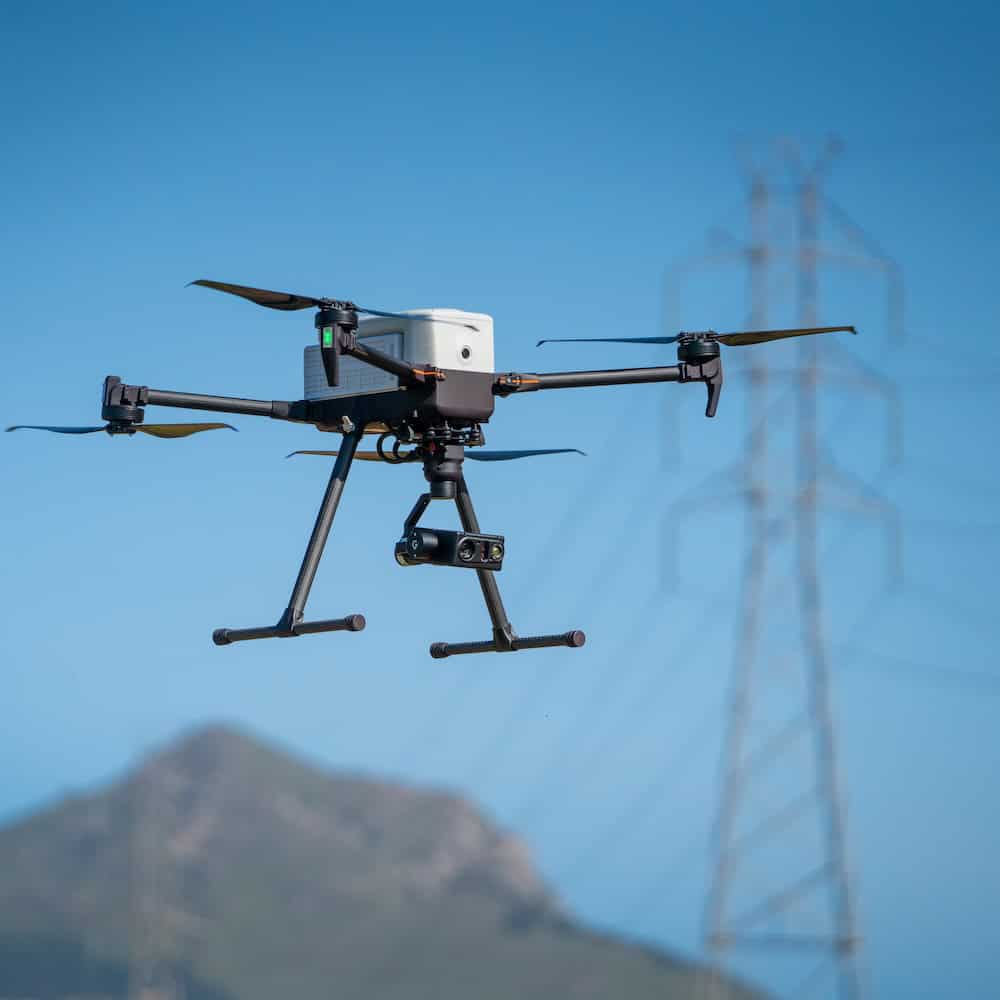
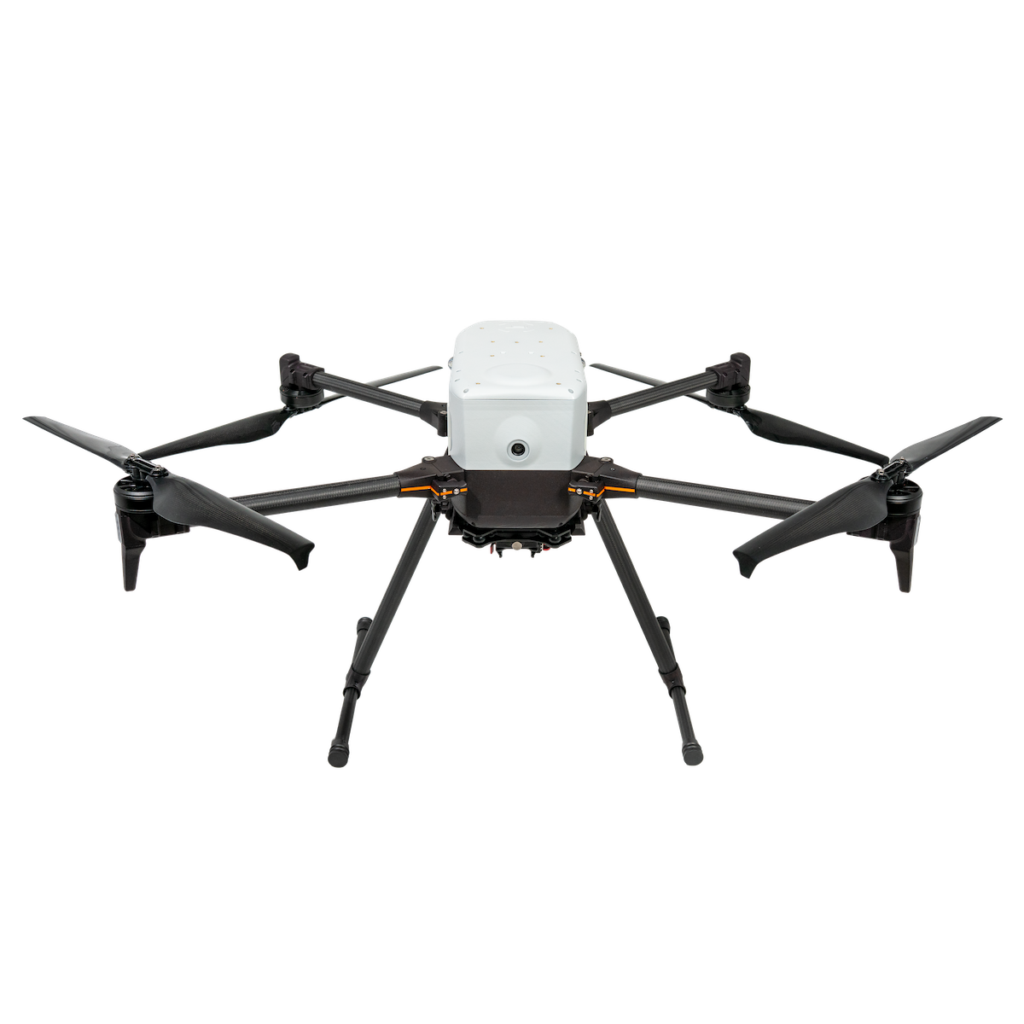
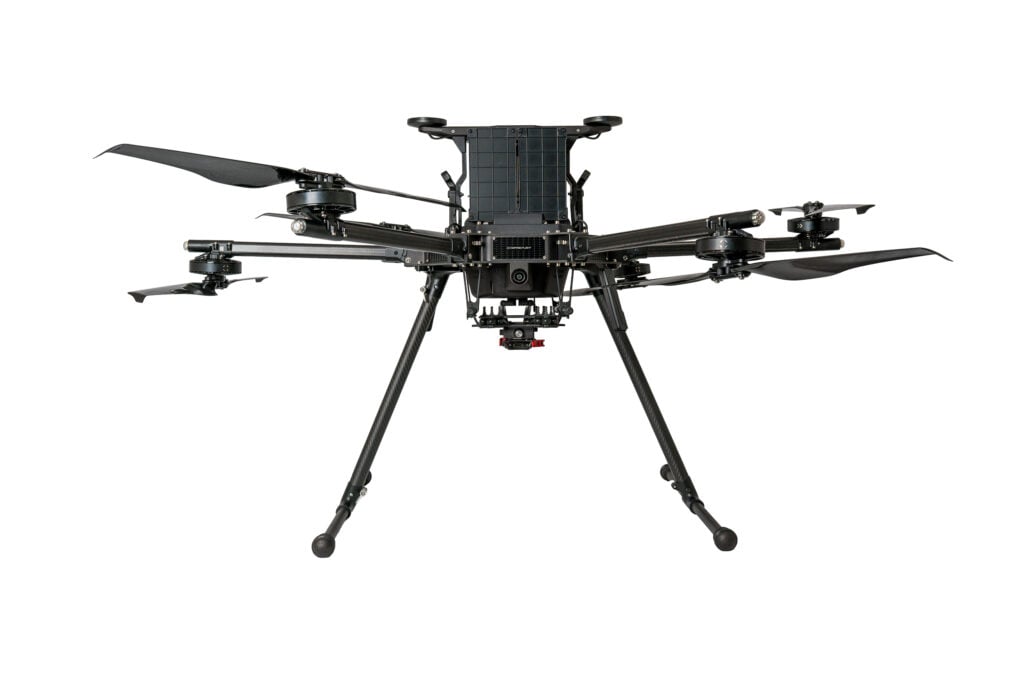
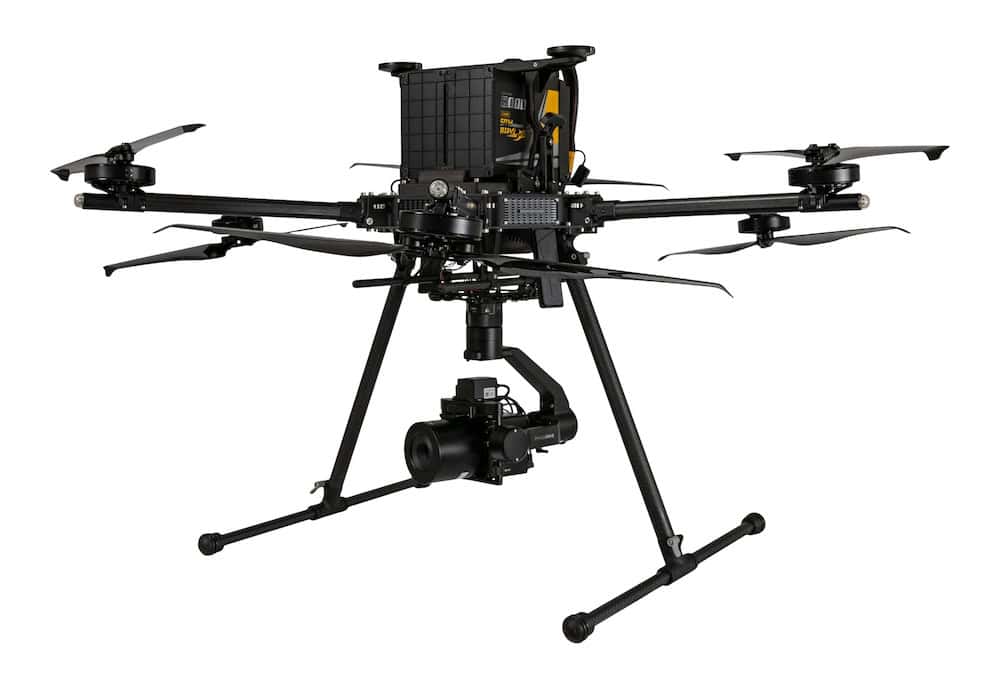
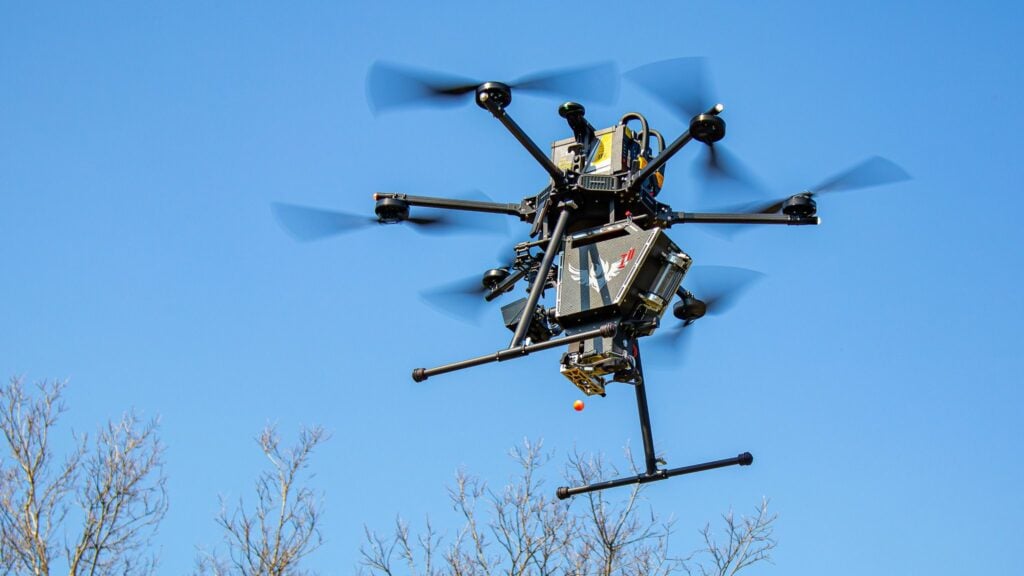
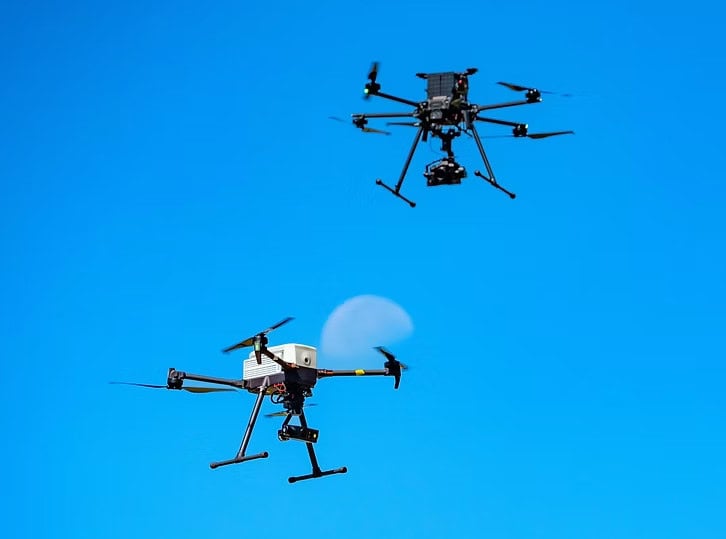
Inspired Flight’s U.S. manufactured platforms include the IF800 Tomcat, designed for mapping and inspection missions, and the IF1200, a heavy lift platform supporting advanced payload integrations and utility applications. The company’s platforms have been used for applications ranging from survey grade mapping and LiDAR collection to live line utility work and aerial rope pull operations.
As drone regulations and procurement requirements continue to evolve, organizations are increasingly treating security and compliance as fundamental elements of fleet selection rather than secondary considerations. For operators planning new drone programs or expanding existing fleets, understanding the differences between NDAA compliance, Green UAS and Blue UAS can help inform a more secure and future ready technology strategy.