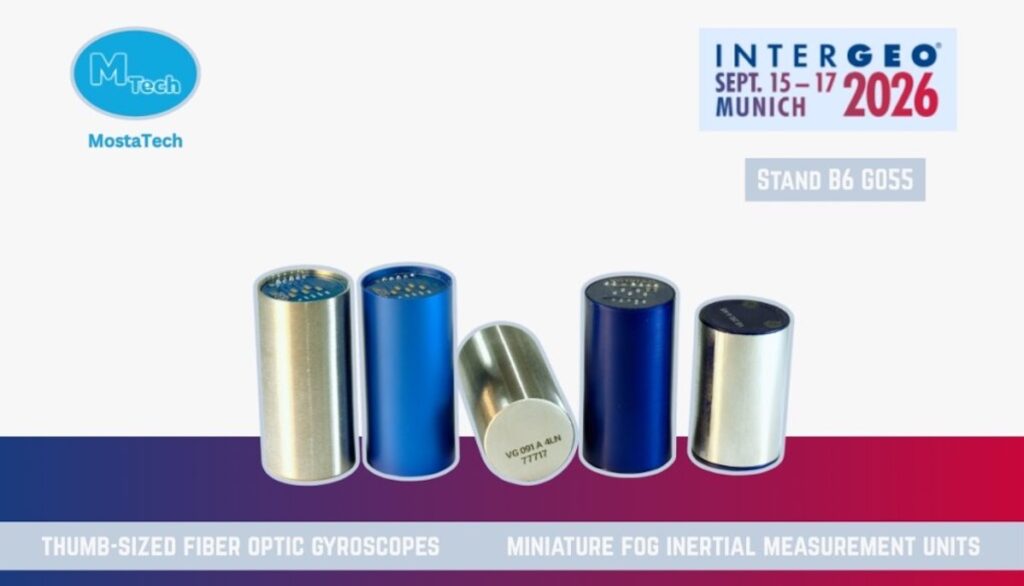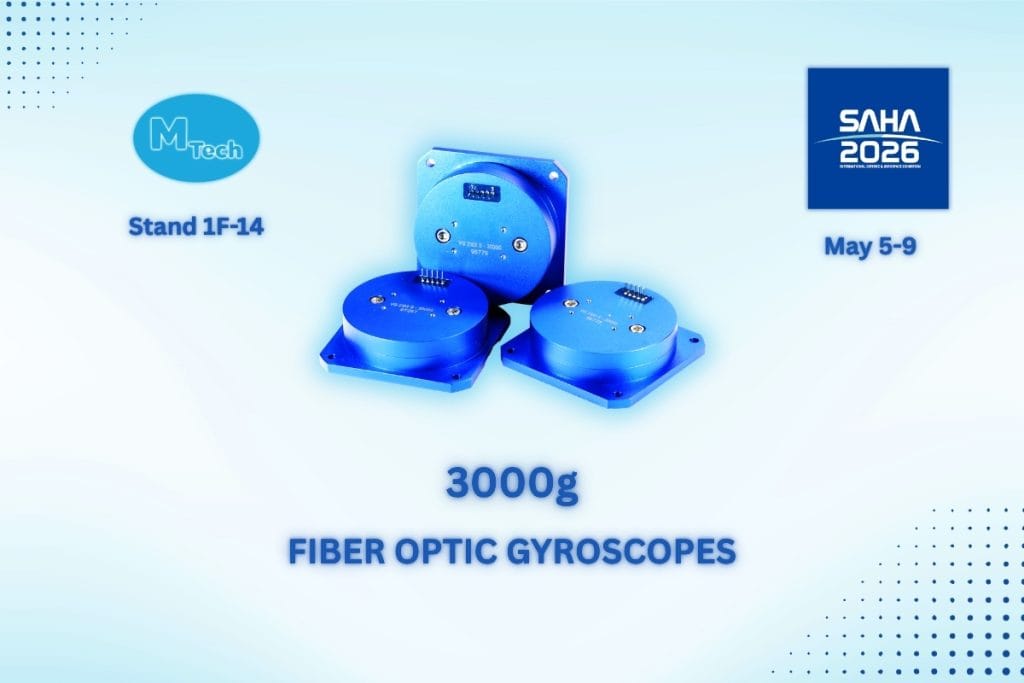
MostaTech is a developer of of fiber optic gyroscopes (FOGs) and FOG-based inertial measurement units (FOG IMUs) for UAVs, drones and robotics.
In this exclusive Q&A, UST sat down with Ing. Arthur Tua, Managing Director of MostaTech, to discuss the company’s latest advancements in FOGs and FOG IMUs, the operational challenges addressed by MostaTech’s solutions, as well as specific design features of MostaTech’s UAV gyros.
MostaTech’s FOGs and FOG IMUs are used in autonomous aerial, robotic, and agriculture systems – could you provide an overview of MostaTech’s latest products and developments for precision motion and orientation measurement in these applications?
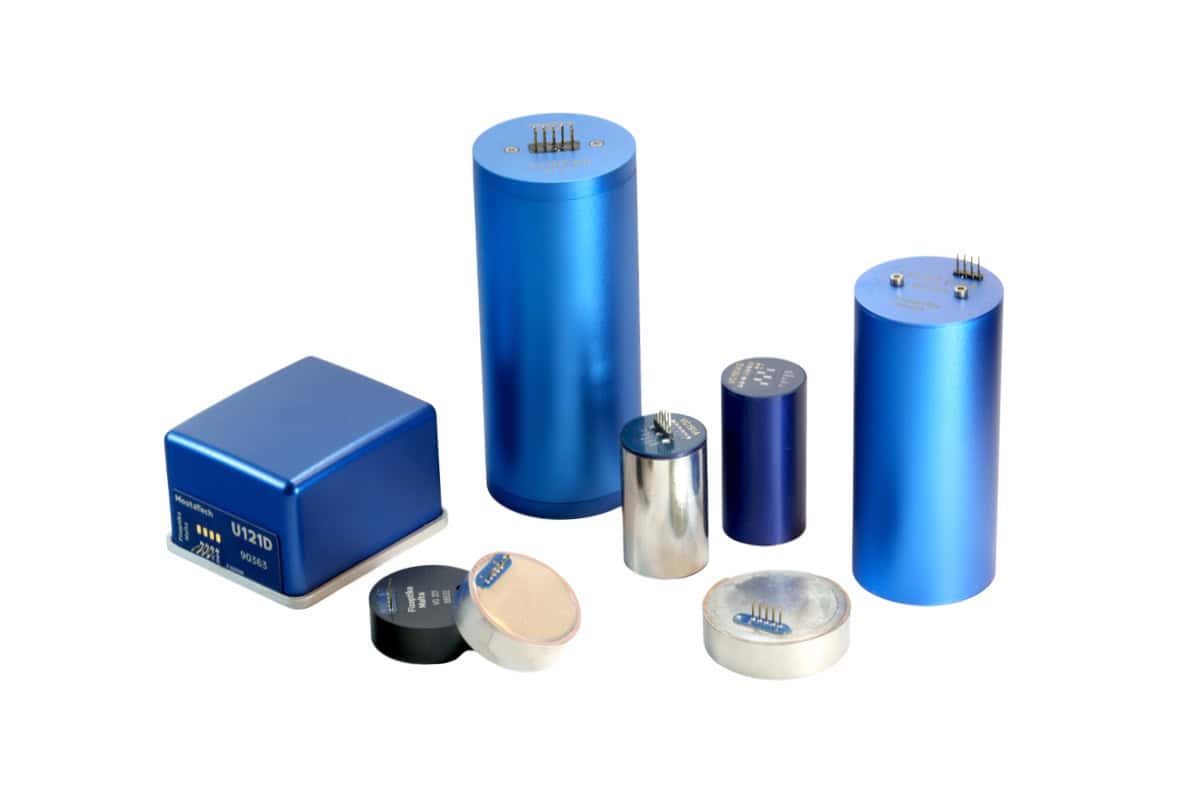
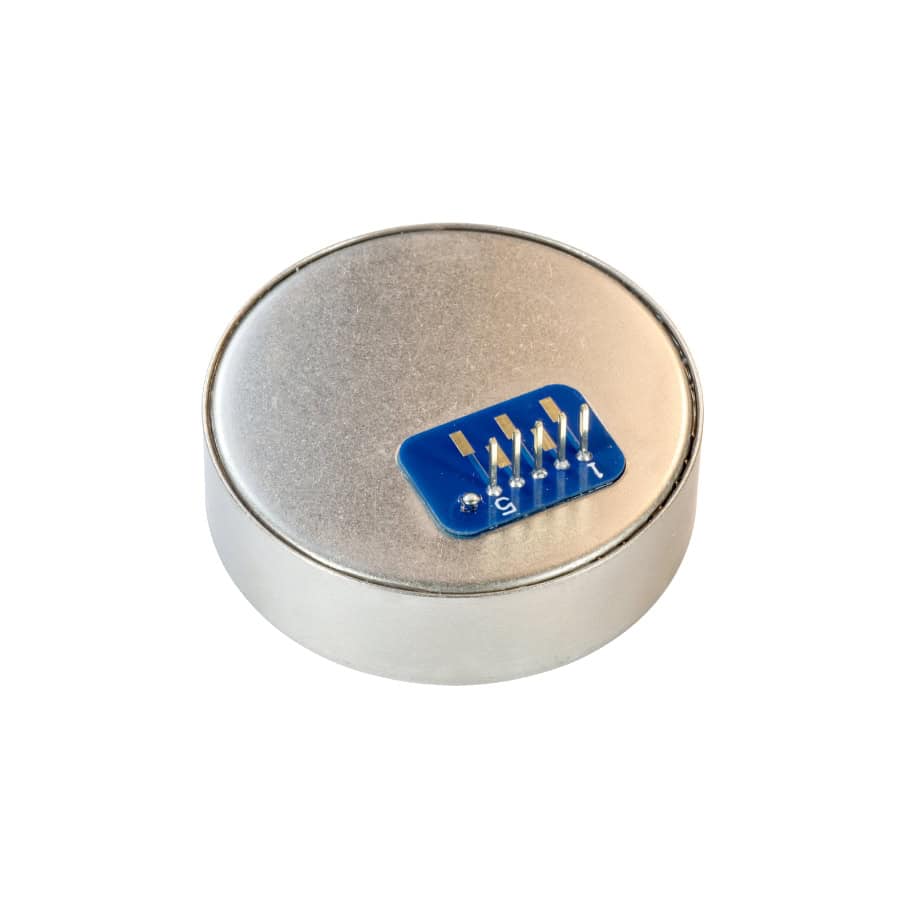
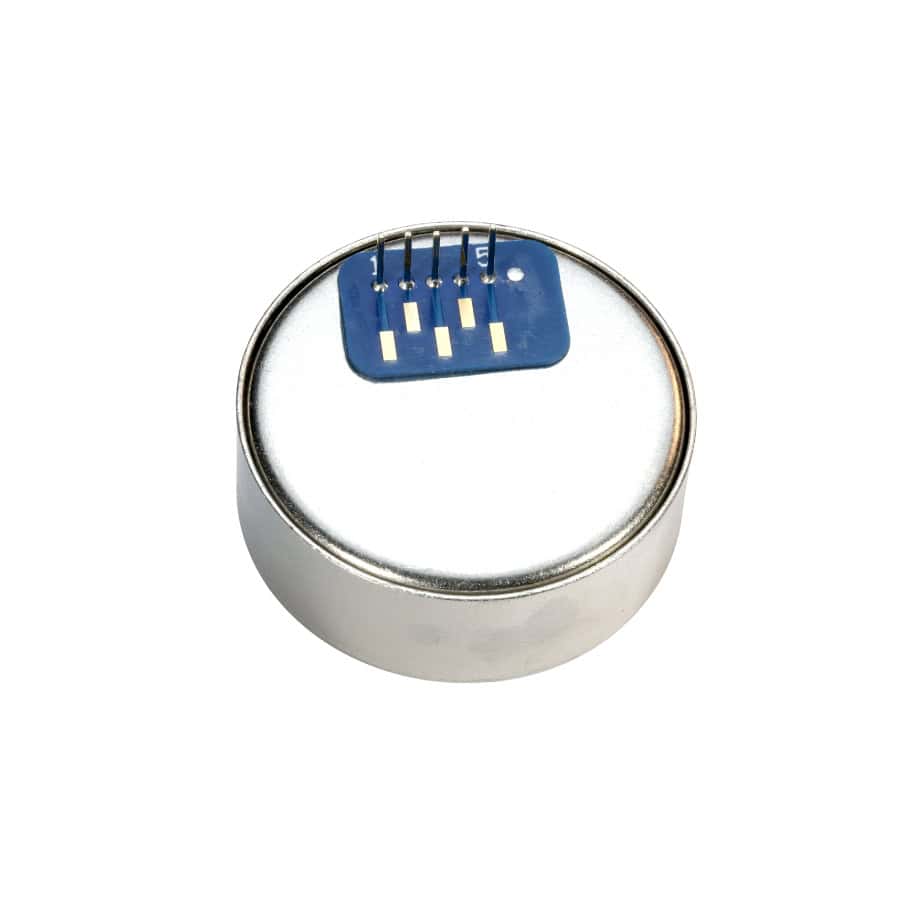
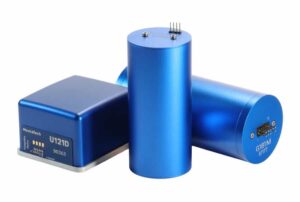 MostaTech’s VG221 family of FOGs stands out with its remarkably small dimensions, measuring only Ø33 x 12 mm. This miniature size is a significant advantage, as it allows for integration into even the smallest drone and robotic platforms without adding bulk.
Moreover, the FOG has a power consumption as low as 0.5 Watts. This ultra-low power draw is crucial for extending the operational time of battery-powered devices, enabling longer flights and missions.
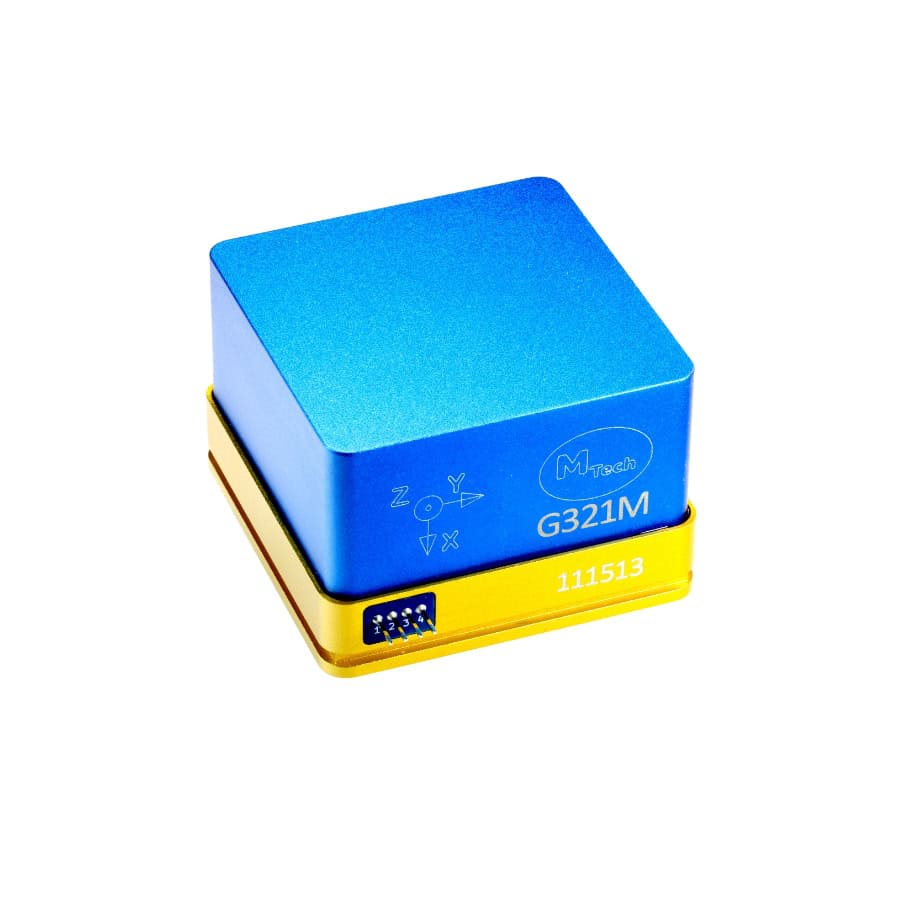
Beyond individual gyros, MostaTech offers small FOG-based Inertial Measurement Units (IMUs). The smallest unit U121 is a compact 63 x 56 x 40mm IMU that weighs less than 200 grams.
By integrating multiple sensors, including gyroscopes, and accelerometers, into a single, lightweight package, these IMUs provide a comprehensive solution for navigation and control. This simplifies the development process for engineers, reducing the complexity of designing and integrating separate components. It also ensures higher accuracy and reliability through tightly coupled sensor data, which is essential for precise navigation, stabilization, and real-time control in complex environments. This integrated approach saves space and weight, which are often the most limiting factors in drone and robotics design.
Which specific operational challenges in drones and robotics are addressed by MostaTech’s FOG-based solutions?
Drones and robotic equipment rely on batteries, which have a finite charge. MostaTech’s FOG solutions are designed to be extremely power-efficient, minimizing the drain on a device’s battery. This extends the operational duration of the drone or robot, allowing it to perform more tasks or cover a larger area on a single charge.
Drones and small robots have limited space and weight capacity, which restricts the size and number of components they can carry. MostaTech’s solutions integrate high-performance processing into a compact, low-power footprint. By optimizing the size and power consumption, these solutions enable more sophisticated on-board capabilities within the physical and energy constraints of the device.
What unique design features of MostaTech’s advanced UAV gyros distinguish them in industry particularly for drone and robotics developers?
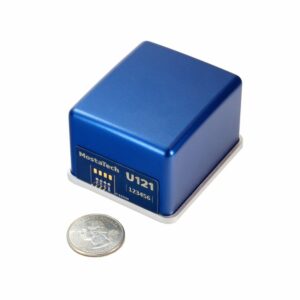
FOG IMU U121D.
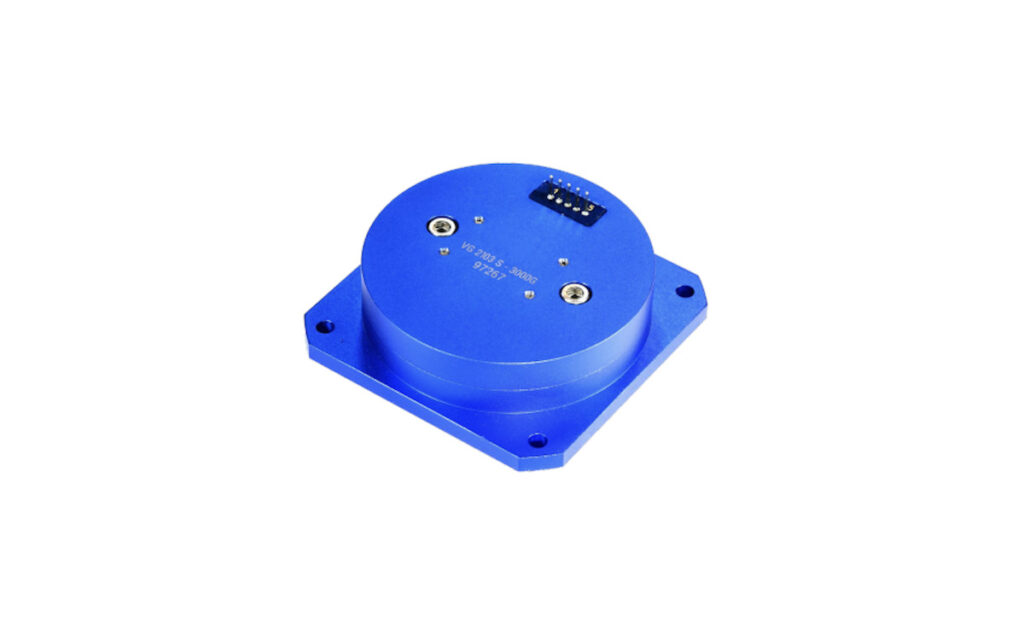
MostaTech’s gyros utilize an open-loop FOG design, which is a key differentiator. The core of our technology is the use of a single, continuous piece of optical fiber. This fiber has a remarkably small overall diameter of 70µm and a cladding diameter of 40µm, allowing for very tight coiling.
Instead of splicing separate components into the FOG, a common practice that can introduce points of failure and increase size, MostaTech builds all components directly onto the single fiber strand. This methodology eliminates the need for splices, which are tiny, fragile connections between fiber optic components.
Benefits for Drone and Robotics Developers:
The unique design of MostaTech’s solutions offers significant advantages for developers. By using a single fiber and avoiding splices, MostaTech can wind coils with a very small diameter. This directly translates to gyros with an ultra-compact footprint, which is essential for integration into small drones and robots where space is extremely limited.
The simplified, continuous fiber design also reduces the number of component connections, leading to lower power requirements. This directly extends the operational battery life of the device, enabling longer missions and greater flight endurance.
Thank you for your time. It has been a pleasure speaking with MostaTech, and we look forward to following the continued advancements and adoption of FOG technology in the unmanned systems industry.