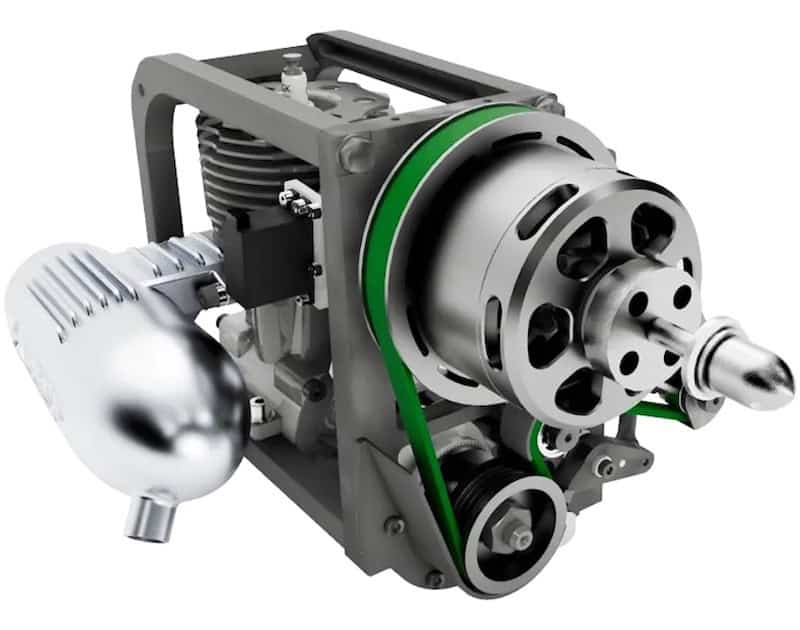
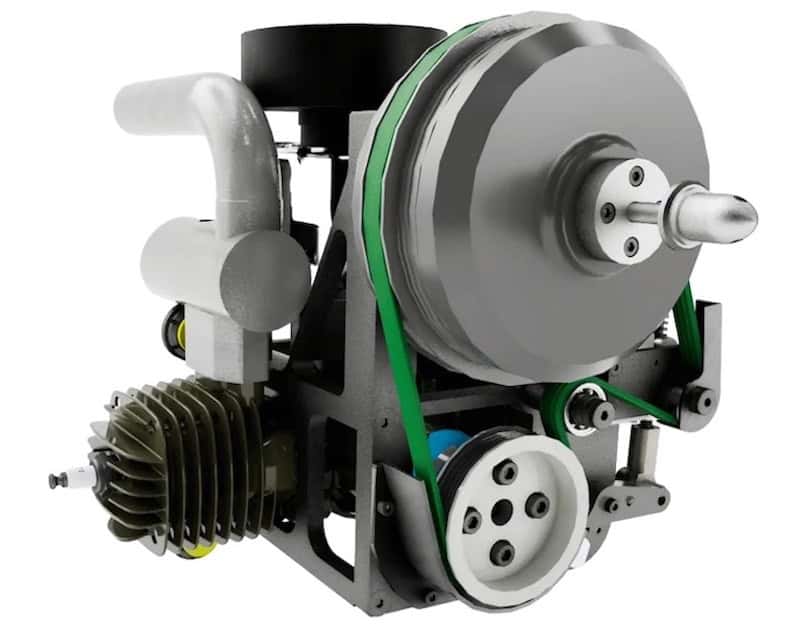
Lowental Hybrid argues that recent conflicts reveal a hard truth for guided munitions: mass alone no longer delivers meaningful battlefield effect.
 The question is no longer how many systems can be produced, but what those systems can actually achieve inside contested airspace.
Quantity still creates operational pressure, but layered air defenses, electronic warfare, and maturing detection networks rapidly blunt its value. Acoustic sensing is a prime example. Distributed low-frequency arrays can detect combustion-engine drones kilometres out, cueing interceptors well before radar ever makes contact. Platforms unable to manage their acoustic signature face sharply higher attrition.
Navigation resilience now defines operational relevance. With GPS disruption routine, unmanned systems must rely on inertial guidance, onboard sensing, and AI-assisted correlation to reach targets reliably. GNSS-dependent munitions are becoming a liability, not a bargain.
The path forward is a synthesis: accessible mass paired with targeted technological advantages, signature management, robust navigation, adaptive routing, and advanced propulsion architectures. The organizations that modernize around these qualities will generate the only metric that matters: sustained effect in contested airspace.